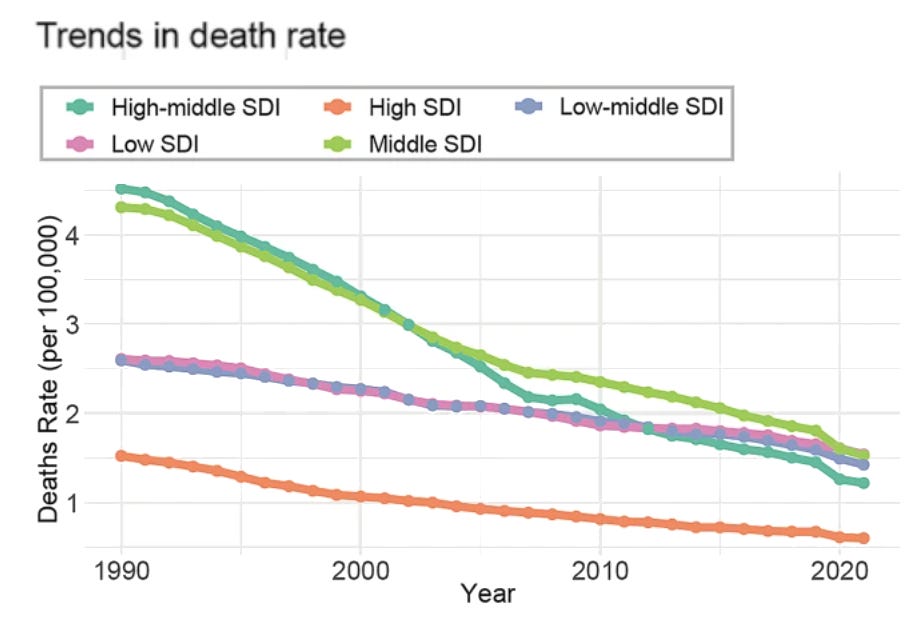
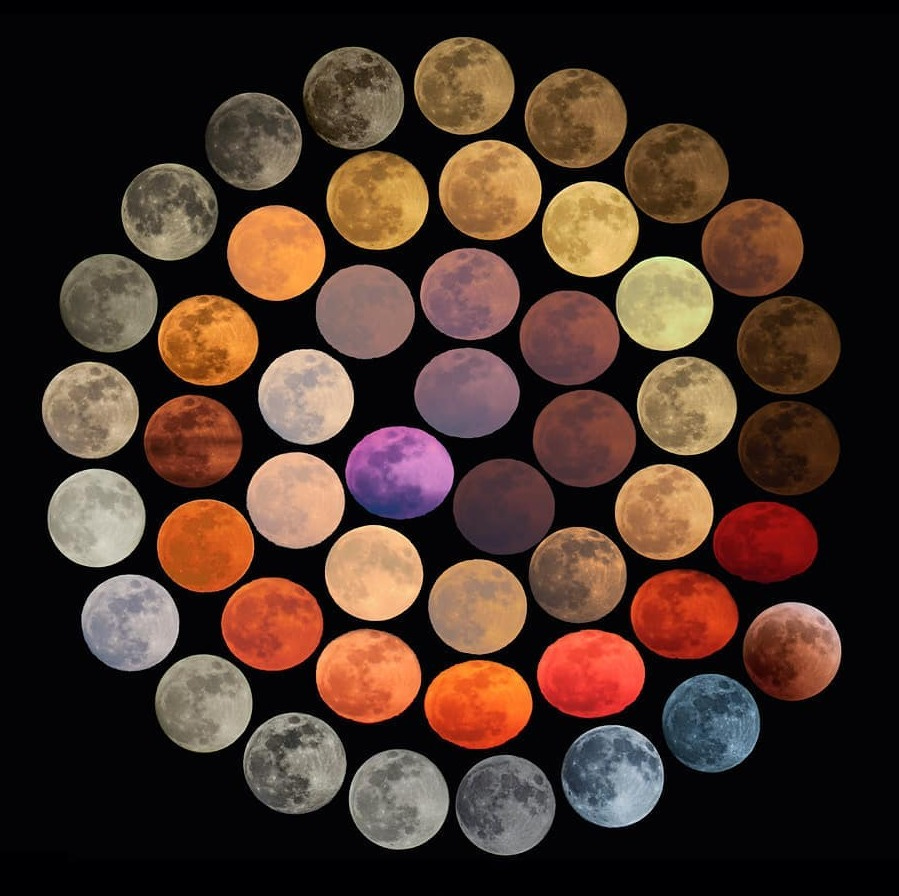
FTN 309: Colours of the Moon. WASH. Solar in Africa. Childhood leukaemia. African Greys 🦜❤️.
Hidden stories of progress from around the world.
Hi everyone, Gus here. The WHO and UNICEF just released a report I’ve been waiting on for over two years, and it’s even better than I was hoping. It’s an astonishing story of human progress, about how the lives of billions of people have been transformed, and I honestly don’t understand why all the world’s news organisations can’t take a break from injecting reporting on Trump for at least a day to celebrate it. Go figure.
Plus, we’re thrilled to have historian and bestselling author Rutger Bregman back on the podcast - our first repeat guest! Rutger never disappoints and this one is definitely a conversation for our times. From his early ‘midlife’ crisis to what we can learn from the abolitionists and suffragettes, we dive into his new book, Moral Ambition, and find out why he’s trying to convince people to stop wasting their talent, and to start making a difference.
AND our first big piece of original reporting, A Shot At History, kicks off next week, Friday 5th September. We’ve been working on this three part podcast series about the malaria vaccine for over a year now and we can’t wait for you to hear it. Make sure you’re subscribed to our channel.
This week’s top stories
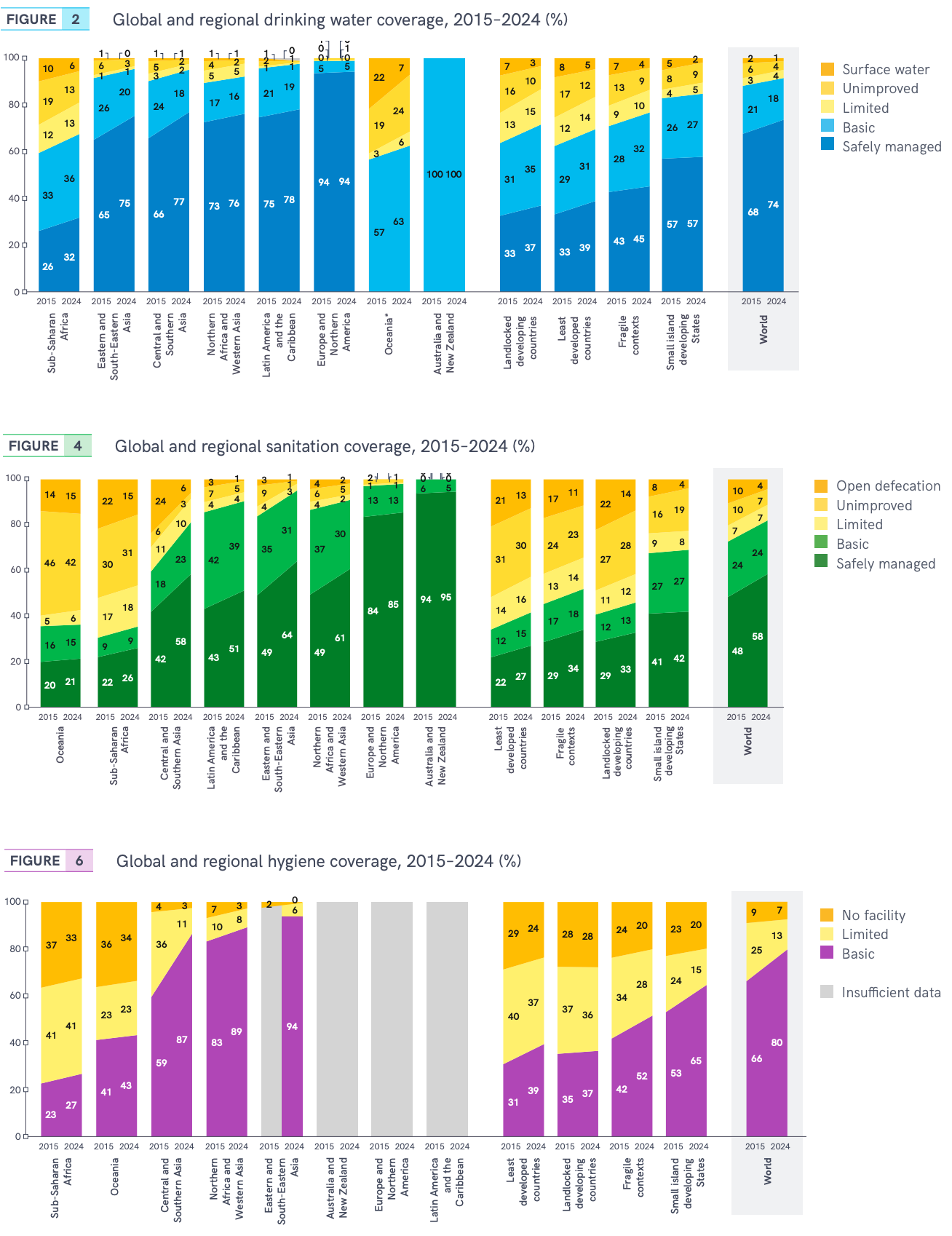
Billions of people have gained clean water, sanitation and hygiene in the last nine years. That’s not a typo - that’s billions, with a B. An astonishing new data dump from the WHO and UNICEF showing that between 2015 and 2024 humanity recorded one of the fastest expansions of basic welfare of all time: 961 million people gained safe drinking water, 1.2 billion gained safe sanitation, and 1.5 billion gained access to basic hygiene services, while the number of unserved fell by nearly 900 million. Coverage has risen to 74%, 58% and 80% respectively, while open defecation has dropped by 429 million people. Together, these figures represent an historic advance in human health and dignity.
In finding a cure for HIV, could children hold the answers? Paediatricians have noticed that after starting antiretroviral treatment early in life around 5% of children seem able to suppress HIV with their immune system alone. Several different trials are now underway: in South Africa, kids are receiving early antiretroviral treatment, broadly neutralising antibodies and a potential vaccine simultaneously, while in Botswana, a simpler trial is testing if broadly neutralising antibodies can replicate the HIV-suppressing effect on their own. Wired
Earlier this year, Botswana was recognised as the first high-HIV country in the world to effectively eliminate mother-to-child HIV transmission. At the turn of the century, HIV was so rampant that one in eight infants were infected at birth, and politicians and doctors viewed it as an existential threat. Today, Botswana has cut mother-to-child HIV transmission to under 1%, with fewer than 100 infected infants a year. The Guardian
Dr. Ava Avalos, an HIV specialist and technical adviser to Botswana’s health ministry, says the transformation was so drastic that the WHO initially refused to believe the figures that were coming out of the country. “We would report that our birth numbers [of HIV infections] were so low, and they’d say, ‘No, no, you have 10,000 children that are [HIV] positive,’” she says. “And this went on for years until they had to accept the fact that Botswana’s programme was as strong as we were saying.”
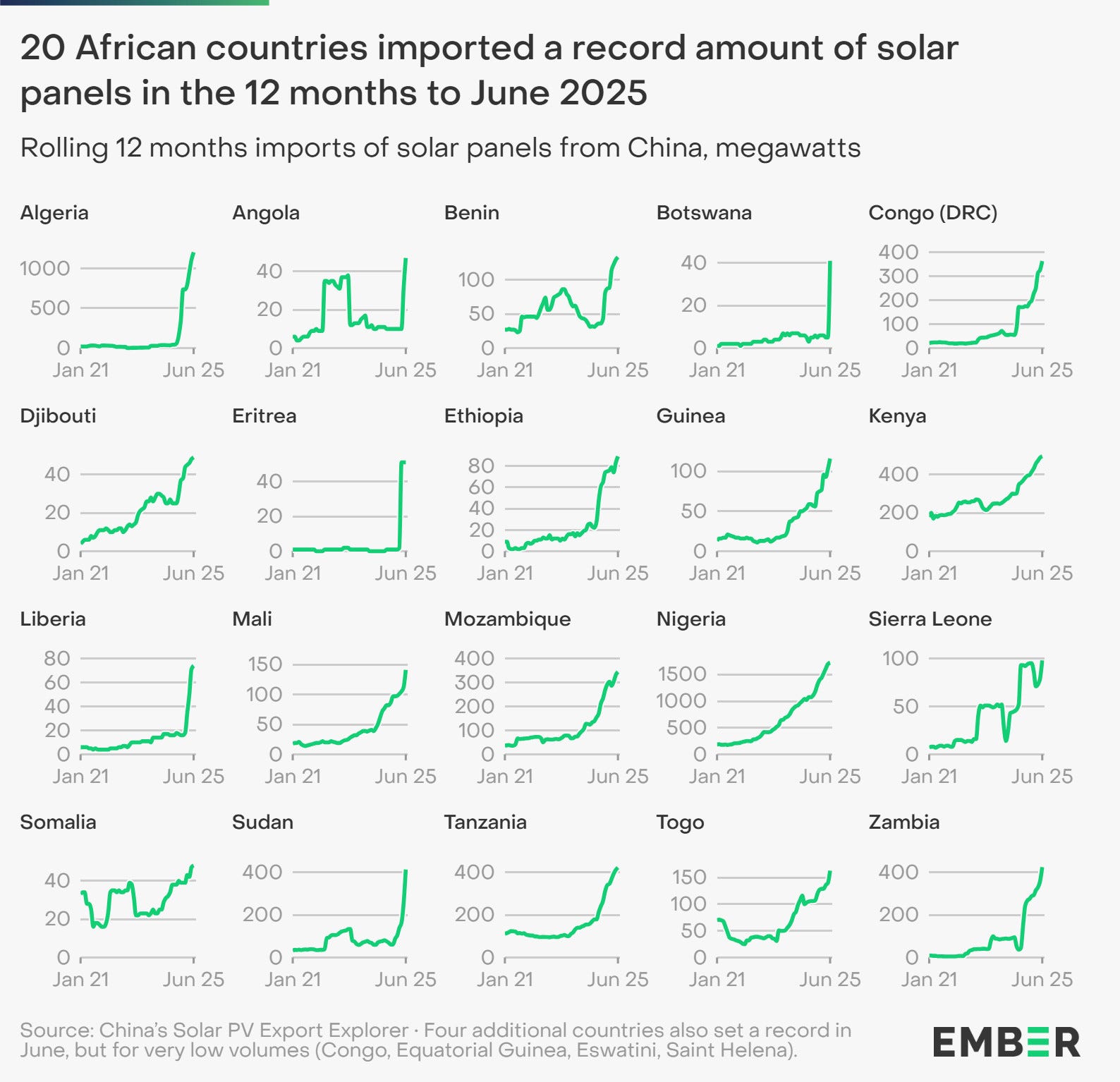
Solar is taking off across Africa. In the 12 months through June 2025, over 15GW worth of solar panels were imported. This wave is happening across the continent: 20 countries have set new import records. Sierra Leone imported enough solar panels in one year to make up 65% of their entire nation's generating capacity. If you're not preparing for significant drops in fossil fuel demand, you're not paying attention. Electrek
Nepal eliminates rubella, the 11th country to eliminate a disease in 2025. The WHO has verified Nepal’s elimination of rubella as a public health problem after successive national campaigns pushed vaccine coverage above 95% in 2024. Nepal becomes the sixth country in WHO’s South-East Asia Region to eliminate rubella, reducing the risk of miscarriage, stillbirth and lifelong congenital defects. UN
Also: Nepal has reached 100% immunisation rates for under-twos. Gavi
China’s giant neutrino detector switched on, poised for new discoveries. Deep beneath southern China, the world’s largest neutrino detector, JUNO, has gone live. The 20,000-ton ‘liquid scintillator’ setup, built over a decade by the Chinese Academy of Sciences and global collaborators, aims to solve the long-standing question of neutrino mass ordering and deepen insights into supernovae and exotic physics. This colossal instrument marks a bold leap into the quantum unknown. ScienceDaily
Some symbolic environmental victories:
Sir David Attenborough has christened ‘Princeling,’ the first eagle golden chick born from a project bringing the species back to Scotland. Since 2018, the population has climbed from just three breeding pairs to over 50. Attenborough says the chick’s name symbolises new hope for the restoration of the species. BBC
The White Earth Nation’s bison herd has welcomed its very first calf, marking what tribal leaders call ‘a new chapter’ in returning mashkode-bizhiki (bison) to Anishinaabe lands. Once nearly wiped out in Minnesota by overhunting, bison are being reintroduced to the state through a partnership with the InterTribal Buffalo Council. MPR News
And sockeye salmon have returned to Okanagan Lake after a century, thanks to a new fish passageway built by the Syilx Nation in partnership with local and national authorities. This will allow steelhead, rainbow trout, sockeye salmon, chinook salmon and kokanee salmon to reach their historic spawning waters after crossing nine Columbia River dams. CBC
While we’re on the subject of fish returning to their historic runs, Europe dismantled 542 river barriers last year, the highest ever, restoring 2,900 km of waterways. Finland led with 138 removals, while Bosnia and Herzegovina, Croatia, the Czech Republic and Turkey saw their first demolitions. It’s all part of a bigger, continent-wide push to reconnect at least 25,000 km of rivers by 2030. Dam Removal Europe
For years, headlines have been warning us that AI would overwhelm power grids and turbocharge emissions. Now new figures from Google show AI’s electricity scare was wildly overblown. The median prompt uses 0.24 Wh (about nine seconds worth of TV) emitting 0.03 g of CO₂ and five drops of water. In just one year, efficiency gains have cut energy use 33-fold and emissions 44-fold, even as the quality of responses has improved. Google Cloud
And AI may be getting even leaner pretty soon, thanks to… bees. University of Sheffield scientists modelled a bee brain and found flight manoeuvres reshape what bees see, turning messy scenes into simple signals a tiny neural network (like a bee brain) can learn with very few neurons. Scientists hope to apply the same principle to AI, letting them use motion, not massive computing systems, to see and learn more efficiently in the future. Science Daily
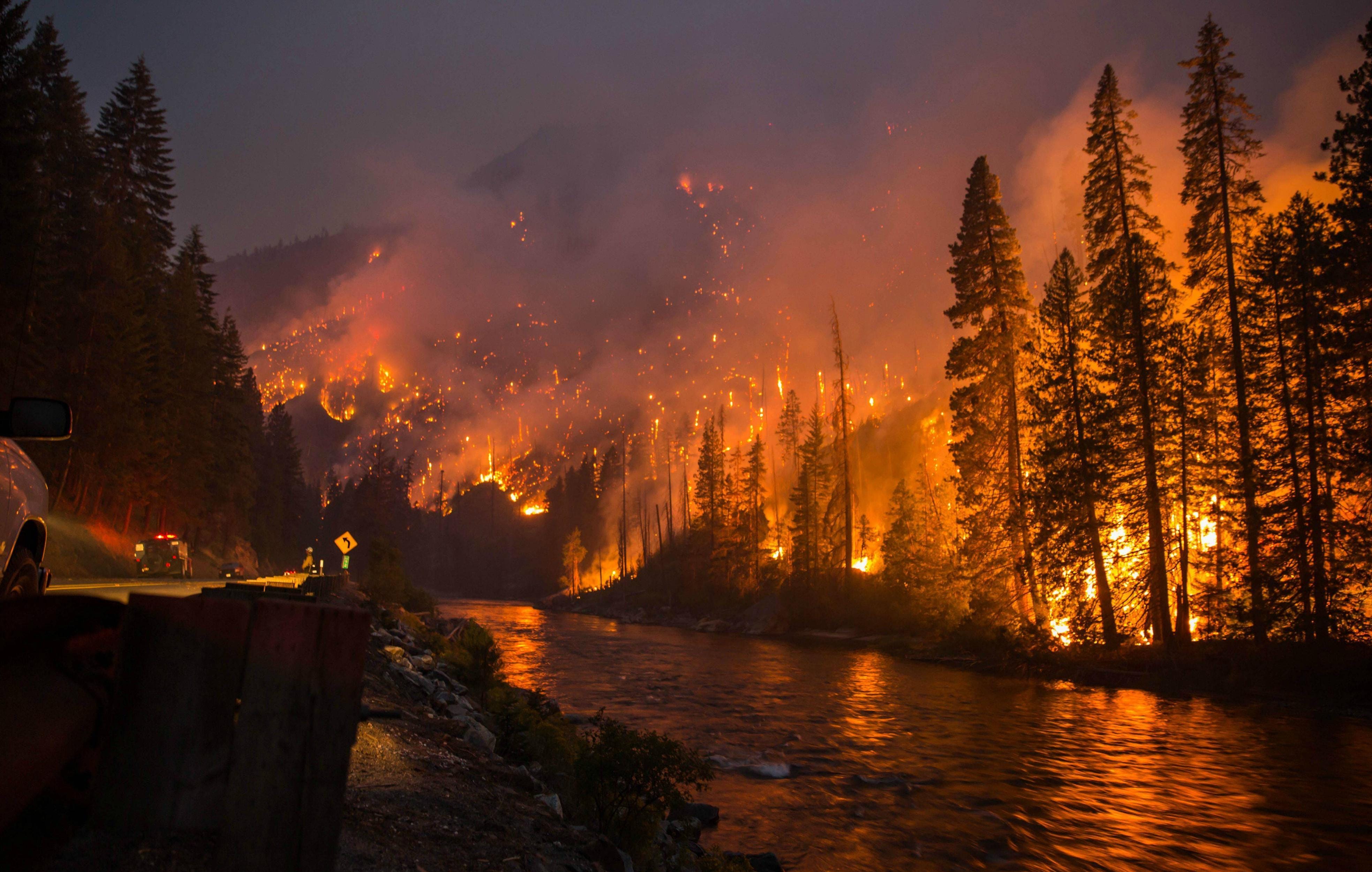
In recent years, we’ve all been horrified by news of increasing wildfires, but between 2002 and 2021, global burned area fell 26%. The horror mostly comes now that humans are being exposed to more wildfires, because settlement near wild lands and climate change makes fires easier to encounter and start - but ignores how they’ve also gotten easier to stop. Science
The Democratic Republic of the Congo has outlawed the capture, killing, sale and transport of African Grey parrots, often called the smartest birds in the world. How smart? Alex, an African Grey got a New York Times obituary after asking existential questions, learning over 100 words, and co-starring with Alan Alda on PBS’s “Look Who’s Talking.” Native to the DRC, they’re one of the world’s most threatened parrot species, and this legislation, prompted partly by the pet trade, hopes to give them breathing room. IFAW
The US government’s anti-EV stance is having unexpected consequences, as sub-$100 leases pull new drivers into US EV market. Automakers are slashing prices to lock in sales, creating a rush that could accelerate adoption, expand the used-EV pipeline, and sustain market momentum beyond subsidies. Meanwhile, worldwide electric vehicle sales jumped 27% through July driven largely by demand in China and Europe. Expect Chinese demand, in particular, to continue increasing thanks to innovations like chargers that can fully recharge your car in five minutes (yes, really).
Peru has created the San Pedro de Chonta reserve in Huánuco, protecting 519 km² of Peruvian Yungas, páramos and Marañón Dry Forests. The area shelters 131 orchid species, 296 birds, 29 mammals and 570 plants. It also safeguards the headwaters of three rivers and 39 high-altitude lagoons, ensuring clean water for over 40,000 people. Andes Amazon Fund
Global childhood leukaemia deaths have fallen sharply since 1990. This is really good news: leukaemia is the most common cancer in kids, accounting for between one quarter to one third of all childhood cancer cases. A new analysis finds the global mortality rate fell from 3.35 to 1.38 per 100,000 children between 1990 and 2021 (a 59% decline), with the greatest reduction (70%) observed in children aged 2 to 4 years. BMC