

348: Wildfire. AIDS. Recess. Yellowstone to Yukon.
The most charismatic object in our corner of the universe.
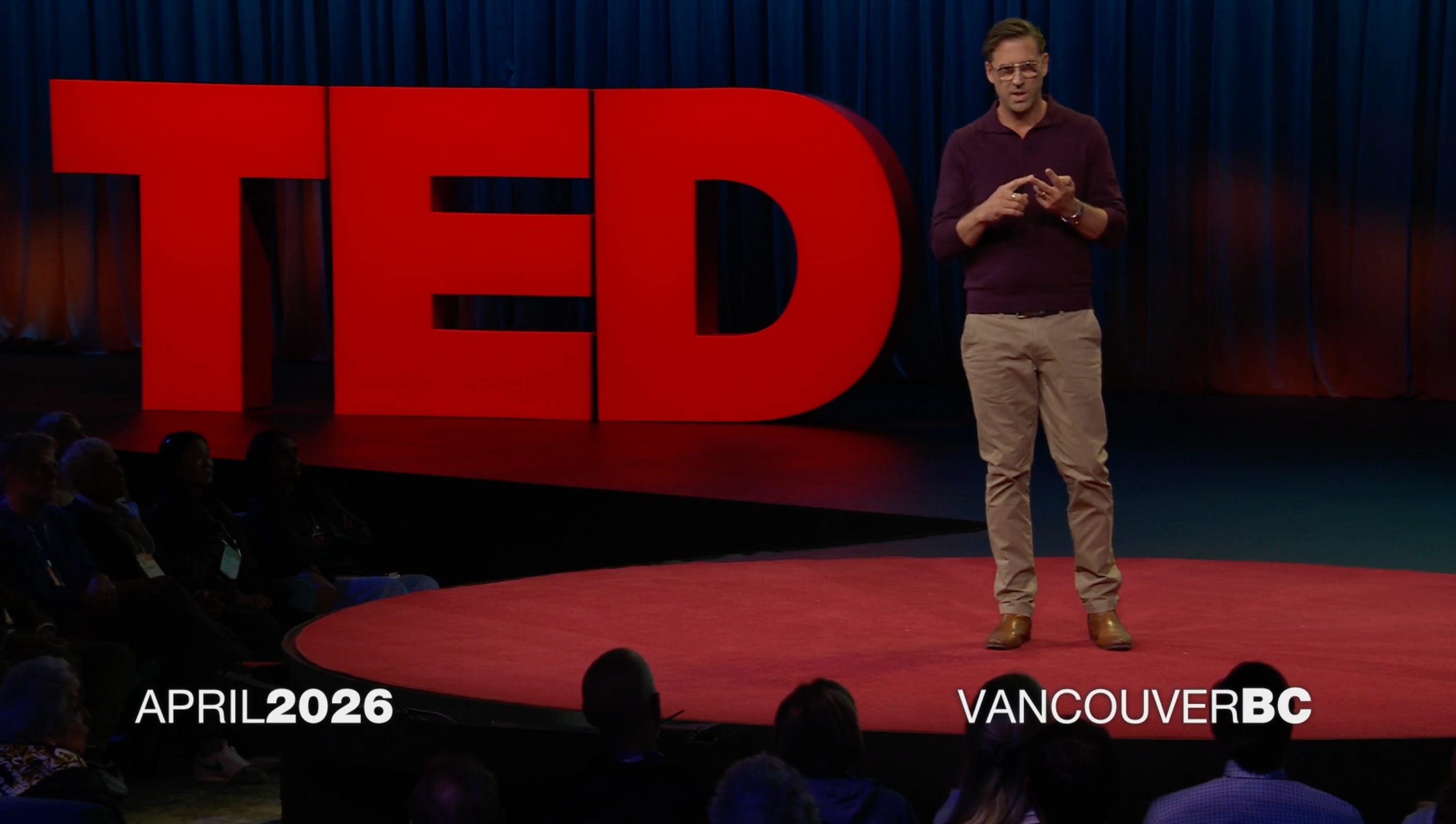
Hi everyone it’s Gus, I want to share a talk from the session I helped curate at TED this year. In my introduction I put a question to the room: what does it actually take to change the world? One person with an unbendable will, or the slow, grinding work of systemic change? Felix Brooks-Church I think, represents both.
Some of you will know Felix from our podcast. He works on food fortification, the unglamorous yet wildly effective trick of putting iron, folic acid, zinc and vitamin A into staple foods. Most of us take this for granted, but three billion people around the world live with what he calls hidden hunger: bellies full of starch, bodies starved of everything else. To solve this Felix invented a dosing machine that bolts onto the village mills that feed entire nations.
He's straight out of central casting for the lone inventor, a guy who literally dragged his machine across borders to convince millers to use it. And yet you’ll see he starts his talk with everyone else, the farmers, the regulators, the all-African team around him, his peers working on a different part of the problem, because he knows his machine is just one node in a much bigger system.
The impact his organisation Sanku has had is unbelievable. We first met Felix in 2023, when we helped put two of their machines into mills in Kenya. Back then they were already reaching a few million people; today it’s more than 75 million across three countries, with a newly announced goal of reaching a billion within a decade. It’s one of the most inspiring initiatives we’ve ever come across. We’re honoured to have played a tiny part in bringing this story to a wider audience.
This week’s top stories
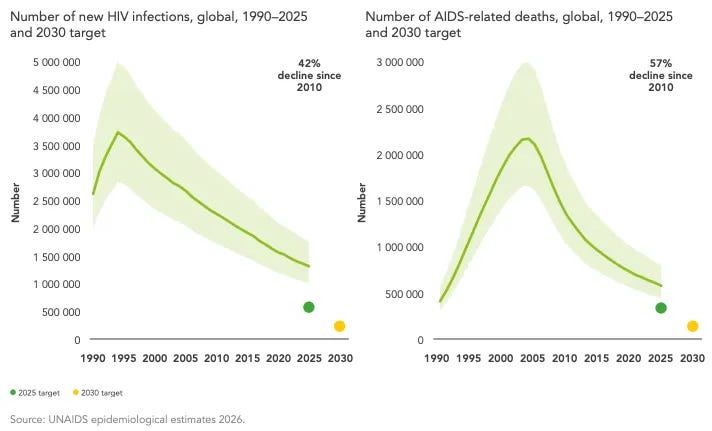
HIV infections and AIDS deaths down to their lowest level in 30 years. UNAIDS counted 1.2 million new infections last year, down from a peak of 3.3 million in the 1990s. There were an estimated 570,000 deaths in 2025, down from roughly 2.1 million in 2004. New forms of prevention are coming - lenacapavir gives people almost perfect protection, and researchers believe mRNA is close to delivering a working HIV vaccine. Everyone is worried about money though: international funding fell 18% last year. UNAIDS / Vox
Indonesia has gone from aid recipient to aid donor. Six decades after the World Food Programme first fed families in Bali in the wake of a volcanic eruption, Indonesia has cut child stunting to below 20% and reached self-sufficiency in eight staple foods. The world’s fourth most populous country is now a donor, funding WFP operations in Gaza, Afghanistan and beyond. WFP
Oh, and Indonesia’s free school programme, started 18 months ago, now reaches 62 million people, more than 20% of the population. Since its launch it has distributed 8.3 billion meals in over 370,000 schools and engaged more than 1.28 million workers in meal preparation and distribution, while involving over 142,000 suppliers, enterprises, cooperatives and village-owned businesses. Budget cuts are coming in, but it’s still one of the greatest feeding projects on the planet.
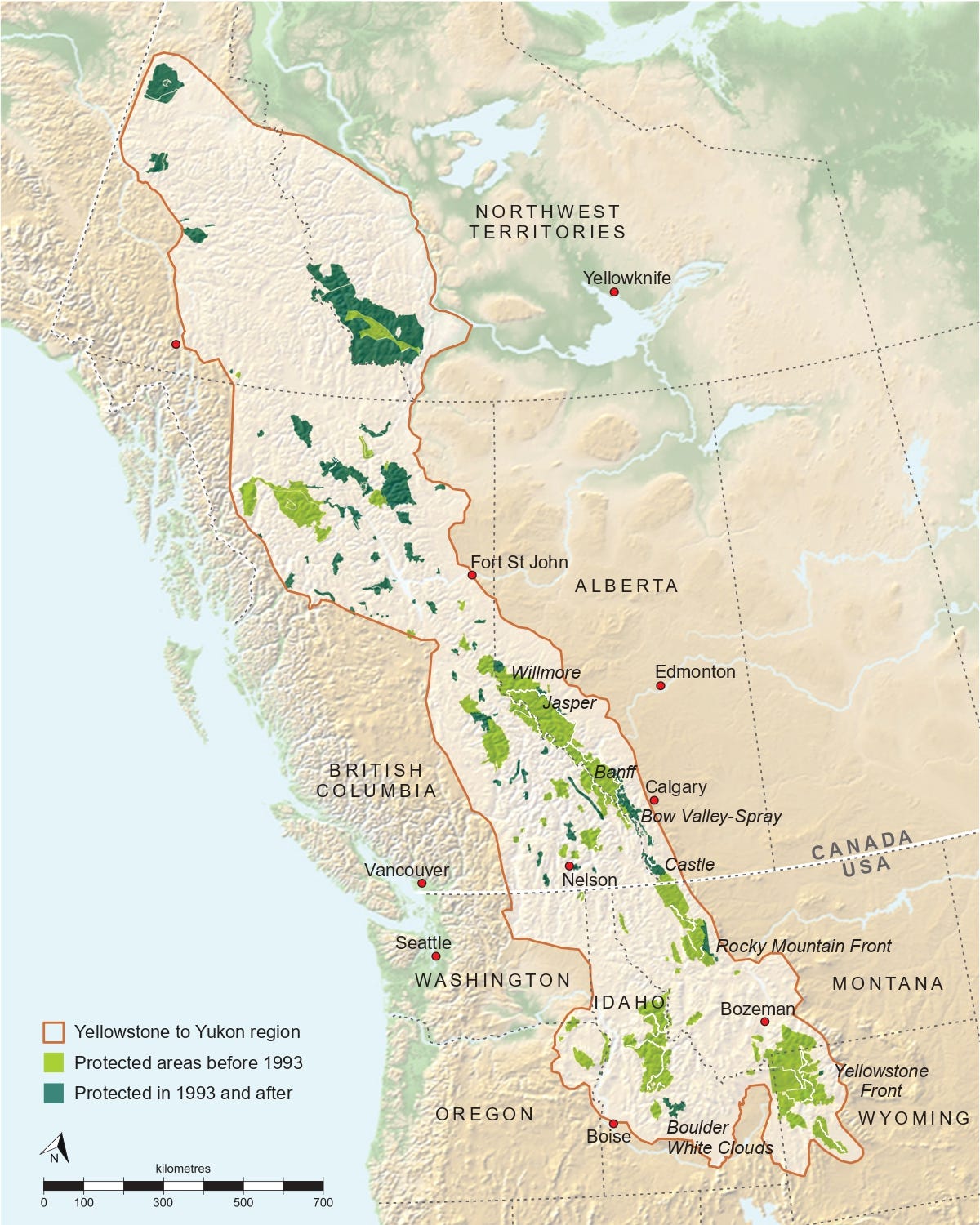
The Yellowstone-to-Yukon initiative is creating a giant connected area stretching from Wyoming to Canada’s Yukon Territory. This continental effort to reconnect wildlife isn’t a single, giant swath of untouched wilderness: It’s a mosaic of fragmented lands and protected parks which functions only if micro-choke points are fixed. Mongabay
What does it take to build a “corridor” that stretches 3,400 kilometers (2,100 miles) and spans five U.S. states, two Canadian provinces and at least 75 Indigenous territories? It requires a mosaic of projects that range in scale and approaches, taking a “hearts and lands” approach. It’s a question of building connections between different partners, learning from centuries of Indigenous stewardship — and using science to inform decisions that work for both wildlife and humans. And most of all it requires learning about what’s needed, what works and sometimes, what doesn’t.
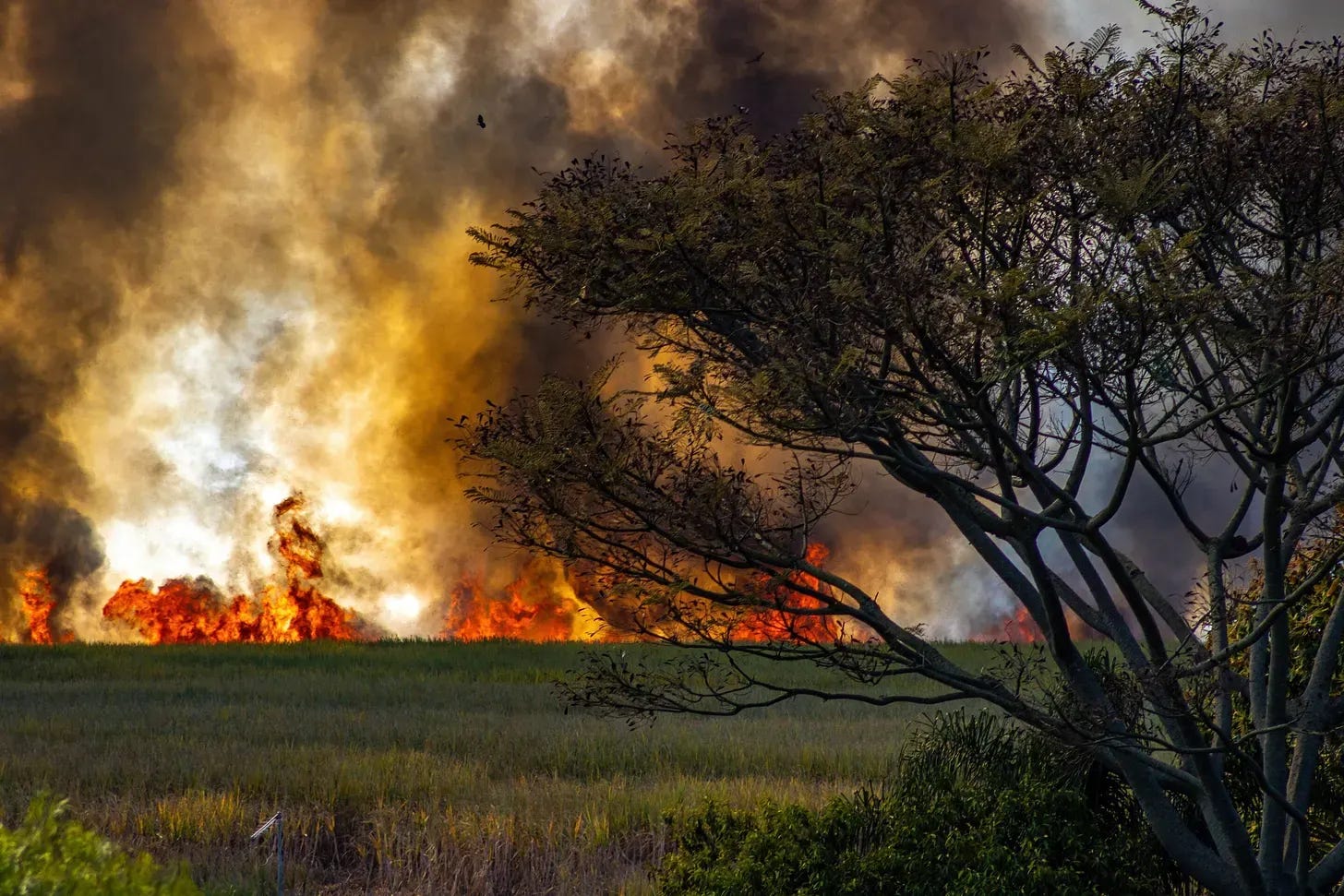
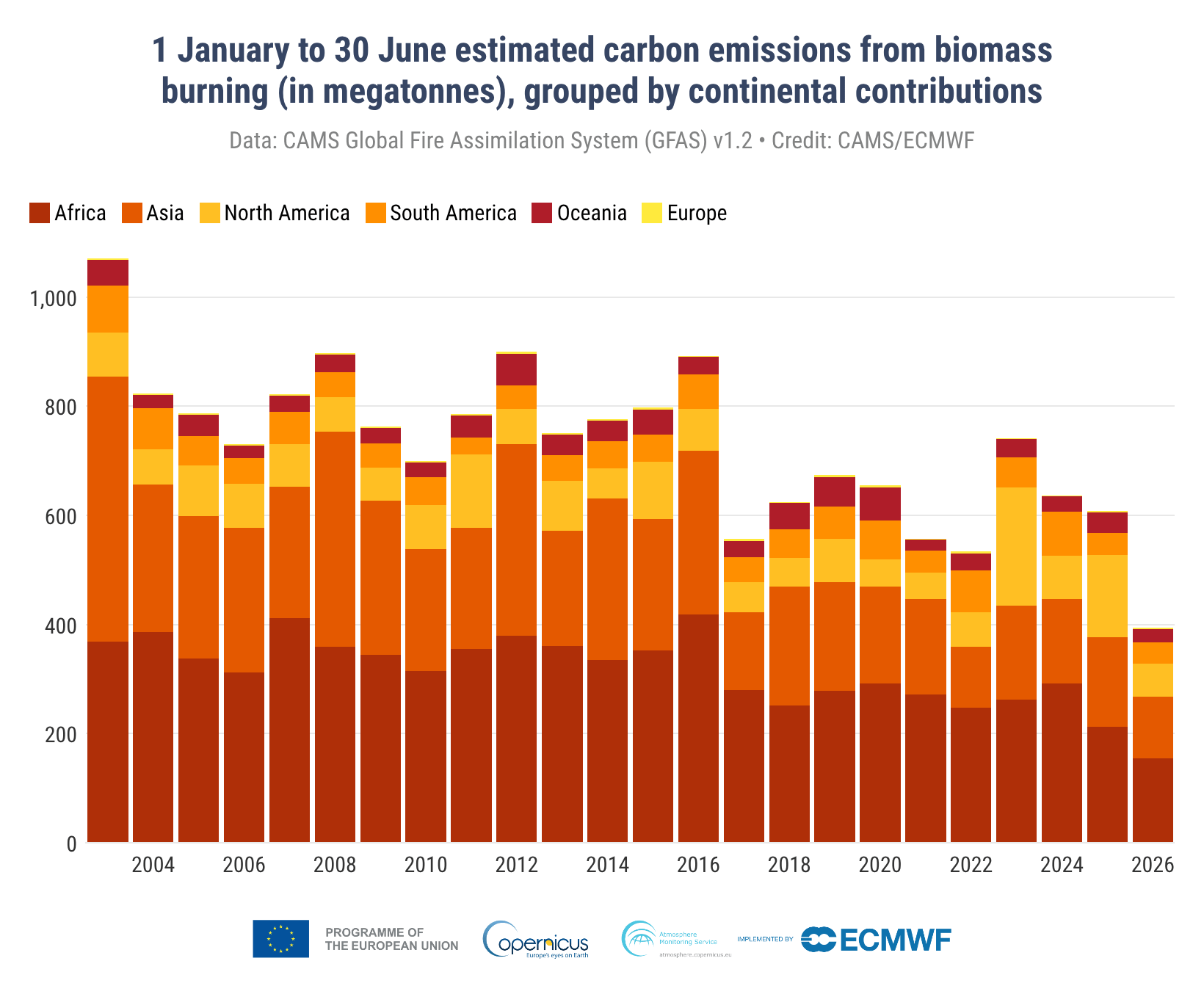
Global wildfires are at their lowest level ever recorded. Fake news, surely? It feels like the whole world is in flames at the moment, but the opposite is true. Carbon emissions from wildfires in the first six months of this year fell to their lowest level since records began 25 years ago, down by roughly half from their early-2000s peak. It’s because Africa and Asia produce three-quarters of the world’s fire emissions and there are no cameras rolling on the steppe or the savanna, where a very different story is playing out.
The vast, seasonal grassland burns that dominate the global total have been shrinking, and two forces are behind it. One is people: croplands spreading, roads slicing the land into firebreaks, livestock eating the grass that used to feed the flames. The other is rain. Across Africa the dry season is starting later, with the rains persisting weeks into the burning window. In northern Africa, where most of the burning happens, the dry season’s arrival has slipped by nearly two days a decade.
The caveat is that climate change is driving bigger and more destructive fires in Europe, Canada and the United States, and El Niño could make things far worse. Climate change is a complex beast though: the same warming that’s stoking conflagrations in richer countries is damping fires down in poorer ones. For now, the number that actually matters - the one that tracks how much of the planet is really burning - is heading in the right direction.
Worth keeping in mind when you’re watching the news.
The Very Good and Very Bad News on Climate
“One of the dimensions I find interesting in this conversation and in your work is this new story that’s emerging that, yes, there is this terrible calamity building and currently unfolding. But also there is this way to solve it that is moving toward a future that is better, not just because of the absence of catastrophe, but because of the presence of new possibilities.
Absolutely. We don’t know how prehistoric people thought about the world. Being prehistoric, they failed to write it down. But we know that every pile of rocks that they built, anything like Stonehenge, aligned with the equinox or the solstice. We know that the minute we started making myths on this planet, culture after culture, the very first thing people had to explain was: How does this thing rise over here in the morning, set over here in the evening and get back over here next morning?
The sun is the most charismatic object in our corner of the universe.”
☝️ Read the whole thing (It’s Ezra Klein and Bill McKibben). Everything you need to get a great picture of where the global energy transition is at right now.
The EU is taking on fast fashion, banning retailers from destroying unsold clothes. From 20 July, companies with more than 250 staff can no longer bin or incinerate unsold clothing, footwear and accessories, and must sell, discount or donate them instead. Hundreds of thousands of tonnes are trashed across the bloc each year, much of it fast-fashion returns. Firms must now report what they discard; the rule will apply to mid-sized companies in 2030. DW
Seven new natural wonders just joined UNESCO’s World Heritage list. UNESCO has inscribed seven natural and mixed sites recommended by the IUCN, including South Sudan’s Boma-Badingilo landscape, where six million antelope form the largest land-mammal migration on Earth, Jordan’s heat-resilient Aqaba corals and Greece’s Mount Olympus also made the list, alongside an expansion of China’s Yellow Sea bird sanctuaries. WION
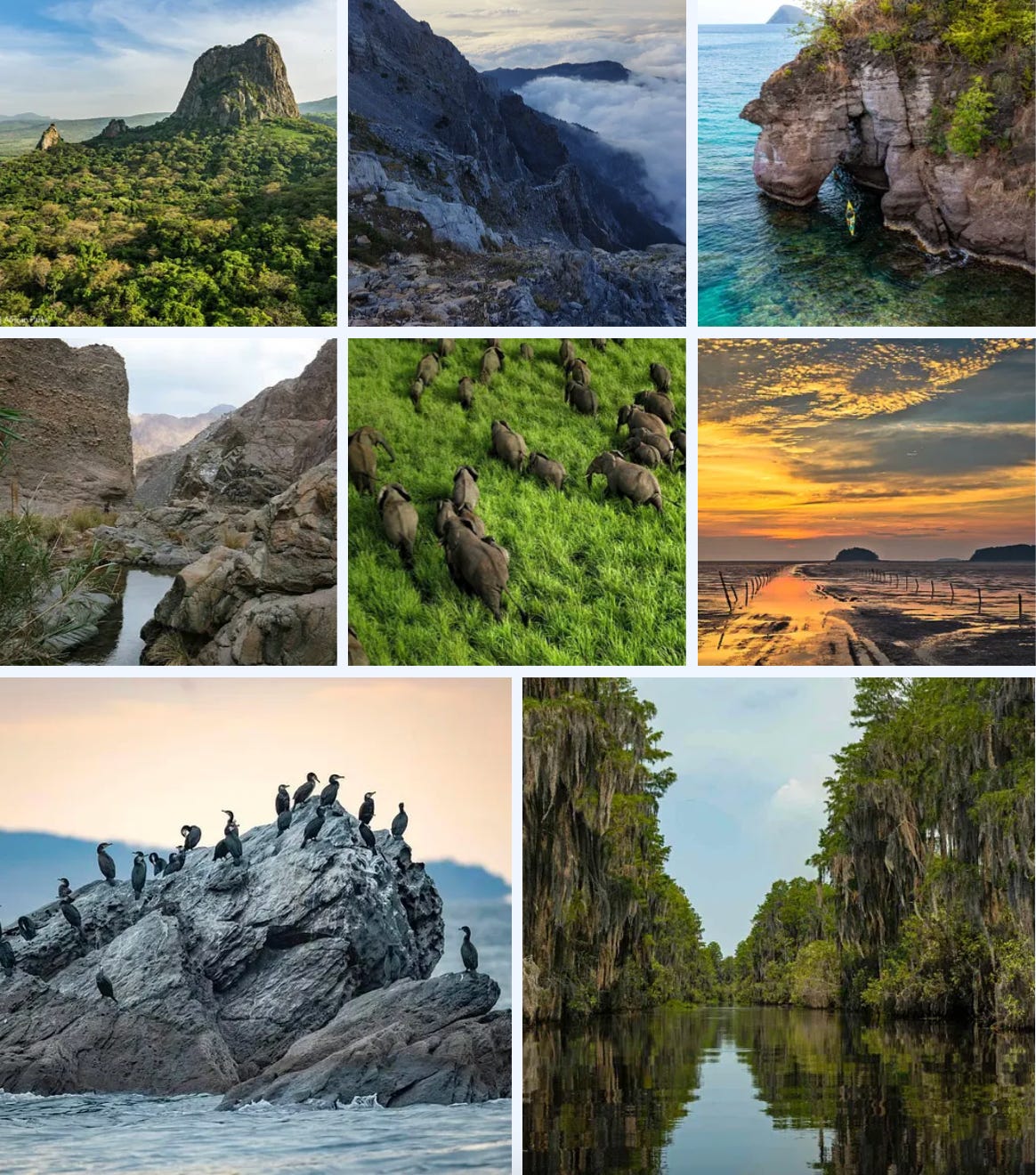
One of those new wonders - the Okefenokee - very nearly became a titanium mine. After a six-year fight the Conservation Fund bought roughly 3,200 hectares of Trail Ridge and its mineral rights on the edge of Georgia’s great blackwater swamp, ending Twin Pines Minerals’ plan to dig for titanium. The $60 million purchase protected 422 species and the headwaters of two rivers: now it’s a World Heritage site. “A once-in-a-generation environmental win.” Inside Climate News
American parents are winning back recess. After decades of shrinking break time in favour of more learning, states including Tennessee and Oklahoma have passed laws mandating at least 40 minutes of daily recess, and a parent-led campaign now runs in 20 states. Paediatricians approve: play, they argue, is where children learn to be people. WSJ
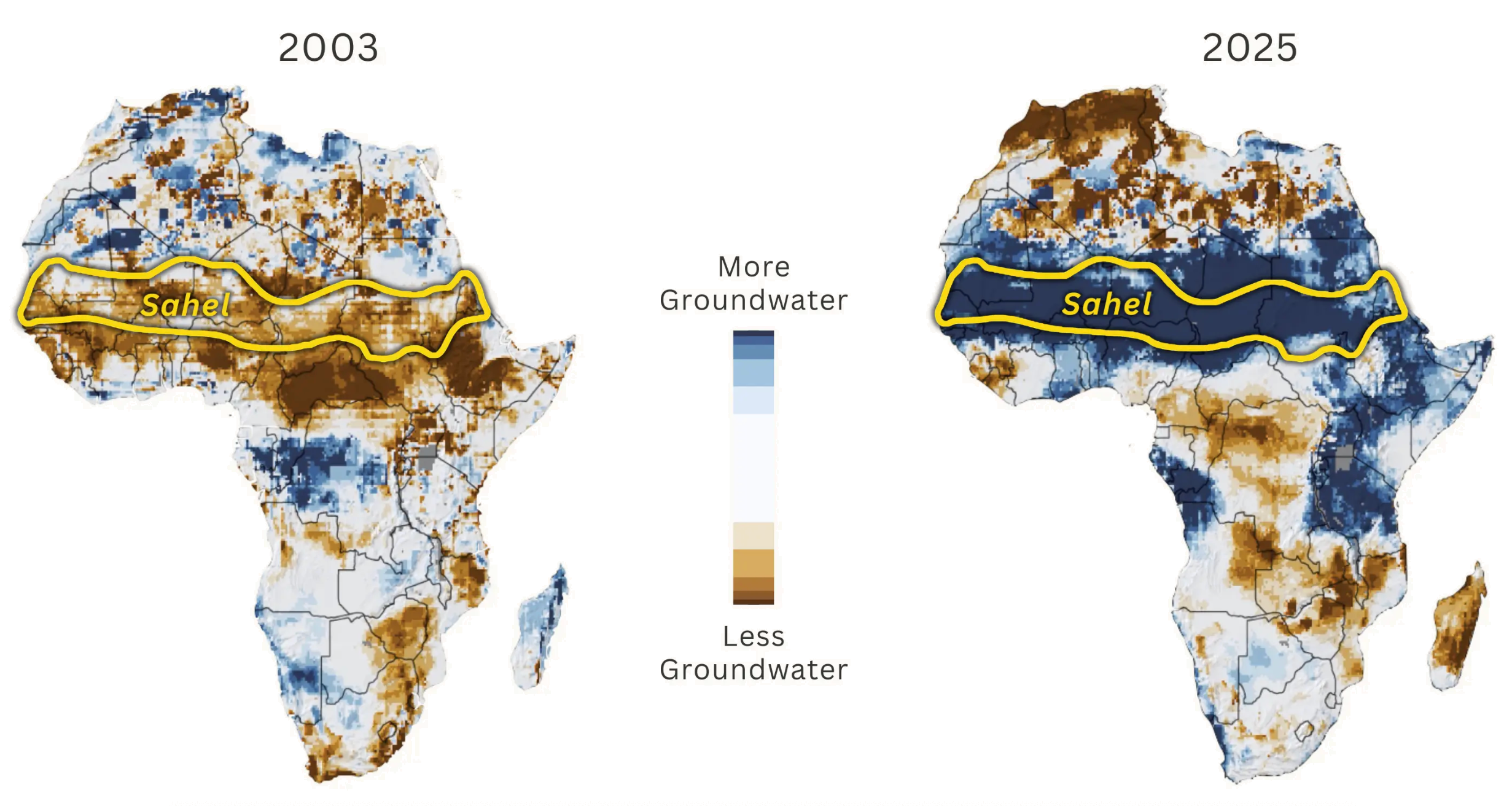
Water is returning to the African Sahel. After the catastrophic droughts of the late 20th century, aquifers from Senegal to Ethiopia are refilling, water tables in Niger have risen four metres, and Lake Chad has swollen to ten times its mid-1980s size. Revived rainwater-harvesting (which you know about because we covered it in our Great Green Wall piece last week) is driving the shift, as are stronger rains brought about by climate change (see this week’s wildfire piece). Near-extinct scimitar-horned oryx now number over 600, and farmers have nurtured 200 million trees back onto once-bare fields. Yale E360
That’s the free stories for this week. Paid subscribers get the rest, including more about those six million antelope in South Sudan, hidden from view by decades of civil war until now. Also, the usual sections on Human Progress, Conservation, Climate & Energy, and the rest of Science.
A few thousand readers cover the cost so the rest don’t have to, and 30% goes straight to the people doing the work in these stories. If we’ve earned a place in your week, you can join them here.