

347: Public media must not lie. Battery bestiary. Green walls. Less hunger.
The work that lies ahead is immense.

Have you ever heard directly from anyone who actually lives in Gaza? In our screen-glazed world most of us have spent the last few years forming opinions about what’s happening there based on the reporting and explanations of other people, letting pixels, posts and headlines handle the heuristics. No judgement, that’s just how it is, it’s how we’ve all been consuming the news. Very few of us have the time, inclination or opportunity to speak to real people on the ground.
So when we were introduced to Tala and Farah Mousa, two teenage sisters from Gaza, we knew straight away we wanted to get them onto the podcast. They’ve started a project called Build Hope, turning the rubble they’re surrounded by into reusable bricks to help rebuild their community. Maybe you’ve got some strong feelings about who’s responsible for all that rubble, but after speaking to them, it was obvious they don’t get that luxury. They just have to survive, and try fix what’s broken.
You can listen to the episode over here, wherever you get your podcasts.

Build Hope is our next charity partner too.
Next week we are sending Tala and Farah $20,000. That’s possible because of all our paying members. The money will go directly to them, to their parents’ bank account, no facilitation fees, no middlemen, and will double a donation from the Earth Prize.
If you’d like to add to this donation you can do so right here. It’s tax deductible if you’re in the United States and Australia.
Ok we’re making this week’s edition full edition available to everyone. Let’s get into it.
This week’s top stories
Two great green walls are pushing deserts back on opposite sides of the world.
In 1978, China started its Three-North Shelterbelt Program to hold back the expansion of the Gobi desert. In 1981, tree planting was made a legal civic duty (right up there with paying taxes) and work units, schools and factories set about organising mass tree planting days. What got planted? Willow and poplar. Fast-growing, poorly suited to the climate, water hungry. Local groundwater got drawn down. Nearby crops suffered. Pests destroyed the saplings. The trees that were planted got counted while survival rates were ignored; when that wasn’t enough, the numbers were faked.
Failure, right? Except, people learned. Mixed plots replaced monocultures with more suitable, climate-adapted trees and the government started paying local farmers to keep plantings in arid areas alive. The now-famous straw checkerboard technique was widely adopted, and the deserts started being pushed back. Fast forward to today, and China’s desertified land has shrunk by around 10% since 2000, and severely desertified lands have decreased by more than 40%. A cumulative 320,000 km² has been restored, equivalent to the size of Italy. It’s the greatest land restoration project of all time and we’re still waiting to see someone write about it in the New York Times.
In 2007, the African Union announced that Africa would build a Great Green Wall to hold back the Sahara. Predictable failures soon after. Unsuitable trees planted in the wrong places, local residents unconsulted, lots of publicity about plantings with no one invested in the saplings’ ultimate survival. Years later, satellite images show sparse or no cover in places where lots of trees were planted. The same verdict: the project has been an abject failure.
Except, maybe not.
Like in China, people have been learning, mostly smallholders who’ve been doing the work on the ground. Niger’s farmers have shown, since the 1980s, that many degraded landscapes are less dead than they look. Root systems from felled trees survive underground: prune the shoots that come up, protect them from grazing, and you get an ‘underground forest’ back at very little cost. Lessons are being exchanged with China, indigenous zaï pits and demi-lunes are catching scarce rainwater, tree species are being picked that provide shade as well as food or fodder, and farmers getting land tenure.
What’s happening now isn’t as photogenic as a tree-planting day, but slowly, in its own way, it appears to be working.
Syria is also planting trees, restoring forest cover lost to war and wildfire, and so far they’ve avoided Africa and China’s biggest early mistakes: they’re replanting mostly native, climate-adapted trees that locals like and find useful (bay laurel, carob, olive, stone pine), and are trying to tackle the fuel poverty that drove much of the illegal logging in the first place - permitting legal wood harvesting and providing locals with subsidised firewood from forest thinning.
There are ways the program could be stronger: actual land tenure, long-term plans to protect new plantings, stronger measures against fuel poverty. And forest fires are still burning through the same zones being replanted. Still, Syria’s stepping in the right direction, and starting with native species and local buy-in is a better starting point than either of the bigger green walls managed. NoonPost / KaramShaar / TRT
The world is closing in on trachoma, the leading infectious cause of blindness. Seven more countries have eliminated it in the past year, including Egypt, Australia and El Salvador, taking the total to 32. The number of people needing antibiotics and hygiene programmes has halved in a decade, from 190 million in 2016 to 92 million in 2026, and the associated painful, blinding eyelid deformity has fallen from 2.8 million cases to 1.2 million. WHO
👆 29 countries left to go, including Ethiopia, which carries two-thirds of the remaining burden.
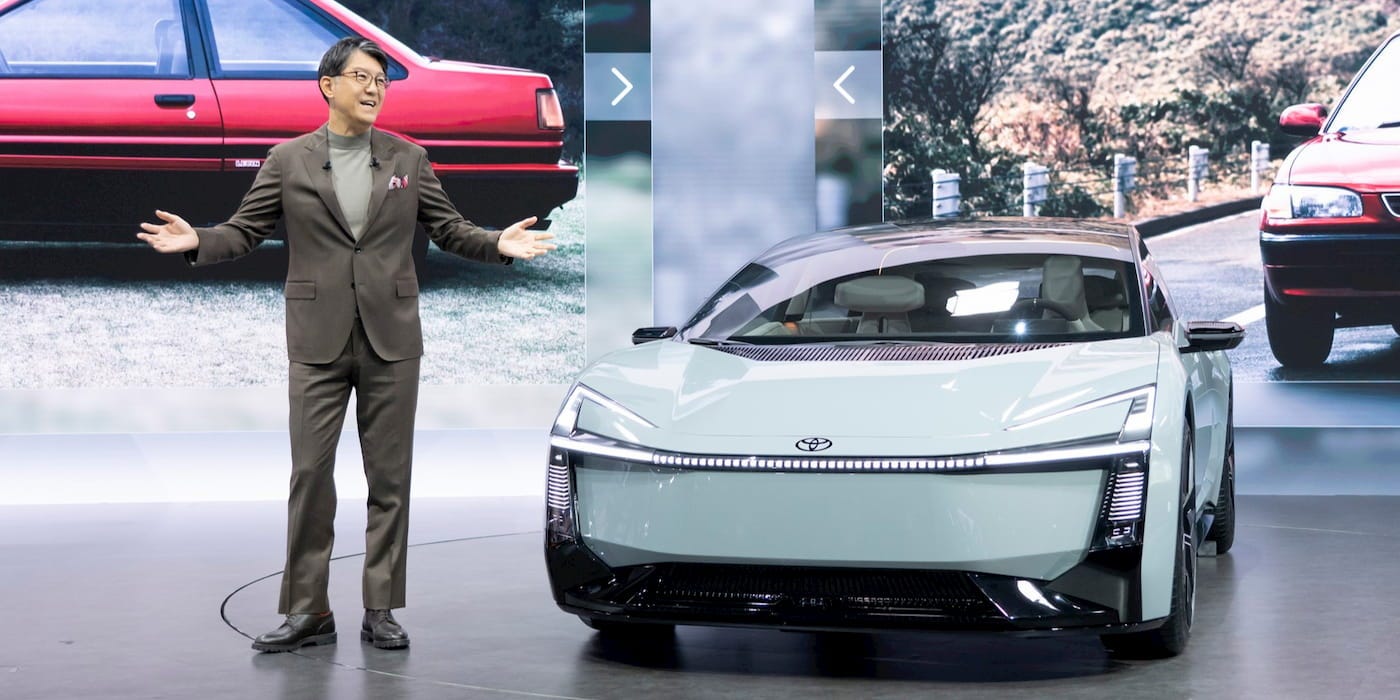
The best-selling car of all time is going electric. The Toyota Corolla (57 million sold in 60 years, more than any car in history) will launch on a new platform built for battery power. A fortnight ago we shared that Toyota’s chair, Akio Toyoda, felt lonely defending the combustion engine. He now admits to “a considerable sense of crisis” as Chinese makers and Tesla pull ahead. Electrek
Thailand is opening up its electricity market, which is good news for clean energy. New rules let businesses buy renewable power directly from generators through third-party grid access, add a 1,500 MW community-solar programme and cut household tariffs. It’s the first slice of a US$6 billion transition plan covering rooftop solar and a switch to electric buses, tuk-tuks and delivery vans. Reuters
The world’s first giant anteater reintroduction appears to be succeeding: more than 200 giant anteaters now live free in Argentina’s Iberá wetlands, from a stock of 110 orphaned animals that Rewilding Argentina began releasing in 2007. By the mid-20th century, giant anteaters, locally called yurumí, had disappeared from the region, due to poaching, fires and habitat destruction: the reintroduced anteaters from the 2000s are now self-sustaining and have started attracting wildlife tourists. Noticias
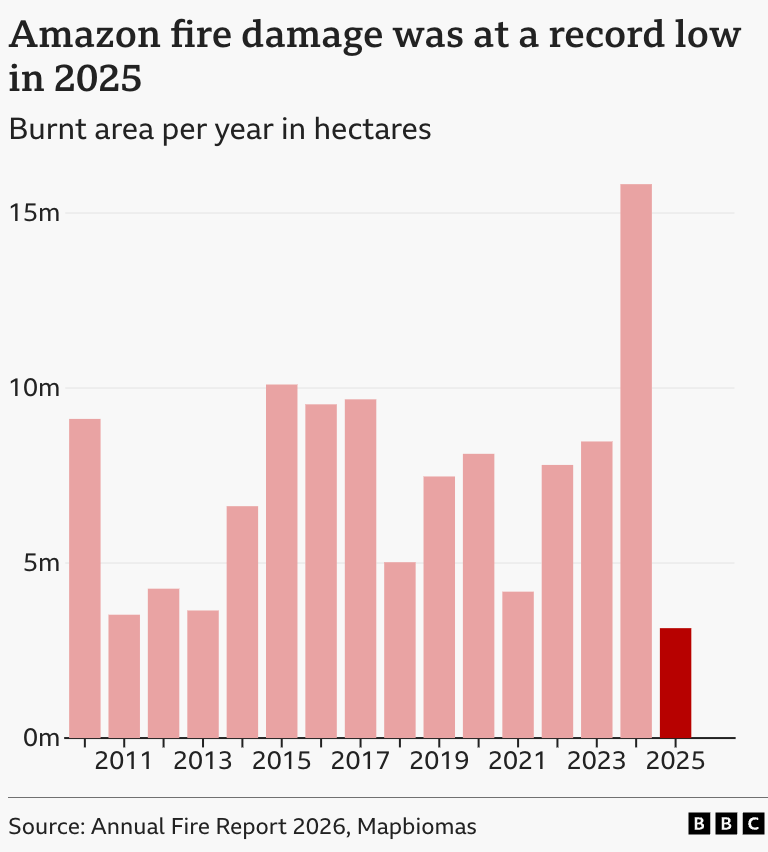
Everything is terrible and the worst and also the Amazon rainforest just saw its lowest fire year on record, and deforestation has hit a ten-year low. MapBiomas counted 31,000 km² burned in 2025, down from 158,000 km² in 2024 and the smallest area since records began in 1985. Meanwhile, satellite data from the space agency INPE shows only 1,295 km² cleared in the first half of 2026, a 38% drop year-on-year. BBC / Mongabay
A 258-spider race found the world’s fastest spider. The jungle huntsman spider of Queensland, Australia, is officially the world’s fastest spider, sprinting 3.59 metres per second, faster than the average human jogger. A mixed German-English team of researchers tested 258 spider species by making them run across a gridded surface while cameras clocked them. Some ran willingly. Others required some gentle coaxing with a paintbrush. Tarantulas, notoriously lazy, required compressed air. Hunting spiders ran faster than web-building spiders, and longer legs generally meant faster running, but there were exceptions: the orange goblin spider, which weighs 0.1 milligrams, moves at over 20 centimetres per second. VICE
Hungarian state television stopped broadcasting, and then apologised for lying. On the 8th of July 2026, M1 and the Kossuth radio station suspended news output as the government began dismantling the propaganda apparatus that Viktor Orbán built over 16 years. The screen carried a plain white-on-black message:
Public media must not lie. We apologise for having done exactly that for many years! Public media is now being transformed so that in future it will be independent and credible. News service is temporarily suspended. Stay with us!
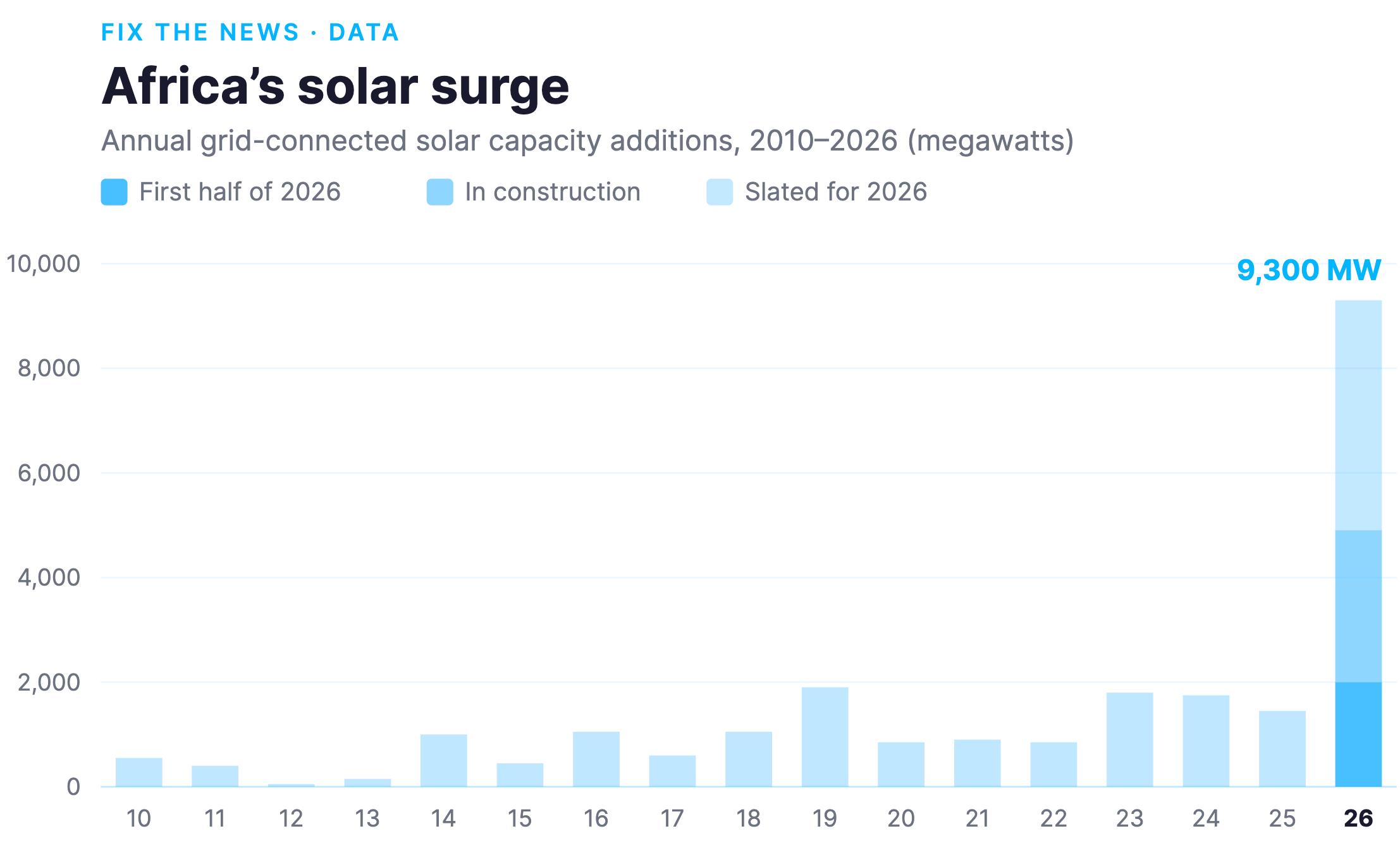
Africa is smashing all the solar records. The continent installed more grid-connected solar in the first half of 2026 than in all of 2025, and with projects under construction the year could finish at triple the previous record. That’s just official figures too - they don’t account for all the panels going up on roofs, mines and farms. African Energy
Offshore wind is now competitive with fossil gas and cheaper than new coal, according to an analysis of 247 projects across 18 countries. New projects in 2026 are landing at US$40–50 per MWh, as turbines scale to 18MW and purpose-built installation ships drive costs down. CleanTechnica
Micronesia’s scattered islands are a challenge to internet providers, and only 2% of the country was online in 2014. Now that number’s hit nearly 40%, thanks to 1,500 kilometres of fibre-optic cables laid and laws that broke a stifling telecom monopoly. Entry-level fixed broadband prices have dropped by 99%, from $65 to $0.78 per Mbps per month, while mobile broadband prices fell by 96%, from $705 to $30 per Mbps per month. World Bank
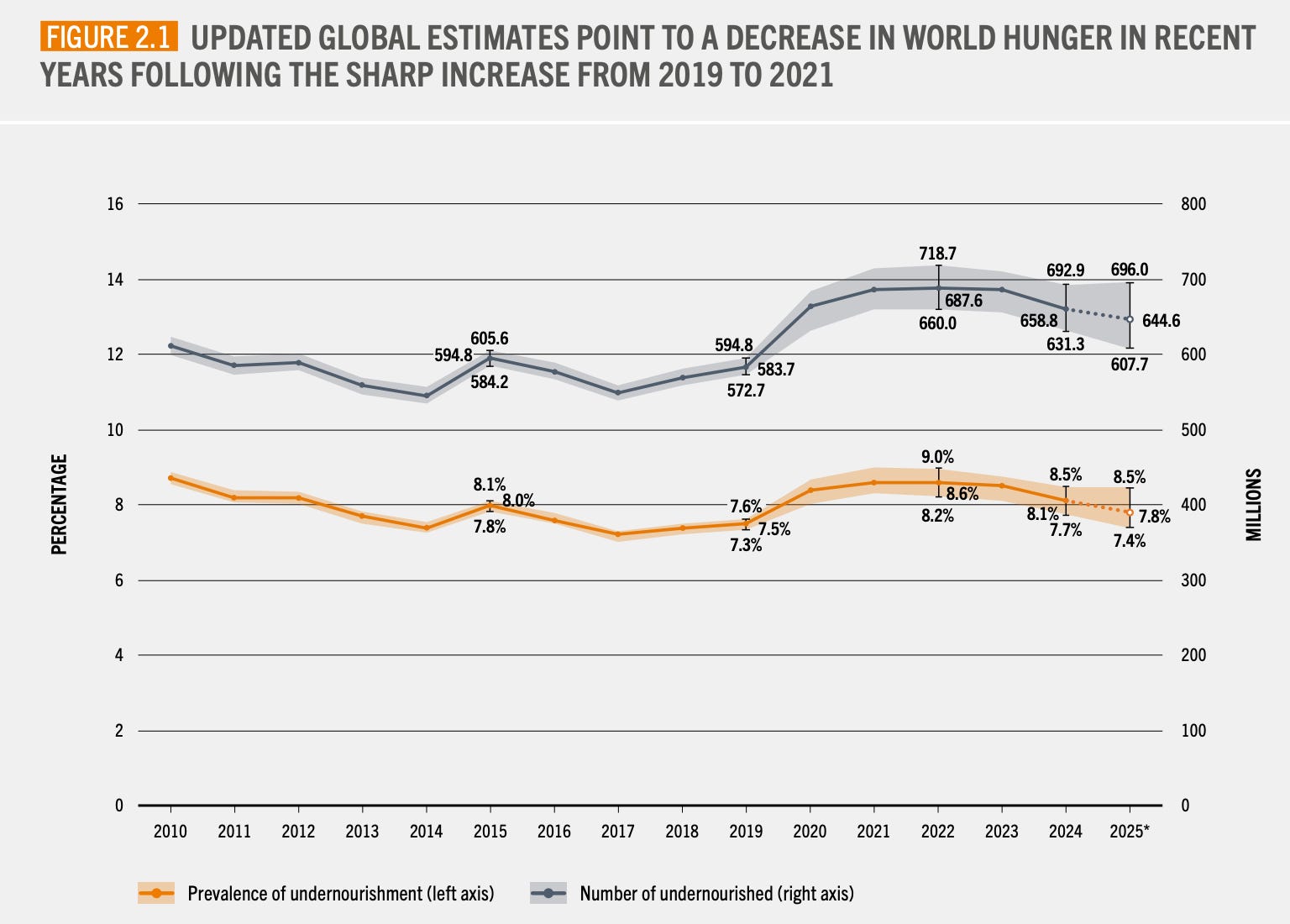
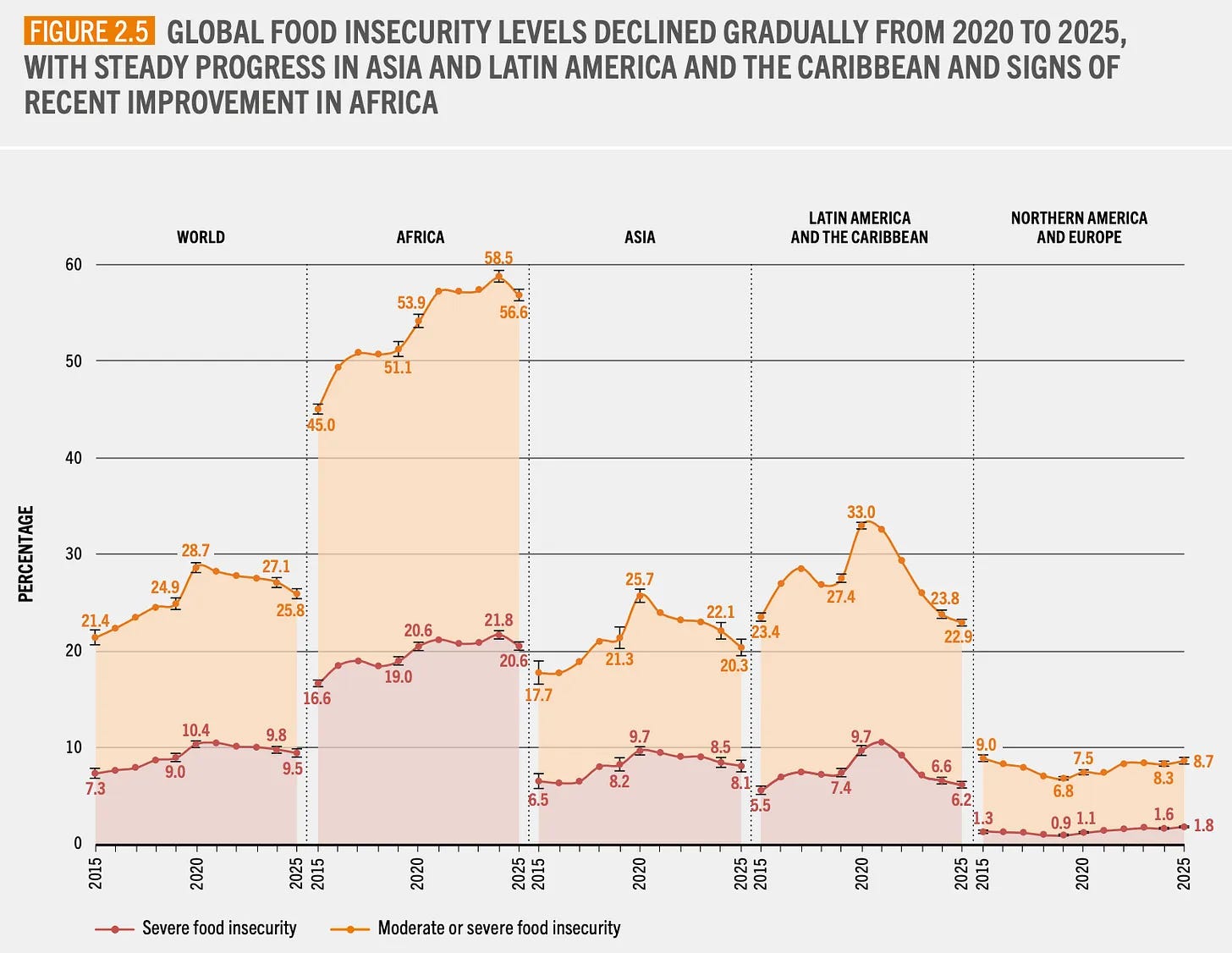
Global hunger fell for a third year running in 2025. The United Nations puts 645 million people below the hunger line, 7.8% of the world, down from 8.6% in 2022 and 14 million fewer than in 2024. Asia and Latin America drove the gains; Africa, home to 309 million hungry people, is only just beginning to stabilise. WFP
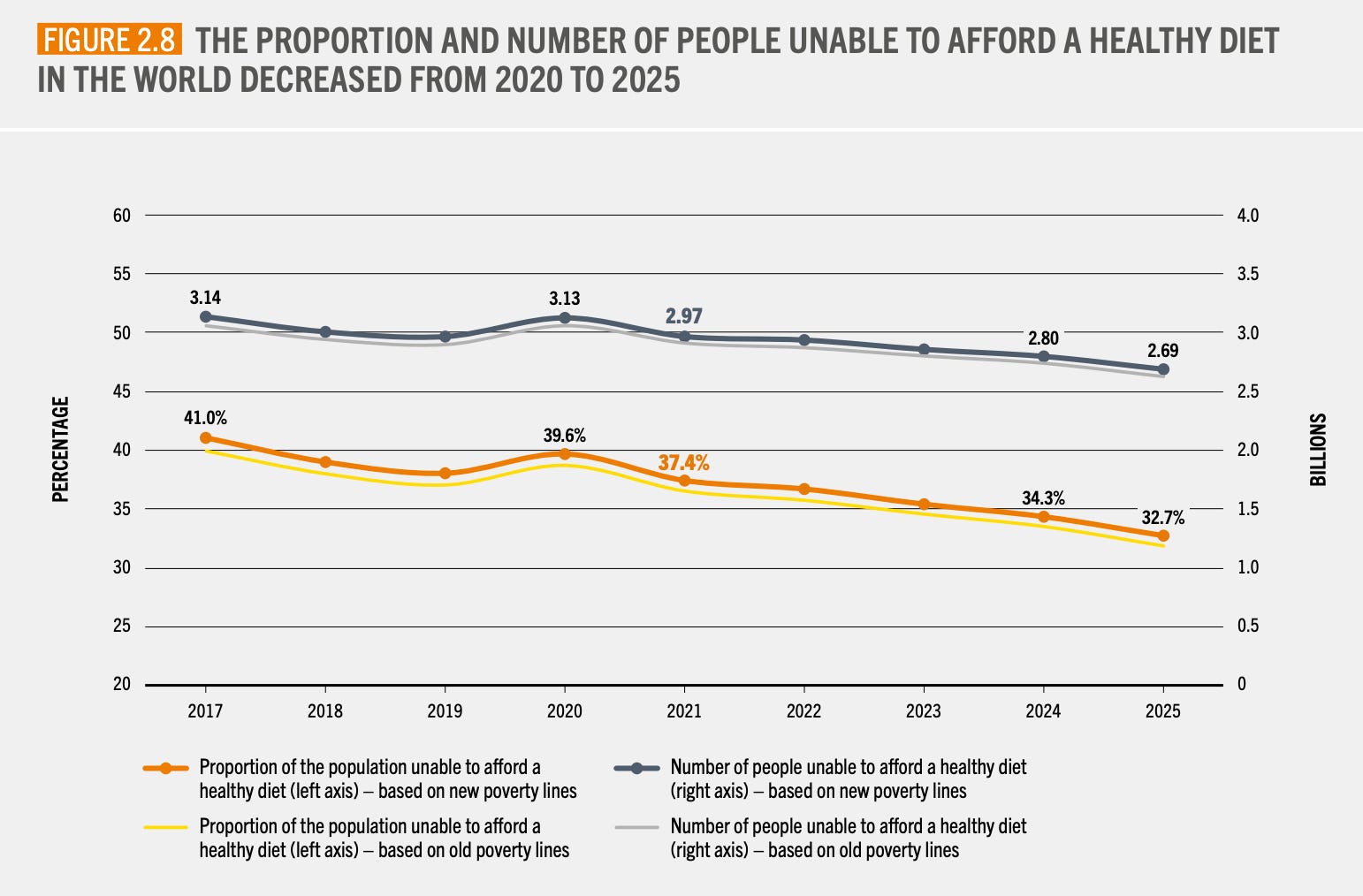
The work that lies ahead over the years to 2030 is immense. However, a world in which a healthy diet is no longer out of reach for nearly one in three people is a world worth building.
Human Progress
The Philippines just made school meals universal and free for its youngest pupils. President Marcos launched a nationwide expansion covering every kindergarten and Grade 1 learner, plus undernourished children up to Grade 6, with 26 billion pesos committed for at least 180 school days. A quarter of Filipino under-fives are stunted. Produce will be bought from local farmers under a new agriculture-education agreement. Philstar
Endometriosis takes nine years to diagnose. That’s about to change. NICE has approved two tests for the NHS in England and Wales: a saliva test reading microRNA markers, and a gut-sensor test returning results in 45 minutes, sparing women the keyhole surgery currently needed to confirm a disease affecting one in ten. The wider field is moving the same way, with menstrual blood, long discarded as waste, now yielding endometriosis biomarker panels and an FDA-cleared pad that tracks diabetes. The Guardian / Reasons to be Cheerful
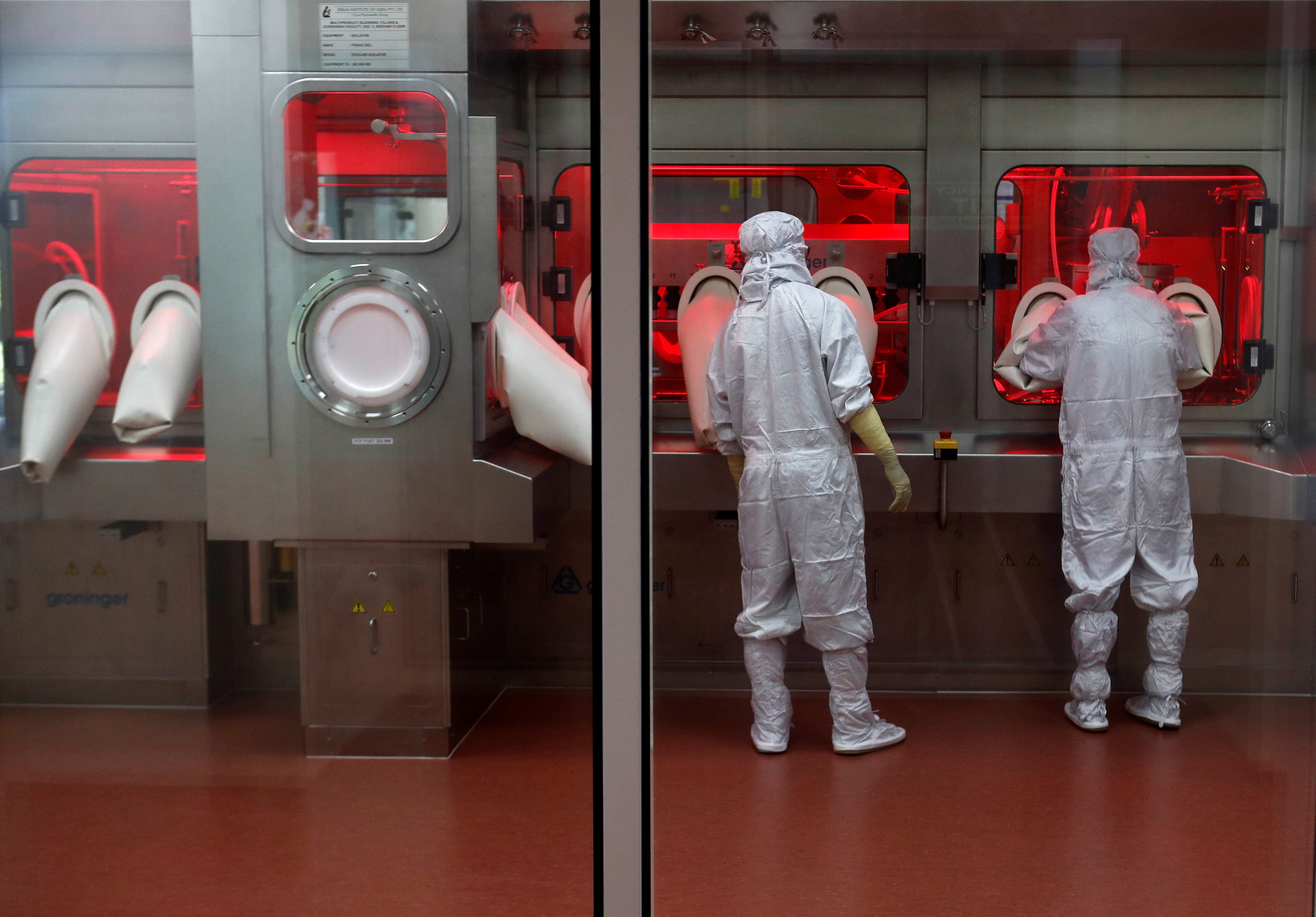
The first new tuberculosis vaccine in a century is heading for mass production. India’s Serum Institute will manufacture M72/AS01E under an agreement with the Gates Medical Research Institute, investing more than $100 million ahead of approval. TB still kills 1.23 million people a year. WHO estimates a vaccine with this efficacy profile could prevent 76 million cases and save 8.5 million lives over 25 years. Reuters
Australia is winning two prevention fights at once. Daily smoking has fallen to a record low of 5.6% of people aged over 14, down from 8.3% in 2022–23 and within sight of the 5% national target. Cervical cancer incidence hit its lowest recorded rate, and by 2035 is projected to fall to 4.2 cases per 100,000, effectively elimination. The caveat: incidence among women aged 30–44 rose 41% over two decades. AIHW / Australasian Leisure
Graduation rates at America’s tribal schools have climbed from half to four-fifths. Across the 183 Bureau of Indian Education schools, on-time graduation rose from just over 50% in 2015 to a record 79% in 2025. Some of that is better counting, since schools used to log transfers as dropouts. But the rest is real, driven by trade and career training: at Chief Leschi in Washington, rates went from 53% to 87% after the school stopped treating the trades as second best. AP
Uganda has started the countdown to the end of its Ebola outbreak. The last confirmed patient tested negative twice and was discharged on 16 July, starting the 42-day clock. The outbreak, declared on 15 May, infected 20 people and killed two, with all 836 contacts traced. The catch: transmission continues in neighbouring DRC, and a single imported case would reset the clock to zero. WHO Africa
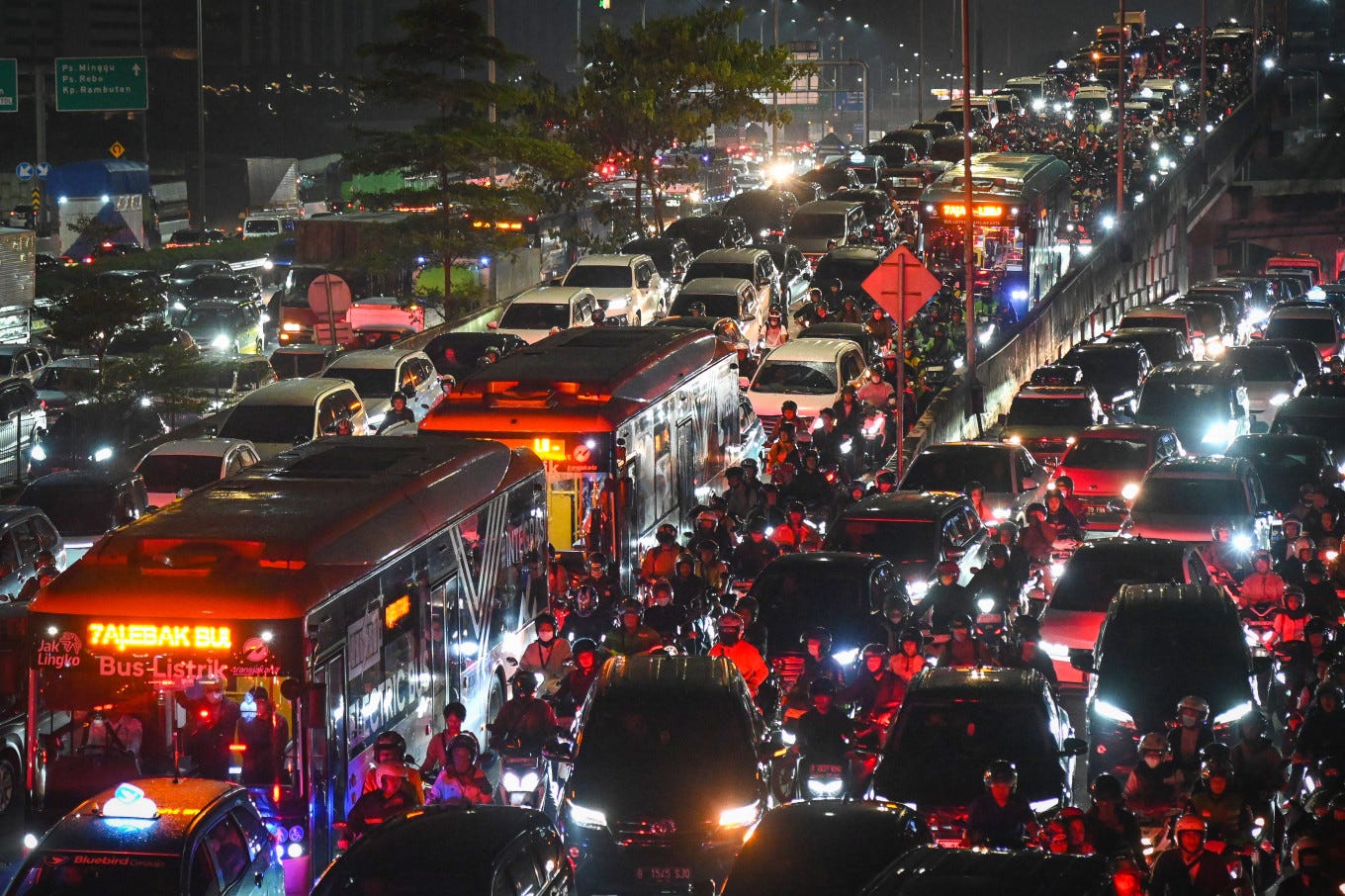
Road deaths have fallen 21% worldwide since 2011, even as more than a billion vehicles have joined the roads. WHO’s new data puts the 2025 toll at 1.16 million, and global leaders have just adopted a UN declaration targeting a 50% cut by 2030. Progress is lopsided: Europe’s deaths dropped 36% over the decade to 2021, while Africa’s rose 17%. WHO
Conservation & Restoration
Two Philippine provinces widened their marine protected area networks in the same fortnight. Zambales added Calanga Reef and Rabaw-ti-Bato - one with nearly 49% live coral cover - to its ZAMPAN network, while Ilocos Norte’s board approved the new Amianan network across four coastal towns. Both create no-take core zones for spawning and nursery grounds. Philstar / PNA
Mexico is putting $1.15 billion into cleaning up three of its most polluted rivers: the Atoyac, the Tula and the Lerma-Santiago. Alongside treatment plants and sewer collectors, the programme has identified 479 illegal dumps, reforested thousands of hectares and regulated hundreds of industrial discharge points. First-phase works are 85% and 90% complete. Mexico Business News
The strip of land that once divided East and West Germany is now one of the country’s richest habitats. The 1,400 km Green Belt holds 7,500 recorded insect and spider species, 580 of them threatened, plus otters, wildcats and whinchats. Thuringia, Bavaria and Saxony have just agreed to permanently secure a 95 km stretch by 2028. DW
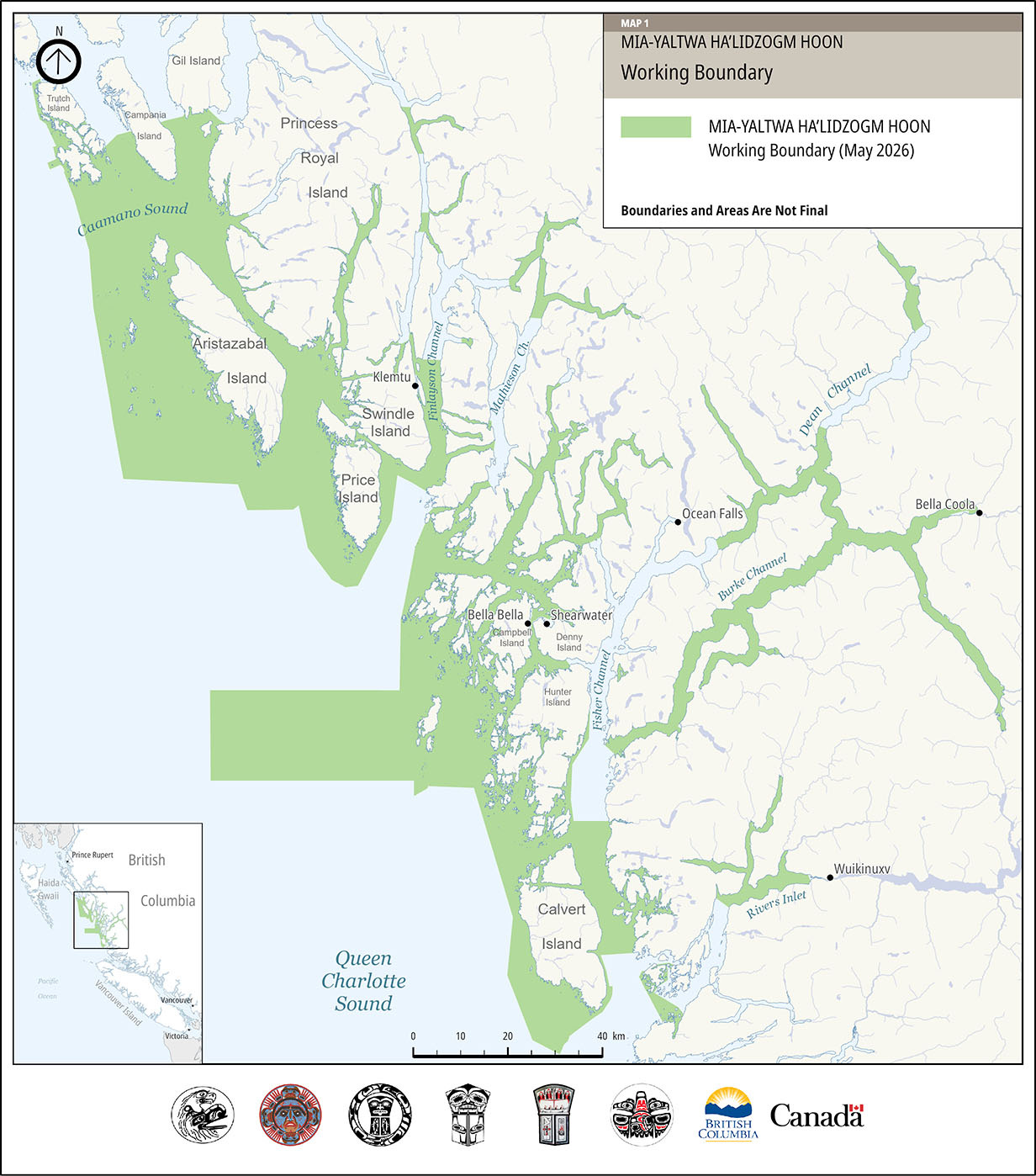
Six First Nations, Canada and British Columbia have signed off on a marine reserve covering 6,700 km² of the Great Bear Sea. Mia-yaltwa Ha’lidzogm hoon (“Realm of the Salmon”) will be co-governed by the Wuikinuxv, Nuxalk, Kitasoo Xai’xais, Heiltsuk, Gitxaała and Gitga’at Nations, who have also declared it an Indigenous Protected and Conserved Area. Parks Canada
China’s wild Asian elephant population is approaching 400. A new Xinhua Institute report counts 11 reserves covering 5,098 km² across Yunnan, plus 800 hectares of planted “elephant canteens” that keep herds fed and away from villages. An early-warning system has issued 210,000 alerts since 2022 and headed off over 1,000 potential conflicts. China Daily / China Daily
Road closures and bamboo bridges have doubled Taiwan’s mangrove land crab numbers, from around 5,000 a year to more than 10,000 at Taijiang National Park. The females have to cross a road to reach the sea and spawn. Now most of them survive the trip. Reuters
The Indian grey hornbill is breeding in Gir for the first time since the 1960s. Forty birds were released into the Gujarat forest from 2021, and a new study confirms four consecutive years of successful nesting. Satellite-tagged males shrank their home ranges from 61 km² to 5.7 km² as they settled - the signature of a reintroduction that is working. New Indian Express
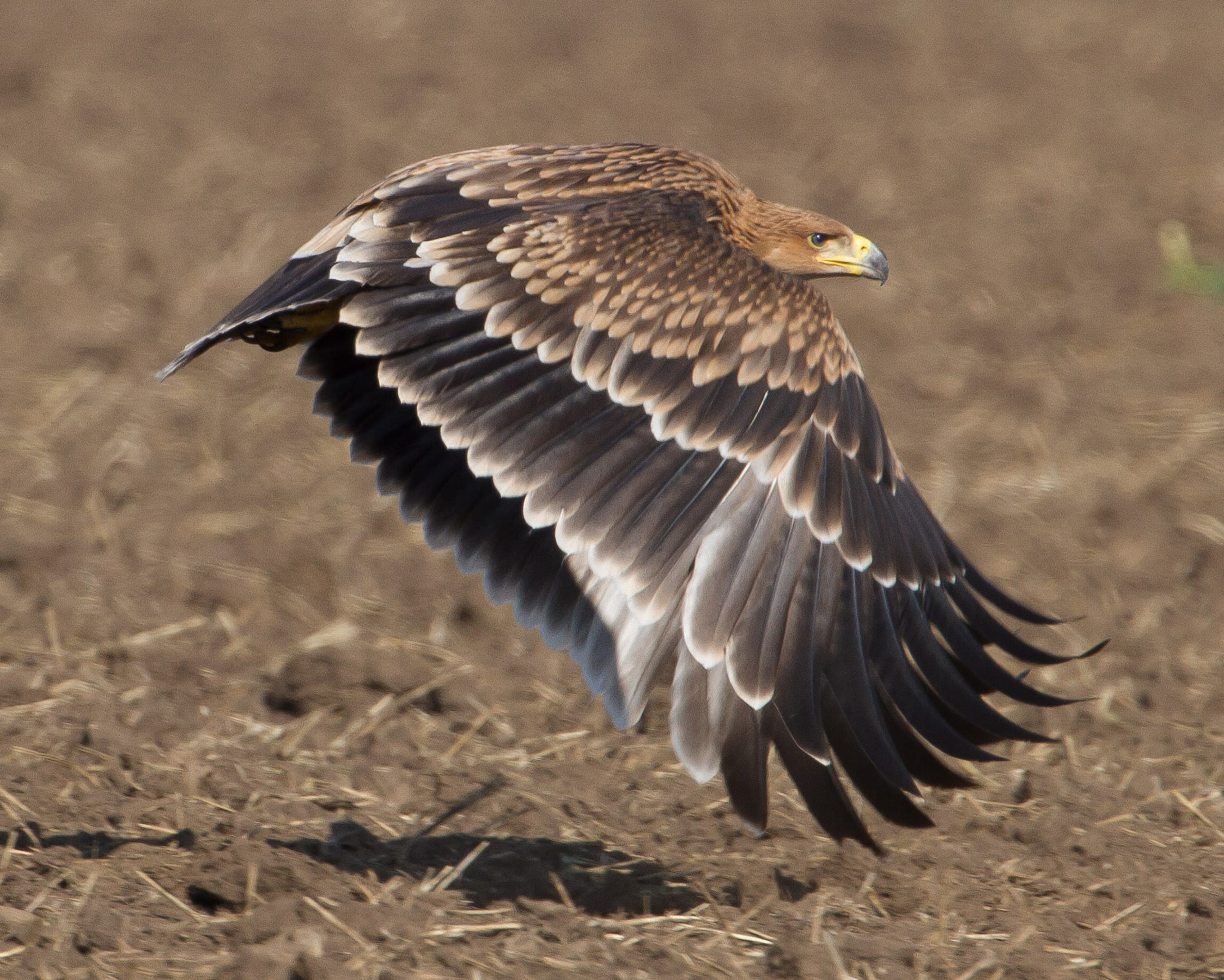
Once down to a single breeding pair, Serbia’s Eastern Imperial Eagle is rapidly recovering. In 2017, Serbia’s Eastern Imperial Eagle was on the edge of extinction. Bird monitors in the country that year found only a single breeding pair. That same year, the eagle became the subject of targeted conservation, and now the country’s monitors have recorded 29 territorial pairs, with 16 pairs successfully fledging 25 young. Bird Guides
Energy & Climate
China’s petrol-car market is in freefall. In June, 63% of new cars sold had a plug, while pure-petrol sales crashed 42% year on year. Fully electric (no combustion engine at all) took 43% of the market. Also, Beijing says it wants electric and hybrid vehicles to make up 30% of the entire national fleet by 2030, and the island province of Hainan just became the first in China to announce it will ban new combustion-car sales. CleanTechnica / Dialogue Earth / CnEVPost
All those new electric cars are cleaning up China’s air. Research group CREA found EVs displaced 33.7 million tonnes of oil equivalent in the first half of 2026, up 42% on last year, and helped push urban nitrogen-dioxide levels down 7% in the second quarter - a new driver of the country’s clean-air progress.
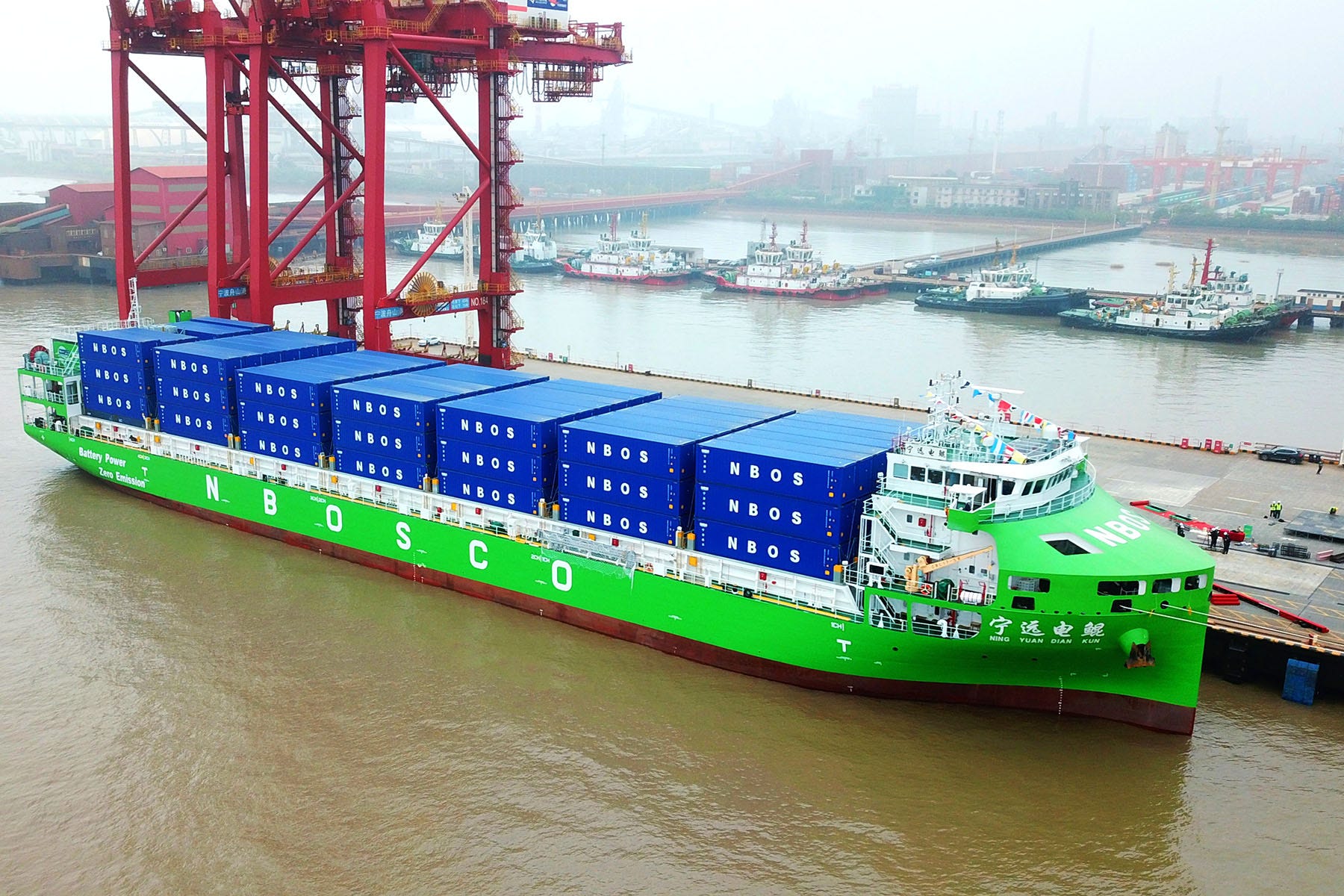
China’s electric revolution is also heading out into the water. The country’s fleet of electric cargo ships has grown from four in 2022 to 42 in 2025, a 950% jump, alongside more than 440 electric vessels overall, most of them ferries. The Driven
The EU wants to become the world’s first “electro-powered continent”. Its new Electrification Action Plan aims to lift the share of energy running on electricity from 23% to 46% by 2040 - a shift Brussels says would cut the bloc’s fossil-fuel import bill by €260 billion a year. A parallel carbon-market overhaul will dump €100 billion into industrial decarbonisation. European Commission
Electric cars took a quarter of Europe’s new-car market in June - 25.6% across 17 countries, with sales up nearly 40% year on year. Norway is at 96.5%, and EVs outsold everything else in Ireland. InsideEVs
Cheap balcony solar has finally arrived in the United States. After a wave of state laws legalising it - Utah first, then ten more in the past few months - vendors are racing in: German makers are reengineering their kits for the US grid, and one non-profit has cut a 180-watt panel to $285, at cost. The panels hang from your outside railing and plug into a wall socket. Canary Media
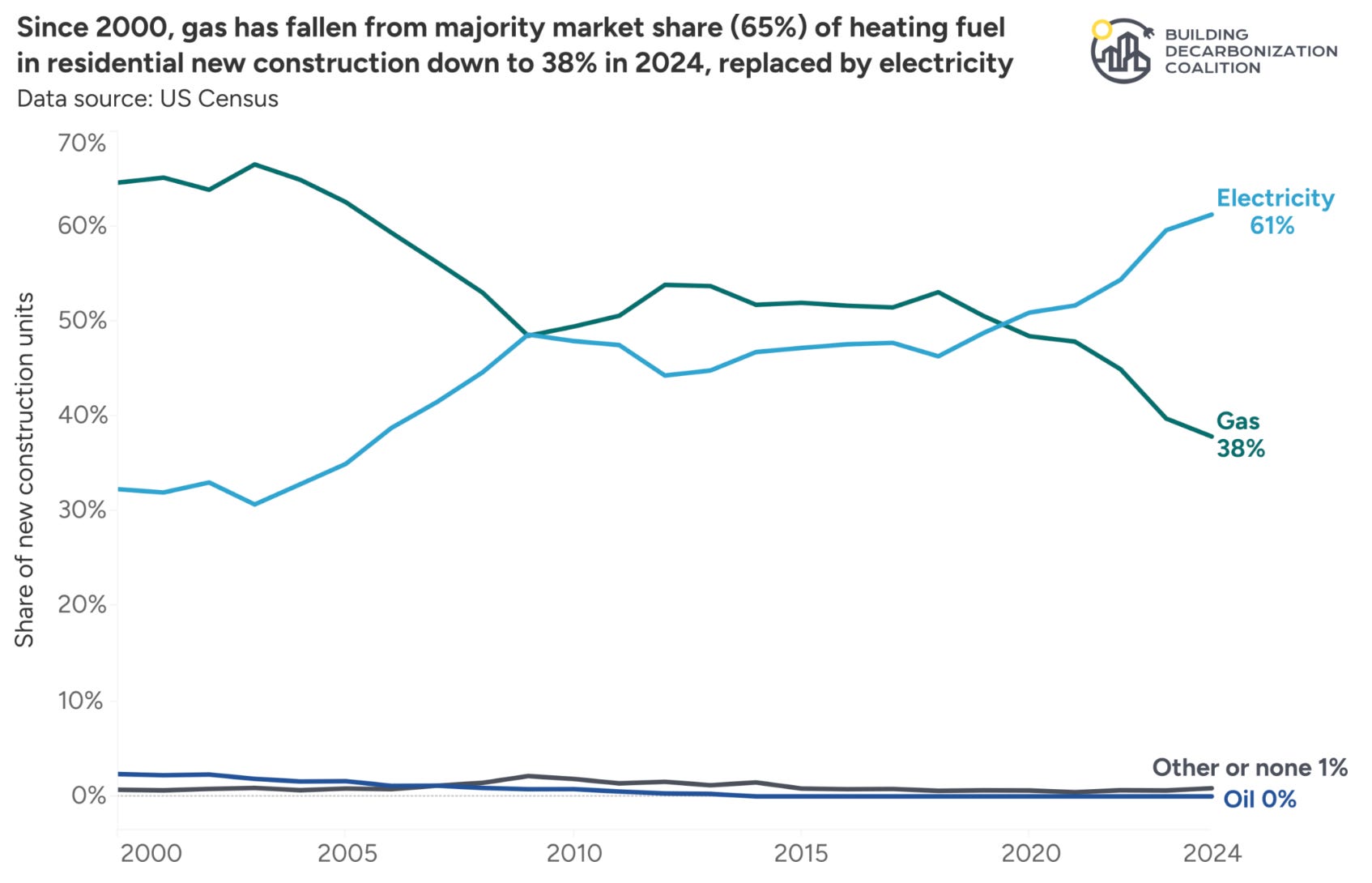
Heat pumps are also winning Americans over. In the first quarter they outsold fossil-fuel furnaces by 32%, the fourth year running that manufacturers have shipped more heat pumps than furnaces. Nearly half of new US homes built in 2024 came with one. Grist
Science & Technology
We’re dedicating this entire section to batteries. Yep. Buckle up. Starting off with a big new development…
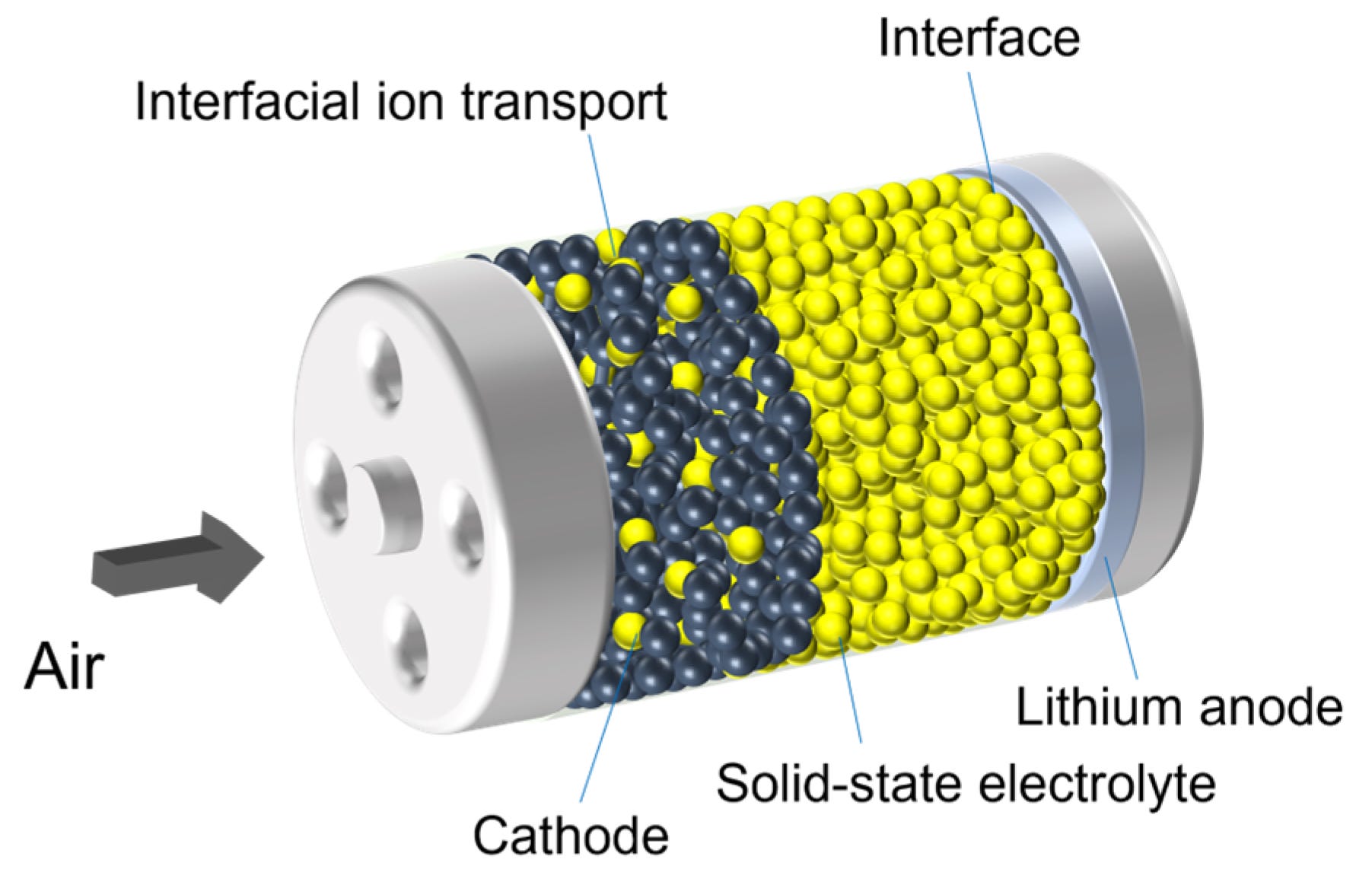
The world’s biggest battery maker, CATL, just declared lithium-air batteries its next long-term bet, and if it pays off, the EV range problem is over. Speaking at the 2026 Powering the Nation Forum, CATL’s chief scientist Wu Kai named lithium-air technology as the company’s primary research focus beyond its current sodium-ion and solid-state work. The reason for the ambition: theoretical energy density of around 12,000 watt-hours per kilogram, roughly the same as petrol, and about 40 times more than today’s lithium-ion cells. In a car, that translates to a potential single-charge range of 1,600 kilometres in a battery pack no heavier than what’s already sitting in a Model 3.
The advantage that lithium-air batteries have is they don’t carry an oxidiser around with them. Standard lithium-ion cells need heavy nickel, cobalt, or manganese oxides inside the cathode to react with the lithium. Lithium-air pairs pure lithium metal directly with oxygen drawn from the surrounding atmosphere, which is free, everywhere, and weighs nothing.
The catch is that pretty much every other engineering problem gets harder. Pure lithium metal is highly reactive, current lab prototypes still degrade after around a thousand cycles, and the cell needs a filtered air intake to keep out moisture and carbon dioxide. Argonne National Laboratory hit 1,200 Wh/kg in 2025 with a lab prototype, still a factor of ten below the theoretical ceiling but four times better than the best commercial lithium-ion. Interesting Engineering
And now, introducing the battery bestiary!
As we’ve reported extensively in this newsletter, the whole “everyone gets home at 8pm and immediately turns on the lights” thing is a problem that’s largely been solved by lithium-ion batteries (although there’s a lot of building still to come). But grid-scale lithium-ion batteries empty after maybe four hours of full-power discharge; great for spikes and keeping the lights on at night, not so great for storing power cheaply for long stretches of grey and windless days.
For the doldrums, we need batteries that can take on power continuously when the sun is bright and the wind is blowing and then discharge that same power slowly but steadily at need. The technical term for this is long-duration energy storage, and to make it happen engineers around the world are dusting off a delightful bestiary of old and experimental battery technologies.
🔋 Note: many of these are a lot less efficient, with efficiencies of 40%-50%, versus lithium-ion’s 80%-90%. However, efficiency matters less when the input is surplus electricity, i.e. solar panel output from a very sunny day that you’d otherwise just throw away. These battery technologies are cheap, mostly forgo exotic components, and can discharge steadily for a long time. Also, they’re awesome.
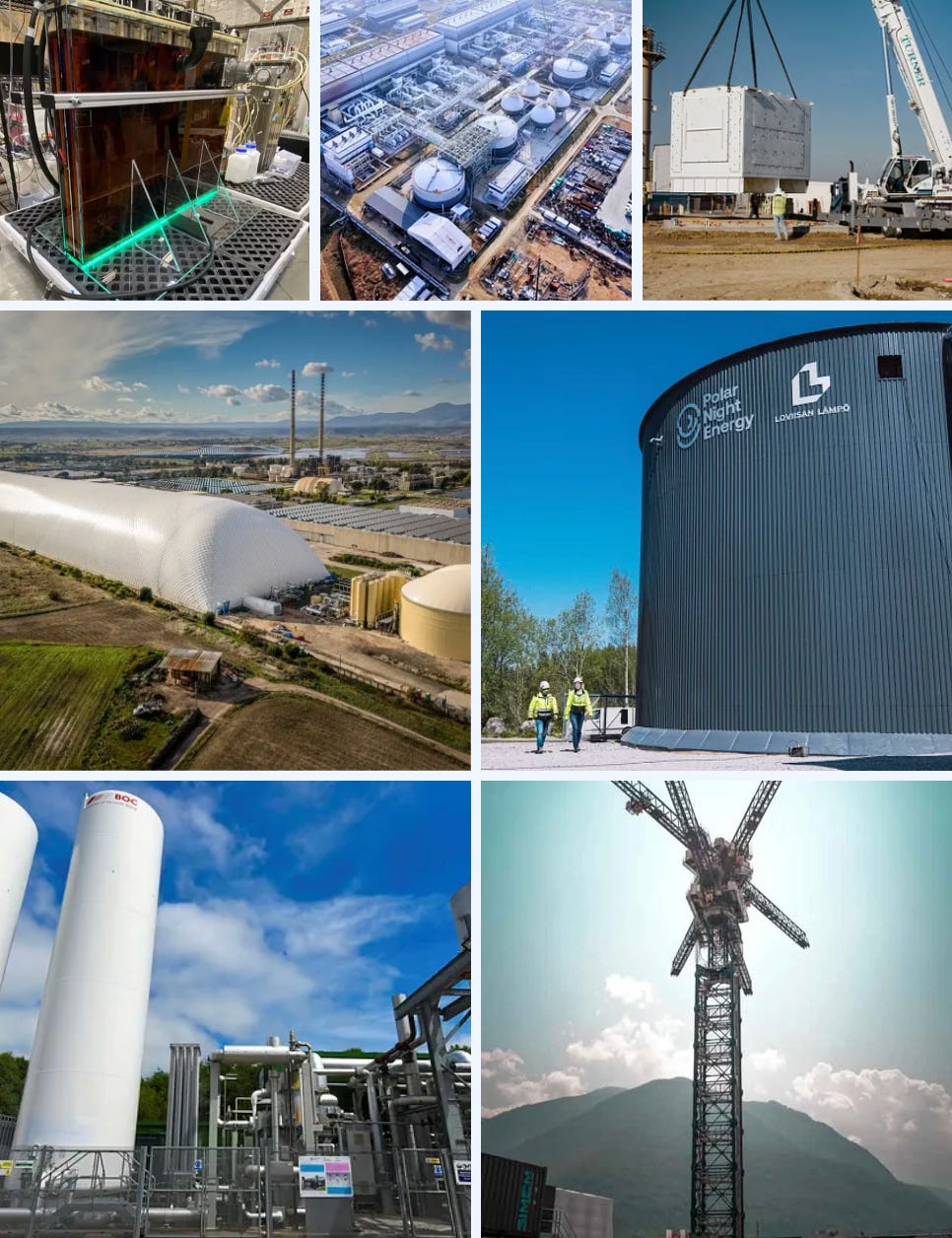
Iron-air batteries are the current crowd-pleasers. When iron rusts, it gives up electrons; iron-air batteries (basically, iron plates in a water-based electrolyte) route that electron flow through a wire. Recharging pushes electricity back through the plates to un-rust them (no, we didn’t know you could use electricity to un-rust iron either). They’re cheap, they don’t burst into fire, commercial pilots have shown they can discharge for up to four days, and as we reported in edition 345, a startup just signed a deal to build a massive, 1 GWh system in the Netherlands.
Compressed air batteries are the simplest, conceptually. Squish air into an underground salt cavern when power is expensive, let it back out through a turbine when it isn’t. Why salt caverns? Air stays gaseous at storage pressures, so you need enormous volumes; salt caverns are huge, self-sealing, and cheap to hollow out - drill a hole, pump water in to dissolve the salt, pump the brine out, and you’re left with a large sealed cavity (this is how petroleum reserves have been stored for decades by the oil industry.) A plant in Huntorf, Germany, has been running on compressed air since 1978; now Toronto-based Hydrostor is developing next-generation versions in California and Australia, which capture the heat of compression to reuse on discharge.
Volume a problem? Try liquid air batteries. UK company Highview Power chills ordinary air to −196°C, at which point it liquefies and shrinks to roughly 1/700th its gaseous volume - compact enough to fit in insulated tanks aboveground, no salt caverns required. To discharge, you let the liquid warm back to gas, and its violent expansion drives a turbine. The extra chilling step costs energy, so there’s a hit to round-trip efficiency, but you’re not at the mercy of geology.
CO2 batteries liquefy carbon dioxide instead of air. Italian company Energy Dome uses surplus electricity to compress CO2 into a liquid, stashes it in a tank, and lets it expand back into gas through a turbine on demand. The key advantage: CO2 liquefies at moderate pressure and room temperature, so no cryogenic cooling is needed - just compression, which itself generates heat that Energy Dome captures and reuses on the way back out. Round-trip efficiency clocks in around 70-75%, better than liquid air and closing the gap with lithium-ion. The only problem is that the pure carbon dioxide has to stay in a closed loop - you can’t just top up the tank from the atmosphere the way an air-based system can - so you have to worry about leaks.
Fun fact: Both Highview and Energy Dome borrow most of their plant designs from decades-old industrial refrigeration and gas-processing firms. No exotic materials, no supply-chain gymnastics.
Sand batteries heat sand or sand-like materials to 500-600°C with surplus electricity, then insulate the columns of super-hot sand and extract the heat later for district heating or industrial processes. Finnish company Polar Night Energy has a few such batteries running commercially. Sand is the photogenic face of a larger thermal family that includes stacked bricks (Rondo, in California) and molten salt at concentrated solar plants (Spain, Nevada, and China’s Gobi Desert). Admittedly, turning stored heat back into electricity is inefficient, so the usual use case is just to use these systems for heat. But given that heat is roughly 50% of Europe’s energy consumption, and most of that heat is now made by burning gas, replacing that gas with hot sand might be more efficient than it looks.
Thermophotovoltaic thermal batteries do the sand-battery trick with an extra fillip. California company Antora Energy heats blocks of solid carbon to 2,000°C, then dispatches the stored energy either as industrial heat or as electricity, using thermophotovoltaic cells that work like solar panels tuned to the infrared glow coming off hot carbon. They commissioned their first commercial system in May 2026, a whopping 5 GWh install for a biofuels producer in South Dakota, roughly 1,000 times bigger than the 5 MWh pilot they launched near Fresno in late 2023.
Gravity batteries lift something heavy when power is cheap and drop it when it isn’t. Pumped hydro has been doing this with water for a century. Edinburgh-based Gravitricity wants to do the same with multi-tonne weights dropped down disused mine shafts. Their full-scale prototype, planned for Finland’s Pyhäsalmi mine, would be Europe’s first - northern Europe has thousands of decommissioned shafts sitting empty. Swiss-American firm Energy Vault is trying to also do the work with cranes and concrete blocks.
Ok last but not least we should talk about flow batteries, conceptually the most distinct long-duration storage hopefuls. Picture two big tanks of liquid. One tank holds vanadium ions eager to give up an electron; the other tank holds vanadium ions eager to grab one. Between the two tanks sits a small unit called a stack. When the battery is discharging - feeding your grid, powering your factory - pumps push liquid from each tank into the stack. Inside the stack, the two liquids flow past each other, separated by a thin membrane. That membrane lets certain ions cross to keep the charges balanced, but it doesn’t let the liquids mix, and it doesn’t let electrons cross. So the electrons have to take the long route: out of the stack, through a wire, through whatever you’re powering, and back into the other side. Sound familiar? It’s the same trick as every other battery (and now we’ve snuck in a refresher for high school chemistry).
The big win? If you want a flow battery to discharge steadily for ever-longer periods, you just build bigger tanks for your liquids. Tanks are cheap and easy to build, and the stack, the expensive part of the battery, stays exactly as expensive no matter how much liquid flows through it. This is in contrast to the lithium-ion batteries where to get them to discharge for more hours steadily requires ever-more (expensive, lithium and cobalt-oxide packed) cells.

That’s it from us, thanks for reading.
If you value what we’re doing here, and you think you can support us with a paid subscription it really helps. 30% of your fee goes to people like Tala and Farah.
We’ll see you next week.
With love,
The FTN team