344: Fungi. Flu. Candyfloss. Kites.
What's the opposite of desertification?
Over 3,000 of you responded to our survey, thanks to everyone who participated, and congratulations to Robert W. and Jude J., who each won a $200 Amazon voucher.
You’re older than we’d guessed! Three quarters of you are 45 or older and half are 61 or over (something something, generational news consumption patterns, something). Most of you found us through a friend or colleague, and you’re reading us for relief from the news cycle, as well as for our analysis, and the breadth of our coverage.
Among our paid subscribers, 85% of you say the main reason you’re paying is simply to keep this thing going, not for extra content or a specific story that tipped you over. Thank you for funding the mission!
When we asked what we should build next, one answer won clearly: a searchable archive, so you can find that story you half remembered from two years ago. We hear you. We’re building it now.
We’re also giving you the entire edition, read in full. This was the second most requested thing after the database, and when we asked what length you wanted, full editions easily beat all the shorter options. So that’s what we made. No highlights reel, no summary, the whole edition, in your earphones - take it for a walk :)

👆 Tap this link, and it should open straight in your podcast app:
Don’t worry, the newsletter stays exactly the same. Nothing about what arrives in your inbox changes. Thanks again to everyone who responded.
This week’s top stories
Philanthropists are betting half a billion dollars on ending coughs, colds and flu.
A new philanthropic initiative called Intercept has launched with $500 million to develop preventative products (a shot, a nasal spray or pill) in combination with air-cleaning technologies to combat colds, flu, RSV, coronaviruses and other respiratory viruses. The goal is to push at least two products through Phase 2 trials, while building real-world evidence for filtration, UVC and other clean-air tools in schools, offices and public transport.
The potential payoff is huge: respiratory infections cause billions of infections every year, imposing enormous health and productivity costs, yet they’re largely neglected by pharmaceutical companies. A century ago, diseases like cholera and typhoid were also widely accepted as an inevitable feature of human life, until better medicines, tools and infrastructure changed the game. What’s to say we can’t do the same here?
Two planets in the constellation Volans are officially lighter than candy floss. TOI-791 b and TOI-791 c, both about the size of Jupiter, weigh in at 0.038 and 0.047 g/cm³ (grams per cubic centimetre) respectively. Candy floss clocks in at 0.05 g/cm³. Earth, for scale, is 5.5 g/cm³. University Of Oxford
China’s deserts are shrinking. Like, really shrinking. Official figures claim that more than 120,000 km² of desertified land was restored during the 14th Five-Year Plan, from 2021 to 2025. That’s part of a longer reversal: in the late 1990s, desertified land was expanding by 3,433 km² a year; today, officials say it is shrinking by 6,666 km² annually. In the last three years alone, Beijing has invested $13.2 billion in the world’s largest restoration project, the Three-North Shelterbelt programme. China Daily
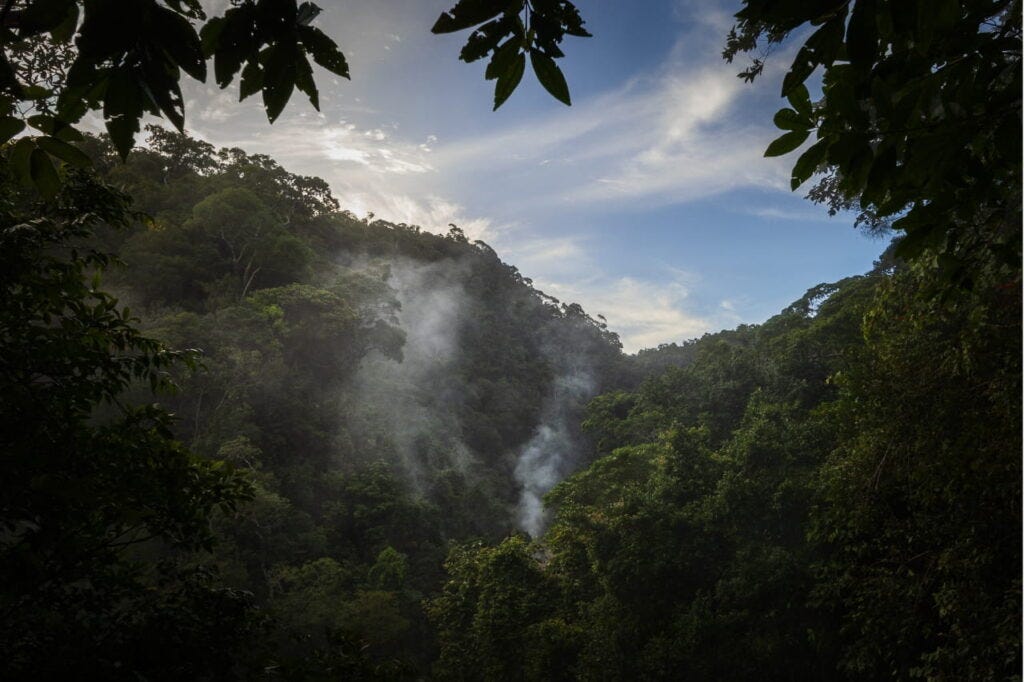
Peru protects Amazon headwaters after 13-year campaign. Peru has created the Aguas Calientes Maquia Regional Conservation Area, protecting 981.6 km² of Amazonian forests, wetlands and rivers after a campaign that kicked off in 2013. The reserve safeguards the Maquía River and Chunuya stream, and strengthens protection for Indigenous Peoples in voluntary isolation. Surveys have documented jaguars, lowland tapirs, red-and-green macaws and white-bellied spider monkeys among at least 20 endangered species. Andes Amazon Fund
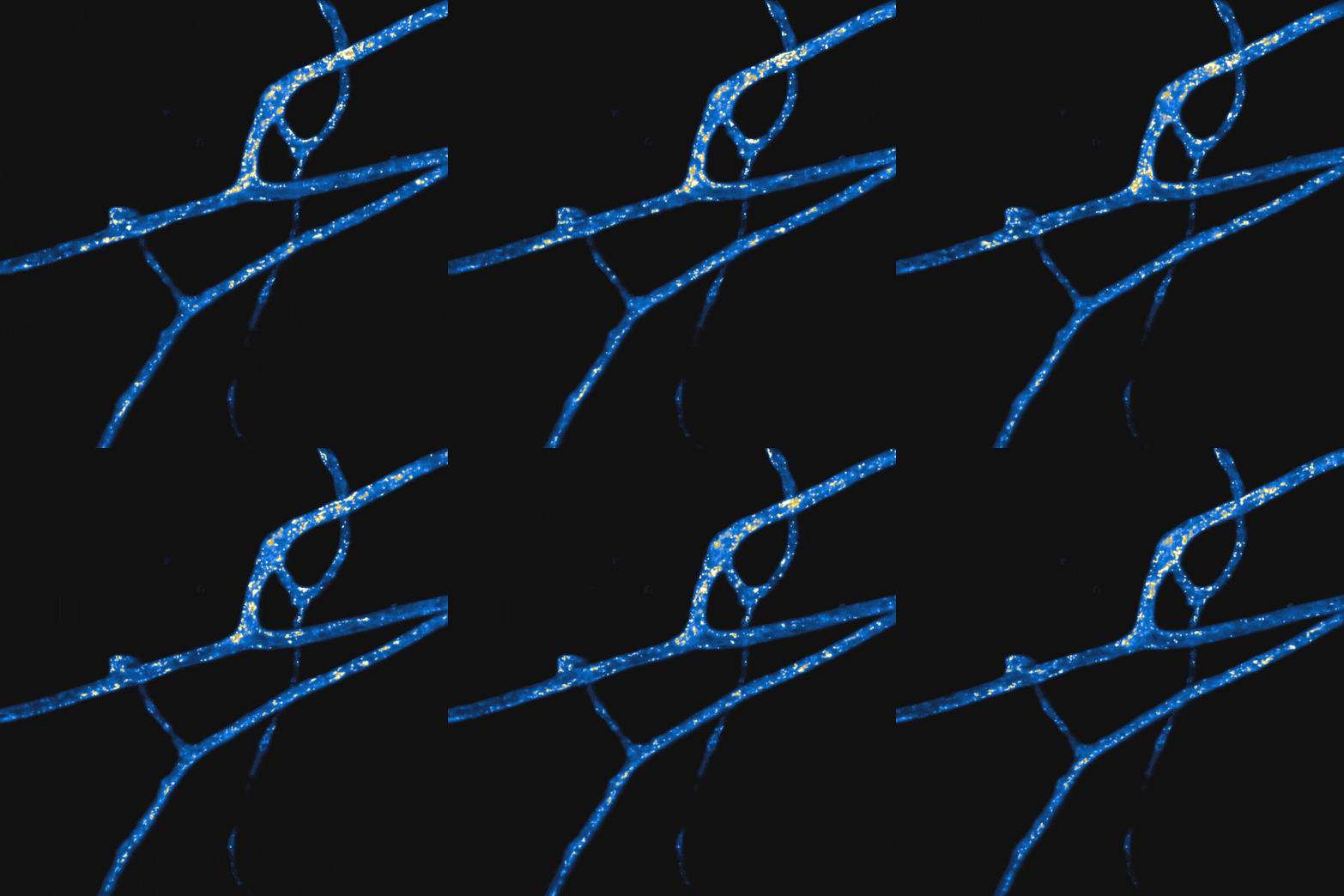
The world is getting serious about lead poisoning. Researchers say the fight against global lead exposure is moving from diagnosis to action, with around 20 national blood lead surveys now in progress. CGD
“When we started working on global lead exposure, it felt like a dumpster fire—a huge, wild problem with no clear idea of its cause or how to fix it. After our Second Annual Research Conference on Global Lead Exposure, it feels like we’re now starting to see the shape of the problem in much higher resolution, along with a path to solving it. This year, there is a shared sense that the group at the conference may be able to actually solve most of this problem over the coming decade.”
As Venezuela shook, millions of smartphones turned into an emergency warning network. Last week, two major earthquakes hit within seconds — the deadliest to strike Venezuela in more than a century. Moments before the shaking arrived, 11.4 million phones lit up with alerts, giving people precious seconds to get away from windows, shelter under tables or reach open ground. That warning came from an alert system that uses Android accelerometers (the motion sensors that rotate your screen when you turn it sideways). When enough nearby phones report the same vibrations within seconds, the algorithm treats it as a quake and sends alerts to people in the danger zone. The New York Times
Ghana launches mass campaign against neglected tropical diseases. Ghana has launched a nationwide campaign to tackle three horrible tropical diseases. The effort will reach 6.7 million people for river blindness, over a million for bilharzia, and around a quarter of a million for elephantiasis (for which transmission has already been stopped in 97% of districts, leaving just two districts targeted in this round). Ghana Health Service
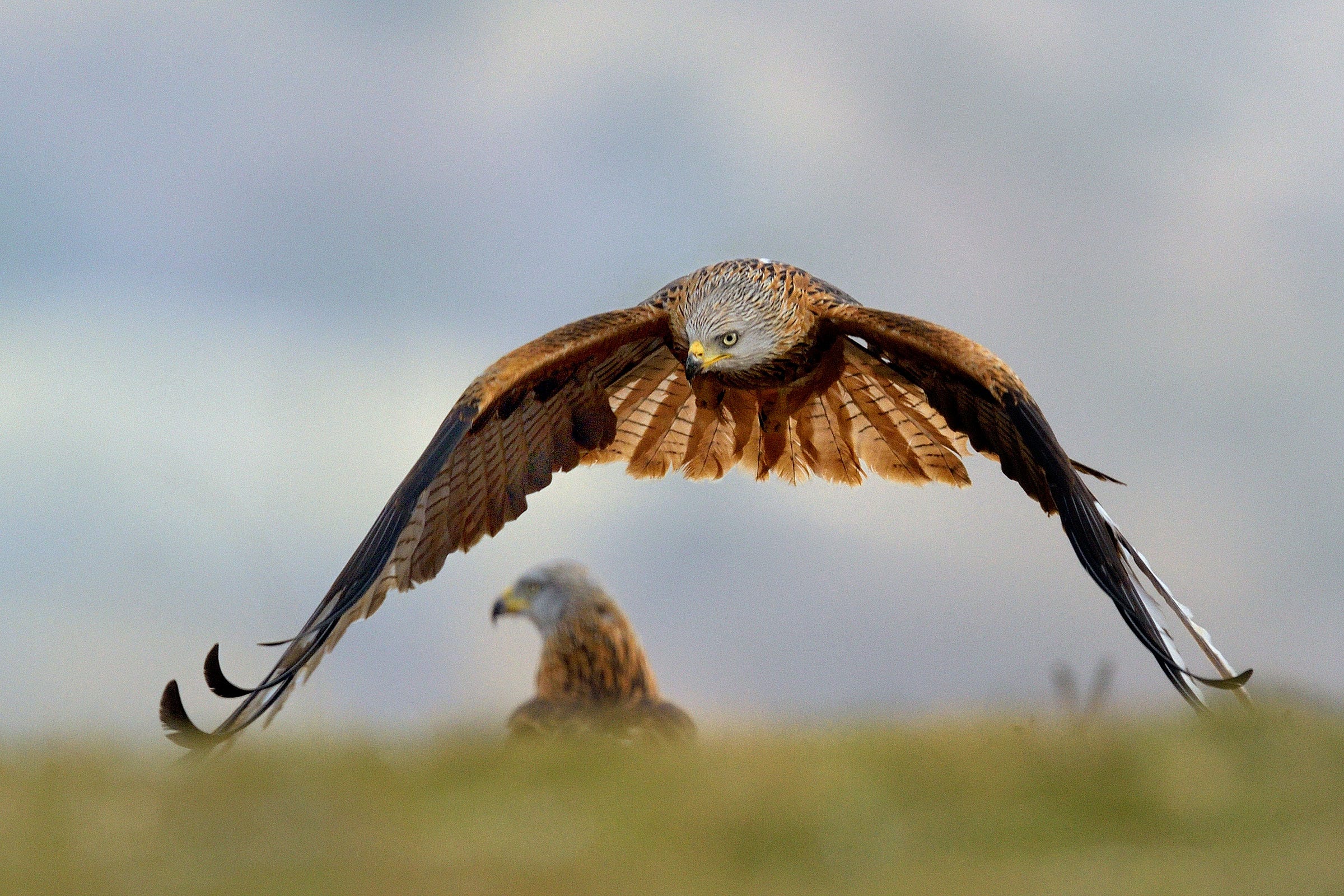
England’s red kites repay an old debt to Spain. Protected by English royal statute in the 1400s because they picked city streets clean of offal and rotting meat, red kites later lost their usefulness as sanitation improved and were driven into the countryside, where guns, poison and gamekeeping nearly finished them off. Spanish and Swedish birds helped rebuild England’s population from 160 breeding pairs in 1995 to at least 4,600 by 2023; now 126 English-born kites have been released in Spain’s Extremadura, where conservationists are working to rebuild a 30,000 km² safe haven after shooting, poisoning, habitat loss and power lines had left just one breeding pair in 2018. bioGraphic
“There is no limit to the robberies of the kite. If they can manage pieces of meat on sale in the market, they pounce upon them and carry them off.”
Claudius Aelianus (c. 175–235 BC)
Europe’s electric vehicle boom weakens the political push to save combustion cars. Europe’s argument over the 2035 combustion-engine ban is being reshaped by what EU climate chief Wopke Hoekstra called “spectacular EV sales.” Germany, Italy and carmakers still want the rules softened, but France and Sweden are pushing back, arguing that it will hamper Europe as it tries to catch China. EV sales rose 39% in Germany, 93% in France and 85% in Italy in May 2026, making the transition harder to dismiss as policy fantasy. Reuters
UK electric car sales overtake petrol for first time UK drivers bought more battery-electric cars than petrol cars over the past 12 months, the first time that has ever happened. Carbon Brief
Relatedly, the world’s two biggest carmakers are split over electrification. Here are some recent quotes from both:
Toyota chair Akio Toyoda says he feels lonely defending combustion engines:
‘Everybody is shifting to EVs, this is the biggest fear for me. Three or four years ago, I was the only one to say to the media that I love smell, I love sound and I love engines, and I want to keep the jobs for engine suppliers. But it seems to me that I’m the only one. I feel very alone.’
Meanwhile, from Volkswagon:
“Do you know when horses were banned?” Volkswagen’s board member for sales, marketing and aftersales asked us with an elongated pause. “When was it forbidden to buy horses?”
Martin Sander, who’s been in his role at VW’s passenger-car division for almost two years, was smiling. It’s a trick question, of course: “You can buy a horse today,” he said. “Somehow, over time, more and more people realised that for actually getting from A to B, a vehicle is much better than a horse.”
That’s the industry’s fault line, right there. Toyota, the world’s largest automaker, is betting on keeping combustion engines alive; Volkswagen, the second-largest, says EVs will win, European ban or no, when customer confidence catches up.

Gaza’s farms are showing early signs of recovery, even as 87% of cropland remains damaged. A UN assessment found 24 hectares of greenhouses rehabilitated between October2025 and April 2026, mostly in Khan Younis, while sheep numbers rose 33% and goats 8% after emergency support following the ceasefire. The FAO continues to provide cash assistance, with support for the 2026 planting season now reaching 1,500 small farmers across the Strip. FAO
Oregon’s campaign against pesticide-related bee deaths hits 100% success. In 2013, following a spate of high-profile pesticide-related bee deaths, the state of Oregon set up a Pollinator Health Task Force. In the years since, around 13,000 licensed pesticide applicators have been trained to spot high-risk conditions and change how they work around bees. The state has not recorded a confirmed pesticide-related bee kill since 2020. Jefferson Public Radio
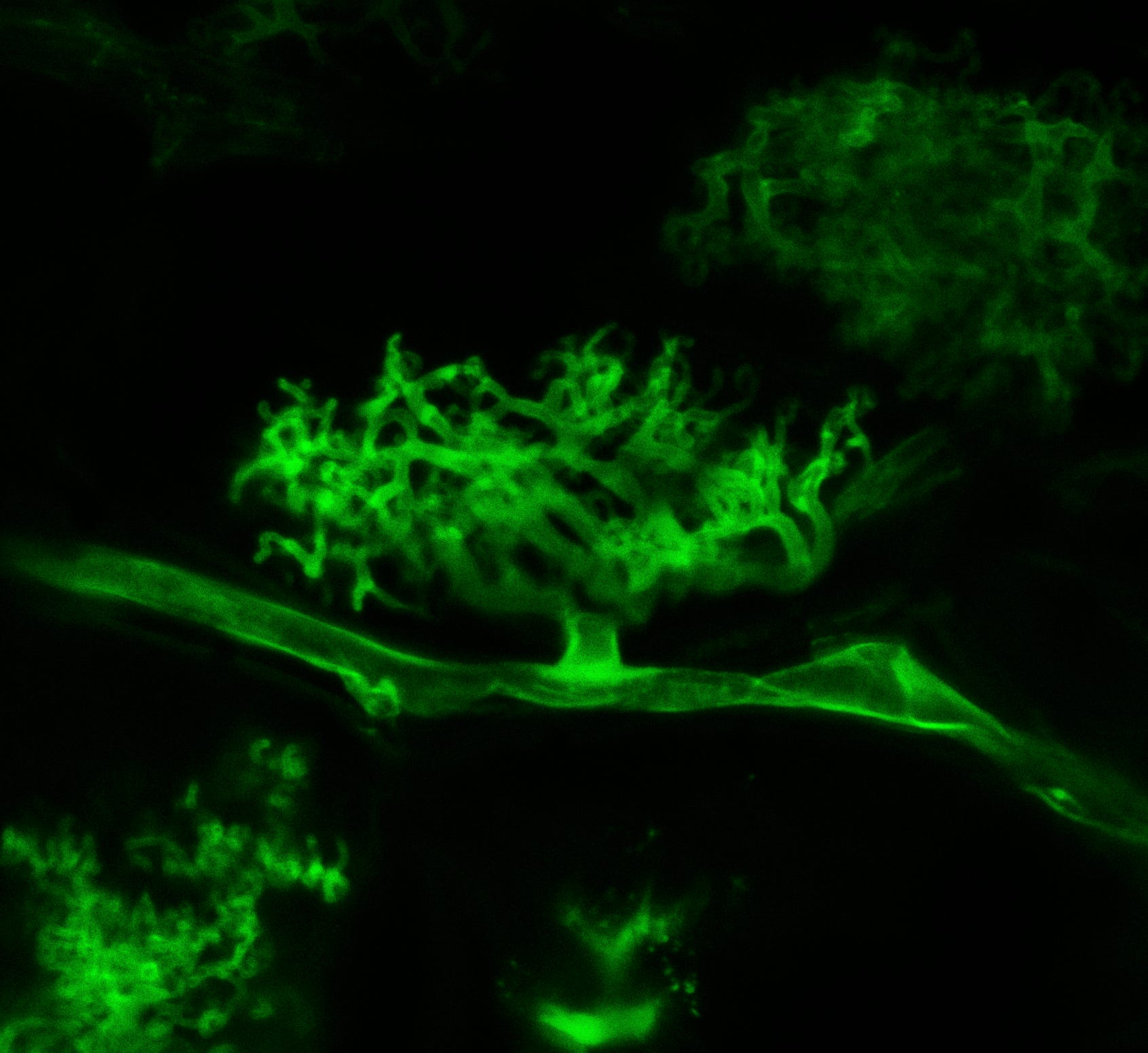
And finally, 68 quadrillion miles of fungi are circulating carbon around the planet. A new study mapped these networks (arbuscular mycorrhizal fungi, the type that pairs with most plants on Earth — including crops, grasslands and tropical forests — as distinct from the ectomycorrhizal fungi associated with ‘wood wide web’ of temperate forests) and the numbers are staggering. Laid end-to-end, the threads would stretch about a tenth of the way across the Milky Way: roughly 68 quadrillion miles, or 11,000 light-years. They hold about 300 megatons of carbon, four to six times more than every human on Earth combined. New York Times