Last year’s Budapest Pride march, where organisers said 200,000 attended despite the threat of fines. Attila Kisbenedek/AFP
You’re reading Fix The News, the world’s source for solutions journalism. If someone forwarded this you can subscribe here.
Centuries before social media, people were wrestling with misinformation, censorship, information overload and technological disruption. In this first episode of our new podcast, A Short History of Saving the World, join Fix The News founder Angus Hervey and historian Ada Palmer, as they trace the long arc of information revolutions to find out what history can teach us about navigating today’s digital age.
From Machiavelli and the printing press, to modern media platforms, algorithms and echo chambers, each new leap in technology reveals the same pattern running through history's biggest disruptions. The world doesn't break under the pressure of new ideas and communication highways, it adapts, and that may be one of the most important clues the past has to offer us today.
In this episode: • Is fake news really new? • What happens when information suddenly becomes available to everyone? • Why do new technologies amplify both progress and extremism? • Are social media and the internet following a familiar historical pattern? • And what on Earth does cantaloupe have to do with democracy?
The top before the top
Pill almost doubles survival time for world’s deadliest cancer
“Having treated pancreatic cancer for 16 years, I actually started crying in clinic.”
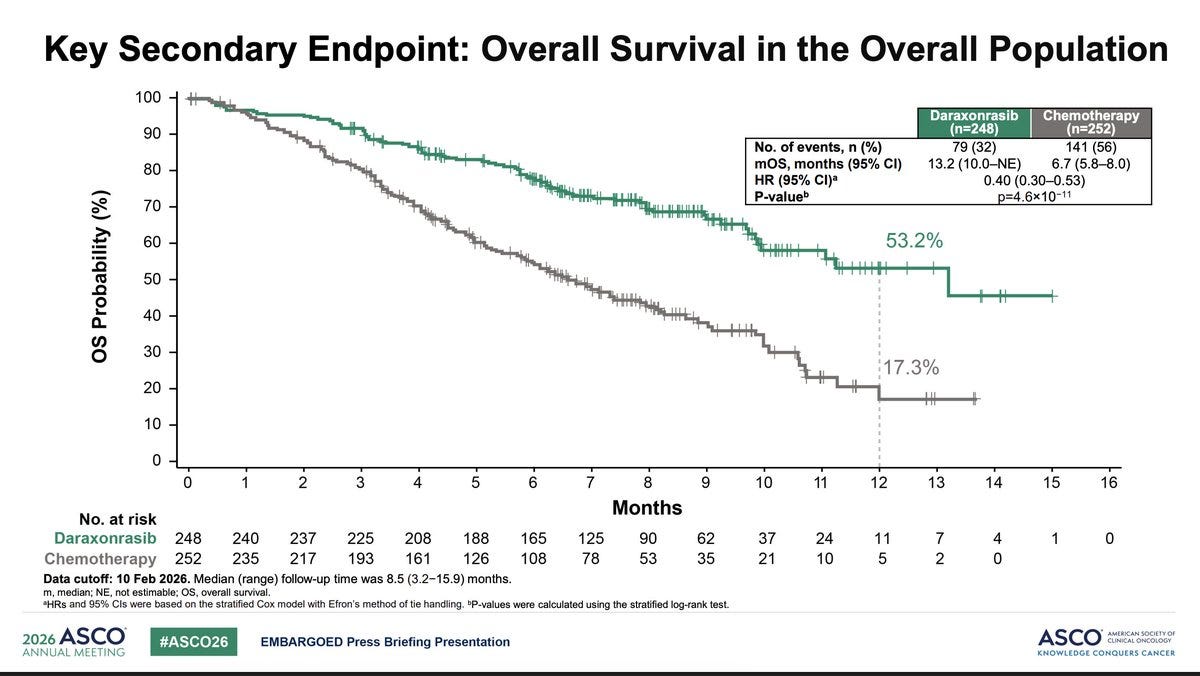
That’s just one of the many reactions to results presented at the recent American Society of Clinical Oncology (ASCO) meeting in Chicago showing that daraxonrasib, a daily pill, nearly doubled median survival for 500 people with previously treated metastatic pancreatic cancer, from 6.7 to 13.2 months.
This is a big deal. In rich countries, many common cancers have five‑year survival rates above 90%. Pancreatic cancer is the exception: survival is measured in months, and only around one in eight patients are still alive five years later.
Now take a look at this. The green line shows survival probability for pancreatic cancer patients given the new drug; the grey line shows the chemotherapy control group. If you have any familiarity with pancreatic cancer, this chart should make your breath hitch a little. The Guardian / PBS News
However, the bigger breakthrough may be what happened alongside survival. Everyone knows how brutal chemotherapy can be. Patients stayed on daraxonrasib much longer than chemo, reported less pain and better quality of life, and many were still taking it after the trial data had been analysed.
So, how does it work? Daraxonrasib goes after errors in a group of genes called RAS, which normally help control how fast cells grow. One member of this group, called KRAS, is faulty in more than 90% of the most common pancreatic cancers, and those errors act like a stuck accelerator pedal, telling cells to keep multiplying when they should hit the brakes.
For years, scientists thought KRAS was basically impossible to target with drugs because of its shape – there was nothing to really “grab onto.” Daraxonrasib changes that. It acts like molecular glue, helping other molecules stick to the overactive KRAS protein so it can finally be grabbed and turned off. Even better: it can hit several different versions of RAS, not just one ultra‑specific mutation.
When the results were presented to an audience of over 40,000 people there was an (unheard-of) standing ovation. Take a look at this video; the cheers just keep going.
Daraxonrasib is now available via an FDA early access program, and began shipping to physicians this week (apparently when a therapy cuts death risk by 60% in a historically hopeless disease, regulatory pipelines move at unprecedented speed).
Incredibly, daraxonrasib is not arriving in isolation. At the same ASCO meeting, doctors reported “unprecedented” results from amivantamab, a triple-action jab for head and neck cancer that shrank or erased tumours in 43 of 102 patients, including 15 in which melted the tumour completely; it is now being tested in about 60 trials across lung, colorectal, brain and gastric cancers.
They also shared results for a new tablet called GRWD5769, which helps the immune system see cancer cells instead of letting them hide. Some tumours dodge T‑cells (the immune cells that kill sick cells) by abusing an enzyme called ERAP1; GRWD5769 blocks that enzyme, so the cancer lights up on the immune system’s radar again. In a trial of 83 people with six different cancer types (all of whom had already run out of other options), tumours shrank in 26 patients.
For a proper roundup of the conference, check out this post from Saloni Dattani, and for the cancer nerds, Eric Topol’s latest survey is worth a look: more than 2,500 immunotherapy drugs and programmes are now in development, evidence that progress in cancer is coming as a flood of new tools rather than as a single silver bullet.
Yes, this story was too long to put in our usual top stories, but also we didn’t want to keep it behind the paywall. Now on to the regular news!
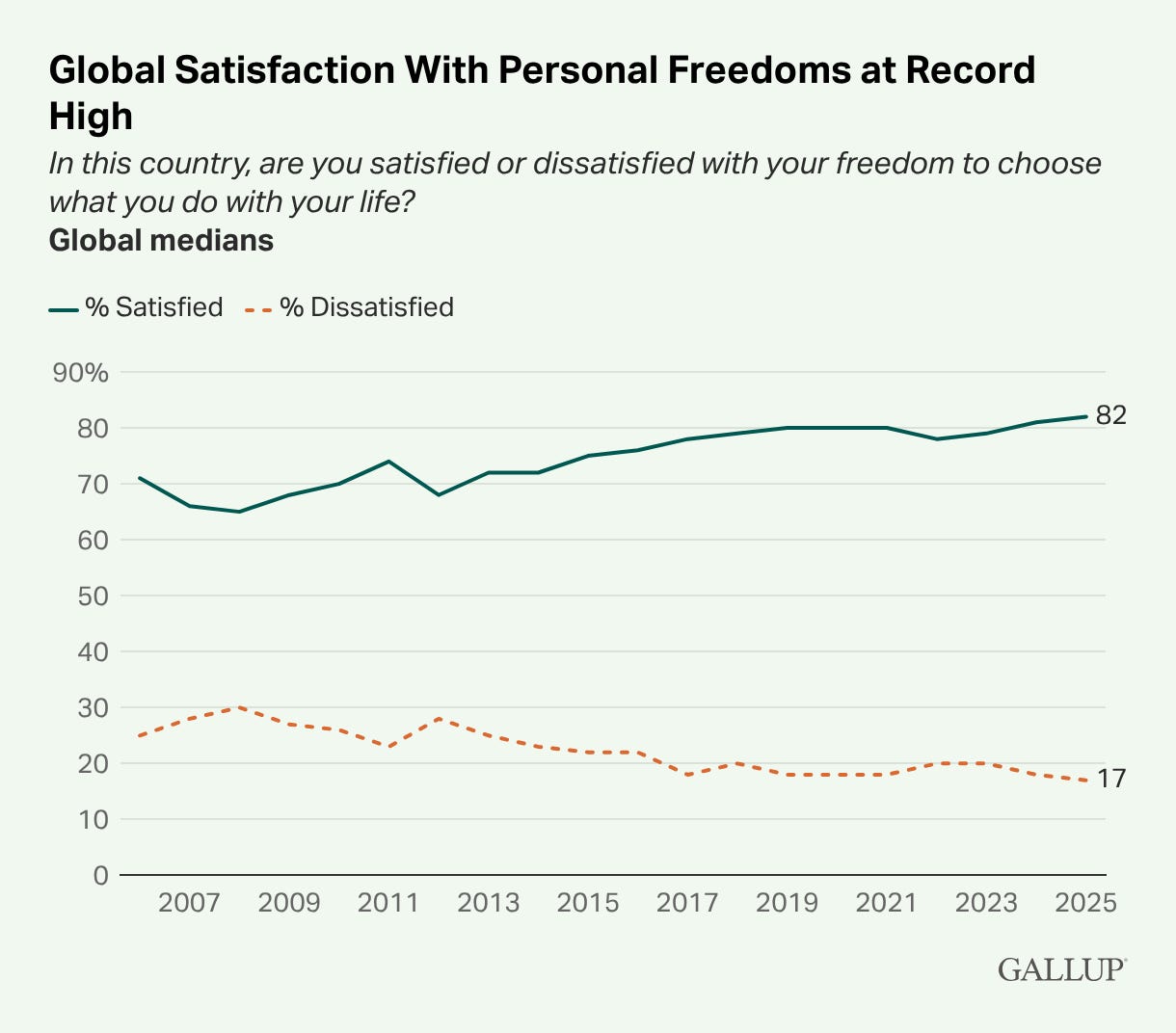
More people in the world feel free to choose what to do with their own lives A record 82% of adults across 138 countries say they are satisfied with their freedom to choose what they do with their lives, up from 71% two decades ago, according to Gallup. The biggest gains have come across the Balkans, Caucasus, Eastern and Central Europe, where the median has risen from a 2009 low of 49% to 82%. Note: the measure reflects personal, day-to-day freedom, not necessarily political rights.
Everything is the worst.
Laos closes in on eliminating schistosomiasis. Schistosomiasis is a parasitic disease spread by freshwater snails, and once infected more than 40% of people in parts of Lao PDR. Decades of treatment and surveillance have pushed infection rates below 1% in high-risk areas, leaving transmission concentrated to southern Champasack Province, where less than 120,000 people now remain at risk. WHO
EU releases billions for Hungary and Budapest Pride gets go-ahead. The EU is set to release more than €16 billion in frozen funds to Hungary after democratic reforms prompted the EU Commission to hail “the winds of change.” Days later, police approved the 31st Budapest Pride march for 27th June, a year after Viktor Orbán’s government created a legal basis to ban Pride events and fine attendees €500. The Guardian
About those green sea turtles (from Rolf Skeldon)…
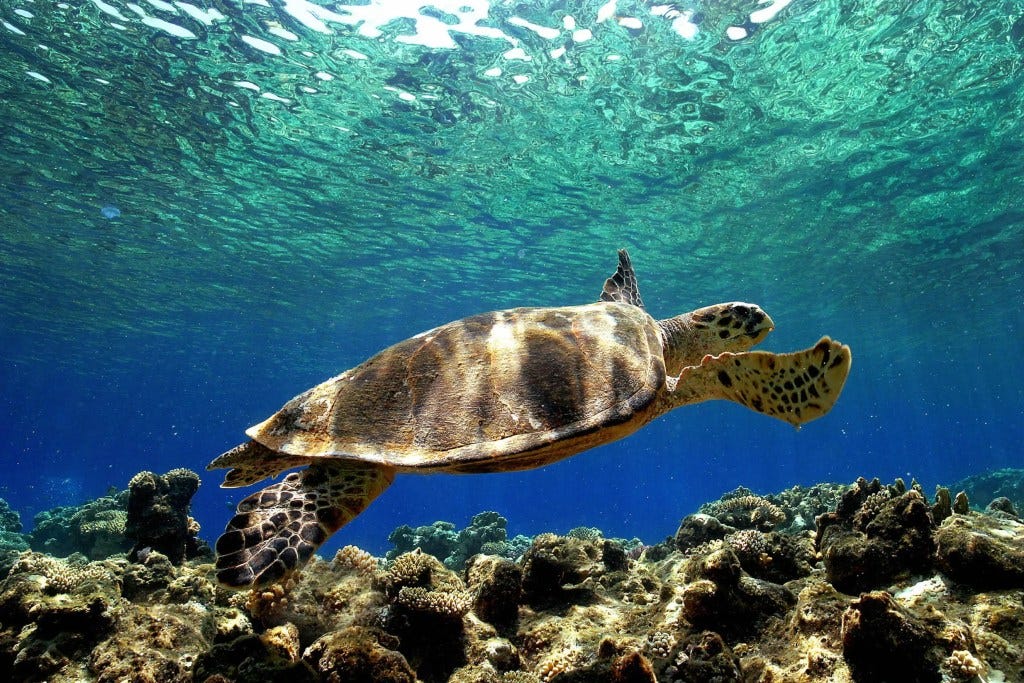
For more than 40 years, the green sea turtle appeared on the IUCN Red List as Endangered. That classification, introduced in 1982, reflected a species that had been commercially hunted for generations: taken for its meat, its eggs, and its shell until populations had been pushed to a point where genuine extinction was a possibility.
In October 2025, the IUCN formally reclassified the green sea turtle as Least Concern.
It did not move one category. It did not inch forward gradually. It skipped two classifications entirely, jumping straight from Endangered to Least Concern without pausing at Vulnerable or Near Threatened. In the history of the Red List, that kind of movement is rare.
It represents one of the most significant conservation recoveries ever recorded.
Rice has a water problem (two, actually) but Indian scientists have bred a way around each. Over the last 12 or so years, India has released nearly 3,000 climate-resilient crop varieties. Two of the most striking are engineered rice lines, solving equal and opposite water problems.
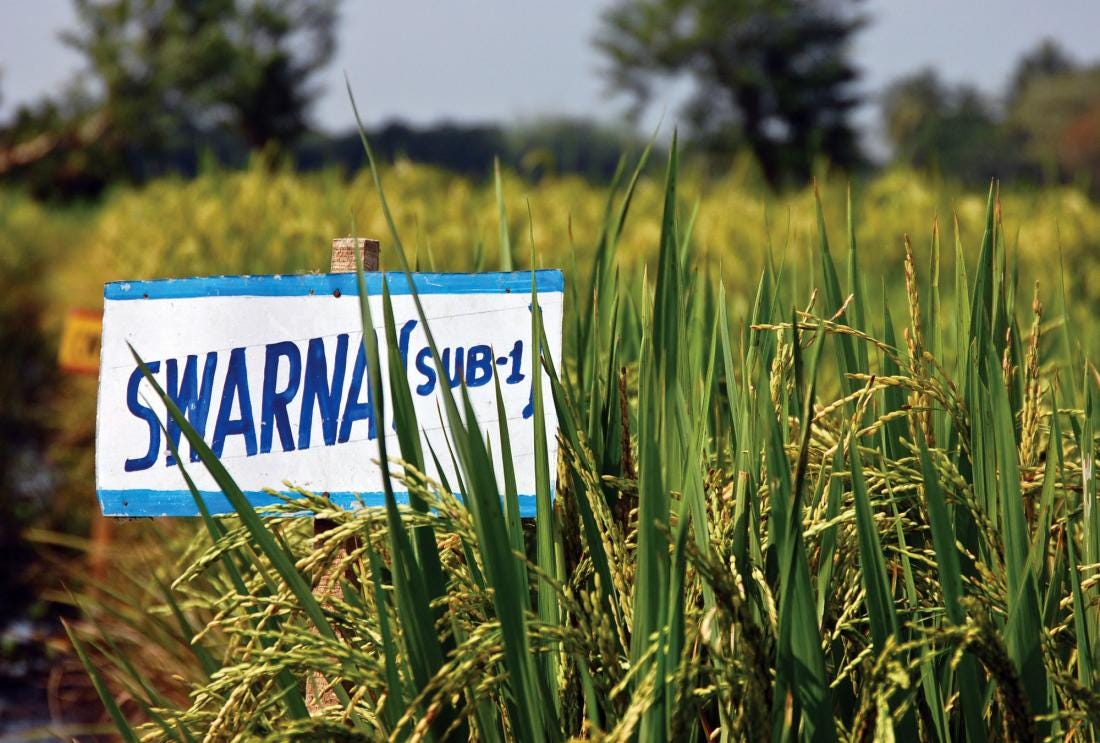
Sometimes a paddy floods for too long. Ordinary rice drowns if it’s submerged for more than a week. So scientists bred a line of rice that carries a gene called SUB1. When a flood hits, instead of frantically trying to grow taller than the water, the plant holds still. It powers down, saves its energy, and waits. When the water drains away, it picks up where it left off, even after two weeks underwater. In a flooding year, SUB1 rice outperforms normal rice by almost 50%. In a normal year, there’s no yield penalty at all. A farmer loses nothing by switching.
And sometimes there’s the opposite problem: not enough water where you want to plant. The DRR Dhan line helps with that. Drought is trickier than flood — drought tolerance is spread across dozens of genes. There’s no single switch to flip, like in SUB1. So DRR Dhan doesn’t out-clever the dry season. Instead it outruns it. It grows fast and finishes before the water’s gone, a shorter, tighter season. And it can be grown dry, like wheat, in plain soil, no need for flooded paddies.
A field of Swarna Sub1 rice growing in India. Photo credit: Adam Barclay CPS/IRRI photos
A massive new Indigenous protected area across Australia’s sea country The Karajarri people have formalised Australia’s first Sea Country Indigenous Protected Area, covering 2,375 km² of marine and coastal ecosystems in Western Australia’s Kimberley region. The new reserve protects part of Eighty Mile Beach, nesting habitat for flatback turtles and waters used by rare sawfish, and extends decades of Karajarri-led stewardship from land into sea. Indigenous Protected Areas now account for 54% of Australia’s progress toward protecting 30% of its territory by 2030. Mongabay
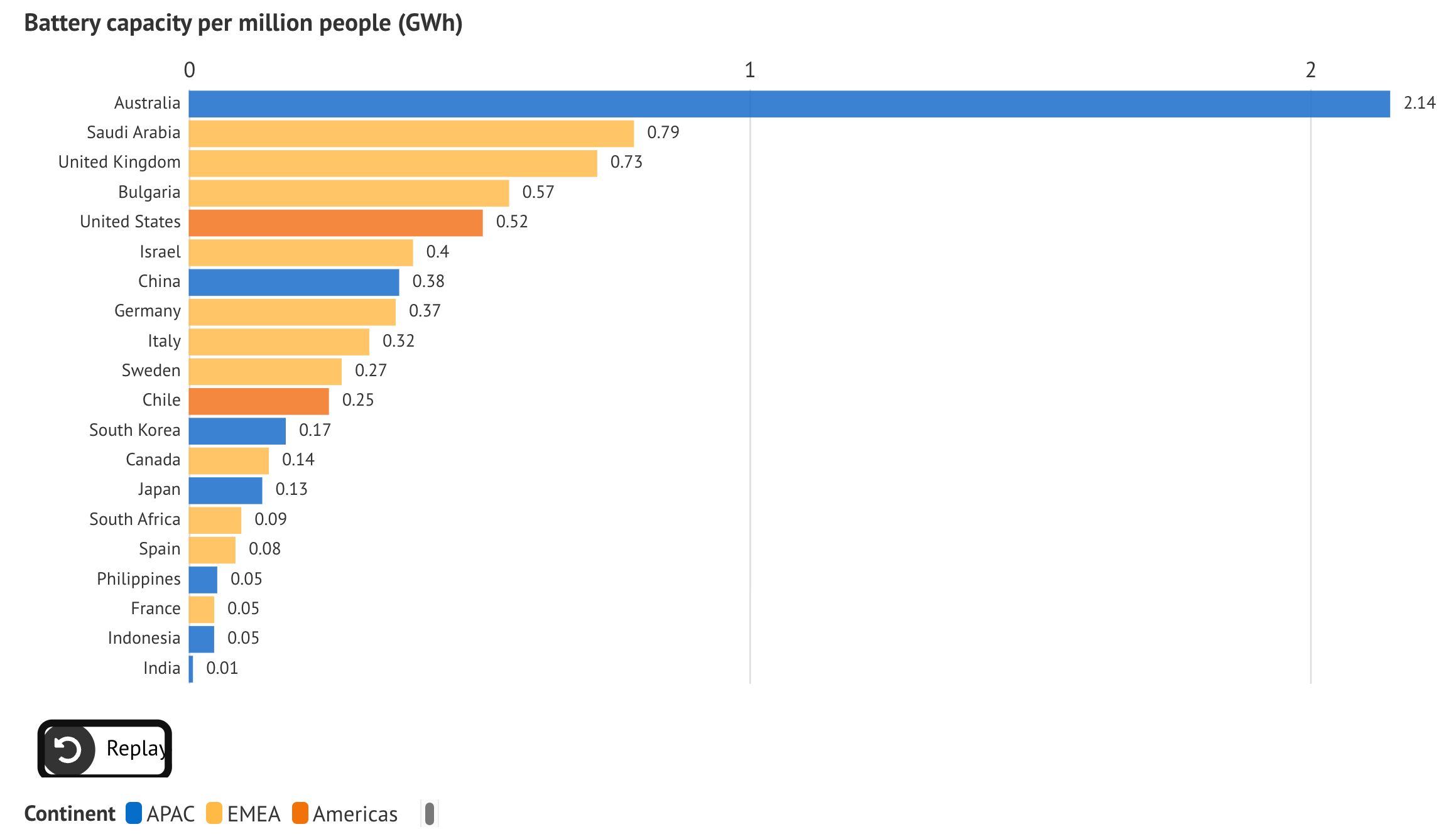
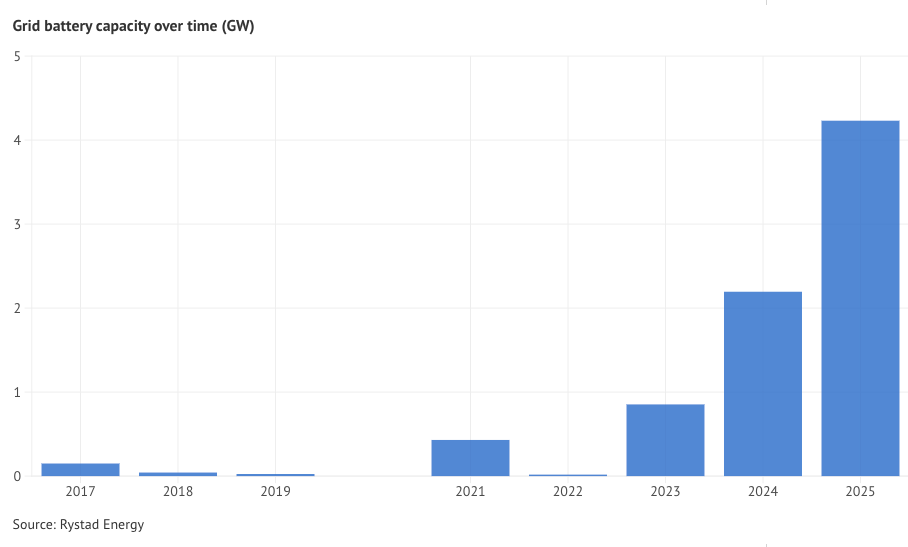
Batteries are transforming Australia’s power grid (see what we did there?) Australia has become a global battery outlier, adding more grid-scale storage per person over the past two years than any other country. In the first quarter of 2026, battery output on the east coast grid more than tripled year-on-year, wholesale prices fell 12%, and batteries set power prices almost one-third of the time. Australia’s benchmark power prices will start falling from July 2026, with households saving up to 10.7% and small businesses up to 20.9%. AFR
“Even for the true believers, the rush on batteries in Australia in the past two years has drastically exceeded expectations. At the grid level, more new battery capacity came online in 2025 than in the previous eight years combined. Between January 2025 and January 2026, their share of the grid increased from around 3 per cent to nearly 10 per cent. According to the market operator, the amount of power discharged by batteries in the first quarter of 2026 was more than three times greater than the same period in 2025.”
In 2017 an estimated 20% of Benin’s population was unrecorded — no birth certificate, no National ID, no anything. This was bad because, in Benin as elsewhere, legal identity is necessary to open a bank account, register a business, take school exams, apply for jobs, or use mobile money. Cue a push by the government to register its citizenry, and less than a decade later, nearly 99% of Benin’s population is in the system, with the government in some cases creating on-the-spot identity documents (two witnesses and a municipal officer!). World Bank
Mexico wipes out farm debts for tens of thousands of small producers. Claudia Sheinbaum’s government will forgive or restructure debts owed by small farmers, fishers and rural producers to Mexico’s former agricultural finance agency, clearing liabilities for 99.5% of debtors. Peoples Dispatch
How Argentina is getting its jaguars back. We covered this story a few editions ago - now the excellent journalists at bioGraphic have a feature on how Argentina’s Gran Chaco recently recorded its first wild-born jaguar cubs. Cute!
Photo by Geraldo Ceron/Rewilding Argentina
…and in more wildlife news from the same country, Rewilding Argentina and the National Parks Administration just released five guanacos (llama ancestors) into El Impenetrable National Park, where the species disappeared 110 years ago. Two mums, two dads, and a juvenile are currently enjoying El Impenetrable, with 20 more guanacoswaiting in pre-release pens to join them. The camelids (yes, they look like little camels) were herded and trucked 3,200 km from Patagonia in what is almost certainly the world’s longest overland wildlife translocation for conservation. Mongabay
Britain’s River Wye granted legal rights in landmark move. Councils and protected-area bodies across England and Wales have endorsed a charter recognising the River Wye’s entire 209-kilometre catchment as a living ecosystem with rights to flow, regenerate, support biodiversity and be represented in decision-making. The polluted river is in poor condition, but the charter gives campaigners a new governance tool after years of pressure. Oceanographic
Health officials in Guyana report no postpartum haemorrhage deaths for the last three years. Increased training saves the day! Guyana Chronicle
Also, Guyana’s ‘waiting homes’ now allow rural women to stay near delivery wards before labour. Six of these hospital-based homes have been built so far. They’re popular. More are in the works. Newsroom.gy
Guyana’s First Lady, Arya Ali, visits a new mother. Credit: Newsroom.gy
US clean energy goes on a blitz to beat policy deadline. US clean energy developers announced 54 utility-scale solar, wind and battery projects in the first quarter of 2026, representing more than $18 billion in planned investment and over 12 GW of new capacity. That is nearly double the number announced in all of 2025, as companies rush to qualify before federal tax rules tighten. The flipside: 38 projects were also cancelled, wiping out nearly $13 billion in investment. Electrek
Ok ok, that’s actually a bit of a mixed bag. So let’s end with a lightning round of undiluted good news from the United States: