

337: Rongorongo (say it out loud). Colombia poverty. Whales. Batteries down under.
Maybe soon we’ll find out what it all means.

Our second major charity partner for 2026 is Women I TokTok Tugeta, a movement of over ten thousand women in Vanuatu who share disaster warnings, coordinate relief and help communities prepare for what comes next.
Last week we attended Women Deliver, the world’s largest gathering on gender equality, where we met Flora Vano. She was a guest on our podcast in 2023, a key witness in the landmark International Court of Justice climate case, and the person most responsible for building WITTT into what it is today.
Vanuatu has 80 islands. When cyclones, earthquakes or volcanic eruptions hit remote communities, government support can take weeks to arrive. WITTT has made women the first responders. In the process, it’s reshaping gender roles and leadership across the country.
We’re sending $20,000 AUD to support WITTT’s disaster preparedness and response across five islands. The funds will go into an emergency response fund to pre-position and distribute hundreds of Dignity Kits for women with disabilities and single mothers, support supplier training to reduce the risk of sexual exploitation during disasters, and fund recovery assistance for communities on Tanna Island affected by ongoing volcanic ash fall.
Thanks for making this possible, this work is so important, and this money will make a real difference. Here’s a video message from Flora to everyone who reads this newsletter, explaining what it means to them.
How you can help:
Donate a Dignity Kit: Every kit includes underwear, menstrual hygiene supplies, soap, toothbrush, towel, solar torch, flip-flops and an emergency protection card to connect women to the crisis centre.
Supplies: Flora and her team are sourcing towels, period underwear, bed sheets and kitchenware.
If you can help, hit reply, or send an email to amy@fixthenews.com
This week’s top stories
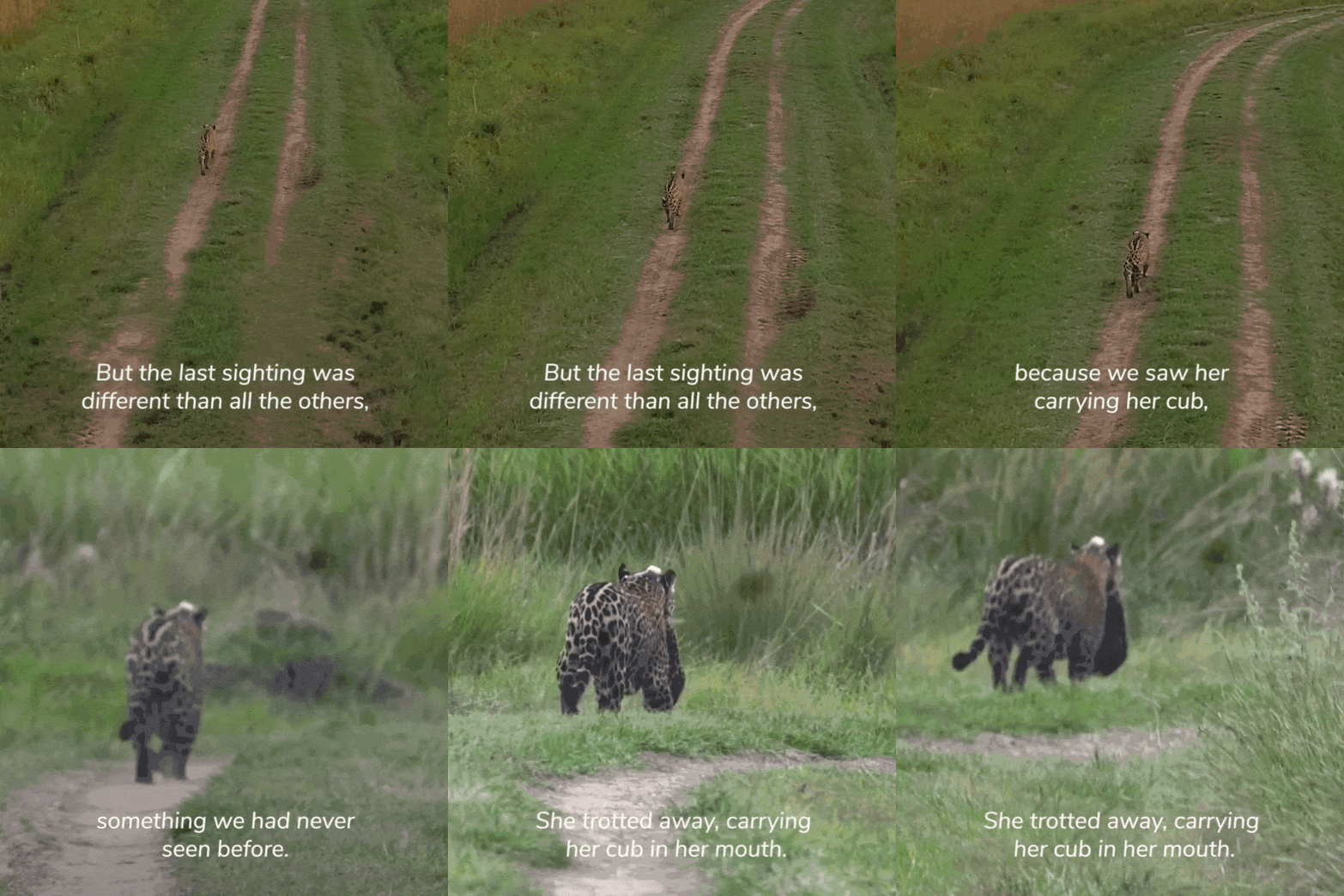
50 wild jaguars now roam Argentina’s Iberá wetlands - a species return once thought impossible. Jaguars disappeared from Corrientes province more than 70 years ago, but a reintroduction effort in 2012 by Tompkins Conservation has now resulted in the birth of the 50th wild cub in Iberá National Park. The milestone is helping drive a broader “Jaguar Corridor” aimed at reconnecting ecosystems and restoring top predators across South America’s river basins.
Jamaica’s murder rate dropped 40%, with tipsters as the key. Jamaica’s murder rate is plummeting, while at the same time, citizen tips to police have increased nearly tenfold over the past decade. Jamaica’s deputy Prime Minister Horace Chang says he hopes citizens enjoy what he calls a peace dividend: “tangible social, economic, and developmental benefits.” He also suspects most tips are products of ‘patriotism’ as 94% of tipsters have not come forward to collect rewards (though that may instead say some unflattering things about bureaucratic overhead). The Gleaner
Sudan and South Sudan have eliminated maternal and neonatal tetanus, a major milestone for maternal and child health in two countries mired in conflict. In Sudan, vaccination campaigns between 2016 and 2019 reached more than 3.5 million women in high-risk districts. Midwife training, prenatal care and community outreach did the rest of the work to get to elimination thresholds nationwide. UNICEF
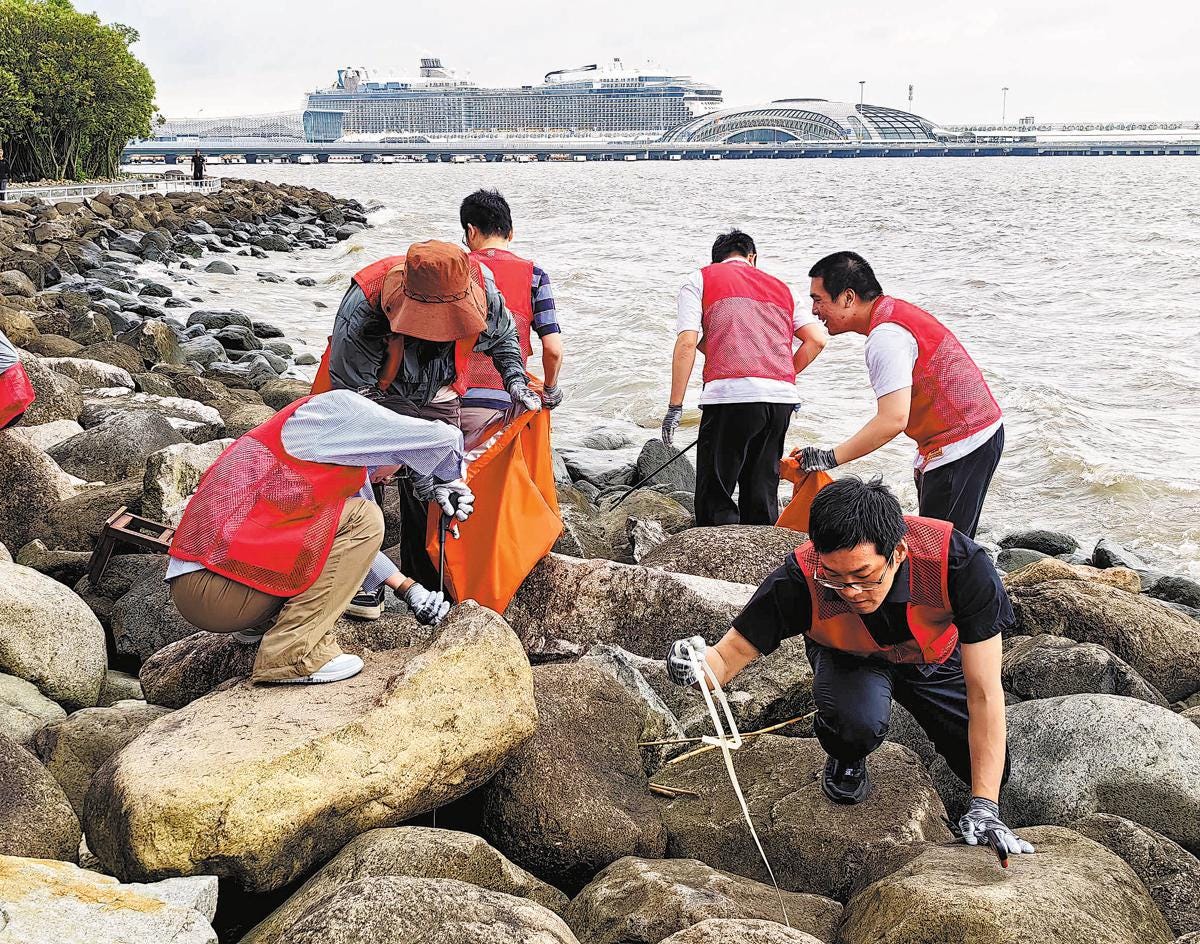
Shanghai on the path to becoming a zero-waste city. Shanghai (home to 30 million people) is moving toward a citywide circular economy, with industrial recycling rates now approaching 98% and household recycling rising from 35% to 45.3% since mandatory sorting began in 2019. Kitchen waste is being converted into fertiliser and biodegradable plastics, while companies are recycling 130,000 tonnes of aluminium a year into new automotive materials and beverage cans. China Daily
Botswana has formally deleted colonial-era provisions criminalising same-sex intimacy from its Penal Code, aligning statute with court rulings in 2019 and 2021 that found them unconstitutional. The change removes penalties of up to seven years’ imprisonment and narrows the law to bestiality, reducing legal ambiguity that sustained stigma and barriers to healthcare, safety and employment. Reuters
Teenage pregnancy rates have fallen sharply across most of the world in the past three decades. Central and South Asia have seen the greatest progress: an astonishing 76% decline since 1990. Our World in Data
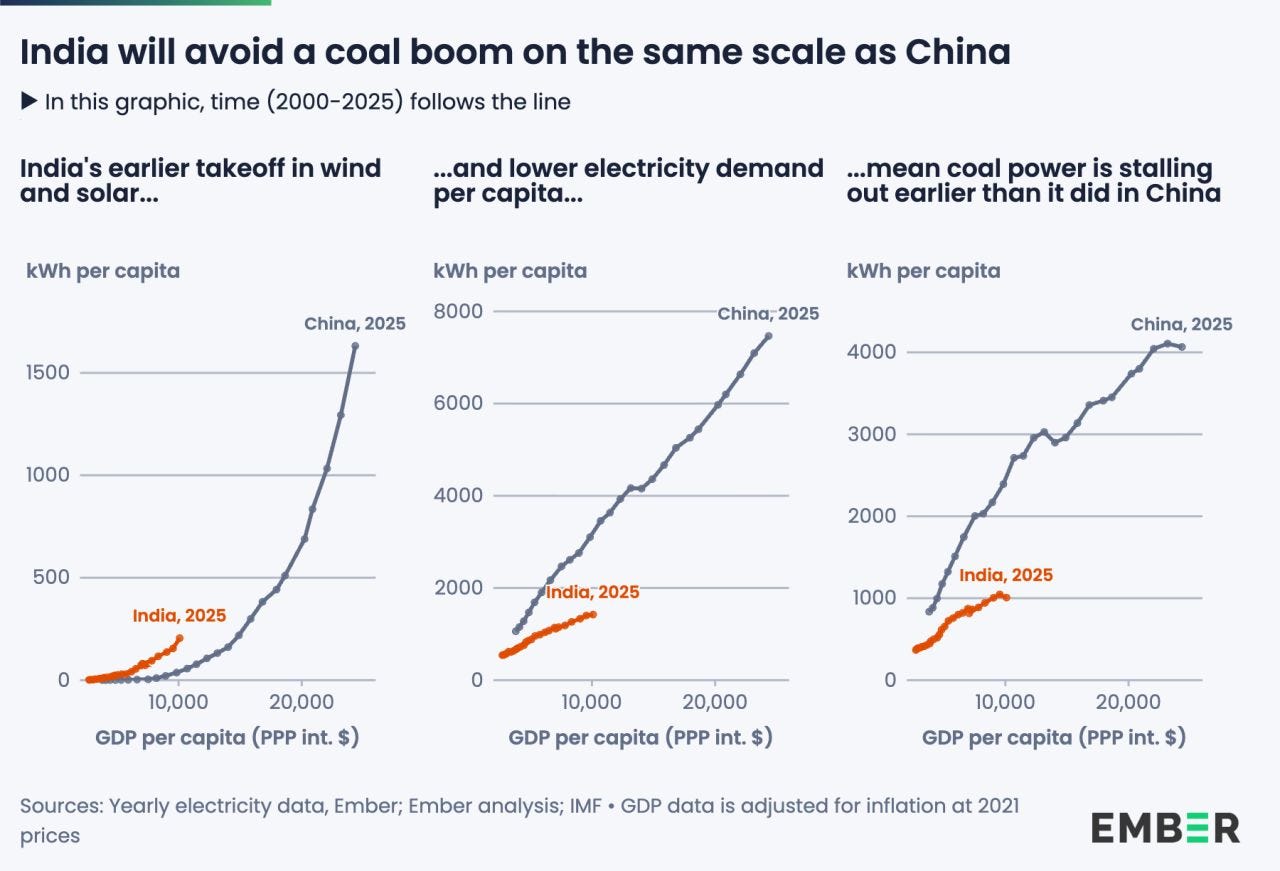
India is skipping China’s coal boom, and heading directly for green energy. India’s economy has reached roughly the same income level China occupied 15 years ago, but its energy trajectory looks very different. Solar and wind generation per person are already five times higher than China’s at a comparable stage, while India’s more service-driven economy requires less electricity per unit of GDP. Analysts now expect India’s future growth to be powered primarily by renewables and batteries, with coal expansion peaking far below China’s. Nicholas Fulghum
Carbon credits are helping restore a vast stretch of the Kalahari
South Africa’s Tswalu Kalahari Reserve has restored 1,180 km² of former grazing land by bringing back native wildlife and rebuilding damaged ecosystems. The project is now generating carbon credits linked to healthier soils, creating a new source of funding for conservation. Researchers say carefully managed wildlife grazing can turn carbon markets into a tool for large-scale recovery in dry landscapes. Mongabay
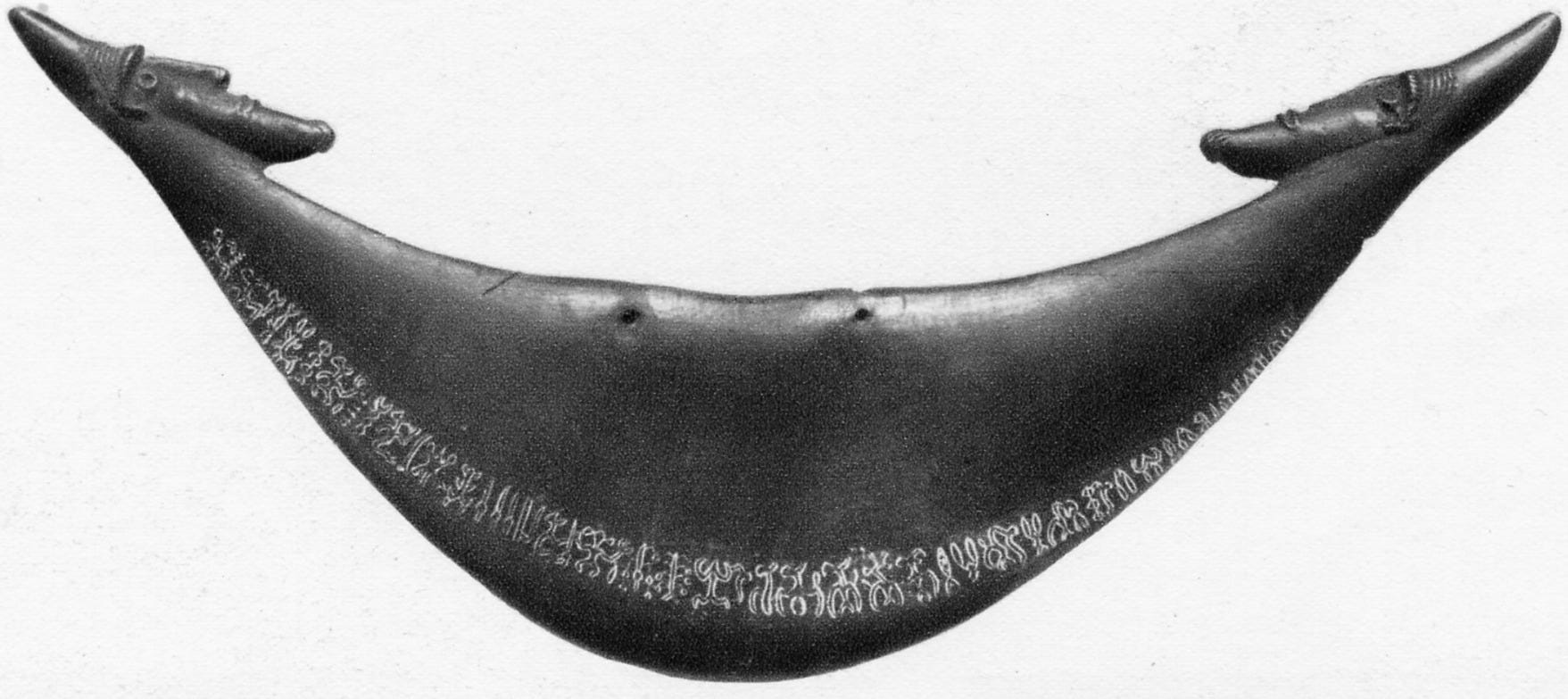
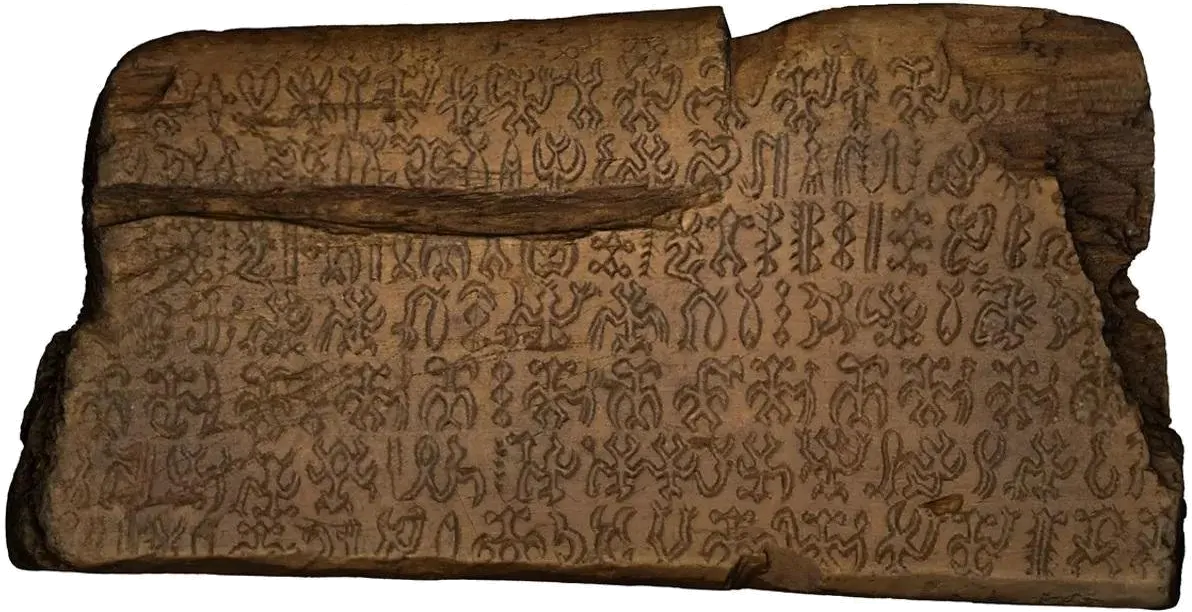
Writing has been independently invented maybe four times in human history. So when Europeans arrived at Rapa Nui (Easter Island) and found the islanders had a script, they assumed they had copied the idea. Located 4,000 km off the coast of Chile, Rapa Nui is one of the most isolated places on Earth. No other writing culture had ever reached them; the Europeans were the only plausible source. Except their script, Rongorongo, is a 3D glyph system with no obvious relationship to any European writing systems.
Now radiocarbon dating has found evidence that the original inhabitants of Rapa Nui invented writing independently. The evidence isn’t conclusive: the dating tells us is that Rongorongo was carved on a tablet made from wood from a tree that was definitely cut down pre-contact… but that doesn’t mean that was when the wood was actually inscribed. The search is now on for other tablets, scattered around the globe, to confirm the findings. Popular Mechanics
The global number of people without electricity has declined by more than half since the year 2000, even as the world’s population has increased by a third. Our World in Data
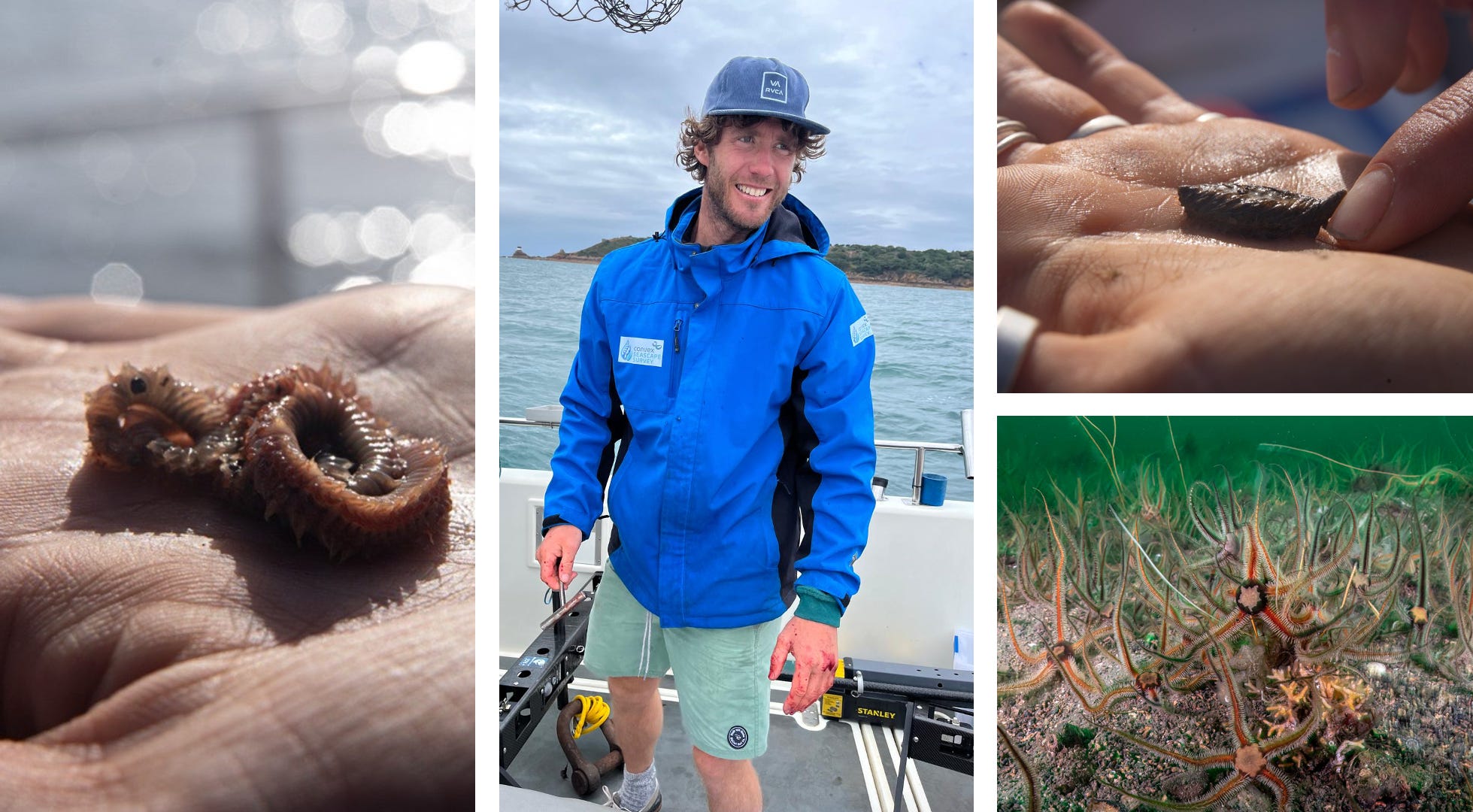
Sussex expands its trawling ban to shield rare chalk reef. A new bylaw will protect 164 km² of Sussex’s inshore waters from bottom trawling and scalloping, shielding rare chalk reef habitat and a cast of fantastical-sounding creatures: short-snouted seahorses, blue mussels, velvet swimming crabs and colourful wrasse. Almost 30% of Sussex’s inshore waters are now protected from trawling. Oceanographic
Scottish seabeds rebound after trawling bans. Scientists surveying South Arran Marine Protected Area have recorded the return of more than 1,500 seabed species nearly a decade after bans on bottom trawling and dredging were introduced. Protected areas supported roughly twice as many species and up to three times more marine life than nearby fished zones, with early signs that healthier sediments are also improving long-term carbon storage. Oceanographic
Two months in, the Iran war has changed the global energy system forever. With the Strait of Hormuz blocked and oil and gas supplies disrupted, countries across Europe and Asia are fast-tracking renewables, batteries, EVs and nuclear power to reduce exposure to imported fuels. The crisis is strengthening the long-term case for domestically generated clean energy, particularly as solar, storage and electrification technologies become cheaper, faster to deploy and more geopolitically resilient than fossil fuel infrastructure. Grist
Germany’s coal exit set to arrive early. Germany’s coal phase-out is likely to conclude by 2032, well ahead of the legal 2038 deadline, as rising carbon prices and market dynamics steadily erode coal’s competitiveness. Despite political pressure and energy shocks, built-in policy flexibility and emissions trading are driving closures, with analysts concluding the market is now outpacing legislation in pushing coal out of the power system. Clean Energy Wire
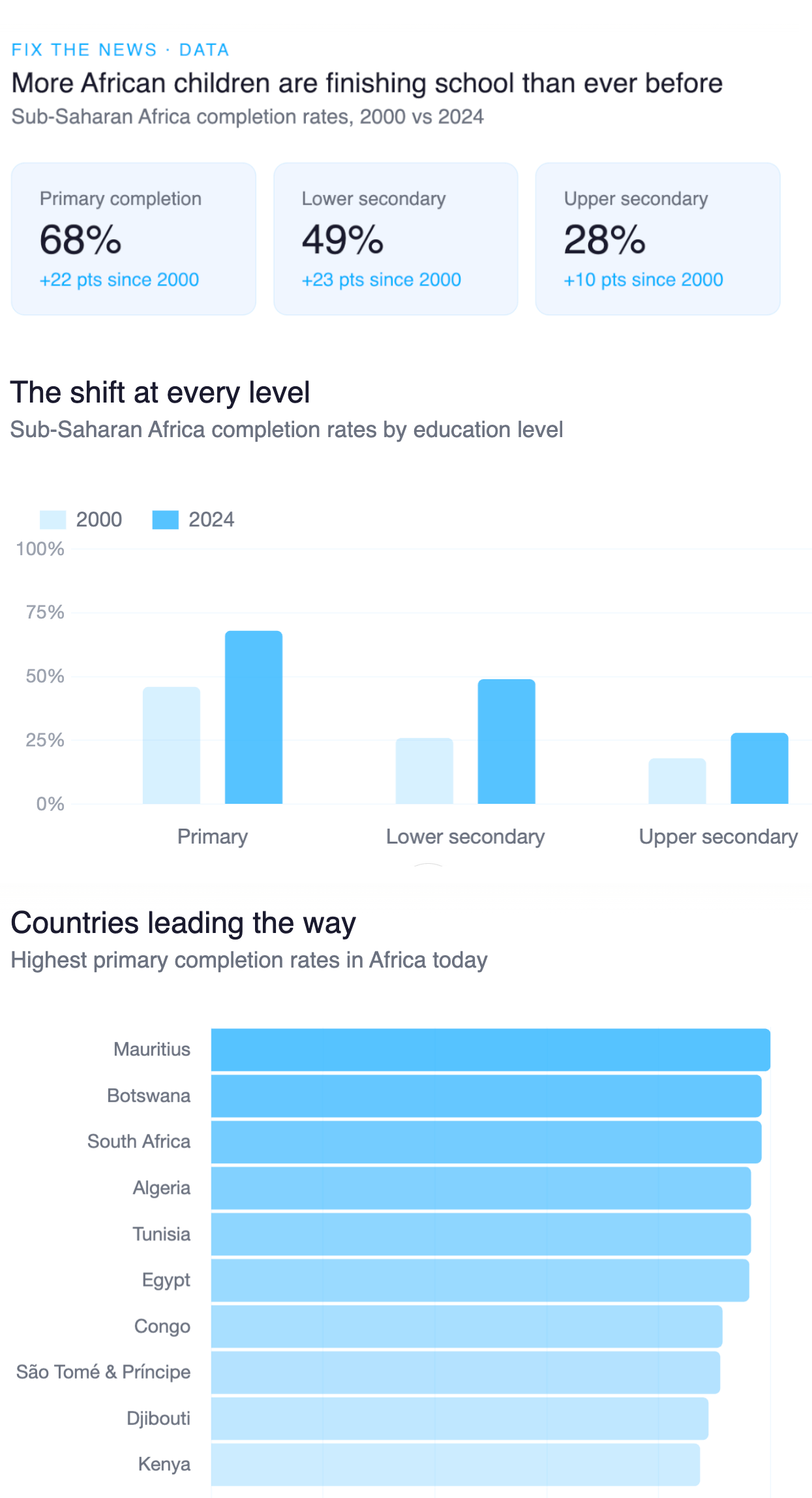
More African children are finishing school than ever before
New data from UNICEF shows major gains in school completion across sub-Saharan Africa since 2000, with primary completion rising to 68%, lower secondary to 49%, and upper secondary to 28%. The improvements reflect two decades of investment in access to education, in a continent where nearly 40% of the population is under 15. Mauritius, Botswana and South Africa now rank among the continent’s strongest performers in primary school completion.
Colombia’s multidimensional poverty rate falls below 10%. Colombia reduced its multidimensional poverty rate from 11.5% in 2024 to 9.9% in 2025, continuing a long-term decline that has cut poverty by more than two-thirds since 2010. Reminder: multidimensional poverty tracks not only income, but also access to education, healthcare, housing and basic infrastructure, offering a broader picture of living standards. Colombia Reports
For seven years, Côte d’Ivoire has theoretically had universal health care; now it finally has the funding to make it work. Last year, France24 reported that Côte d’Ivoire’s universal health care was spotty: politicians had focused on enrolling people but hadn’t actually expanded services to meet demand. Now the country has finalised a $225m deal with the World Bank to make sure the care is there. A particular priority? Early childhood development services, which are expected to reach more than 730,000 children.
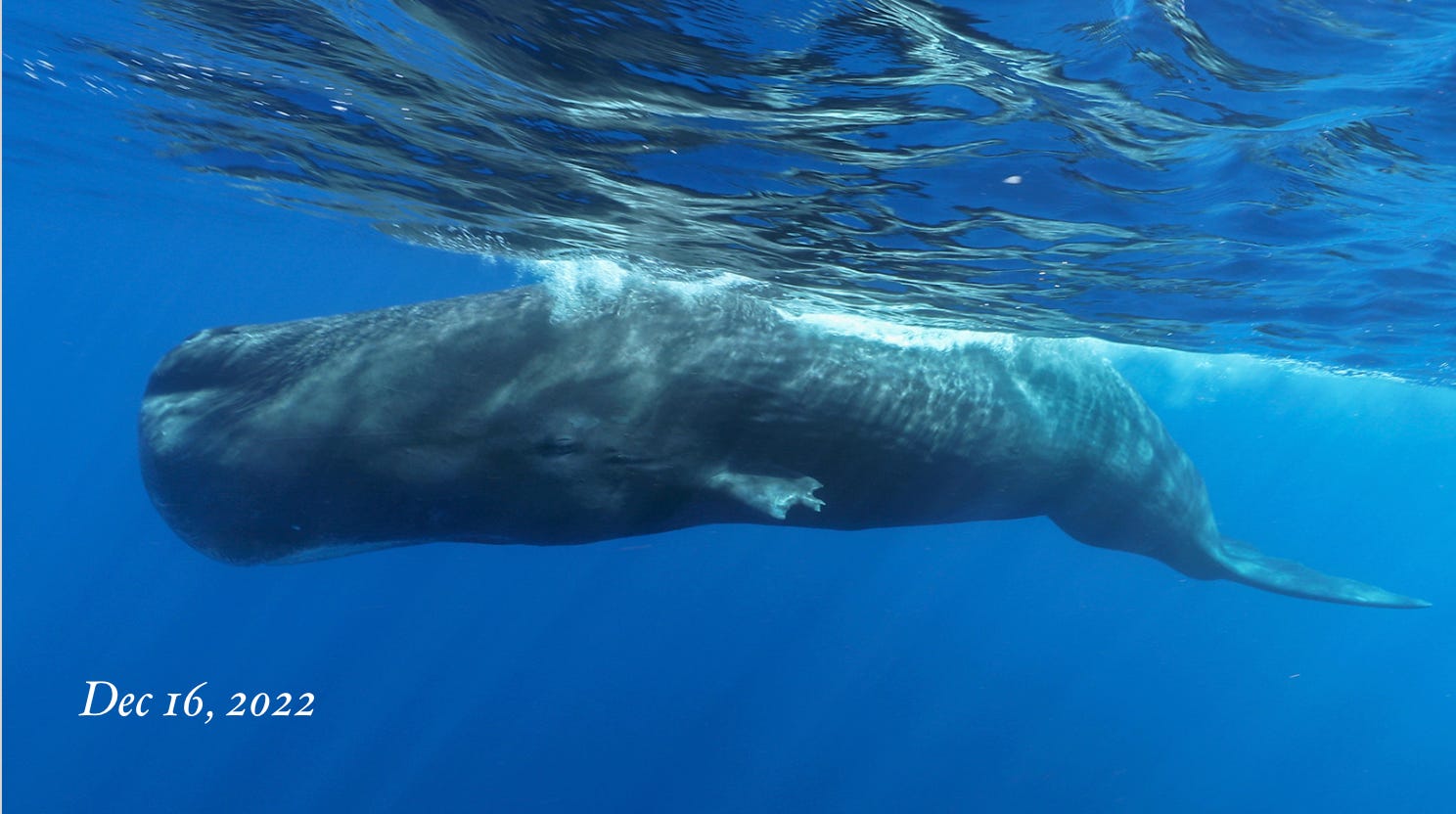
A “particularly vocal grandma” named Pinchy is helping us decode the language of sperm whales. When sperm whales talk to each other, they produce rapid-fire bursts of clicks called codas: 21 codas, researchers thought — a small, fixed vocabulary. Then Project CETI showed up in the Caribbean with $33 million and a team of machine-learning experts from MIT.
In 2024, they showed that whales were modulating four independent properties (rhythm, tempo, rubato, and ornamentation) to produce not 21 but 156 distinguishable codas — a “phonetic alphabet.” November 2025: acoustic patterns inside the clicks function like vowels.
And now they’ve found coarticulation — the same phenomenon that softens the d in “handbag” because of the adjacent b. The CETI team analysed 1,100 codas from 15 whales off Dominica, with chatty matriarch Pinchy (”she’s very structured,” says linguistics lead Gašper Beguš) doing a lot of the heavy lifting. The rules are getting clearer now — maybe soon we’ll find out what it all means. National Geographic
Solutions Journalism
Two important new sources have just launched…
The first is from Mongabay: a dedicated solutions desk. This is really exciting, these guys are the gold standard for environmental journalism. Here’s the editorial from Mongabay announcing the launch, and here’s their founder, Rhett Ayers-Butler:
For years, environmental reporting has understandably focused on crisis. Forest loss, species decline, violence against environmental defenders, and accelerating climate change demand scrutiny. Journalism has an obligation to document these realities with clarity and evidence.
But focusing exclusively on what is broken can leave readers with a distorted sense of the landscape. It risks overlooking the many places where people are actively testing ways to repair damage, protect ecosystems and build more resilient relationships with nature.
Solutions journalism expands that picture by asking a different set of questions. When communities manage fisheries successfully, what enabled that governance to emerge? When forest loss slows in a region once thought irretrievable, what policies or practices made the difference? When wildlife populations rebound, what combination of science, funding and local leadership sustained that recovery?
The second is for all our Canadian readers, it’s called Be Giant.
Today we launch Be Giant, Canada’s newest media outlet, and one with a deliberate sense of optimism. Backed by the Weston family, we have purpose-built this new non-profit, non-partisan organization to explore the breakthroughs and innovations answering Canada’s greatest challenges, as well as the people relentlessly driving those ideas forward.
Our core idea is that the knowledge of what is already being accomplished in Canada can inspire greater confidence to face down our existential challenges.
We believe there is an urgent need to tell these stories.