331. African Galapagos. Black Mirror. A truly spectacular drug. Electrification⚡Resilience.
With apologies in advance to anyone reading on the loo.

This week’s top stories
Meet Nika Kovač, the Slovenian activist who just made abortion accessible to 20 million women. In March 2024, Kovač and a network of friends launched My Voice, My Choice as a formal European Citizens’ Initiative. After they gathered more than 1.2 million signatures in 15 countries, the European Commission was required to issue a response. On 26th February, Brussels confirmed that EU funds can help women in countries with abortion restrictions access care elsewhere in the bloc, potentially affecting about 20 million women. Obama Foundation
No one is too small, no one is too unimportant, if we come together we can achieve anything. I believe that this work, this fight, is worth fighting.
Nika Kovač
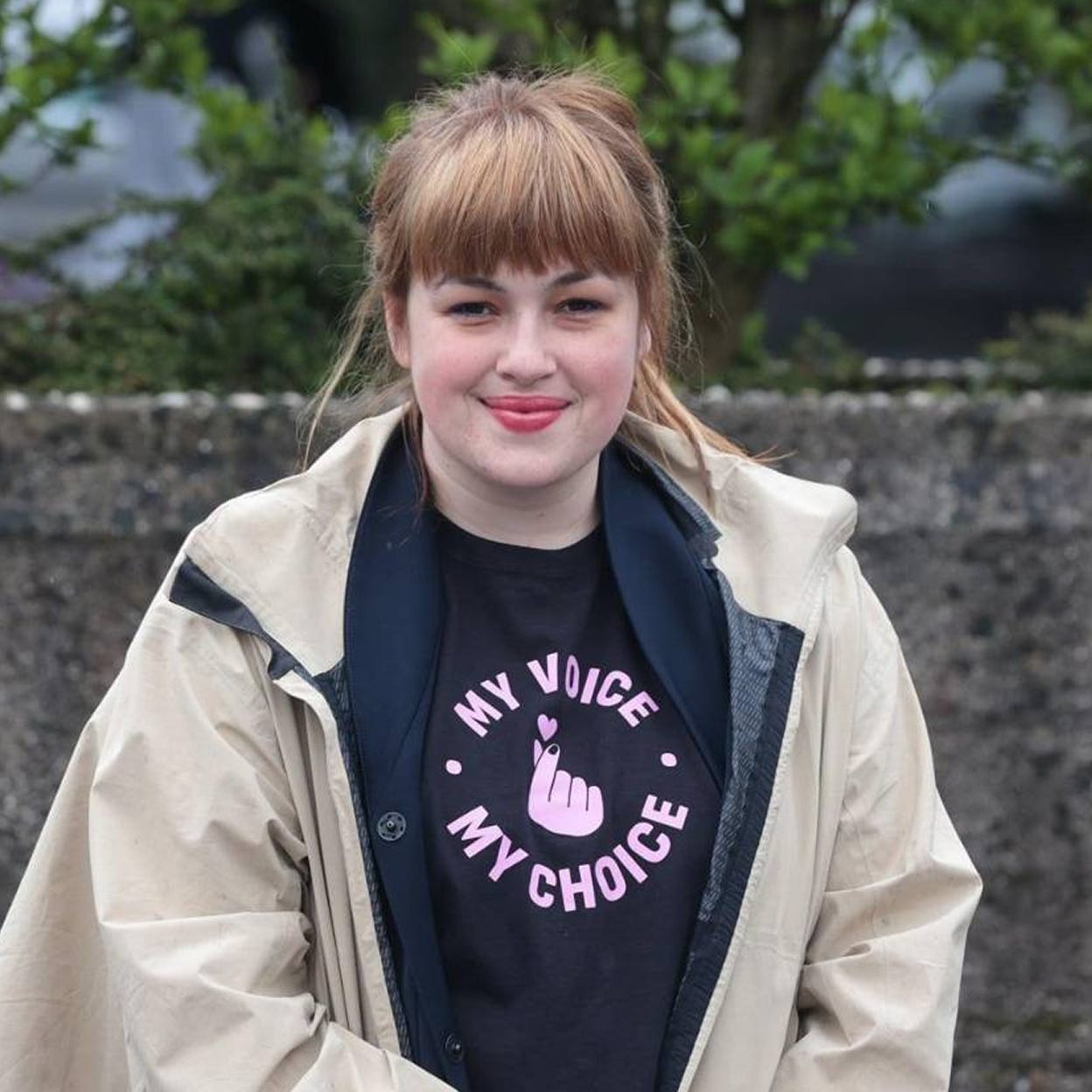
But it’s not a done deal yet: the movement is being targeted by far-right groups, who most recently tried to force a clause into the 2027 EU Budget Resolution that would undermine the decision. Nika and her friends have vowed to keep fighting. My Voice, My Choice
Cancer death rates in the United Kingdom have fallen to a record low. Between 2022 and 2024, about 247 people per 100,000 died from cancer each year in the U.K., down 29% from the 1989 peak and by 11% from a decade ago. The decline reflects decades of progress in screening, vaccination and care, and should be more widely celebrated but of course it’s not. The Conversation
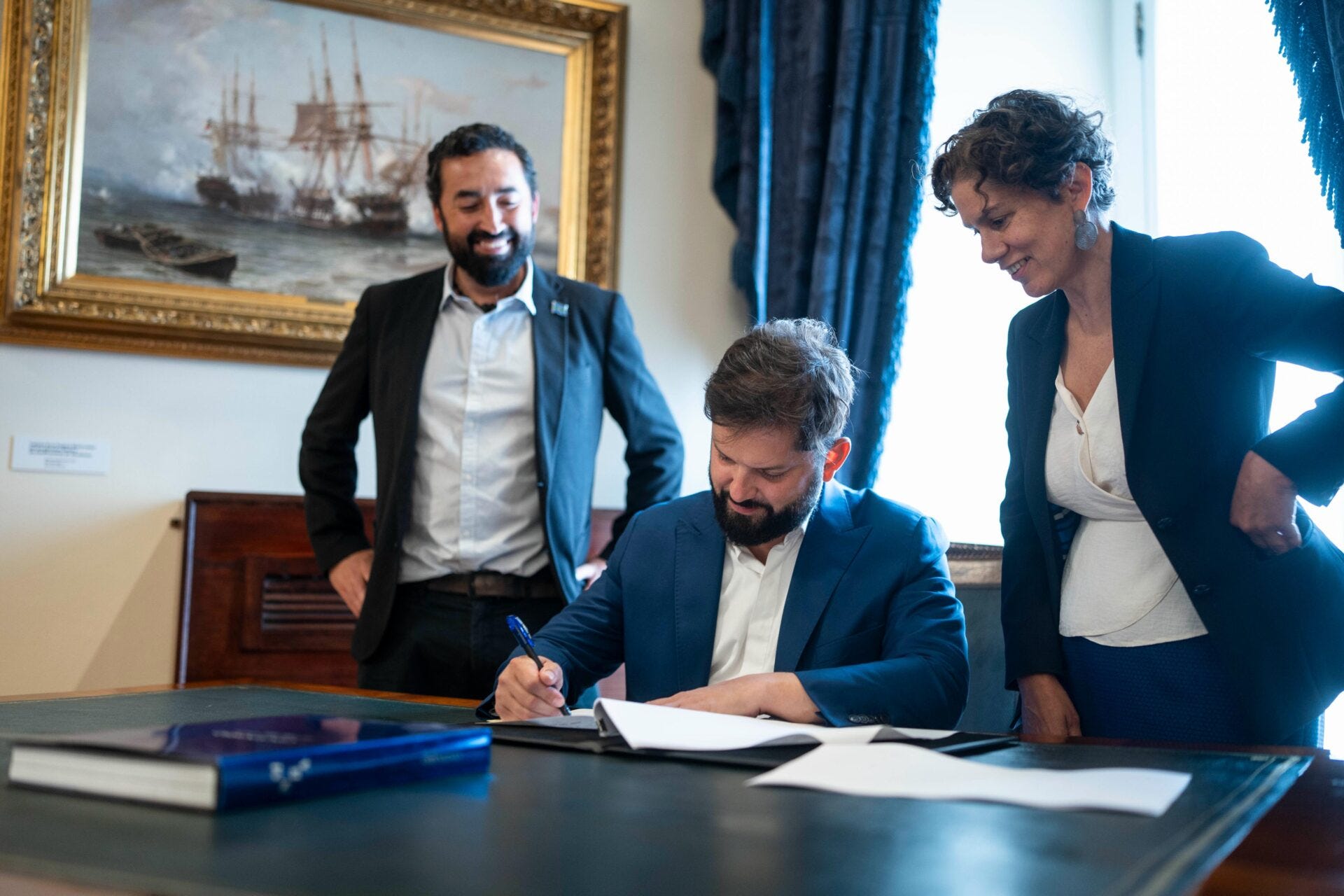
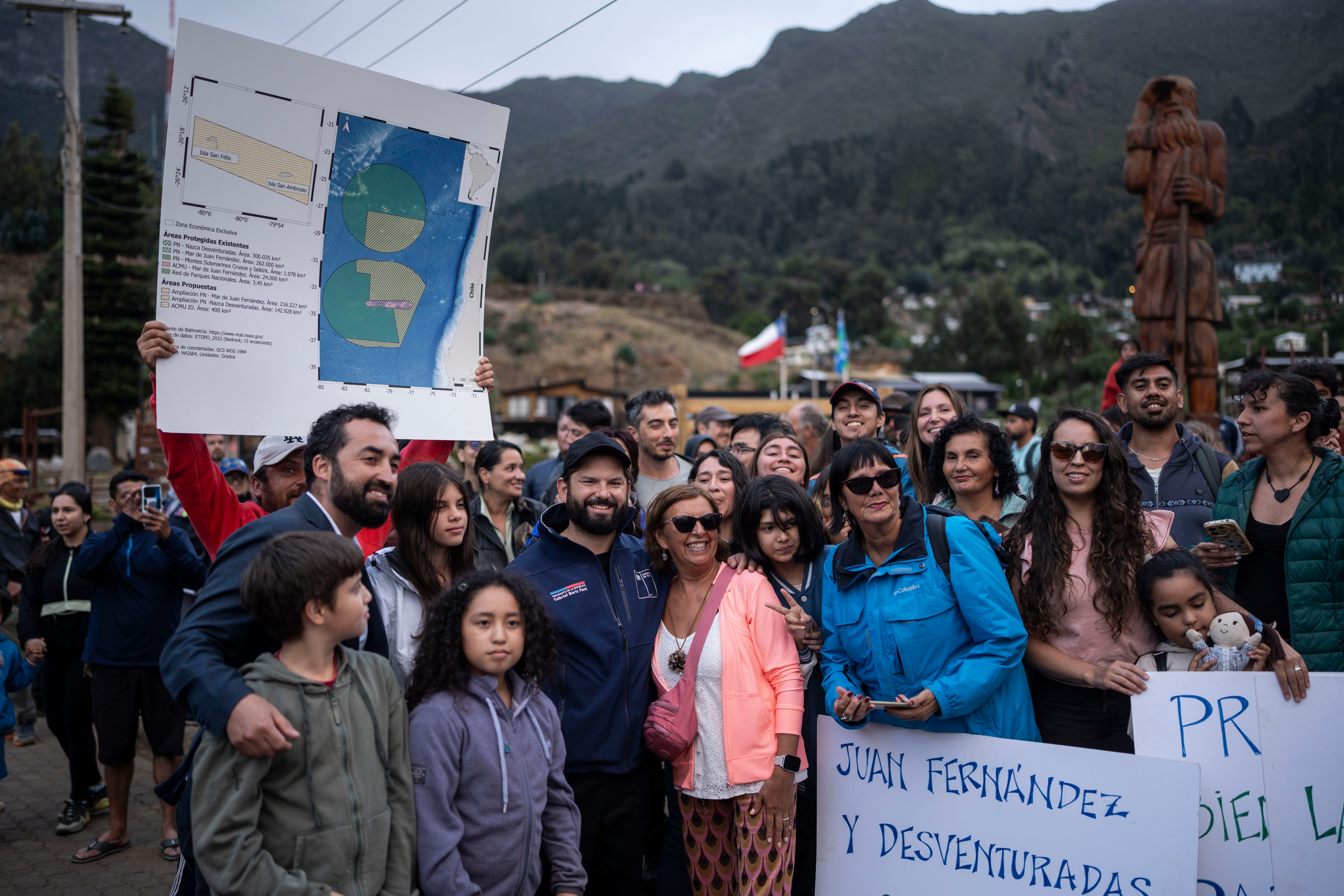
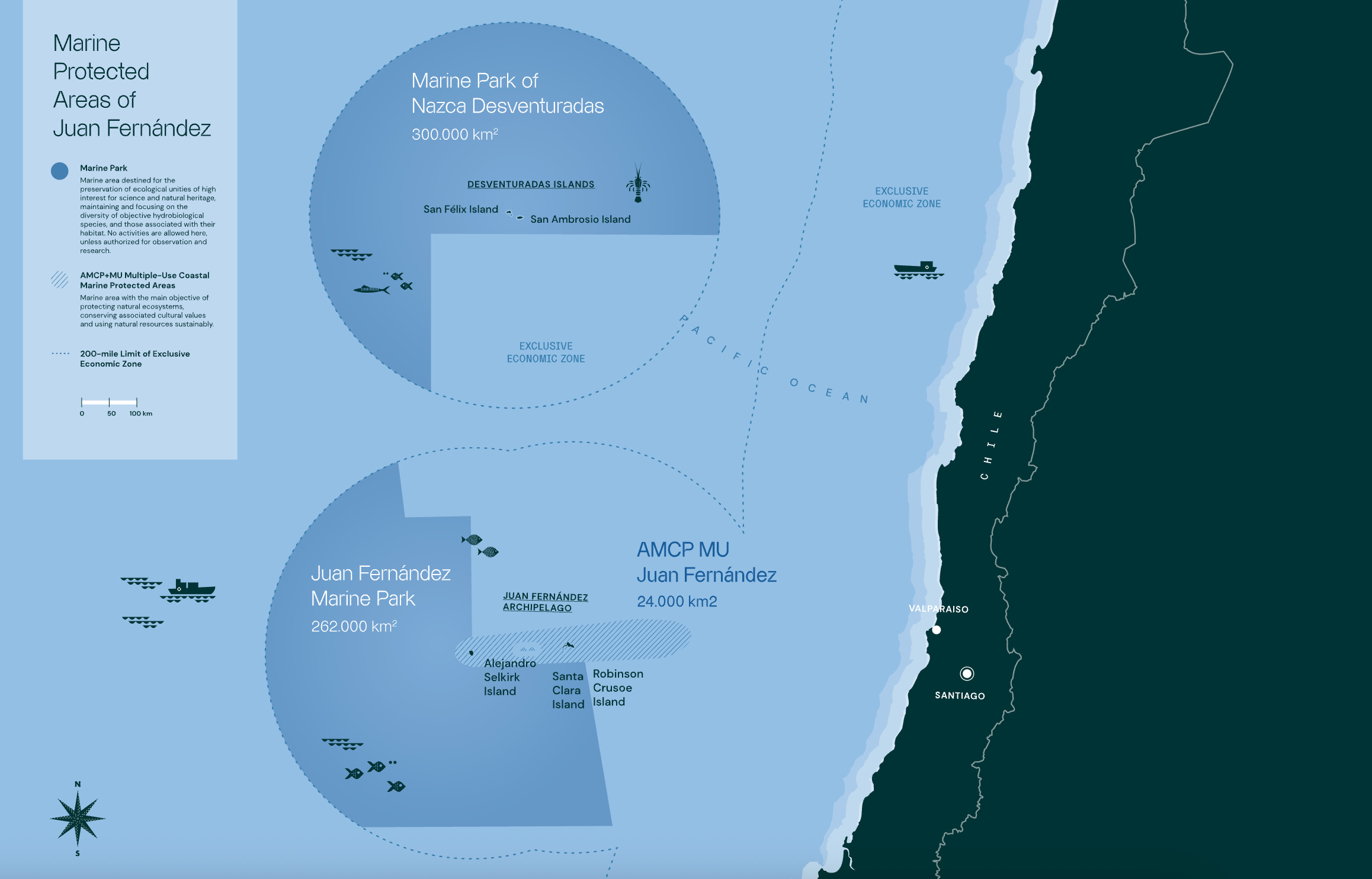
Chilean President Gabriel Boric has signed a decree adding 360,000 km² of full protection to waters around the Juan Fernández archipelago. The move brings the fully protected area around these parks to almost one million km², making it the third-largest fully protected marine area in the world (behind the Ross Sea and the Papahānaumokuākea Marine National Monument) and taking Chile past 50% protection of its exclusive economic zone. Oceanographic Magazine
Nigeria unlocks $552 million for basic education. The HOPE-EDU programme is the largest individual tranche of education financing in Nigeria’s history. It aims to build 13,000 classrooms, improve learning for more than 29 million children, support half a million teachers, and bring back more than 1.5 million out-of-school children. It’s part of a bigger surge; education spending has increased more than fourfold in Nigeria since 2022, reaching $2.5 billion in the latest budget. TVC News / Premium Times
More than half the adult population of Príncipe, the ‘African Galápagos’ has joined a scheme that pays quarterly if people follow an environmental protection code. The payments are backed by South African billionaire Mark Shuttleworth, who set out to support a model of development that ties conservation to tangible improvements such as better housing and more secure livelihoods. The Guardian
The Iran war is turning energy security into an electrification story. As oil and gas prices surge, countries with more solar, batteries and EVs are proving less exposed. Pakistan’s solar boom has already avoided more than $12 billion in fossil fuel imports, and will avoid a further $6.3 billion through 2026. The bigger point: three-quarters of the world’s population live in fossil-importing countries, and every time oil and gas prices spike they have to send more of their wealth to another country. Renewables and electrification do the opposite. NPR / Bloomberg / Ember
Some world leaders are taking note…
What gives us control is renewables. Our own homegrown energy which is then more secure and more independent. That’s why I think we should go further and faster on renewables. Let’s get control of our own energy… so we don’t have to keep worrying that our bills are going to go up and down.
Kier Starmer, Prime Minister, United Kingdom
Canada’s Supreme Court has opened Quebec’s daycare system to refugee claimants. Bijou Cibuabua Kanyinda, a refugee from the DRC, entered Quebec in 2018 with three young children. Despite securing a work permit, she was denied reduced-fee childcare because her refugee claim had not yet been formally accepted. She challenged the rule all the way to Canada’s highest court: on the 6th March, the Supreme Court ruled 8–1 that the exclusion was discriminatory. CTV News
How the Quapaw Nation brought one of America’s most contaminated mining landscapes back to life: “After years of cleanup, the Laue has been cleared of chat. The ground has been restored and tested. The soil is healthy again. Like hundreds of acres across the Quapaw Nation, it has returned to agriculture. And the Quapaw, a community with more than 6,000 members, have led this revitalization themselves as the first and only tribal nation in the country to manage and carry out a Superfund cleanup.” The Guardian
If you like that then you’ll love this. Across the western United States, the Land-Back movement is returning ancestral lands to Indigenous communities. California is moving to scale the shift, pledging to bring 7.5 million acres, about 7% of the state, under tribal stewardship. The policy formalises land return, access and co-management, linking restitution with biodiversity recovery, wildfire resilience and long-term ecosystem repair. High Country News / LA Times
A Japanese company has received the green light to mass-manufacture a treatment for Parkinson’s that transplants stem cells directly into the brain. Sumitomo Pharma’s new treatment introduces induced pluripotent stem cells into the precursors of dopamine-producing brain cells, which are no longer present in people with Parkinson’s. In a seven-person study no adverse effects were observed and more than half the participants showed some signs of recovery. Because the study was so small, the license is provisional: patients will continue to be monitored and if the drug proves dangerous, it will be withdrawn. Still, Japan’s health minister, Kenichiro Ueno, has expressed some optimism: “I hope this will bring relief to patients not only in Japan but around the world.” Parkinson’s Today
Adult smoking in the United States has dropped below 10% for the first time. New analysis of national survey data found that cigarette use fell from 10.8% of adults in 2023 to 9.9% in 2024 (about 25 million people) down from 42% in 1964. The shift has helped drive a long fall in cancer mortality, with the American Cancer Society estimating reduced smoking prevented nearly four million lung cancer deaths between 1970 and 2022. Gizmodo
EU moves to end animal testing for detergents and surfactants. Under the revised Detergents Regulation, animal tests for this category will be prohibited from mid-2029, and only scientifically validated non-animal methods will be allowed to assess risks to human health and the environment. Eurogroup for Animals
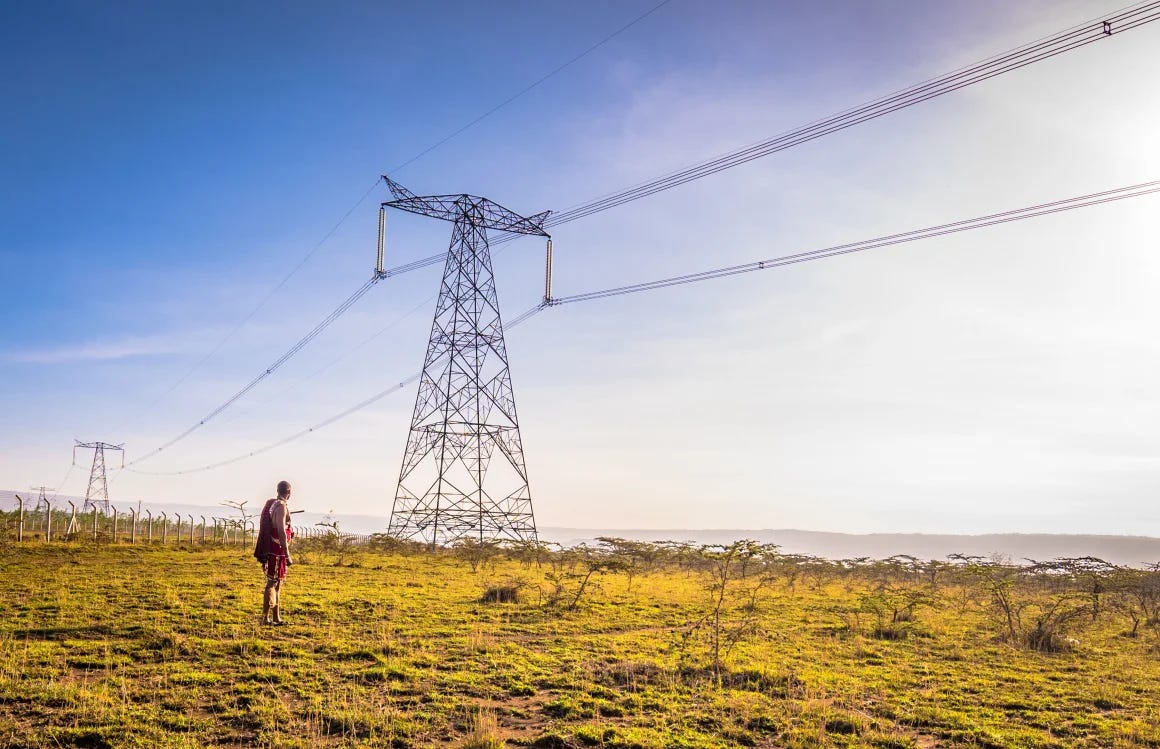
More than $50 billion has now been committed to a plan to connect 300 million Africans to electricity by 2030. In an age of foreign aid cut-backs, Mission 300 is one of the most important philanthropic initiatives in the world. Since its launch in January 2025, it’s already delivered electricity to 44 million people. “There is a pipeline of tens of millions more by the end of 2026.” Bloomberg 🎁
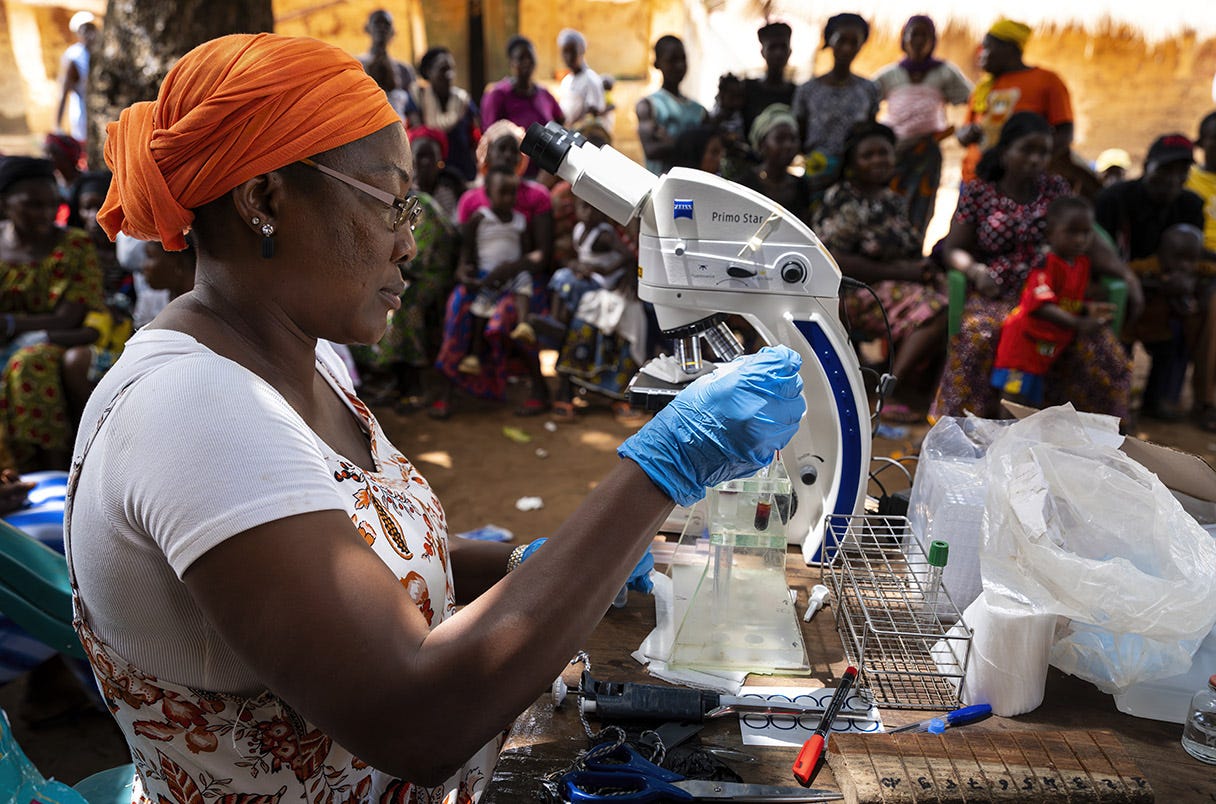
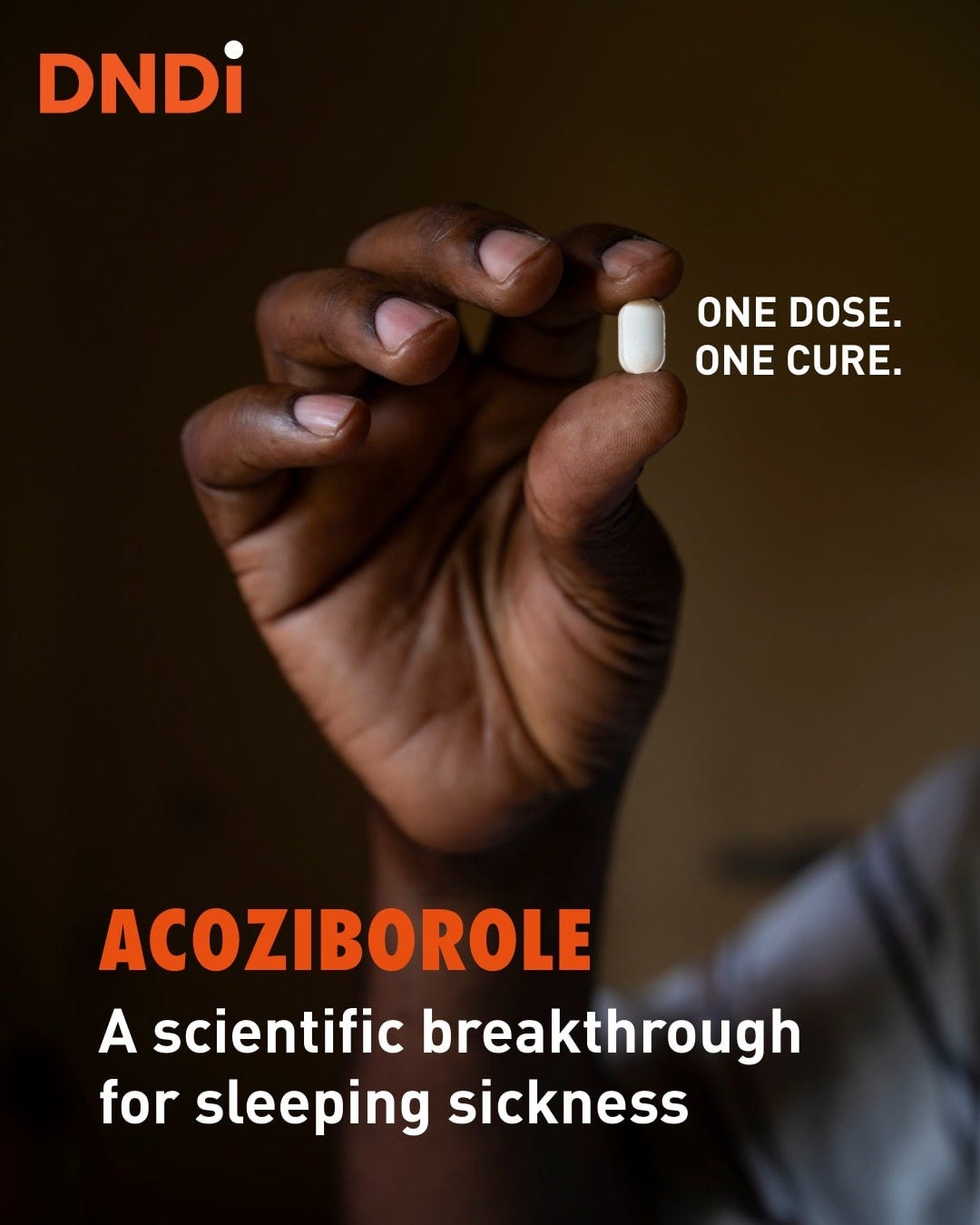
‘Truly spectacular’ drug for sleeping sickness simplifies treatment, raising hopes for eradication. European regulators have approved acoziborole, a new treatment for sleeping sickness that cures the disease with a single oral dose. The drug replaces complex regimens requiring hospitalisation, spinal taps and weeks of monitoring, making treatment far easier in remote regions. Experts say the breakthrough could help eliminate the disease this decade. Science
…but wait, what is sleeping sickness and why is having a simple treatment such a big deal? “In the realm of tropical diseases, African trypanosomiasis has always offered researchers glamour, drama, and mystery” — so starts a PubMed review of Peter Kennedy’s 2007 memoir about going to Africa to study the disease. Glamour and drama is one way to put it — sleeping sickness, which comes from the tsetse fly bite — is more like something out of a horror movie. Symptoms spring up suddenly, flu-like at first, chills, fever, the usual. But that’s not where it ends. Exhaustion morphs into violent mood swings and full-on personality changes as the brain swells, followed by an endless sleep, a coma which eventually kills you.
For almost 60 years, the only available drug was melarsoprol, a derivative of arsenic that had such severe side effects it killed one in every 20 patients, which gives you some idea of how fatal sleeping sickness is if left untreated — not 100%, but close enough. The first non-poisonous treatment was only offered in 2009 (!): consisting of 14 intravenous infusions and several pills. The problem is, that treatment requires several hospital visits and trained professionals to administer, which is why single-oral-dose acoziborole could really be a game-changer.