

330: Girls. Pyramids. Otters. Lenacapivir. The Rivers of Life.
It's been called the most significant archaeological discovery of the last decade.

This week’s top stories
India launches world’s largest HPV vaccination campaign. The new initiative will target millions of adolescents each year to prevent cervical cancer. Delivered for free in public clinics, the campaign could dramatically reduce deaths in the coming decades - cervical cancer causes about 80,000 deaths a year in India, roughly a quarter of the global burden. The Telegraph/The Hindu
☝️ Just to re-state: this is huge. The nation-state is our standard unit of analysis because that’s how world news is usually organised, but it’s worth driving home, for this story in particular, how enormous India is. If this vaccination campaign were in Finland or New Zealand, it would cover around 150,000 girls in each country. In India though, you’re looking at a campaign that will cover something like 60 million girls between the ages of 10 and 14 over the next few years, which is 15-20% of the global total. That is an astonishing number. Once more…
60 million girls
Paid-leave laws now cover a record share of mothers in the United States, despite the absence of a federal policy. 14 state laws now extend paid leave coverage to an estimated 46 million people, roughly a third of all workers. Some programmes are also widening what support looks like, beyond time off to care for a new baby or to get medical treatment. Take Colorado, which recently expanded paid leave by an additional 12 weeks for parents with babies in neonatal intensive care. The 19th
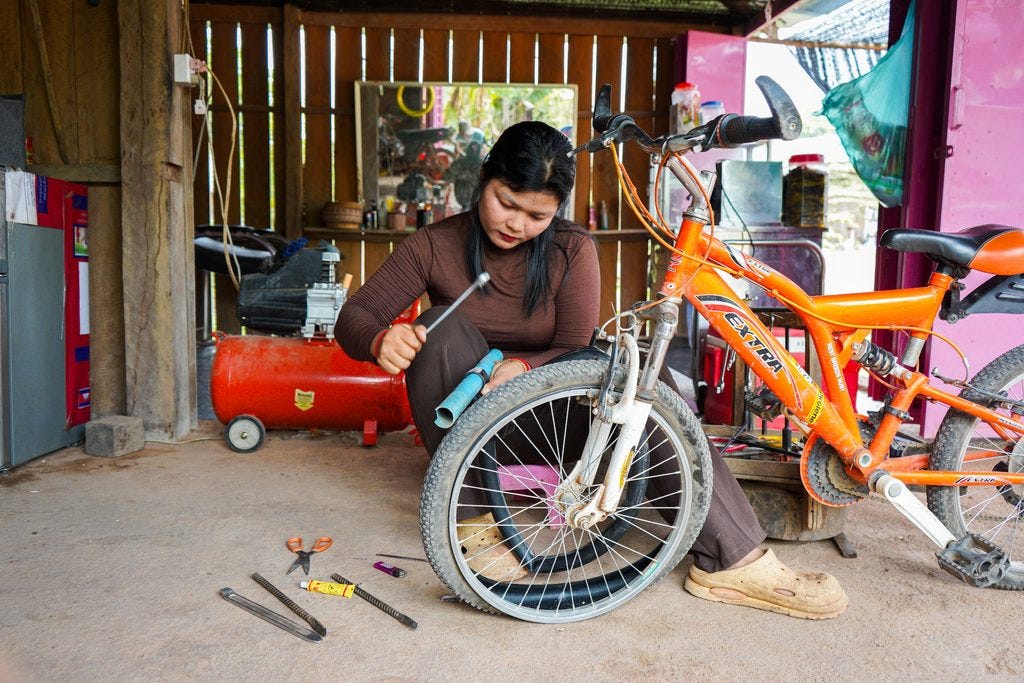
A three-year programme led by Plan International has shifted life trajectories for girls in Cambodia’s north-east. In the provinces of Ratanakkiri and Stung Treng, marriage among girls aged 18–22 fell from 26.3% to 9.5%, while marriage before 15 dropped to 0.6%. At the same time, Grade 9 completion and post-training employment surged — showing a direct link between girls’ empowerment and reductions in early and forced marriage. ANN
My shop has completely changed my life and I am so proud to run it. I want all girls to continue studying and build their own futures like I did ~ Kanada
Across Africa, reforms are shifting women’s rights from declarations to enforcement. Mali now sends sexual-violence cases through courts, Sierra Leone mandates 30% female leadership, and Liberia has closed traditional bush schools that performed genital mutilation. Lesotho and Togo run one-stop survivor centres; Senegal’s girls’ clubs have cut teenage pregnancy; Madagascar and Somalia now integrate women into peace processes; and Algeria, Malawi and the Central African Republic are reforming justice and security institutions. UNSDG
Child marriages in the Indian state of Assam, home to around 36 million people, have fallen by 84%, while teenage pregnancies declined 75%. Officials attribute the shift to stricter enforcement and prosecution, alongside sustained government campaigns. Sentinel Assam
Oman has cut maternal mortality by more than half since 2019. The Ministry of Health said maternal deaths fell from 17 per 100,000 in 2019 to 8 per 100,000 in 2025, a drop that officials attribute to better maternal care, stronger follow-up systems and expanded preventive programmes. Oman Observer
Malawi is reporting measurable declines in maternal mortality as safer childbirth reaches more women. The health ministry says maternal mortality fell to 225 deaths per 100,000 live births in 2024, down from 381 in 2020, with 97% of women now delivering in health facilities with trained staff. Daily Times
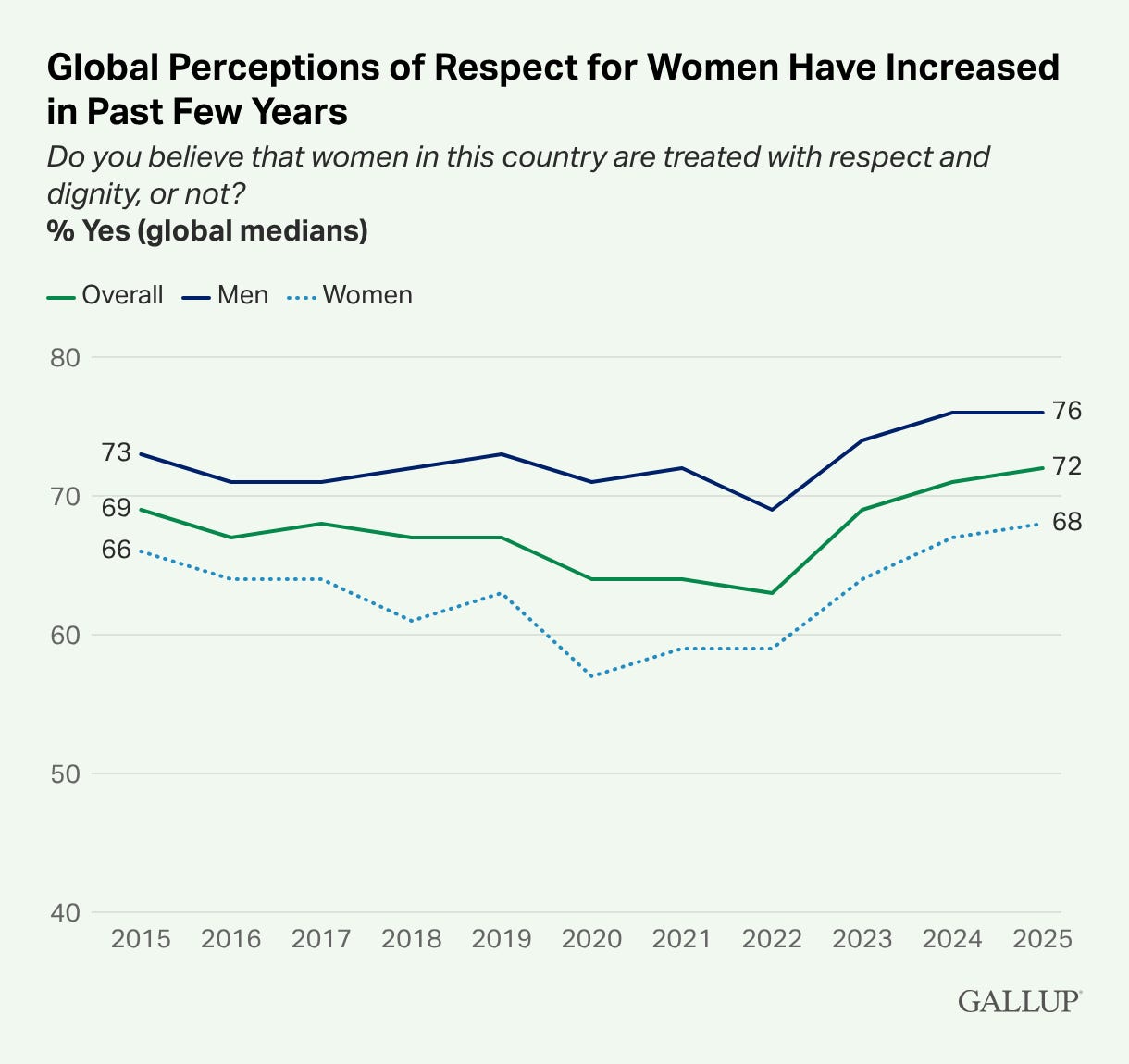
Global perceptions of respect for women have rebounded since the pandemic. Gallup found that, in 2025, a median 72% of adults across 140 countries said women are treated with respect and dignity, up nine points from 2022, with 24 countries posting gains of at least 10 points. The survey also found that countries with smaller gender gaps correlated to women feeling safer walking alone at night. Gallup
Five southern African countries have launched Africa’s first cross-border birding route. The new route spans 36 protected areas across Angola, Botswana, Namibia, Zambia and Zimbabwe (a region larger than France and Germany combined) and stitches together birding zones in the Kavango, Zambezi, Chobe, Kwando and Kafue river systems. Dubbed The Rivers of Life it connects ancient migratory corridors that support more than 650 bird species, linking biodiversity protection with regional eco-tourism. Travel and Tour World
Nigeria is notching up measurable wins against neglected tropical diseases: A government-led campaign has been taking medications door-to-door to break the transmission of diseases such as elephantiasis and intestinal worms. Since 2019, it has delivered over 100 million treatments a year, helping cut the lymphatic filariasis burden by 72% and reduce the population needing treatment by 97 million. This is an extraordinary, massive reduction in overall human suffering, and almost nobody in the world has heard about it. END Fund
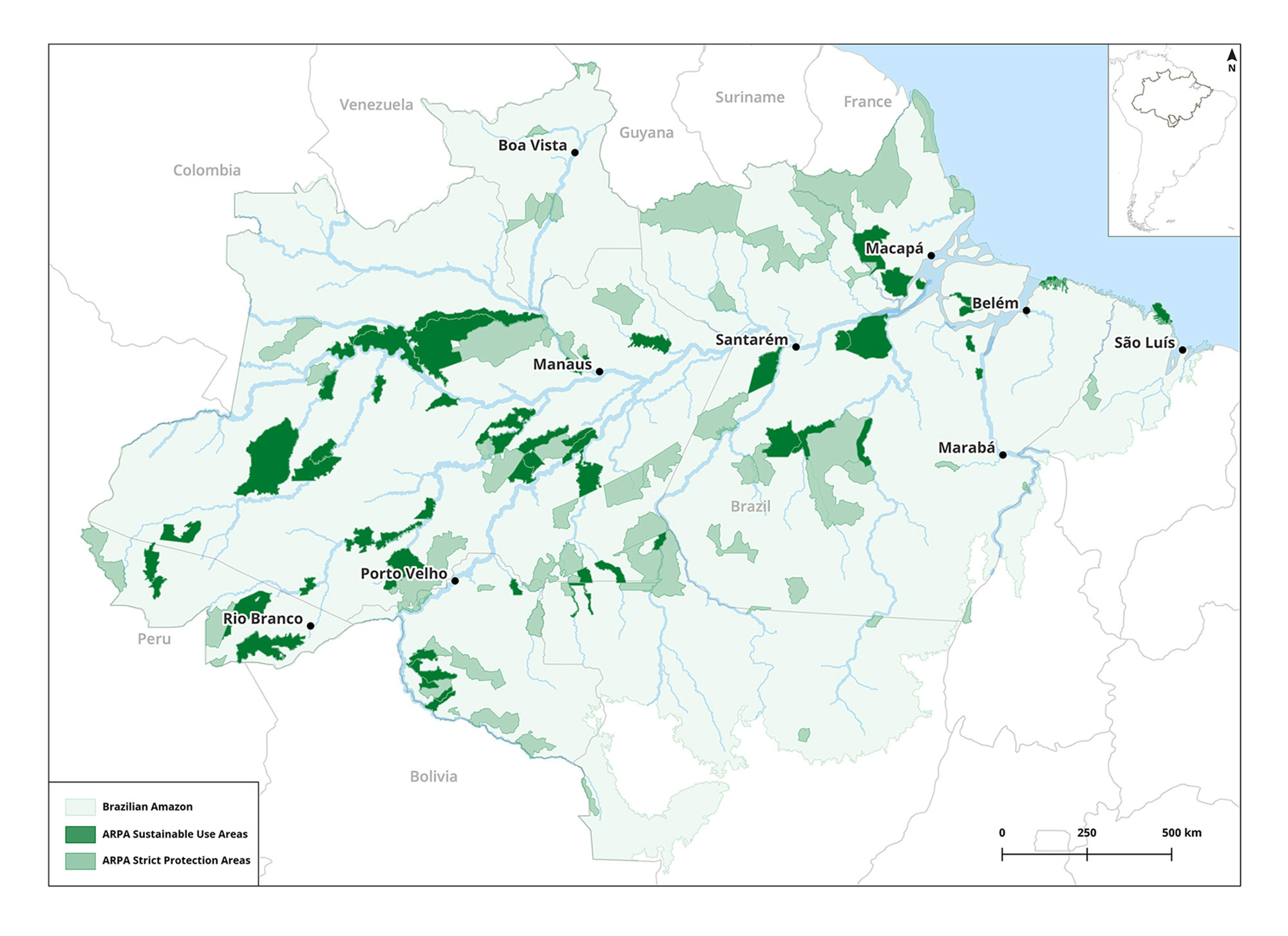
Global coalition backs protection across 266,000 km² of the Amazon. The Brazilian government, plus an international coalition of financiers and conservation groups have launched ARPA Comunidades. It’s a $120 million, 15-year fund that will support community-led conservation across 237,000 km² of existing protected Amazon forest while adding 30,000 km² of new protected areas.
With the addition of this new project, over 210 million hectares of lands and waters are durably conserved, with ten more projects underway and more than 150 local partners engaged around the world. The momentum of this work is driven by local leadership, collective knowledge, and stewardship that safeguard biodiversity, sustain cultural vitality, expand economic opportunities, and ensure the well-being of future generations.
Zdenka Piskulich, Managing Director of Enduring Earth
Cultured beef looks like it contains fewer allergenic proteins than normal, cow-made meat. For those not up with the lingo, ‘cultured beef’ is beef grown in a lab, from cow cells — a more ethical alternative to ‘normal’ meat where, to get it, you have to slaughter a whole cow. Eureka Alert
A new immunotherapy is showing rare promise against advanced prostate cancer, a disease long thought resistant to this kind of treatment. In an early trial of 58 men whose cancer no longer responded to standard care, 88% had only mild side effects; and five of 11 men with measurable tumours saw them shrink. The drug is designed to activate only inside the tumour, which may both reduce dangerous inflammation and require fewer doses. The Guardian
China has cut air pollution while growing its economy. Between 2021 and 2025 GDP grew 30% while average fine particulate levels fell 20%, and the number of cities meeting air-quality standards rose from 206 to 246. Starting this month, China is introducing stricter national limits for air pollution. Officials say the new standards are projected to cut carbon emissions by more than 7 billion metric tons by 2035. China Daily
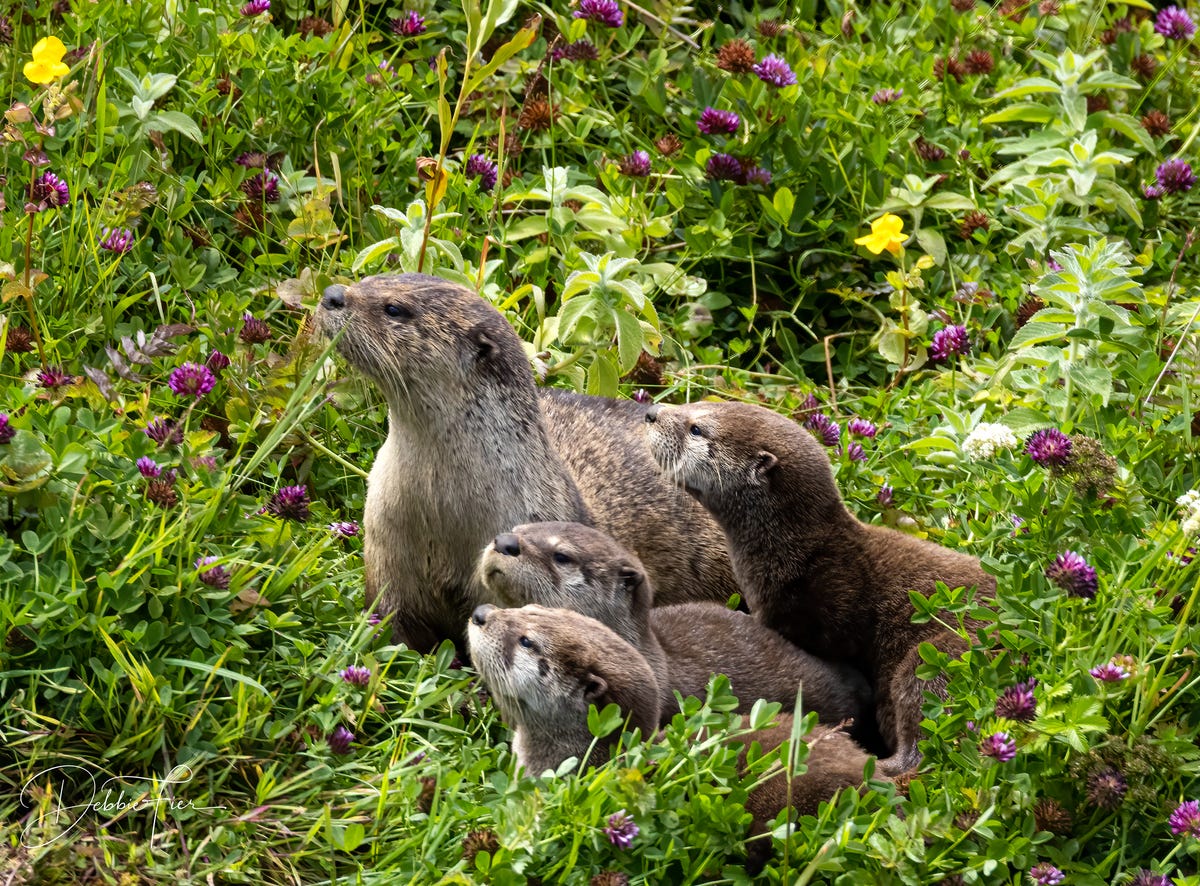
River otters have staged a remarkable comeback across North America’s Great Lakes after disappearing from many waterways by the 1970s. Reintroductions beginning in the 1980s, combined with wetland restoration and pollution controls under the 1972 US–Canada Great Lakes Water Quality Agreement, have allowed breeding populations to recover across Ohio, New York, Ontario and beyond. As apex predators, their return signals cleaner water and healthier ecosystems. Rewilding Magazine
Chile blocks $2.5 billion mine to protect Humboldt penguin habitat. Chile’s courts have permanently rejected a massive iron and copper mining project near the Humboldt Penguin National Reserve, safeguarding one of the most biodiverse marine ecosystems in the Pacific. Chile hosts around 80% of the world’s Humboldt penguins; the ruling protects breeding islands and waters home to more than 560 marine species. Noticias Ambientales
Kenya and Zimbabwe will be among the first African countries to roll out lenacapavir, the breakthrough, twice-yearly injectable drug that has shown 100% efficacy in preventing HIV infections. Kenya has begun offering the twice-yearly jab free at selected public facilities, becoming the first country in East Africa to launch it, while Zimbabwe is initially targeting more than 46,000 people at high risk of contracting HIV across 24 sites nationwide.
Archaeologists have discovered a 1,400-year-old Zapotec tomb in southern Mexico, adorned with complex carvings, which has been called “the most significant archaeological discovery of the last decade.” Located in the state of Oaxaca, the Tomb Of The Owl was built by the Zapotec culture in around the year 600, according to Mexico’s National Institute of Anthropology and History.
El Pais has a piece on the dramatic discovery of the tomb — which includes tomb robbers, the Covid-19 pandemic, and “tiny winged ants that gnawed through soft stone.”
And if you want more incredible Mexican architecture after that….
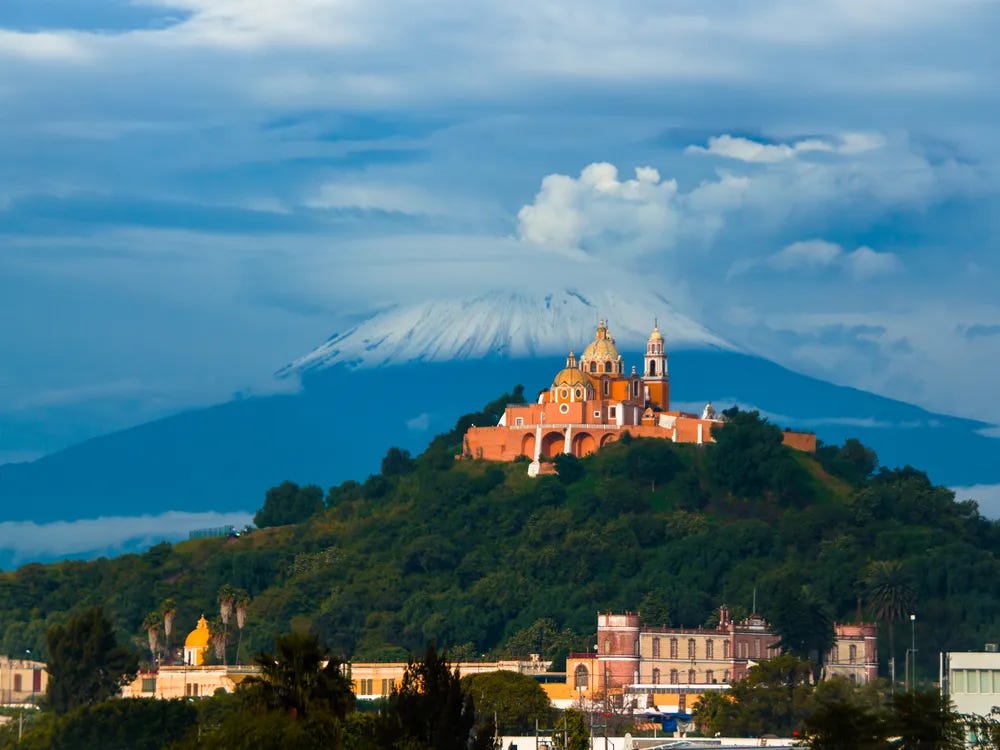
That church is not on a hill.
It’s on top of the pyramid of Cholula, in Puebla México. It is also not a pyramid, but seven consecutive constructions, one over the other, built over a thousand years (from 200BC to 900AD, approximately).
Every new pyramid made it necessary to increase the size of the base, till it reached 450m on each side. It’s not very tall (66m) but its base, which is four times larger than the Great Pyramid of Giza, makes it the biggest pyramid in the world. It was originally dedicated to Chiconauquiahuitl, the goddess of the nine rains, then later to Quetzalcoatl, the feathered serpent.
Archaeologists have excavated tunnels along the site, discovering the previous pyramids and a huge 56 metre mural showing 110 people drinking pulque in a religious festivity (pulque is a Mesoamerican drink made from the fermented sap of agave). The mural is dedicated to Mayahuel, the goddess of pulque, and shows people clearly drunk, which was allowed during the festivities.
In 1594, the Spanish built a Catholic sanctuary, Iglesia de Nuestra Señora de los Remedios, or Our Lady of the Remedies, on top of the pyramid. A classic conquest move. Today it is a declared heritage site, making further archeological digs impossible. Instead, we get one of the most striking architectural juxtapositions in the world - with Popocatépetl (smoking mountain) an active volcano, behind the church and pyramid.