

329: Silica. Oil spills. Croatia's landmines. Aral Sea. Tigers.
If the political mood has darkened, one last data point shines out like a beacon.

Welcome back to our regular roundup. We know everyone's got their eyes on the Middle East right now, but there's a lot happening elsewhere that deserves attention.
Chile has knocked out leprosy, Libya has eliminated out trachoma, Croatia has finally finished clearing its landmines, and malaria vaccines are working in Nigeria. In Kazakhstan, the Aral Sea looks like it might be starting to fill back up, and they’re getting ready to welcome home wild tigers for the first time in 70 years.
We’ve also got batteries muscling gas off major grids in Australia and California, a David and Goliath story about river defenders in Brazil, and researchers who’ve developed a glass storage medium that could preserve data for 10,000 years (the key ingredient is the same stuff we make solar panels from). One captures sunlight, the other captures knowledge.
Grab a coffee, settle in. We hope you find it illuminating :)
For the full experience, and a whole lot more progress, you can sign up to become a paid subscriber over here.
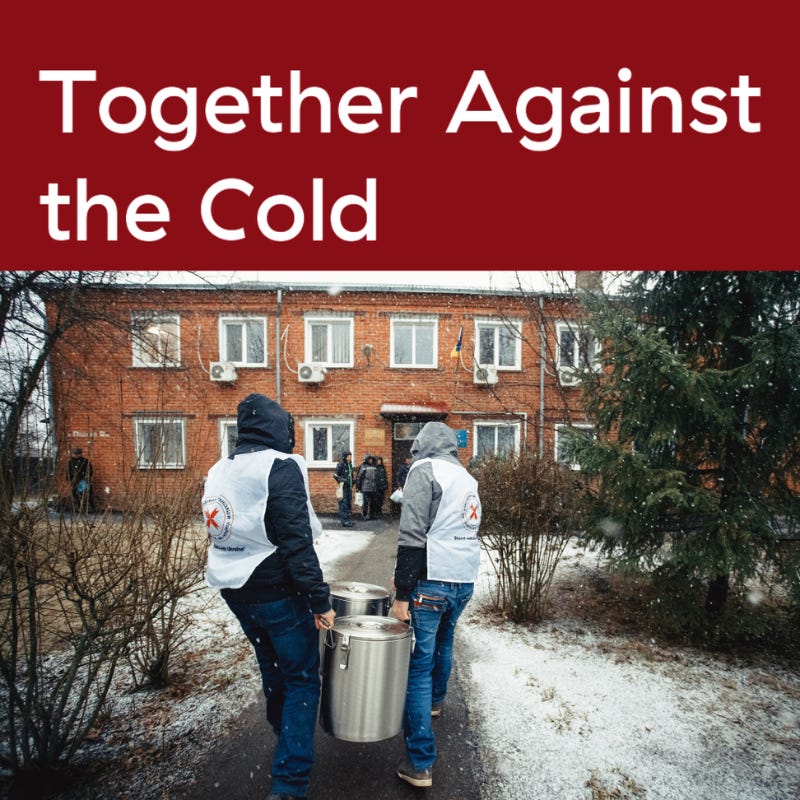
Crowdfunding to help Ukrainians stay warm this winter.
Russian attacks on Ukraine’s energy grid have left millions of people struggling against a perilously cold winter. Swiss charity LIBERECO is working with local partners to deliver gas stoves, heaters and power banks to help families stay warm. If you’d like to help, 100% of your contribution goes directly to their partners on the ground.
This week’s top stories
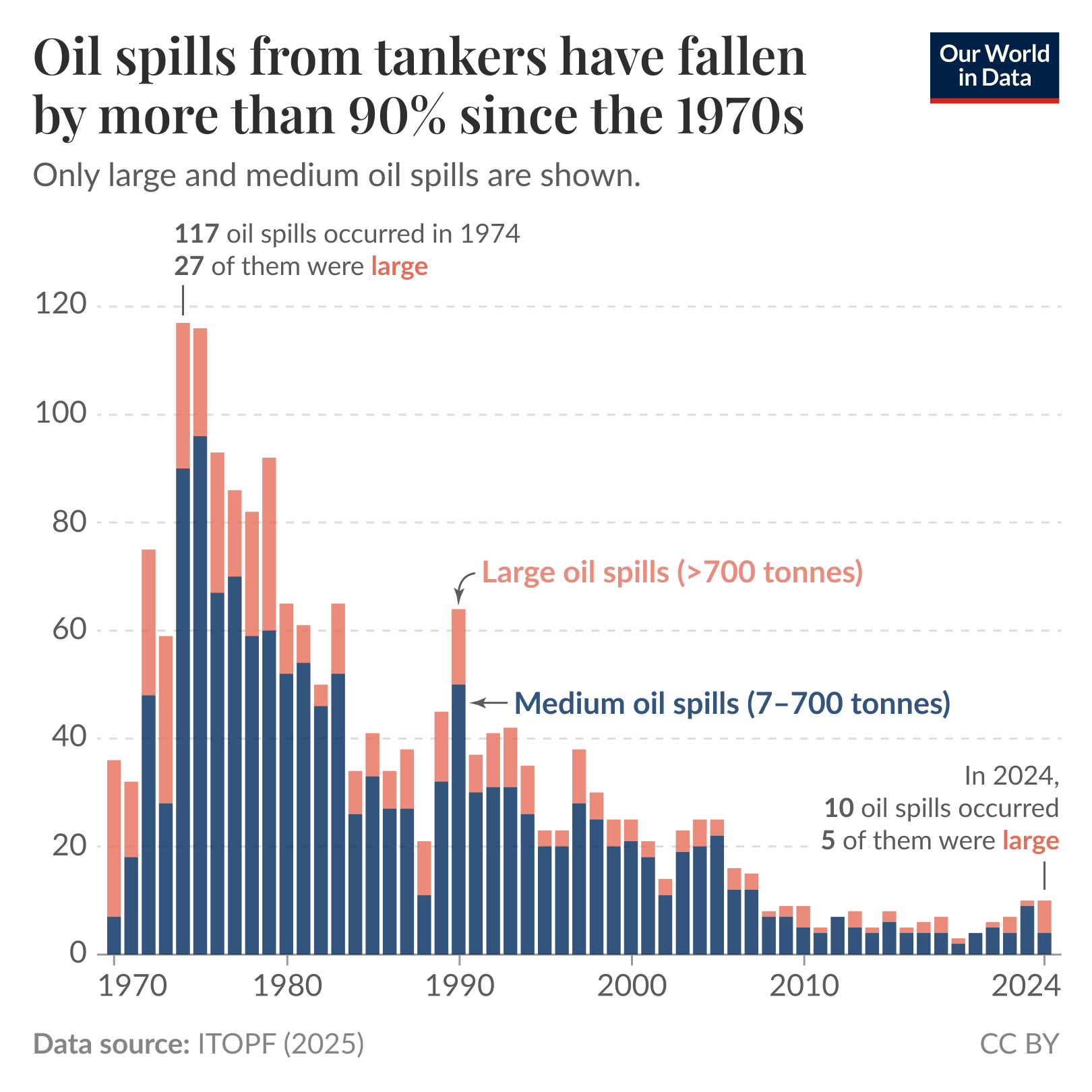
Oil tanker spills have declined dramatically over the past half-century. In the 1970s, global shipping recorded roughly 70 to 100 tanker spills each year; today the annual total is typically below ten, a 90% drop. The volume of oil spilled has also collapsed, from more than 300,000 tonnes a year in the 1970s to under 10,000 tonnes a year over the past decade, reflecting tighter maritime safety rules and improved tanker design. OWiD
Renewables generated 26% of the United States’ electricity in 2025 (a new record)
Wind, solar and batteries are expected to supply all net new power capacity in the United States in 2026.
If the political mood has darkened, one last data point shines out to me like a beacon: In 2026, the world may well spend more on green energy in total than it devotes to military spending.
David Wallace-Wells
The Strait of Hormuz is in the news a lot right now. Last year, 82 million tonnes of fossil gas was shipped through it, around 20% of the world’s total, enough to produce roughly 650 terawatt-hours of electricity. But that gas is burned by a power plant only once, and then you have go drill for more.
Meanwhile in 2025 the amount of electricity generated by solar panels rose by about the same amount: 650 terawatt-hours. The difference? Those solar panels will generate 650 terawatt-hours of electricity again this year, and the year after that, and will keep going for decades. That’s why it’s called renewable energy.
Chile eliminates leprosy
The WHO says it is the first country in the Americas and only the second globally to achieve the milestone. There have been no locally acquired cases since 1993, supported by mandatory reporting, sustained surveillance and universal access to treatment. The verification follows more than 30 years of vigilance in a disease that still causes over 200,000 new cases annually worldwide.
Libya eliminates trachoma
Trachoma has been documented in the country for over a century, yet a 2025 survey found infections below WHO elimination thresholds across all target districts after the Ministry of Health prioritised elimination in 2017. This is all the more impressive given years of political instability and humanitarian strain that disrupted health services. WHO
Malaria vaccine halves hospitalisations in northwest Nigeria. One year after the R21 malaria vaccine entered routine immunisation in Kebbi State, hospital records show malaria cases among children falling by about 50% in surveyed clinics. More than 200,000 children have received a first dose, and under-five mortality dropped from 8.97% to 6.13% in 2025. The rollout targets one of the world’s highest malaria-burden regions and is a powerful signal of the vaccine’s real-world impact. Gavi
The Ocean Cleanup is now intercepting between 2% to 5% of all the world’s plastic that enters the ocean from rivers. Here’s how they’re doing it.
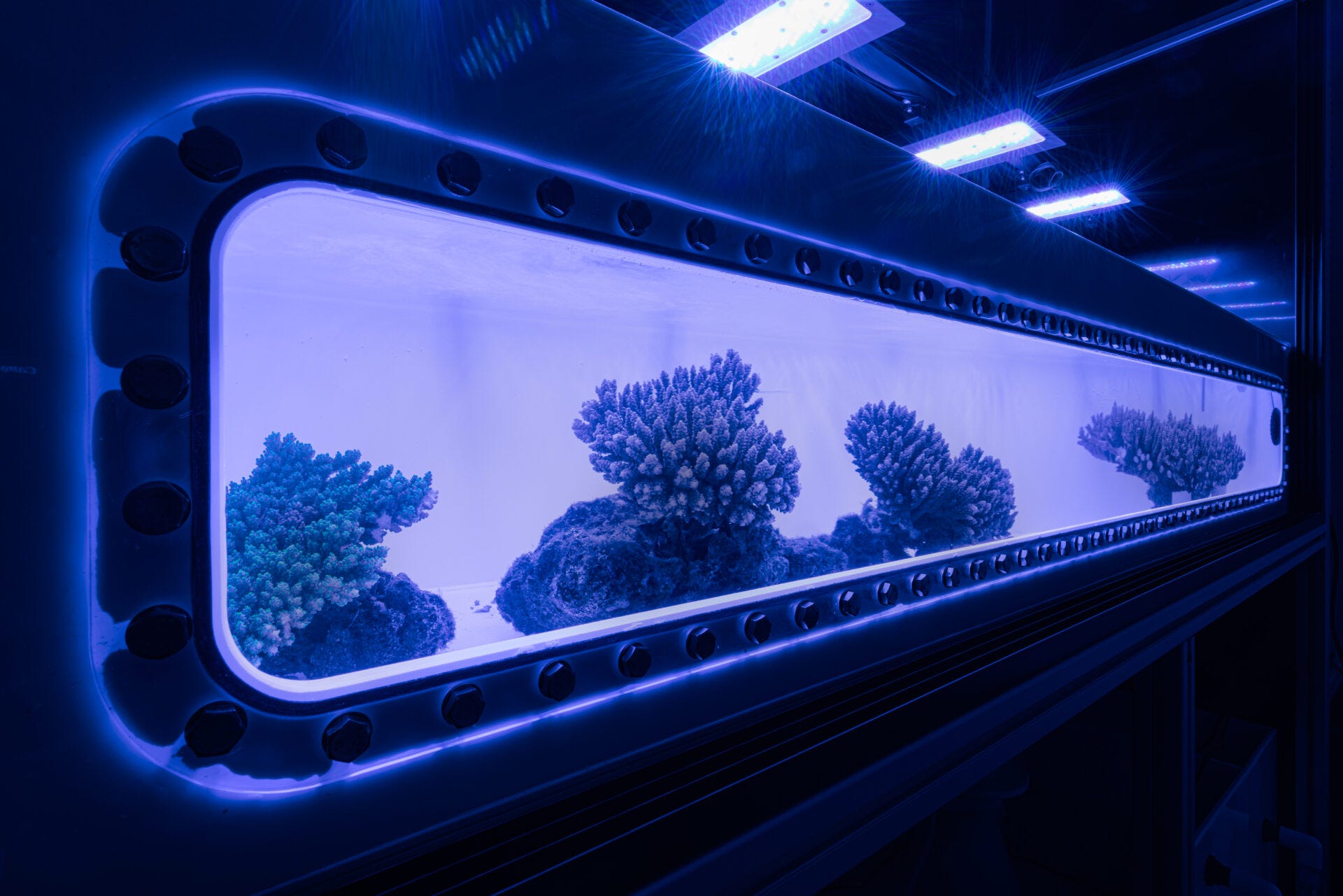
Seychelles breeding lab pioneers sexual reproduction of coral. An ARC Lab in Seychelles has recorded its first controlled sexual coral spawning event, producing hundreds of thousands of embryos and yielding tens of thousands of settled juvenile corals. This is a big step forward for genetic diversity in coral restoration, since most coral labs breed via “fragmentation,” which results in genetically identical corals. Oceanographic
Democracy has established a tenuous foothold in the Central African Republic. The Central African Republic recently completed its most extensive elections to date, combining presidential, legislative and regional votes, and its first municipal polls since 1988. The December 2025 ballot proceeded peacefully across most of the country and marks a milestone in the implementation of the 2019 peace agreement, alongside ongoing disarmament that has demobilised more than 1,200 combatants since mid-2025. UN News
In South Korea, birth rates are rising and suicide rates are declining.
A solution to the ‘digital dark age’… glass data storage that could preserve information for 10,000 years. Digital information is easy to copy, easy to move, but doesn’t stick around for long. Link-rot, servers go down, people take websites offline. The information we create is quickly destroyed, for all the noble efforts of the Internet Archive. But now researchers working with Microsoft’s Project Silica have developed a laser-etched glass storage system — borosilicate chips capable of holding 4.8 terabytes that could survive (theoretically) for 10,000 years. The technique encodes information in microscopic “voxels” using femtosecond lasers, creating a durable archival medium designed for museums, governments, and long-term data preservation. It’s amazing. Gizmodo
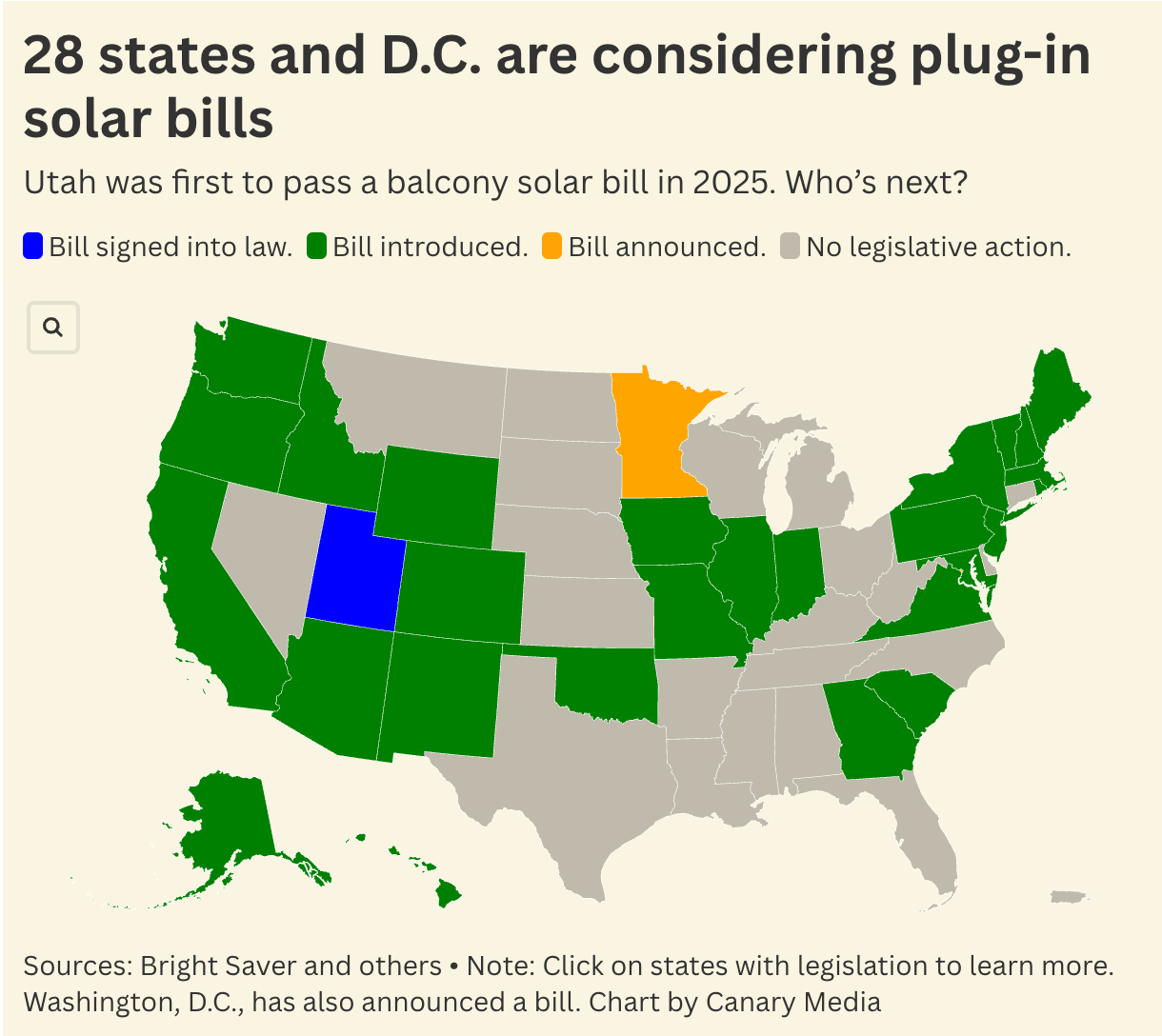
Balcony solar is taking US state legislatures by storm. In more than half of states, Republican and Democratic lawmakers have introduced legislation that would boost adoption of small plug-in solar panels that sit on apartment balconies and plug directly into household outlets. The simple technology is already in use in millions of households in Germany. Canary Media
Carbon capture sounds great on paper — if there’s too much CO₂ in the atmosphere, why not take some out? — but thus far it hasn’t been put to much use. There have been a lot of proof-of-concepts but most struggle with efficiency. Now that might be changing though. Scientists have developed an electrode that can capture CO2 directly from flue gas and even straight from the atmosphere, no purification required. The electrode process turns the CO₂ into formic acid, a weak acid currently used to preserve livestock feed and tan leather. American Chemical Society
The Aral Sea is one of the Anthropocene’s most famous cautionary tales. Once the fourth-largest lake on Earth, by the mid-2010s it had lost about 90% of its water, splintering into smaller, highly saline remnants that devastated local ecosystems. Except, now it might be back? Kazakhstan created a dedicated Ministry of Water Resources and Irrigation in 2023 and adopted a new water-use law that improved management in the Syr Darya basin, alongside a regional water-sharing agreement with Kyrgyzstan, Tajikistan and Uzbekistan. A new report now puts the North Aral at 24.1 billion m³, up 5 billion m³ since 2023, with the World Bank estimating water levels 50% above the low point. Euronews
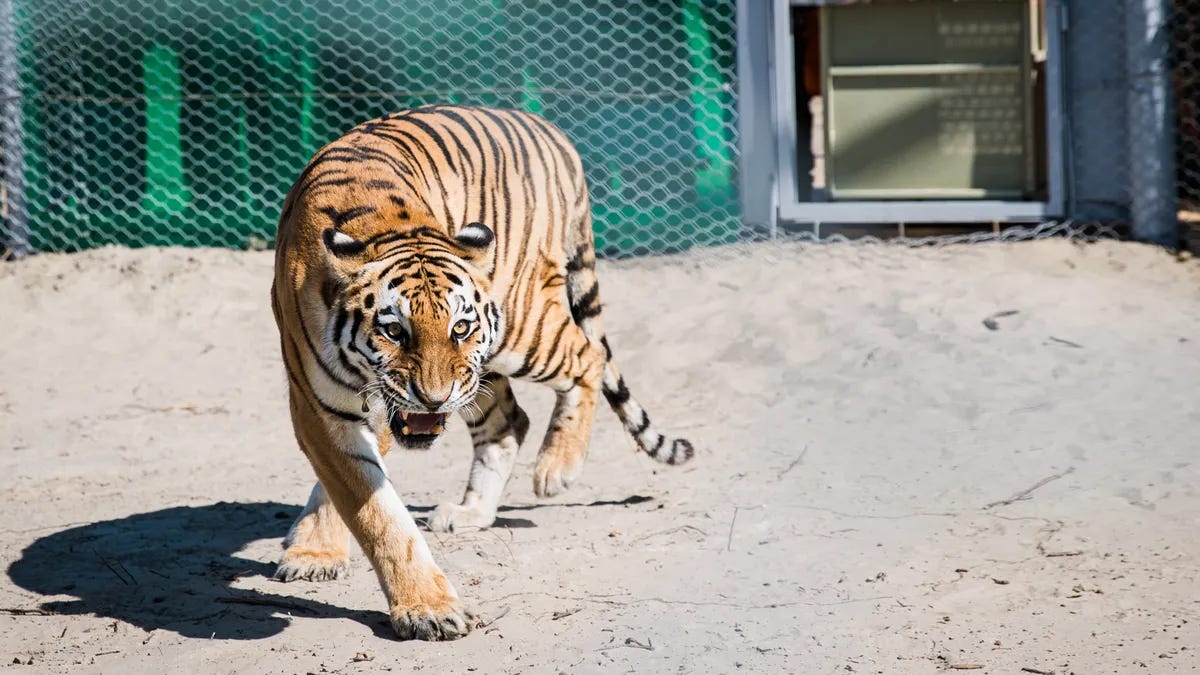
Kazakhstan is rebuilding habitat for the return of wild tigers more than 70 years after the species vanished from Central Asia. Conservationists planted 37,000 trees along Lake Balkhash in 2025, adding to 50,000 earlier plantings and a national effort that has already reached 1.4 billion trees since 2021. The restoration is reviving prey populations and preparing landscapes for Amur tigers expected to arrive from Russia later this year. Live Science
Southern Africa doubles electricity access in 15 years. Electricity access across the 16 countries of the Southern African Development Community has climbed to 56% of the population, up from roughly 30–32% around 2010. Accounting for population growth, an estimated 120 million additional people have gained power in that time, driven by grid expansion, off-grid systems and regional power-pool integration. The milestone signals steady progress toward universal electrification.
The Scottish Parliament has passed the Natural Environment (Scotland) Bill, putting nature recovery on a legal footing for the first time by requiring statutory targets to enhance biodiversity. Scottish Parliament
In Kerala, whale-shark rescues are becoming part of the job. Every year, between October and March, the sharks move along India’s Arabian Sea coast following plankton blooms in warm nearshore waters, which brings them close enough to get snagged in shore-seine nets. That used to infuriate fishers because the animals can rip expensive gear, wipe out the day’s catch, and stall the whole haul — all for a protected species they couldn’t sell. But a culture shift has taken hold: with training and compensation from the Wildlife Trust of India, releases have become practical, adding up to 54 rescues along Kerala’s coast. Down To Earth
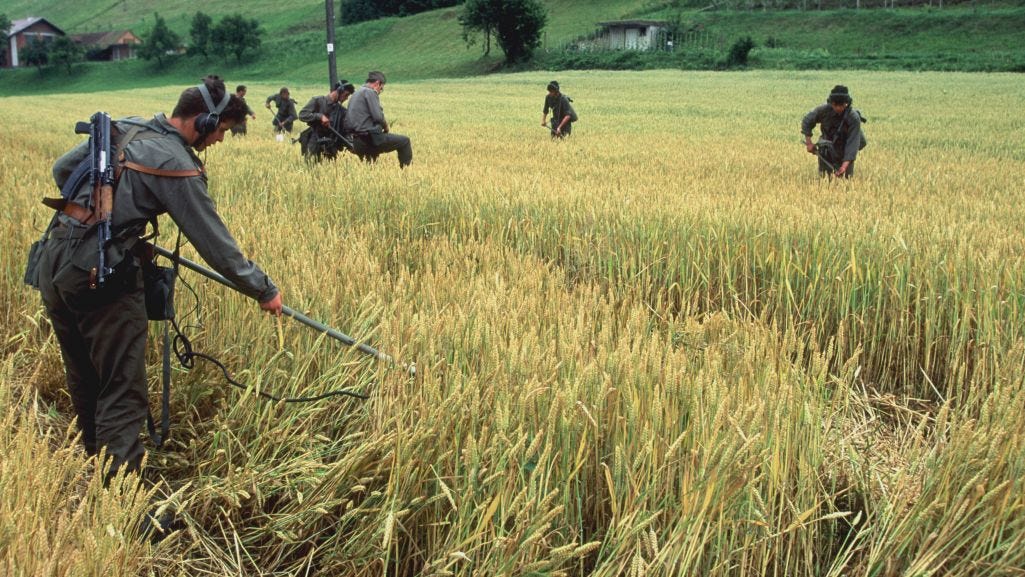
Croatia is officially free of landmines, three decades after the Yugoslav wars. The country has declared itself free of landmines, completing a 30-year clearance programme across roughly 13,000 km² of land. Authorities removed about 410,000 mines and explosive remnants from the former frontlines of the 1991–95 war. The €1.2 billion effort has restored farmland, forests and rural communities long considered unsafe and fulfils Croatia’s obligations under the Ottawa Convention. TVP World
How Costa Rica regrew its rainforests: with laws, economic incentives and tourism. Costa Rica has completely reversed its rampant deforestation from the 20th century, lifting natural forest cover from under 25% by 1985 to well over half the country today. A national payments for ecosystem services scheme helped, along with a 1996 ban on converting natural forest, a beef-price slump that reduced pasture profits, and booming ecotourism that created more incentives to keep forests standing than to cut them down. Vox
It’s happening. Batteries are replacing gas on major grids in the US and Australia, shifting from backup to backbone. California has installed 17 GW of storage, now meeting a growing share of evening peak demand, while Australia added 4.9 GWh in 2025 alone. With four-hour battery costs down 27% to US$78 per MWh, projects are increasingly undercutting gas peakers, signalling a structural change in grid reliability. BloombergNEF and Quitting Carbon
A shift away from capital punishment is spreading across Southeast Asia. While eight of 11 countries still retain the death penalty in law, several now operate de facto moratoriums, and Indonesia’s 2026 criminal code reforms push it towards a conditional, last-resort sentence rather than an automatic endpoint. Singapore which still uses the death penalty for drug cases, remains the clearest outlier. DW
Sweden cuts shootings by 63% after policing overhaul. Gun violence in Sweden has dropped sharply since peaking in 2022, with shooting incidents falling to 147 in 2025, down from the 390 recorded three years earlier. Authorities attribute the shift to expanded surveillance powers, tougher sentencing and new police tactics targeting criminal networks, which have also improved asset seizures and disruption of gang operations. Reuters
The Misery Machine
Nine years of not watching the news in 60 seconds, by Devin Linder.
For paid subscribers this week:
Indonesia rolls out a radically shorter cure for drug-resistant tuberculosis, and treatment access surges.
Eagles, vultures and condors rebound across Europe and North America.
A new way of measuring poverty reveals how dramatically living standards have shifted since 1990.
One of the world’s great rivers begins an unexpected recovery after a decade-long fishing ban.
Denmark quietly becomes the first European country to eliminate mother-to-child HIV transmission.
Giant tortoises return to a Galápagos island after nearly two centuries of absence.
A new protected wildlife corridor links two of Earth’s richest ecosystems.
Stone Age carvings hint that writing may be tens of thousands of years older than we thought.
Astronomers watch a massive star vanish into a black hole without exploding.