

326: Dua Leaper. Lisima lya mwono. Tap water 🩵. Alcatraz Wolfzilla.
A silver bullet for creating new life?


Outskill can help you master AI in just 2 days - the skill that can make you smarter, faster, more revenue driven and irreplaceable in 2026. In this 16 hour Mastermind, you’ll learn real AI use cases, automations, and workflows that will give you an edge in 2026. The best part? Outskill are giving it away FREE for the next 48 hours including their 2026 AI Survival Handbook!
🧠 Live sessions - Saturday and Sunday 🕜 10 AM EST to 7PM EST

We’re making our premium edition available to all readers. Enjoy :)
This week’s top stories
Youth-driven protests force Bulgaria’s unpopular government to resign. Bulgaria’s late-2025 street protests used the same playbook as Nepal and Madagascar: young organisers turned online networks into mass turnout, culminating in the government’s resignation in December 2025. “What this moment makes clear is that social media has not distracted Gen Z from civic life but, instead, placed political participation in the palm of their hands.” International IDEA
Spain is about to regularise half a million undocumented migrants. The Socialist-led coalition government has approved a royal decree (meaning no parliamentary approval required) to regularise about 500,000 undocumented people and asylum seekers, due to take effect in April 2026. Applicants must show no criminal record and prove they were in Spain for more than five months (or had sought protection) before 31 December 2025. A 700,000-signature citizens’ push in 2024 helped force the issue. The Guardian.
See also: For each year from 1994 to 2023, US immigrants generated more in taxes than they received in benefits from all levels of government.
England and Wales just hit a near-50-year low for homicides. Police recorded 499 killings in the year to September 2025, the lowest number since 1977 and a 7% drop on 2024. This is largely due to knife killings falling by 23% during this time. Knife crime offences were also down by 9% and firearms offences fell by 9% to just under 5,000, the lowest since 2003. BBC
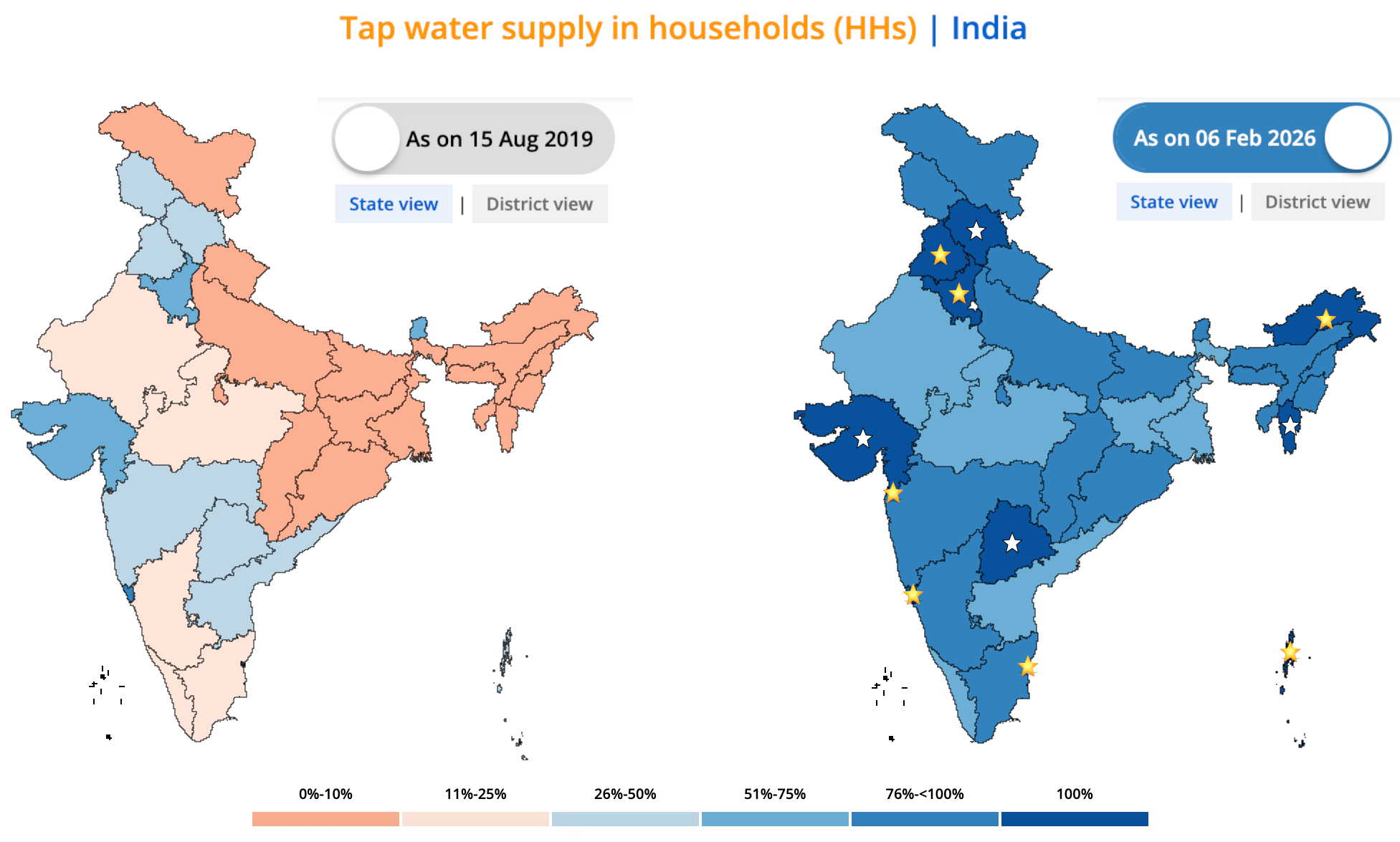
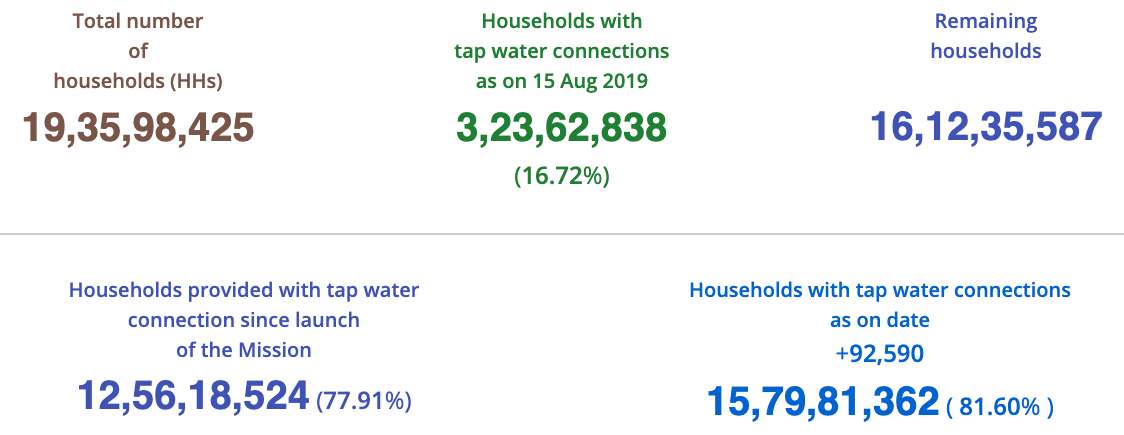
India has expanded rural tap water access from 16.7% of the population in 2019 to 81% in 2026, connecting 125 million rural households to clean, running water. In sheer numbers, this is the biggest, fastest, and most important sanitation drive in human history. Why has it not been more widely reported? PIB Delhi
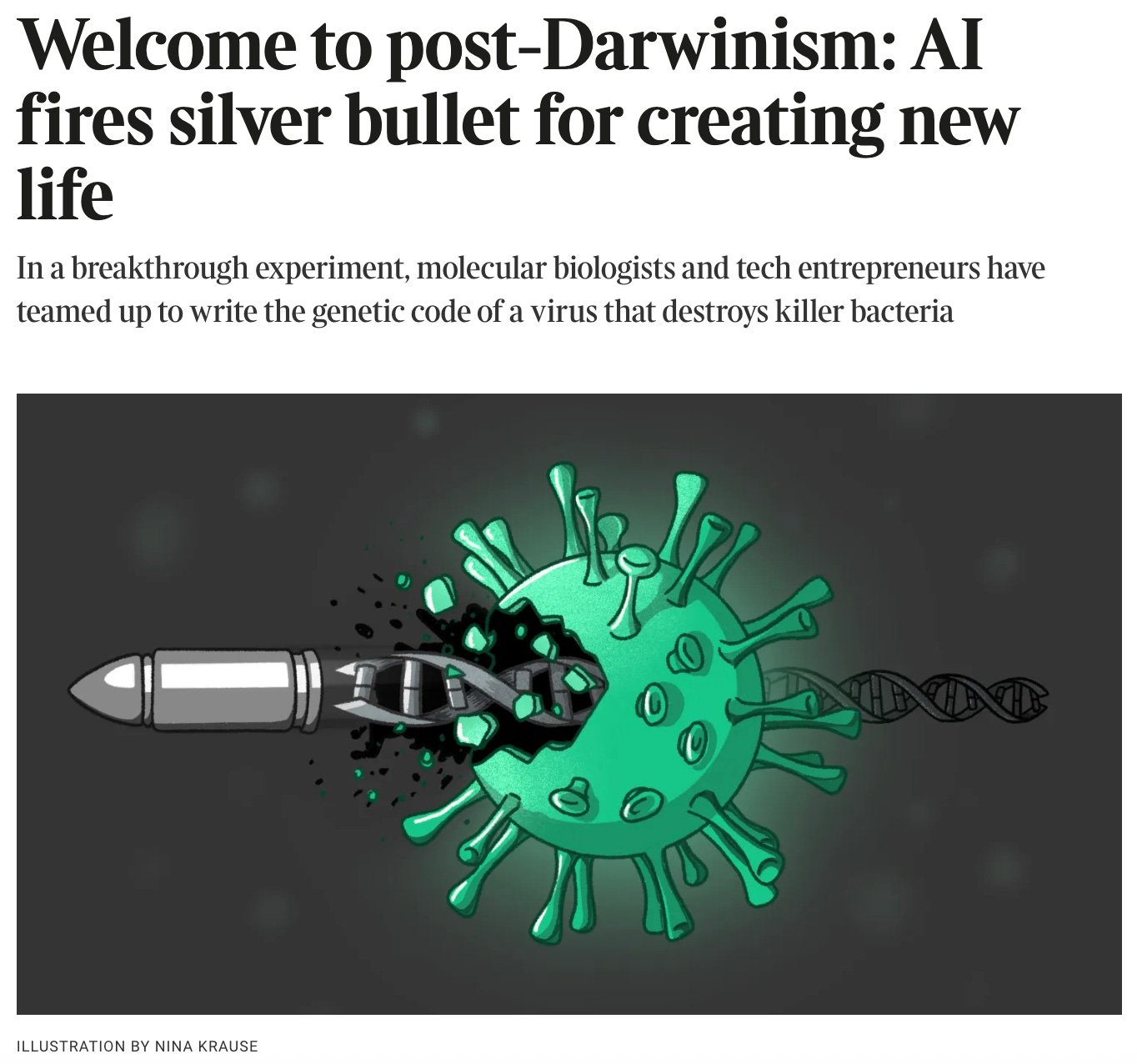
We may soon see new species brought to life in the lab. In February 2025, we shared a story about Evo 2, an AI model that can design new DNA sequences, and predict the functions of genomic code with far greater insight than even the best of scientists. Awesome, right? But if you really want to create new life, designing the genome isn’t enough — you have to actually turn your computer model of something that could exist into something grown in a petri dish.
Until now, quick, accurate DNA synthesis has been nearly impossible, but in January 2026, Caltech scientists released a tool called Sidewinder, which they described as the “printing press” of DNA. The excitement around the potential of this Sidewinder/Evo 2 combo has been intense: in biology, they’re calling it “a pivotal moment in the history of life on Earth.” If the hype is right, we could soon be seeing entirely new species designed, crafted and brought to life in the lab.
Of course, if these tools make it relatively easy to create new life, you should assume their potential for building things like vaccines is even more stunning. Says Kaihang Wang, one of Sidewinder’s creators: “During the pandemic it took 42 days from getting the COVID sequence to make the first mRNA vaccine, and that was just, wow. It was a huge achievement. But with our technique, from getting the DNA code, we could do it in 62 hours.” The Times
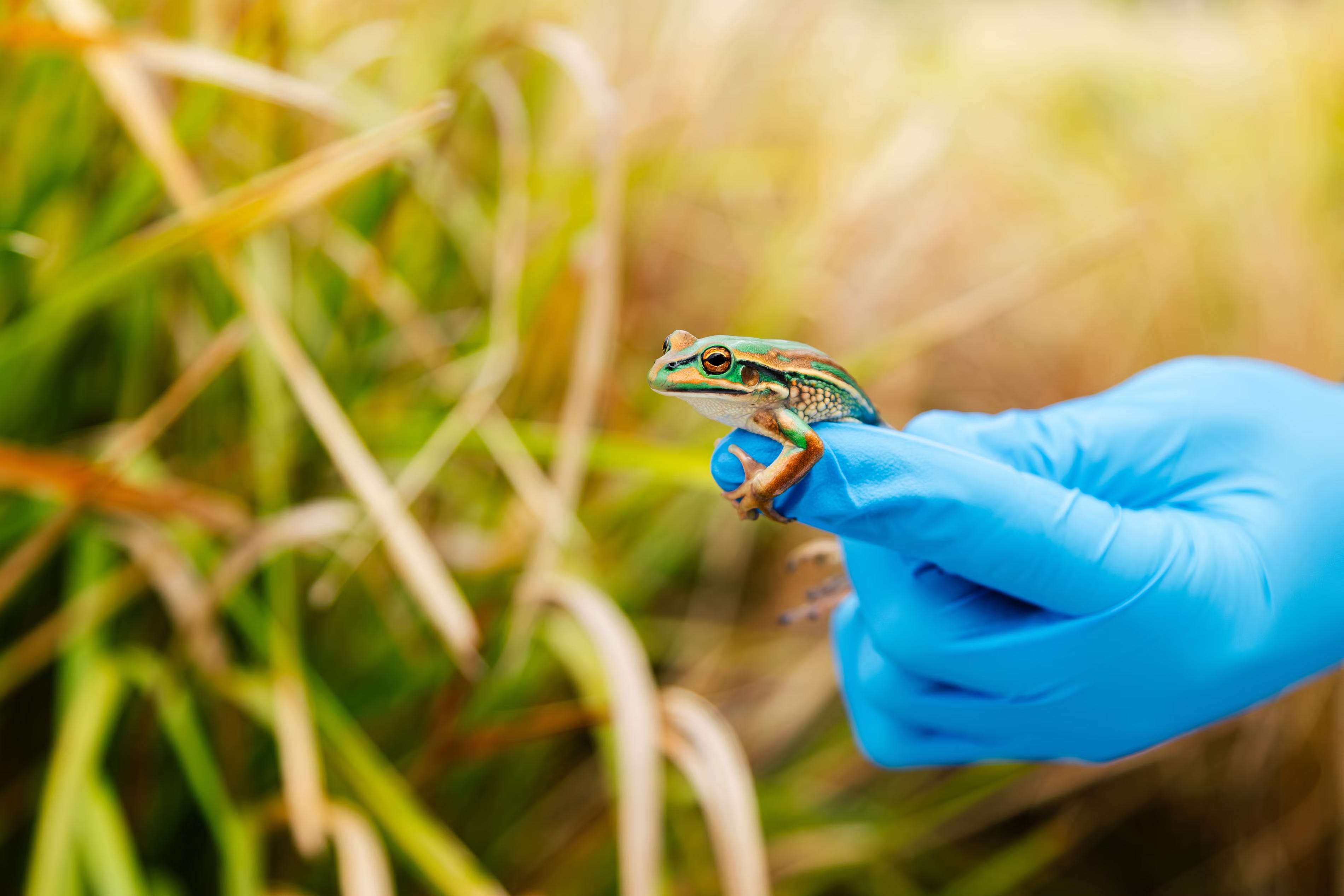
Australia returns an extinct frog to the wild after four decades. Scientists have reintroduced green and golden bell frogs to the Australian Capital Territory for the first time since the species vanished locally in the early 1980s. Using captive breeding, disease immunisation, and engineered “frog saunas” that suppress deadly chytrid fungus, researchers plan 15 releases totalling about 375 frogs. The project marks a rare reversal of amphibian extinction driven by fungal disease. The Guardian
A giant skate is making a comeback off Scotland. The critically endangered flapper skate is rebounding in and around the Loch Sunart and Sound of Jura Marine Protected Area, after commercial fishing of the species became illegal in 2009. Researchers interviewed commercial fishers from all over Scotland, with half reporting flapper sightings on a daily basis. BBC
Toronto’s Don River was declared “biologically dead” decades ago — now fish are returning after a major wetland restoration. Monitoring in 2025 recorded more than 20 fish species in Toronto’s Don River, including Atlantic salmon and native predators such as walleye and northern pike. The rebound follows a C$1 billion renaturalisation that rebuilt wetlands, reshaped the river’s course, and restored spawning habitat. National Observer
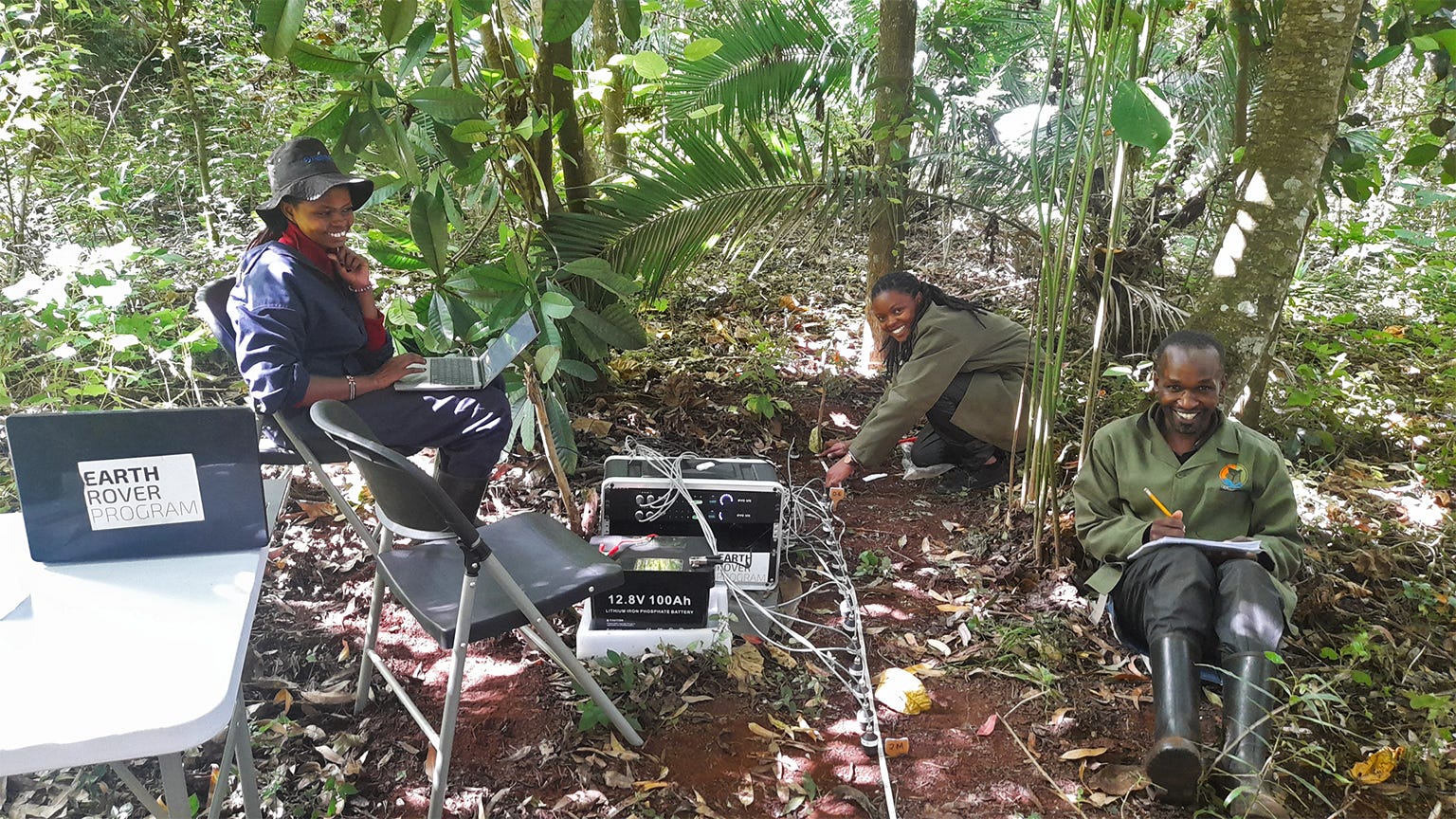
Soon, soil health should be as easy to check as the weather. The Earth Rover Program borrows seismology to read soil structure from vibrations: tap a metal plate resting atop the earth with a hammer, read the wave patterns with cheap sensors, and turn the squiggles into practical advice so farmers can see what’s happening with their ground. While the tech is currently being tested in Kenya, the Earth Rover team hopes to soon roll it out everywhere, letting farmers get a “soilcast” that tells them what to fix, and where. Mongabay
Gavi’s 2025 numbers say the global vaccine machine is still running. Gavi, the Vaccine Alliance, says it delivered a record 300 million doses in 2025, surpassed its goal of reaching 86 million girls with the HPV vaccine, and supported malaria vaccine rollouts in 24 countries — while also rebuilding how it operates. All of this happened in a year of sharp aid cuts, rising fragility across partner states and conflict and climate shocks driving need up as funding tightened. Gavi
Following that up, the malaria vaccines are working. In a study of 45,000 children across Ghana, Kenya and Malawi, researchers compared vaccinated kids (after three doses) with their unvaccinated peers. The vaccinated children had 30% less malaria and 58% less severe malaria, plus fewer malaria hospitalisations and less anaemia. All-cause deaths were lower too. Next up: an end-of-study analysis will look at longer-term impact, including what happens after the fourth dose and up to two years of follow-up. The Lancet
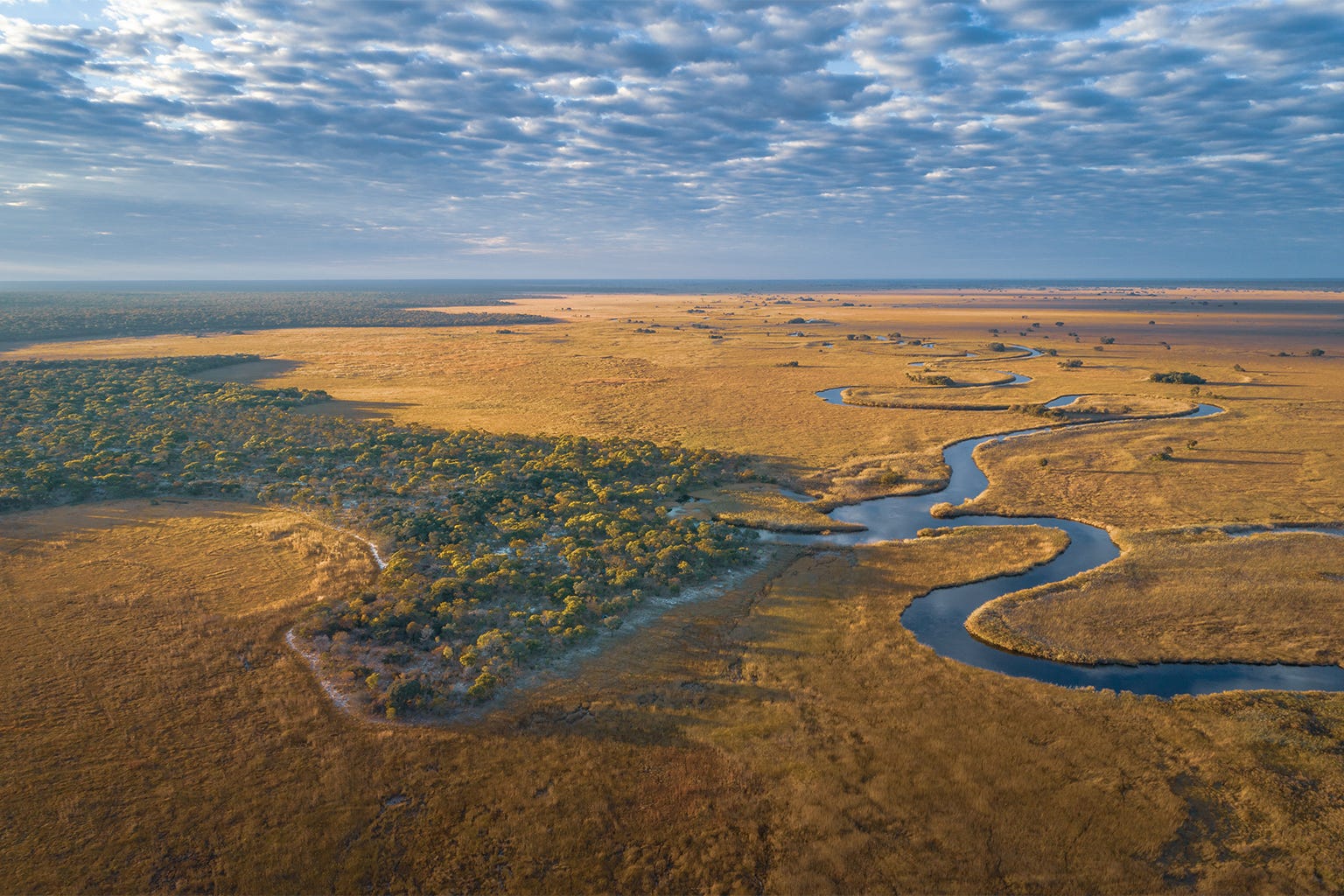
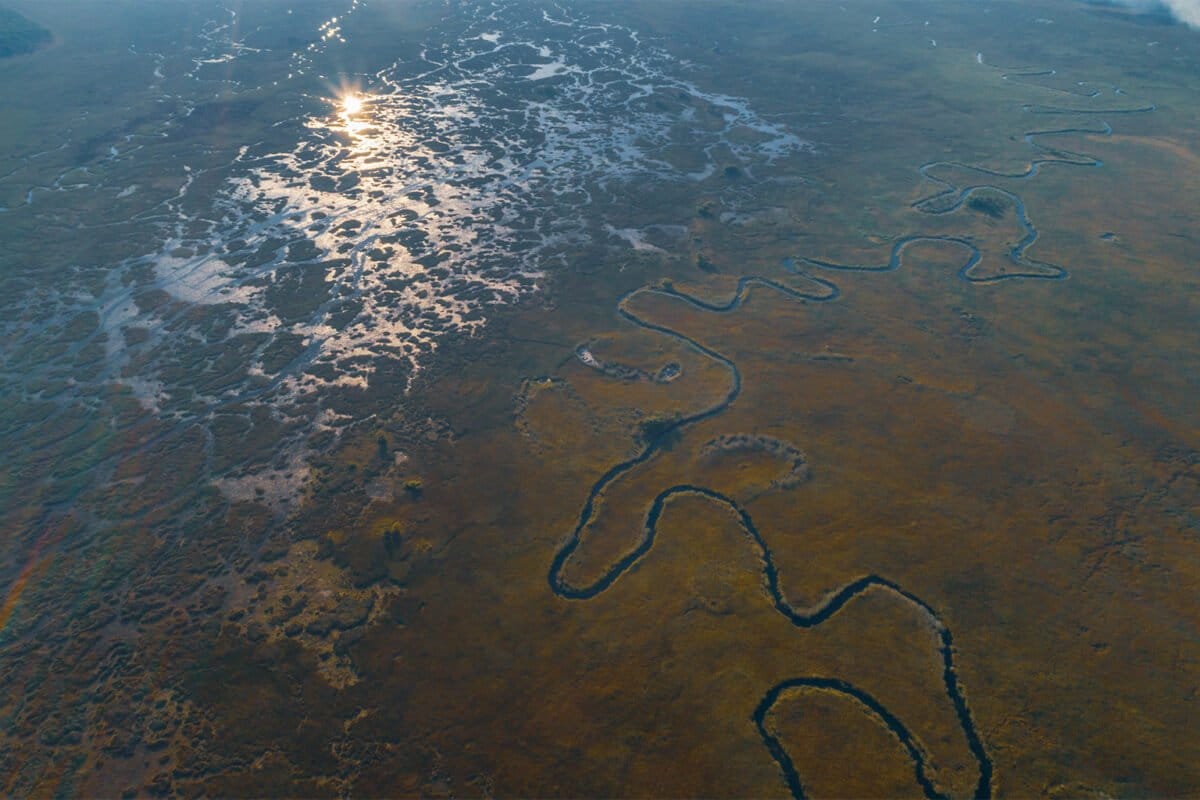
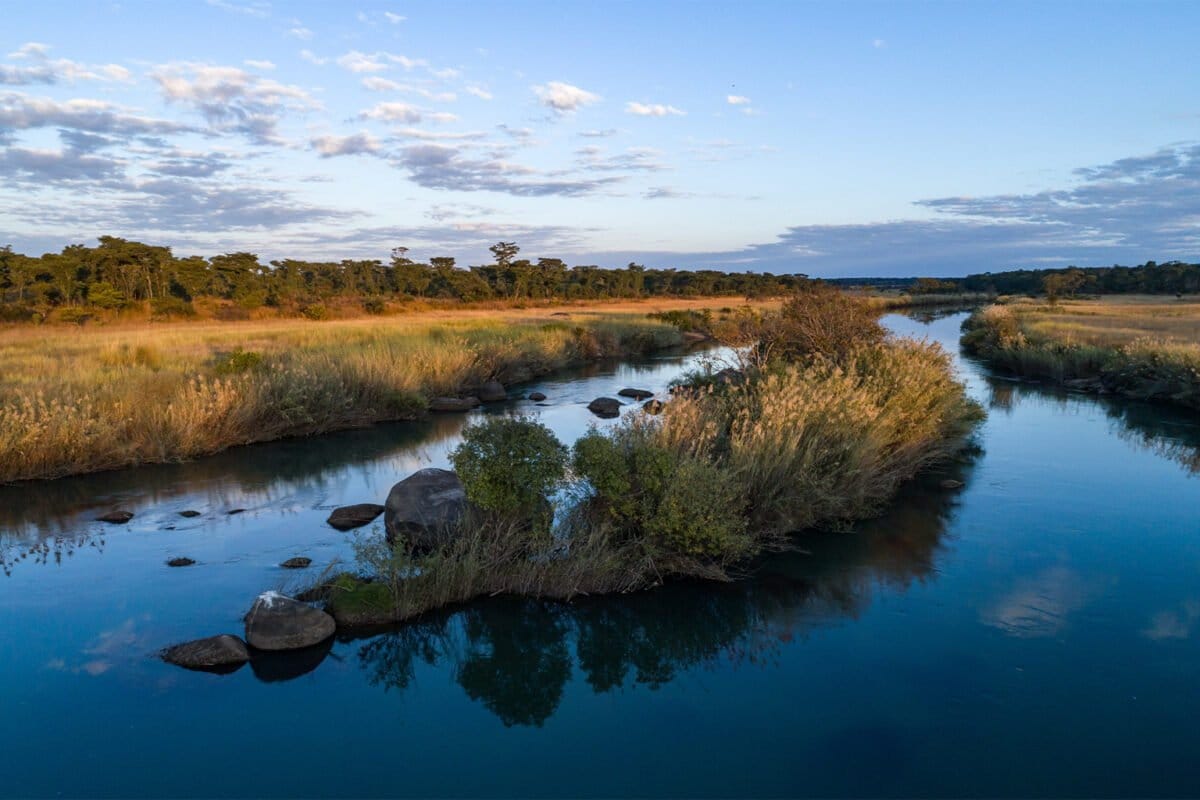
Angola has secured Ramsar Convention on Wetlands status for a critical area known to locals as lisima lya mwono (“source of life”). Officially designated last October by the Angolan government and announced Jan. 6 by the Ramsar Convention on Wetlands, the site covers around 53,000 km², supplies water to the region’s most important rivers, and supports unique native wildlife inside. Mongabay
Исправим новости
A few months ago one of our readers, Julia Miller, reached out to ask if she could translate our newsletter into Russian and record it as a podcast for Russian-speaking listeners. Of course we said yes. She’s been doing it regularly since late 2025, splitting each edition into two shorter episodes to keep them digestible. The project started as a way to share hopeful news with her parents, and while it’s been warmly received by friends and family, it’s still looking for a wider audience. Check out the 2025 year recap or the latest episode — and if you know any Russian speakers who could use some good news, please share!

Human Progress
Brazil’s murder count just fell for a fifth straight year. New 2025 totals show 34,086 deaths from violent crime (including homicide, femicide and robbery-murder), down 11.2% from 38,374 in 2024 — a drop of 4,288 lives in one year. The improvements aren’t evenly shared (state-by-state rates still swing wildly), with experts attributing the variations to higher or lower levels of conflict between gang factions. Still, the direction is now hard to ignore: fewer killings, sustained over half a decade. G1
U.S. life expectancy hit a record in 2024, powered by fewer ‘accidental’ deaths. Provisional figures put life expectancy at 79 years, as around 3.07 million people died — about 18,000 fewer than in 2023 — and deaths from unintentional injuries (including overdoses) fell more than 14%. Heart-disease death rates also dropped about 3% for a second straight year, and COVID-19 fell out of the top 10 causes of death. The U.S. still trails peer countries, but preliminary statistics suggest it will see continued improvement in 2025. ScienceAlert
The war on malaria is entering a new era. More than ten million children were vaccinated in 2025. Add in infant chemoprevention during routine vaccination checkups, Novartis’s new treatment designed specifically for newborns weighing as little as two kilograms and lab work on a “split-second” antibody target, and the parasite is finally encountering a multi-layered defence. The Conversation
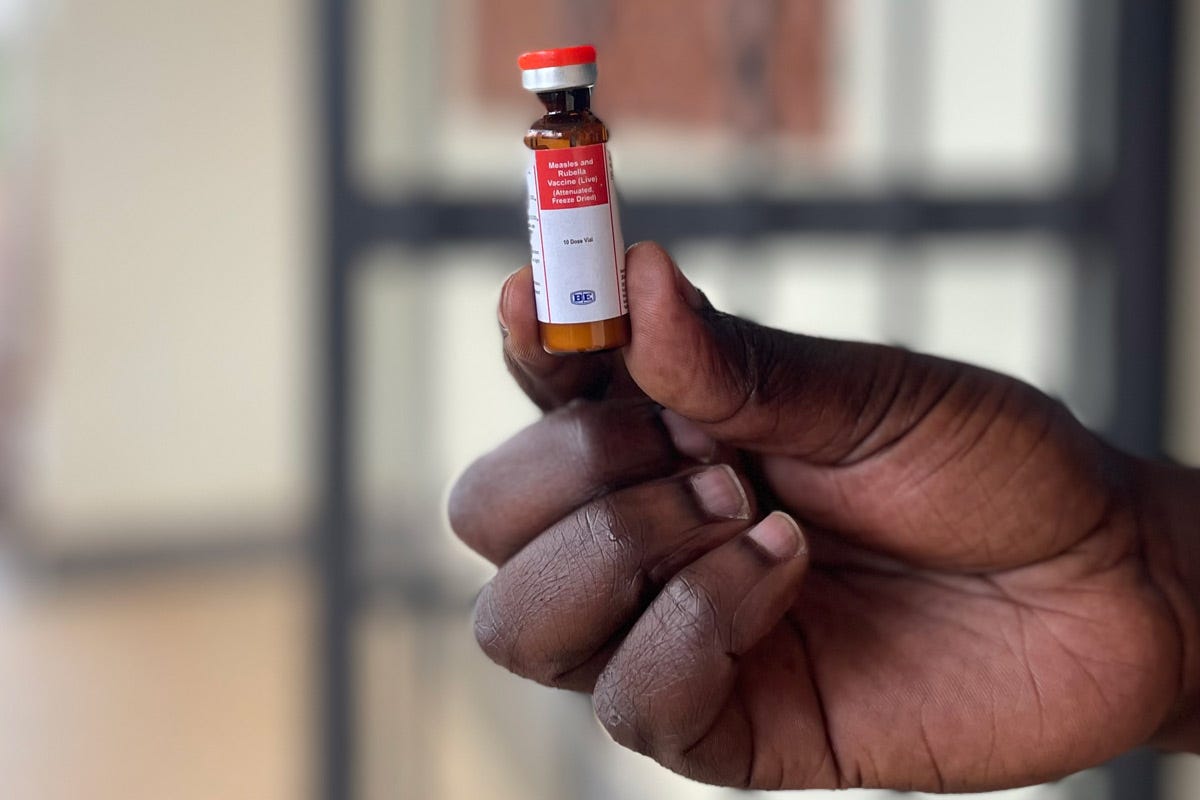
Uganda’s measles success story. Health officer Edson Tumusherure recalls hospital wards in the 1980s where almost half of all hospitalised children died; after catch-up campaigns in the 1990s and early 2000s, deaths fell by 63%, and by 2009 the country logged just nine confirmed cases. But measles is brutally contagious: even with first-dose vaccine coverage of around 90%, 67 districts reported outbreaks in 2025. The good news is that the fix is underway: a newer vaccine began rolling out in 2022, and 62 of those 67 districts have already completed response campaigns. Gavi
Between 2018 and 2024 the World Bank ran a program in Mali and Mauritania that rewarded health providers for actually providing care. It worked. Over five million people accessed basic health services, beating the original goal of 3.65 million. Mali delivered 1.17 million under-five consultations for illnesses like malaria, respiratory infections and diarrhoea. Mauritania vaccinated 200,000+ children (3× the target) and delivered almost five million under-5 consultations.
Laos is on track to graduate from the UN’s poorest-country list. Laos has been recommended by the United Nations to leave Least Developed Country status in 2026, followed by a transition period to 2029. The government is targeting 6% average growth for 2026–2030, after roughly 4.3% growth in 2024, and officials are already planning for the harder bit: losing some grants and special support once the label changes. Vientiane Times
Multidimensional poverty continues to decline in Ghana. The latest figures from the Ghana Statistical Service show deprivation falling from 23.9% in Q1 2025 to 21.9% in Q3, with 360,000 people exiting poverty in a single quarter, and about a million over the course of a year. Education and geography still decide a lot: rural poverty remained stubbornly high, as does poverty in households with no formal education. Nevertheless, progress. MyJoyOnline
And finally, in this excellent VoxDev interview, Vietnamese economist Phạm Chi Lan walks through how Vietnam went from post-war privations to lifting millions of people out of poverty. The politics surrounding pro-market reforms in Communist Vietnam were messy: years of debate over whether markets would betray socialist ideals, with the “voice of the grassroots” eventually breaking the deadlock. Provincial leaders loosened controls, giving farmers and producers more autonomy; when food and output improved, it became evident that the Vietnamese could build a market economy that actually served the country.
Conservation & Restoration
Ostriches return to Saudi Arabia after nearly 100 years. In December, five red-necked ostriches were released into the Arabian desert, with more to come if they successfully breed. Saudi Arabia’s native “Arabian” ostrich was hunted to death in the mid-20th century and since then there’s been no big grazing birds to disperse seeds from the desert’s grasses and leaves. Gamekeepers hope the red-necked ostriches, North African natives used to surviving harsh deserts, will fill that ecological niche. With fewer than 1,000 red-necked ostriches left globally, the move also widens that species’ survival map. Arab News
Bolivia has created the 838 km² Gran Paitití de Mapiri Municipal Park and Integrated Natural Management Area, adding a new piece to its Amazon–Andes wildlife corridor. Established in October 2025 through a community-led process in La Paz, it links several conservation areas and safeguards an amphibian hotspot with nearly 30 species. Andes Amazon Fund
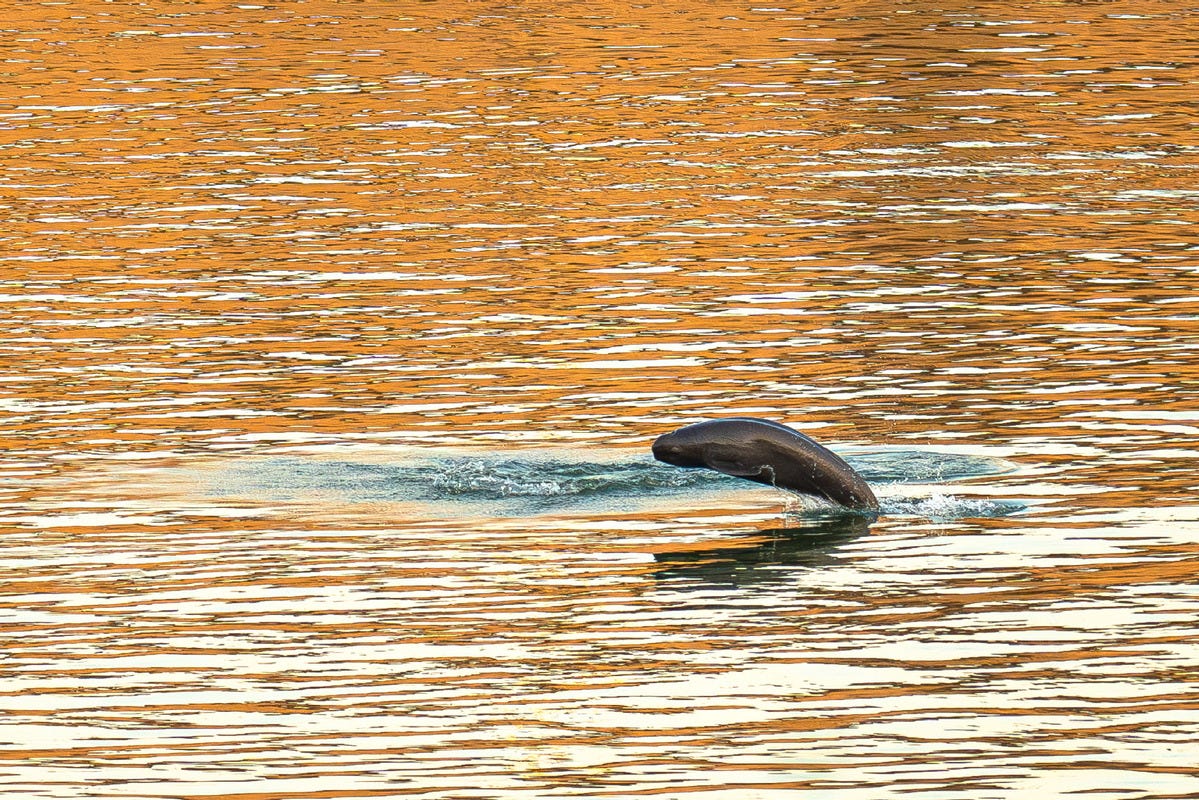
In China’s Yangtze River, the finless porpoise population is rising: the latest count puts it at 1,426 in 2025, up 177 since 2022. Scientists link the recovery to the ten year fishing ban that began in 2021, alongside tighter habitat protection and monitoring. They’re now aiming for 1,700 by 2030 and 2,000 by 2035, backed by an action plan including local governments and research bodies. China Daily
Toronto to turn former airport into a sustainable district. Toronto is redeveloping the former Downsview Airport into a C$30 billion, multi-decade urban district planned to house over 60,000 residents and 20,000 jobs. Built around transit, walkability and reused infrastructure, the 370-acre site will add 30,000 homes, 70 acres of parks and a pedestrian boulevard on a former runway, targeting net-zero emissions by 2040. Newsweek
South Australia has begun a $17 million wetland repair programme, targeting the Coorong, Lower Lakes, Murray Mouth and the South East. Announced in January, the Shorebird and Wetland Habitat programme will upgrade water-control infrastructure, restore breeding and foraging habitat, and cut pressures from weeds, feral foxes and cats, and pest fish. Glam Adelaide
And, for the first time in more than 40 years, rhinos are roaming Uganda’s Ajai wildlife reserve. The Uganda Wildlife Authority has moved four southern white rhinos from Ziwa Rhino Sanctuary, which has been successfully breeding white rhinos since the early 2000s, as phase one of a plan to establish 20 animals at Ajai, which fell into disuse after the species was driven to extinction in the 1970s and 80s due to poaching and political unrest. This monumental milestone follows decades of strategic restoration efforts in the West Nile region and could be a game-changer for tourism in an oft-overlooked area. TTW
Energy & Climate
The climate debate feels stuck right now between optimism and despair. Both sides are citing the same data, yet keep reaching opposite conclusions. As climate scientist Aaron Thierry points out, this looks confusing until you realise the disagreement isn’t about facts, but about what kinds of questions are being asked.
The optimists say, “Are things moving in the right direction? Is change accelerating?” The pessimists (who correctly call themselves realists), ask “Are we still within safe boundaries? Are absolute levels declining? Is the transition happening fast enough?” One side is looking for signs of change, the other is concerned about where we’re running up against physical limits.
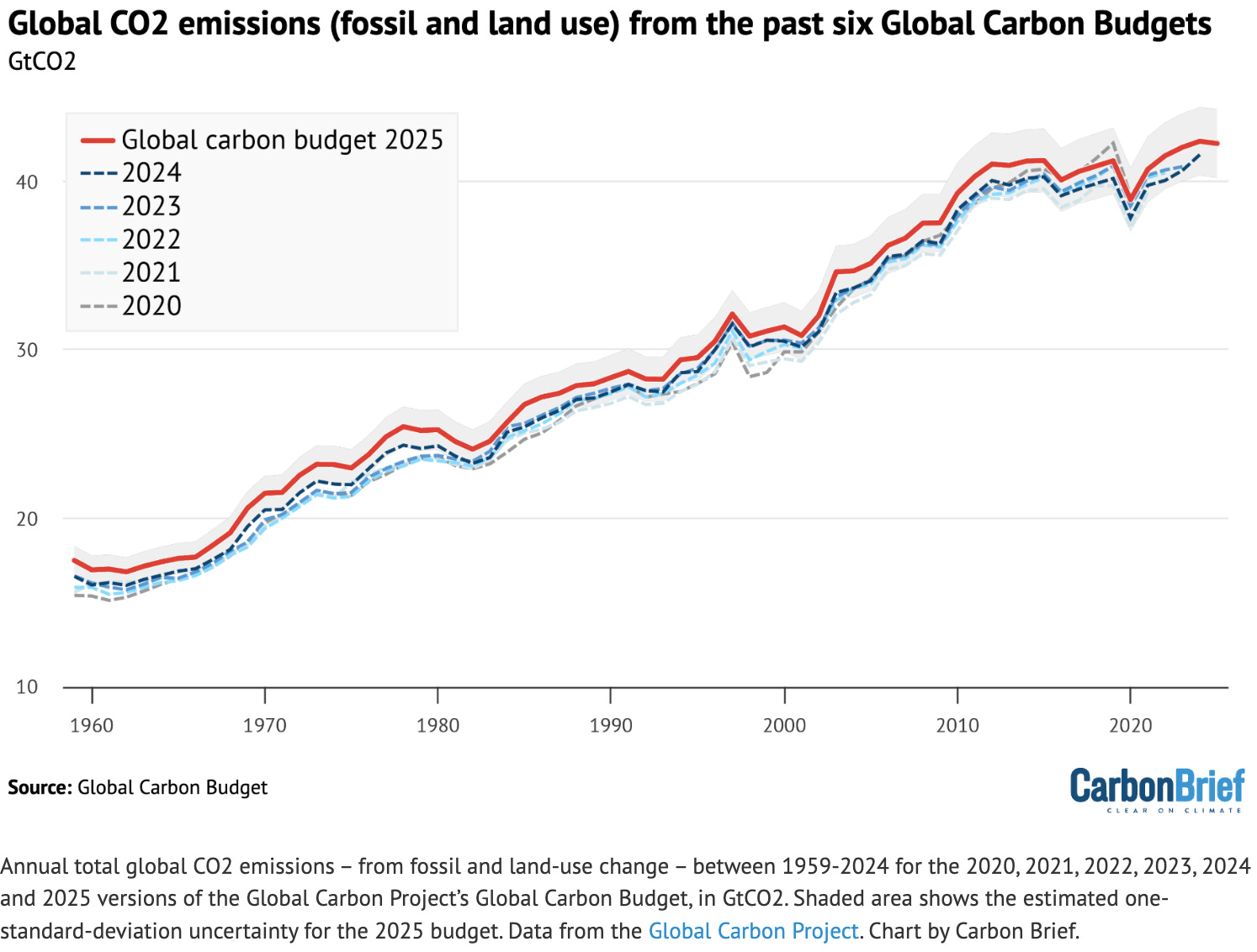
Take CO₂ emissions. Growth has slowed over the past decade. The world’s wealthy countries have all peaked, and China and India look set to follow quicker than expected. Read for momentum, this looks like the curve bending, like the technology and the economics working, like the trajectory shifting. Read for limits though, it shows absolute emissions still rising, atmospheric concentrations climbing and carbon budgets still shrinking. Both readings are accurate. The disagreement is about which one matters more.
The growth of renewable energy brings this into even sharper focus. Global solar, wind and battery installations are rising exponentially. A dynamic reading says we’re on a cost and deployment curve that will eventually see these technologies replace coal, gas and oil. But when you’re looking at the same data for limits, you can see that renewables are not yet being added at the scale required to start really drawing down on fossil fuels. The tension is between the overall direction versus current reality.
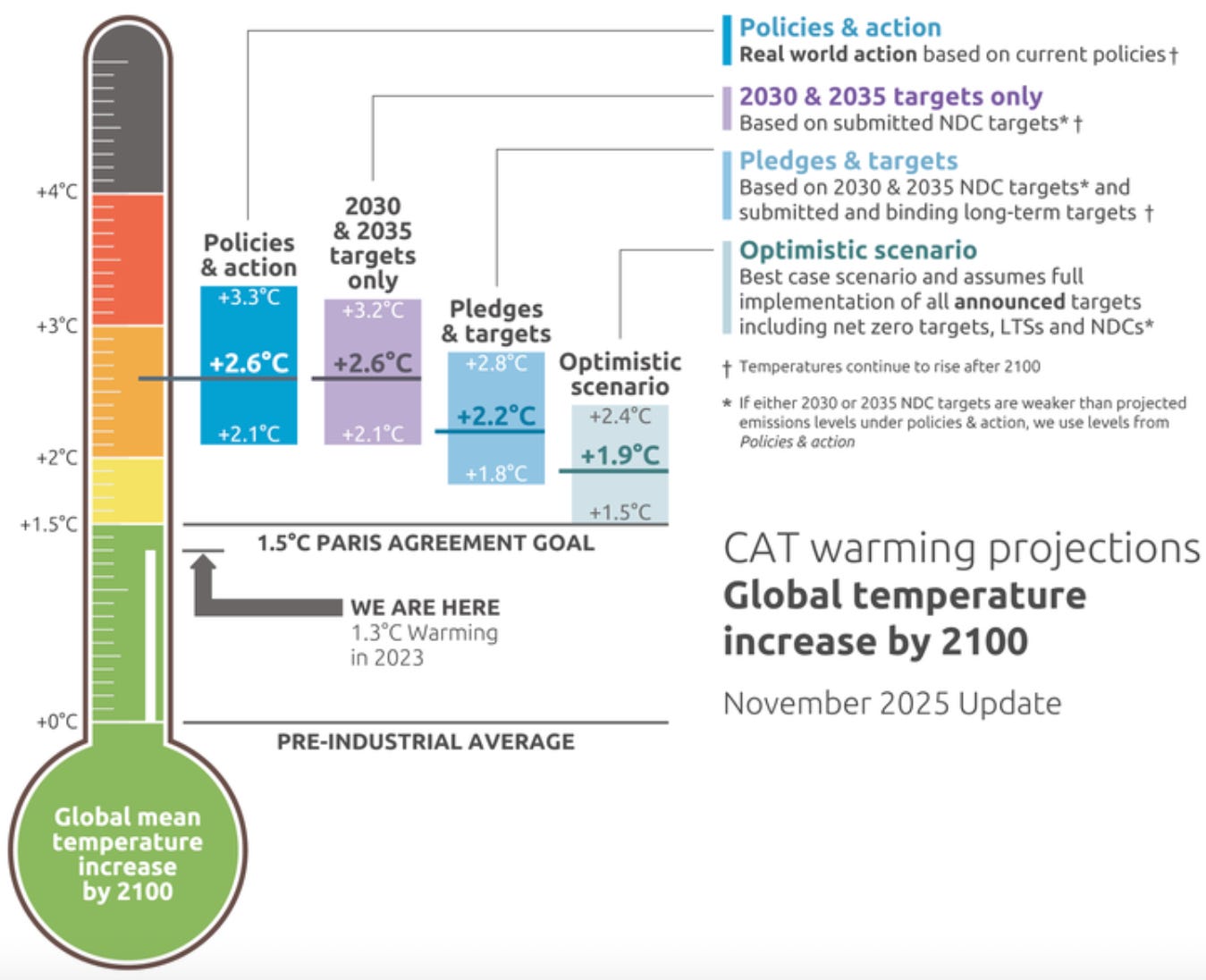
Perhaps the clearest example comes from warming projections. A decade ago, business-as-usual scenarios pointed toward four or five degrees of warming by 2100. Today those projections land closer to 2.6 degrees. For the optimists, this is proof that action works, that we’ve avoided the worst and that we could bend the curve even further. For the pessimists, it’s an admission of failure: we’re not going to make the Paris Agreement’s target of 1.5 degrees. Our climate is already changing, and the impacts are going to be devastating.
In other words, this isn’t really about data. It’s about frameworks. Everyone’s worried, but some care about direction, acceleration, and whether positive feedback loops are starting to kick in. Others care about absolute levels, about how much room remains in our carbon budgets and whether the current pace of change is fast enough to meet the targets we’ve all agreed are necessary to prevent disaster.
Climate communication often treats this as a knowledge problem, as if people just need more graphs. But most people aren’t confused. They’re just using different frameworks. You can have accelerating progress that’s still insufficient. You can have impressive momentum that nonetheless fails to meet physical constraints in time. Both can be true simultaneously, which is why citing more data doesn’t resolve anything.
There’s nothing wrong with the limits camp. Their warnings are accurate and their insistence that we focus on what’s actually required to hit ambitious goals reflects genuine concern. But that’s not the lens we use. We keep finding evidence that things are changing remarkably quickly (faster than most models predicted). That dynamism gives us more confidence about both our climate and energy futures than a lot of other people who care about this stuff.
The question isn’t whether the glass is half-empty or half-full. It’s whether you’re watching how fast the water level is rising or tracking how much space still remains. Both matter. But they tell different stories about what comes next.
Some headlines from the last week:
Global battery prices have plunged 60% in two years, reshaping power grids.
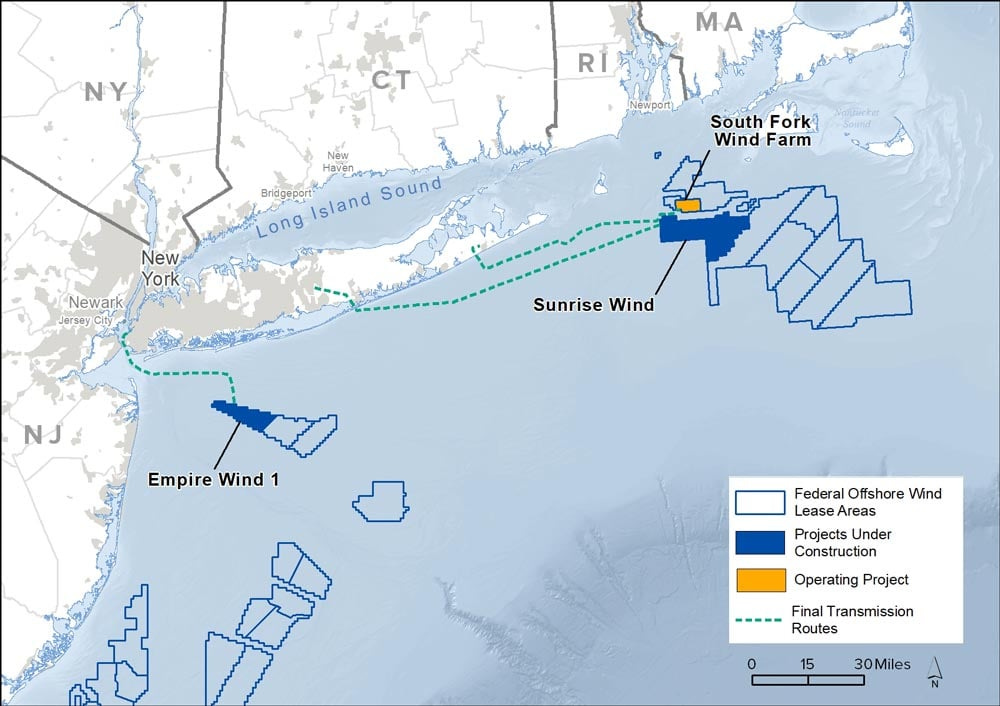
All five offshore wind projects cancelled by Trump are back on track.
Adoption of electric vehicles in California is cutting air pollution.
Ten European countries pledge €95 billion to accelerate North Sea wind.
We’ve hit peak cement (it’s not coming back) and that’s good for climate.
Electric cars go mainstream as adoption surges worldwide.
India goes full throttle on solar panel manufacturing.
A revival for coal in India looks impossible as renewables dominate.
Court forces German government to decide stronger climate actions.
Amsterdam becomes first capital city to ban fossil fuel advertising.
Science & Technology
New worm species discovered in Utah’s Great Salt Lake. Roundworms are so-called ‘extremophiles,’ evolved to survive in incredibly harsh environments — specially adapted roundworms, or nematodes have been found in Antarctica’s McMurdo Valley, and deep underground in a South African gold mine. Which is why, when Julie Jung, a roundworm specialist, was told nothing could survive Utah’s Great Salt Lake except brine shrimp and brine flies, she started looking for nematodes… and found one. Diplolaimelloides woaabi (the species epithet, “wo’aabi”, is the Shoshone word for “worm”) lives in the Great Salt Lake and apparently nowhere else on Earth. Jung found hers in a soil sample brought home in a takeout container (“they don’t leak.”) NPR
Long thought only the glue between neurons, astrocytes regulate the brain. Neurons are the brain’s big stars: they create a dazzling electrical network, exchanging signals to depress or excite each other up to 1,000 times per second. Given all that glitz, perhaps it’s no wonder that for centuries we’ve believed neurons to be the brain’s sole arbiter of perception, thought, emotion, and behaviour… but we were wrong.
Astrocytes are the gluey bits of brain that fill the space between neurons like so many slimy packing peanuts, and it turns out they regulate neurons. Thank a trio of papers published in Science in 2025 for proving it beyond a shadow of a doubt. “Neuroscience has only cared about neurons for a century now, and we don’t yet have a cure for a single brain disorder,” says Thomas Papouin, the author of one of the papers. The way to change that, he says, is to accept the influence of non-neuronal cells such as astrocytes, and to include them in experiments and models. Quanta

South Africa has yielded the oldest direct evidence of poisoned hunting weapons. Residues on 60,000-year-old quartz arrowheads show early humans used plant toxins, likely from Boophone disticha, to enhance lethality. The find pushes poison-based hunting deep into the Pleistocene and reveals sophisticated chemical knowledge, planning and tool use far earlier than previously documented. Ars Technica
Immune breakthroughs, in three ways:
In London, clinicians at Great Ormond Street Hospital and University College London used base-editing to treat T-cell leukaemia in nine children and two adults. Researchers reported “deep remission” in most patients, with seven still disease-free three years later. Positive News
Two decades after a small Duke breast cancer vaccine trial, every participant is still alive — a rare outcome for metastatic disease. When researchers looked closer, they found the women’s immune systems still carried “memory” cells that recognised the cancer. Science Daily
And prevention may have wider spillovers than we thought: Eric Topol explores the evidence that older adults who received a shingles vaccine had a roughly 20% lower risk of developing dementia in later years.
MIT engineers show waste heat inside electronic devices can do useful computation. Using microscopic silicon structures, they encoded information as temperature differences and achieved over 99% accuracy on matrix multiplication, a core AI operation. While not scalable for deep learning yet, the work may lead to ultra-efficient sensing and self-monitoring chips that compute using energy that would otherwise be wasted. MIT
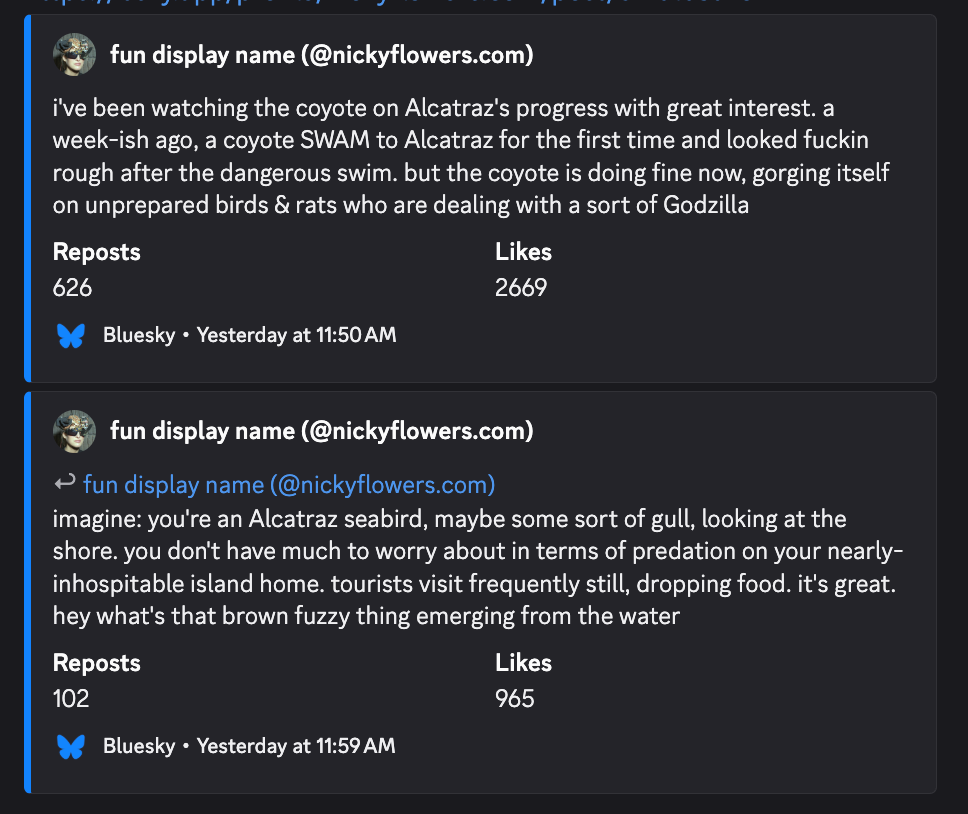
And finally, a young coyote who was kicked out of his territory survived a swim to Alcatraz Island and is now living near the notorious prison. The coyote is being monitored by San Francisco naturalists, who’ve noted that the affectionately-nicknamed ‘Floyd’ has gotten fat fast off of eating unprepared seabirds. BBC
That’s it for this week thanks for reading! We’ll see you next week :)
With love,
The FTN team