321: The Kiss. Child poverty ↓. How to rewild. Brain epochs 🧠 🌟
Very sloppy, lots of tongue.
You’re a paid subscriber to Fix The News. If someone forwarded this, you can subscribe here. We give away 30% of subscription fees to charity. Give someone a gift subscription. Get a group subscription. Listen to our podcast. If you need to unsubscribe, there’s a link at the end.
Come hang with us in Sydney on the 3rd December.
This week’s top stories
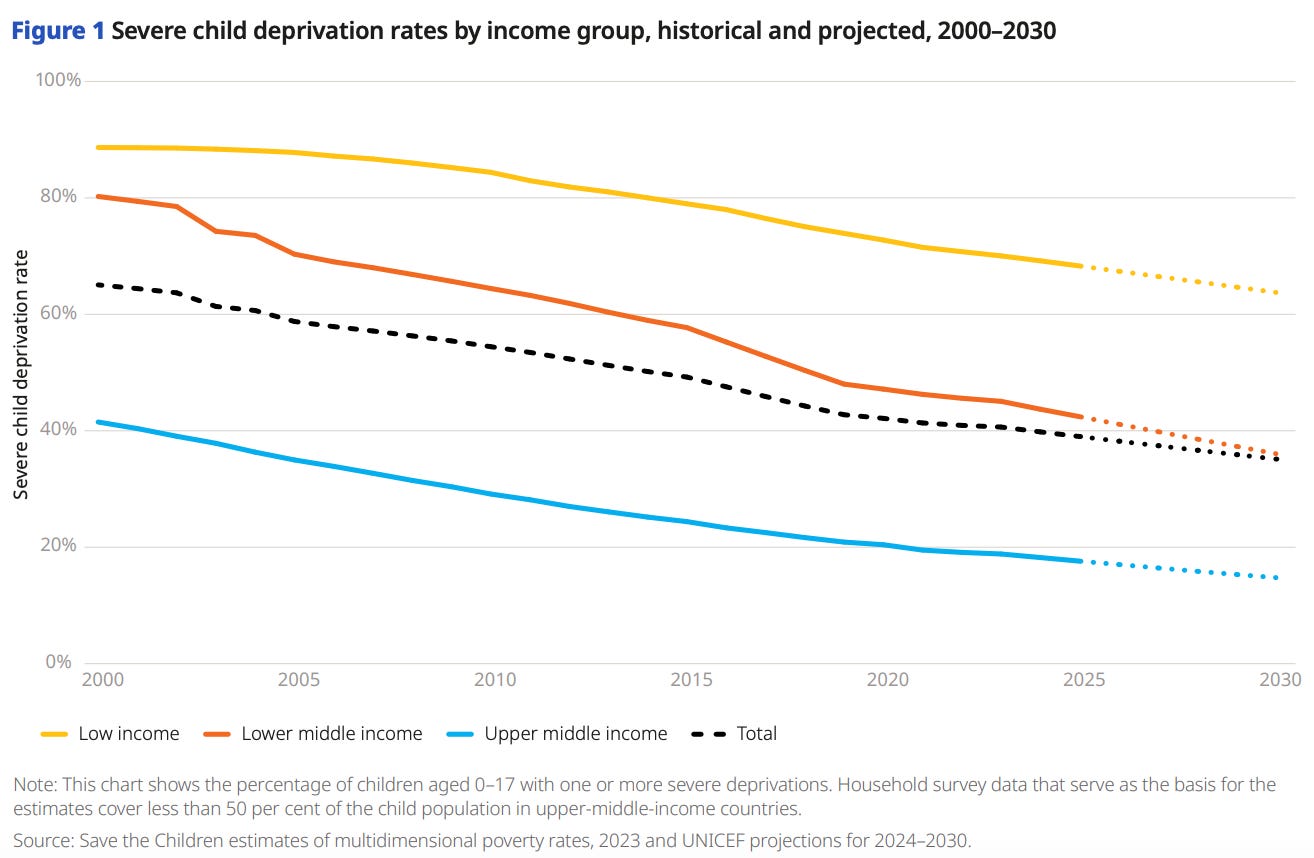
95 million children lifted out of extreme poverty in this century
Extreme child poverty has fallen from 507 million in 2000 to 412 million in 2024, even as the global child population grew by a few hundred million. This decline has given humanity a roadmap: the countries that made the largest reductions used the same package: embedding child rights in national budgets, expanding inclusive cash transfers, lowering the cost of schooling and healthcare, and improving labour security for caregivers. UNICEF
Remember how in FTN 312 we talked about how the world has hit peak farmland, which means rewilding is going be a big deal? Well now it’s time to talk about some rewilding.
In Scotland’s Affric Highlands, Britain’s largest rewilding landscape is being reshaped by a coalition of landowners, residents and conservationists. These partnerships are reconnecting ancient Caledonian pinewoods, peatlands and river corridors while securing long-term commitments from private estates — strengthening habitat for wildcats, pine martens and golden eagles (and newly released beavers, the first in 400 years!)
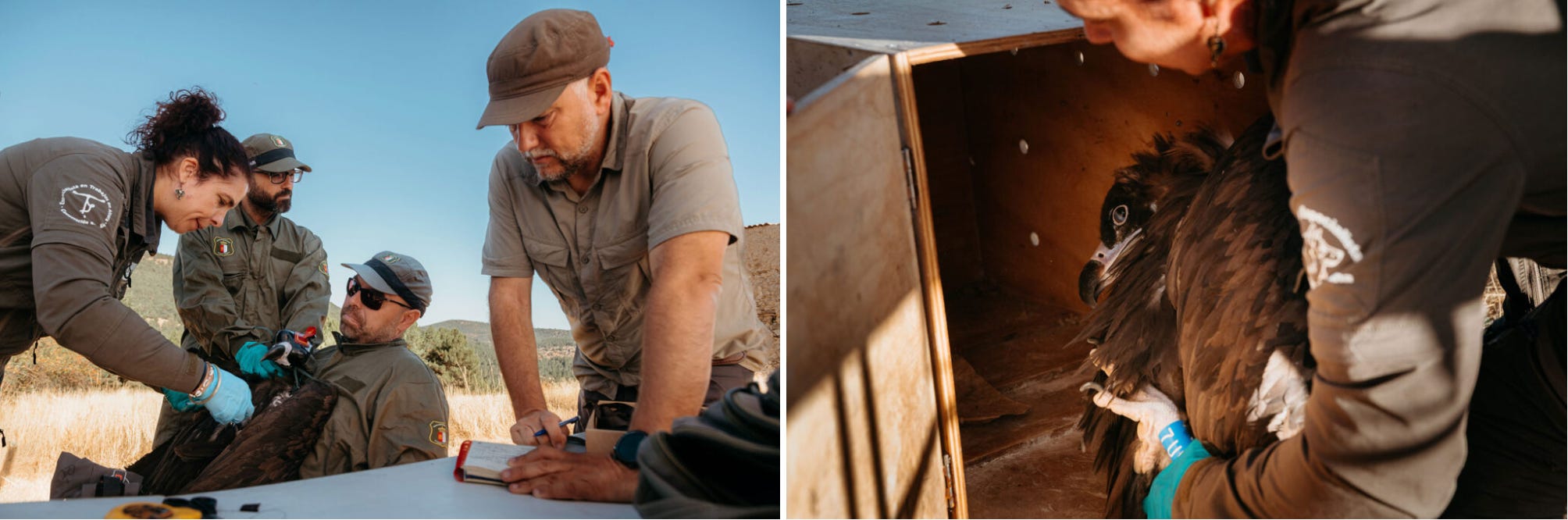
Across Romania, Spain and Bulgaria, Europe’s skies are beginning to fill with giant silhouettes once again. Final releases of cinereous vultures in the Carpathians — alongside coordinated flights of new cohorts in Spain and Bulgaria — are restoring a keystone scavenger that stabilises food webs, limits disease and signals the revival of functioning ecosystems.
Further east, environmentalists in Cambodia have released captive-bred milky storks into the Tonle Sap floodplain — the first step in restoring a species reduced to only a few hundred birds.
In Ukraine, rewilding is fusing with healing. A new ‘Nature for Veterans’ programme is engaging frontline soldiers and their families directly in the restoration of wetlands and forests across the Danube Delta, and the release of wild donkeys, steppe marmots, eagle owls, and fallow deer.
And as these efforts multiply, the IUCN has just issued the world’s first formal rewilding standard, giving governments and practitioners a shared, accountable framework for what counts as rewilding (and what doesn’t), and creating global guardrails for a field that has expanded faster than its definitions. The guidance sets criteria for restoring ecological processes, reintroducing species, and securing community consent.
(Can someone please tell RFK Jr) Cabo Verde, Mauritius and Seychelles have become the first countries in sub-Saharan Africa to eliminate both measles and rubella, each sustaining more than 36 months without endemic transmission. The achievement rests on two decades of regional strategies built on two-dose vaccination, periodic mass campaigns, intensive surveillance and stronger outbreak response WHO Africa
Gavi’s drive to revitalise HPV vaccination has reached its target ahead of schedule, protecting 86 million girls by end-2025. More than 50 countries have introduced the vaccine, and uptake is rising fastest in high-burden regions: coverage in Africa hit 44% in 2024, overtaking Europe’s 38%. The scale-up is projected to avert 1.4 million future deaths, consistent with long-term data showing 75–92% reductions in invasive cancer when the vaccine is delivered in early adolescence.
In the latest wave of action Angola launched a historic nationwide HPV vaccine campaign in October, vaccinating 2.2 million girls in its first phase alone. Meanwhile, Malawi — which has one of the world’s highest cervical cancer mortality rates — has doubled down with a major late-2025 rollout targeting girls in urban and rural settings alike, backed by mobile teams and community outreach.
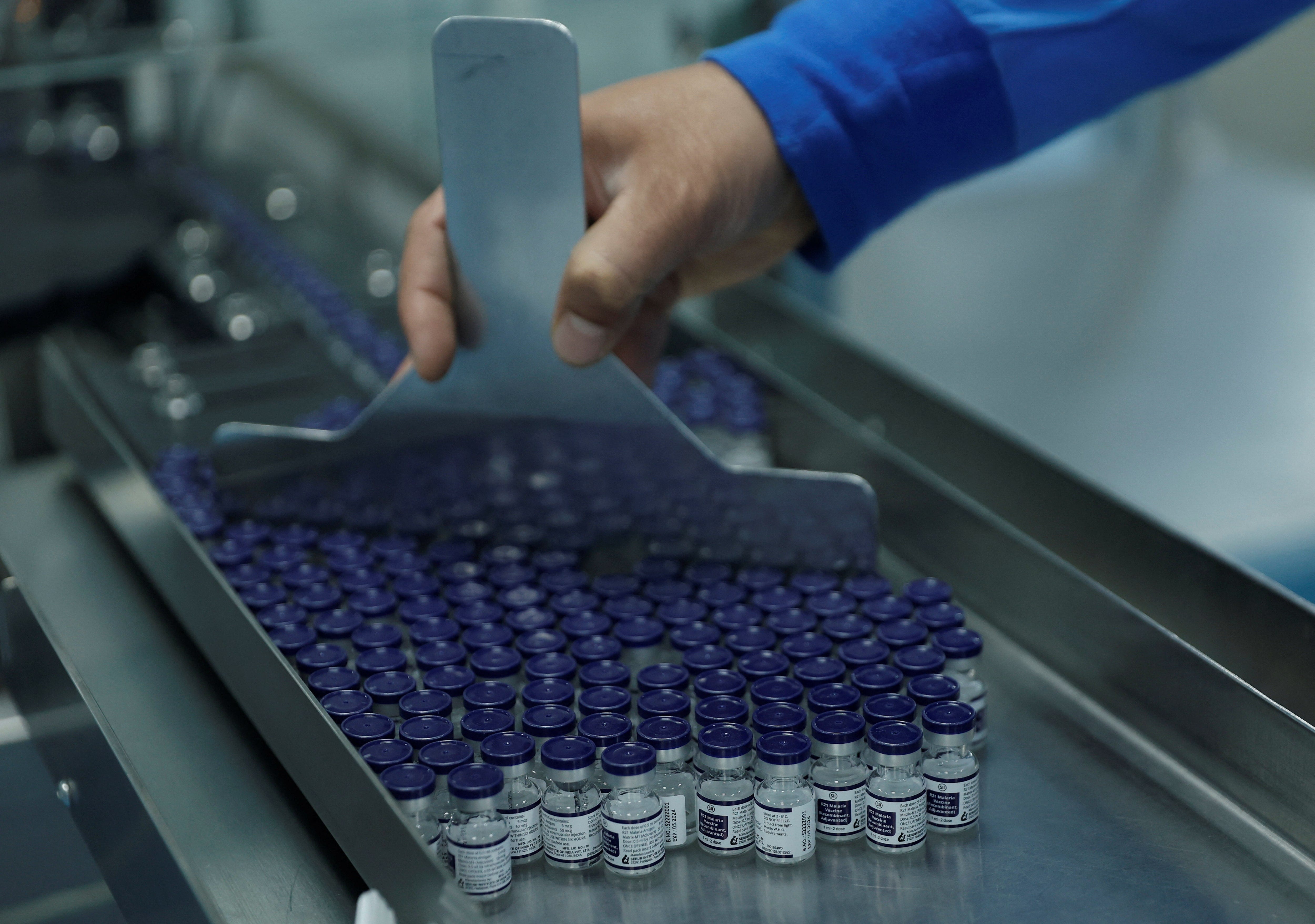
Meanwhile, Gavi and UNICEF have secured a deal to cut the price of the R21 malaria vaccine by 25%, down to $2.99 per dose. The savings, roughly $90 million, will finance around 30 million extra doses and reach an estimated 7 million more children over the next five years, even as donor budgets tighten. Reuters
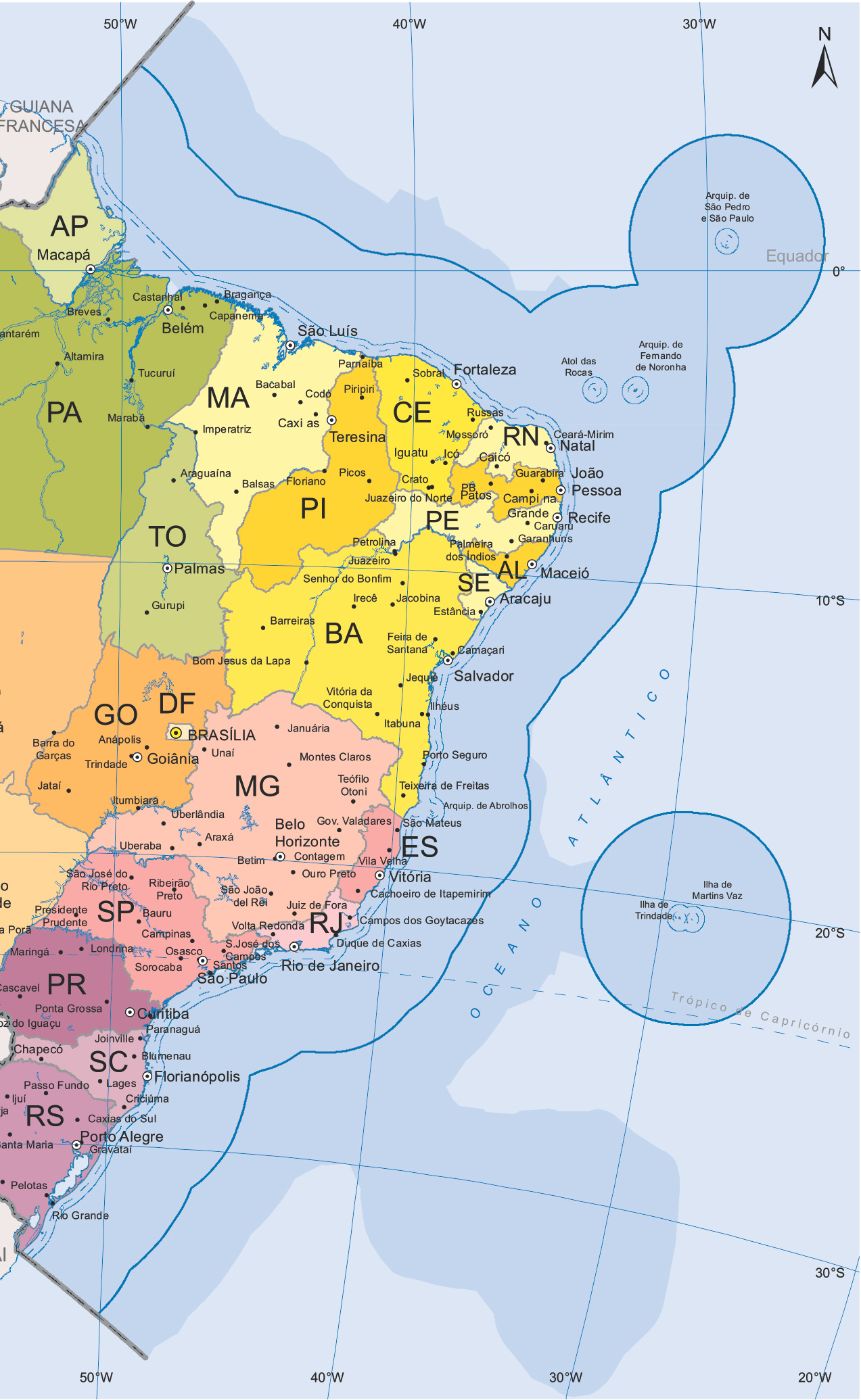
COP30 failed on the big ticket stuff, sabotaged yet again by petrostates and their lobbyists. Governments walked away without a deforestation roadmap, agriculture talks collapsed, and carbon market rules stayed muddy. Inside the halls, though, a very different story unfolded: billions in funding for forests and land-rights, hard-won adaptation indicators, ocean and methane deals, and concrete steps on Indigenous tenure and smallholder resilience. The formal outcome of COP30 was weak, but on the margins, there was plenty of progress:
Brazil’s new Tropical Forest Forever Fund launched with $6.6 billion raised.
Countries renewed and expanded rainforest finance for the Congo Basin, pledging more than $2.5 billion over five years.
A global pledge of $1.8 billion was made to secure land rights for Indigenous peoples, local communities and Afro-descendant groups.
Brazil announced 10 new Indigenous territories and a five-year plan to secure 590,000 km² of land.
Colombia, Italy and Vietnam joined the Alliance of Champions for Food Systems Transformation, expanding the bloc committed to national food system reforms.
UNEP and partners launched a food waste initiative aiming to halve global food waste by 2030 and cut methane emissions by up to 7%.
The Gates Foundation committed $1.4 billion for smallholder climate adaptation in sub-Saharan Africa and south Asia.
The Rockefeller Foundation committed $5.4 million to strengthen climate-resilient food systems and school meals.
Forest countries, led by Colombia, committed to maintaining Amazon territories free from oil and mining activity.
The Climate and Clean Air Coalition launched an accelerator with an initial $25m for methane reductions across seven developing countries.
11 countries issued new commitments to drastically reduce fossil methane emissions.
Bloomberg Philanthropies announced $100 million for methane detection and reduction, including satellite monitoring, and…
COP30 formally recognised Indigenous land rights and traditional knowledge in its core mutirão decision, strengthening Indigenous standing in climate governance.
And Brazil capped the conference with a major ocean pledge: a commitment to bring 100% of its 5.7 million km² of national waters under sustainable management by 2030. If delivered, it would be the largest ocean governance upgrade ever undertaken by a coastal nation.
EU court orders Poland to recognise same-sex marriages performed abroad
The EU’s top court has ruled that member states must recognise same-sex marriages legally contracted elsewhere in the bloc, after Poland refused to register a marriage between two Polish citizens wed in Germany. The judges found that blocking recognition violates freedom of movement and the right to family life, unlocking a route for thousands of couples to claim legal status in Poland despite its domestic ban. Le Monde
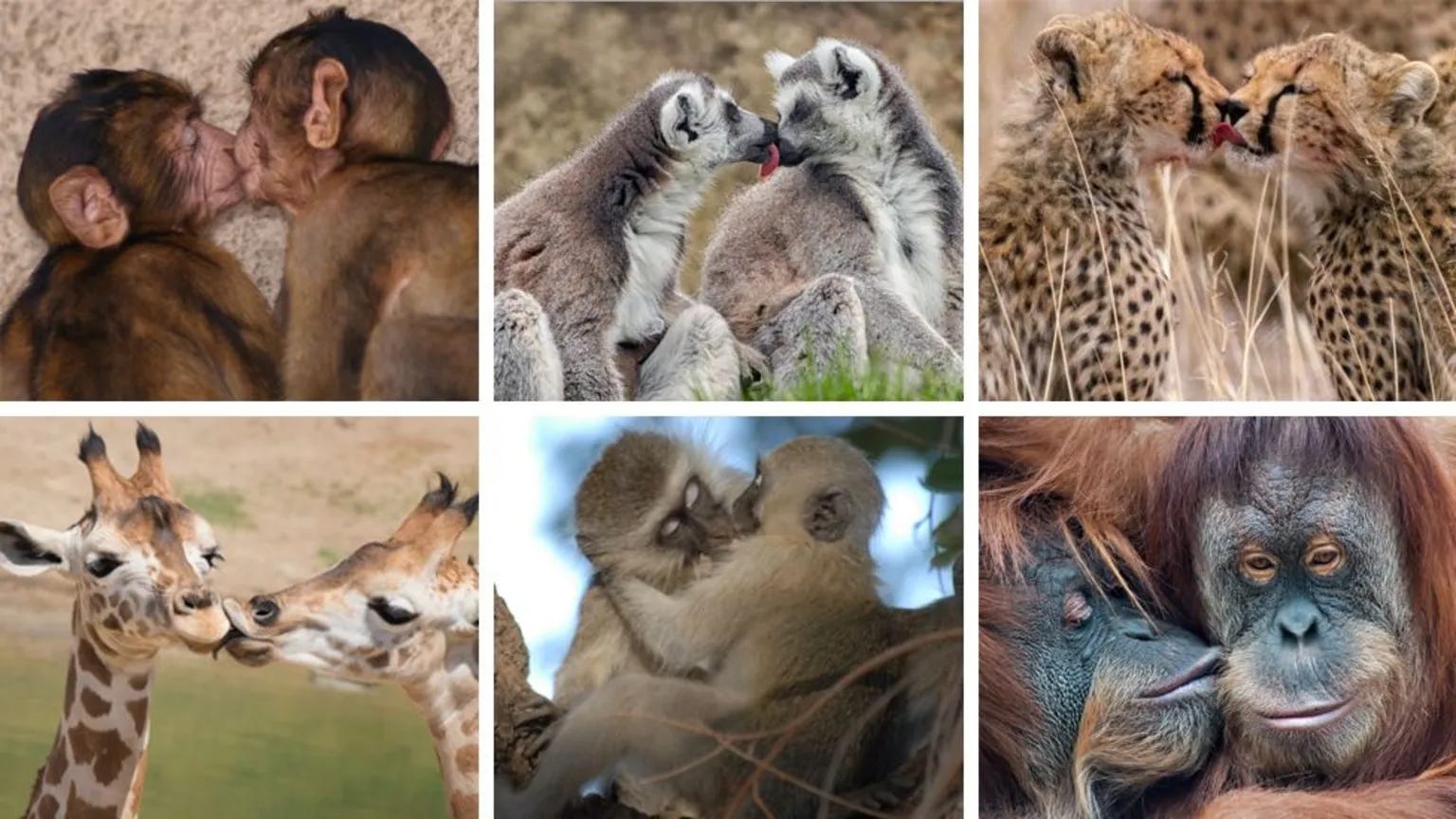
A study of kissing across primates and ancient human cultures has pushed back the theorised origins of romantic kissing by millions of years. By comparing kissing across dozens of species, from wolves to polar bears (very sloppy, lots of tongue), researchers reconstructed an evolutionary “family tree” of the behaviour. Scientists used a rigorous definition: “non-aggressive, mouth-to-mouth contact with lip or mouthpart movement and no food exchange”(hot). Under those criteria, kissing appears widespread across great apes, meaning the behaviour likely existed in the common ancestor of humans, chimps and bonobos about 21.5 million years ago. BBC News
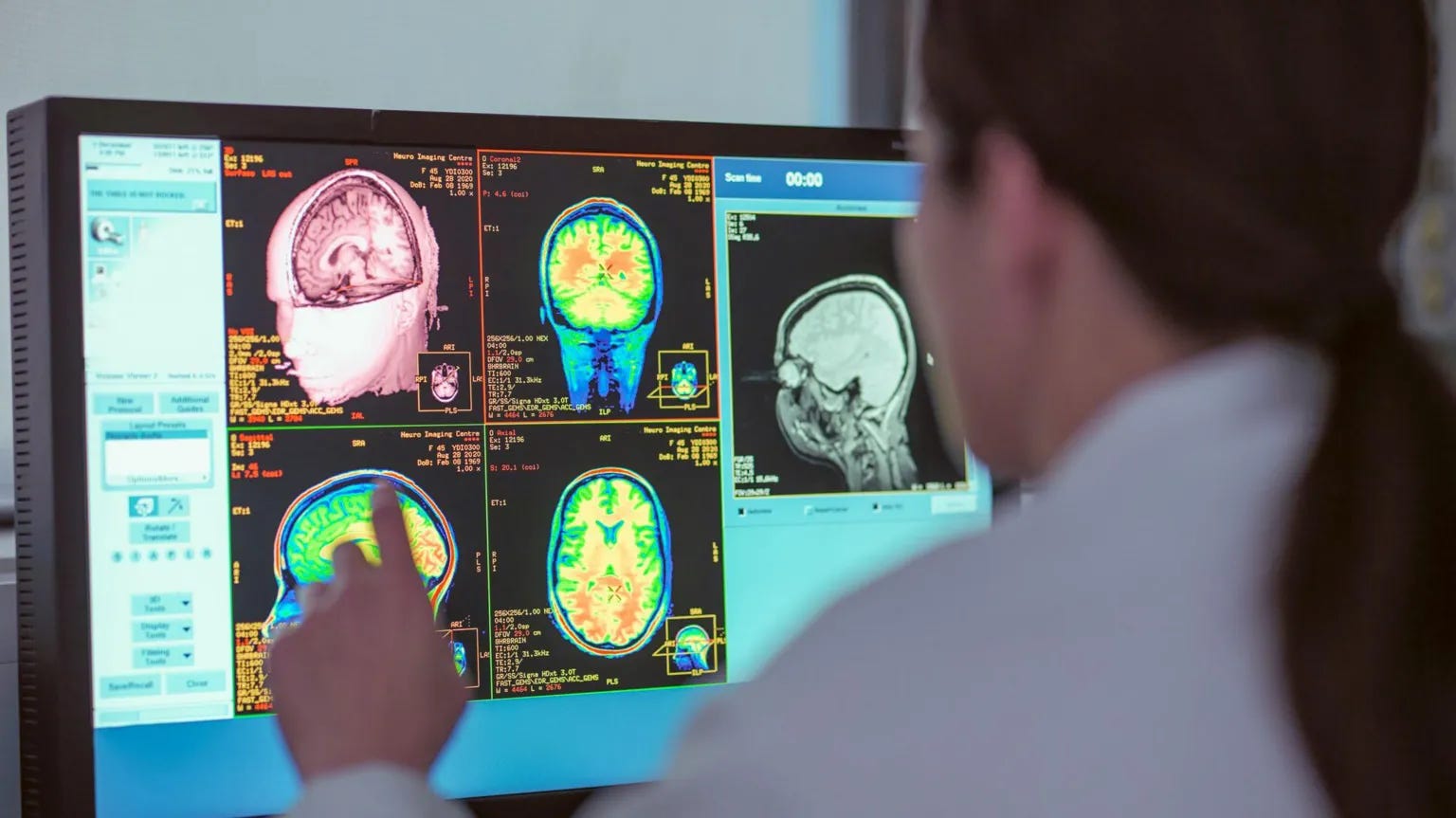
In one of the world’s most comprehensive studies of how neural wiring changes from infancy to old age, scientists in Cambridge have identified the five major “epochs” of human brain development. Analysis of almost 4,000 MRI scans shows the brain shifts through five distinct wiring phases, with major transitions at the ages of nine, 32, 66 and 83. Adolescence appears to run from nine to the early 30s, the only period when neural networks become more efficient. The findings should help explain age-linked risks across mental health and dementia. BBC
Electric vehicle sales have slumped in the United States since September 2025… but the United States is not the world.
Globally, EV sales are up 23% from 2024, with 1.9 million new units sold in October alone. Last month, petrol and diesel engines combined fell to just over a third of EU new car sales, with electrified vehicles now dominant. Pure battery-electric cars reached an 18.9% share and hybrids made up the rest of the almost two-thirds total. Special shoutout to Latin America, where EV sales rose 55% in the third quarter, in a transition that remains largely subsidy-free, and another shoutout to China, where the electric truck surge is starting to seriously dent global demand for diesel.
Plus, want a bit of science on how batteries git good? Take a look at this piece from WIRED, which carefully goes through all the terminology, from “solid state” to “silicon anodes,” and explains what’s actually going to make next year’s batteries better, and what’s still a pipe dream.
The Sycamore Gap project turns loss into a living legacy. The 150-year-old Sycamore Gap tree, growing on Hadrian’s Wall in Northumberland, was one of the UK’s best-known and most loved trees. After the tree was criminally felled in 2023, the National Trust grew 49 saplings from its seeds, one for each foot of the tree’s original height. Now those “trees of hope” are being rooted in places shaped by hardship and resilience, from a former pit-disaster site to a Northern Irish town still healing from The Troubles. The Guardian


And finally, an explainer about how humanity is getting better at helping our immune systems fight cancer.
Ok first, T-cells. They’re a type of white blood cell that helps our immune system detect and destroy infected or cancerous cells. It turns out though, that T-cells get exhausted. In the face of chronic infections or tumours they’ll sometimes slow their attacks — an adaptive ‘brake’ that limits damage from ongoing immune activation and inflammation. Sneakily, cancers exploit this by sending out a molecular signal to exhaust T-cells early. Now scientists have figured out how to block this cancerous signal, which keeps the T-cells attacking tumours… making existing immunotherapy drugs work better, while helping the body’s own defences kill cancer more effectively.
This is a good thing, because getting our T-cells to fight cancer is the holy grail of cancer therapy. Most cancer medication sucks, because it attacks cells indiscriminately — both chemotherapy and radiation poison large swaths of the body — whereas T-cells know what they’re doing. They know what cancer cells are. And if they’re engineered to attack them, well…
… we could be on the cusp of a golden age of “living drugs,” where we tinker with people’s T-cells to cure tumours. Our new heroes, curing what was incurable, are TIL therapies, where T-cells already fighting cancer are extracted from the body, treated with a formula for cell growth, then injected back into the bloodstream.
But sometimes tumours camouflage themselves from the immune system — so then there’s CAR-T therapies, where T-cells are extracted from the body, have their genetics modified so they’re better at their job, and then are injected back into the bloodstream.
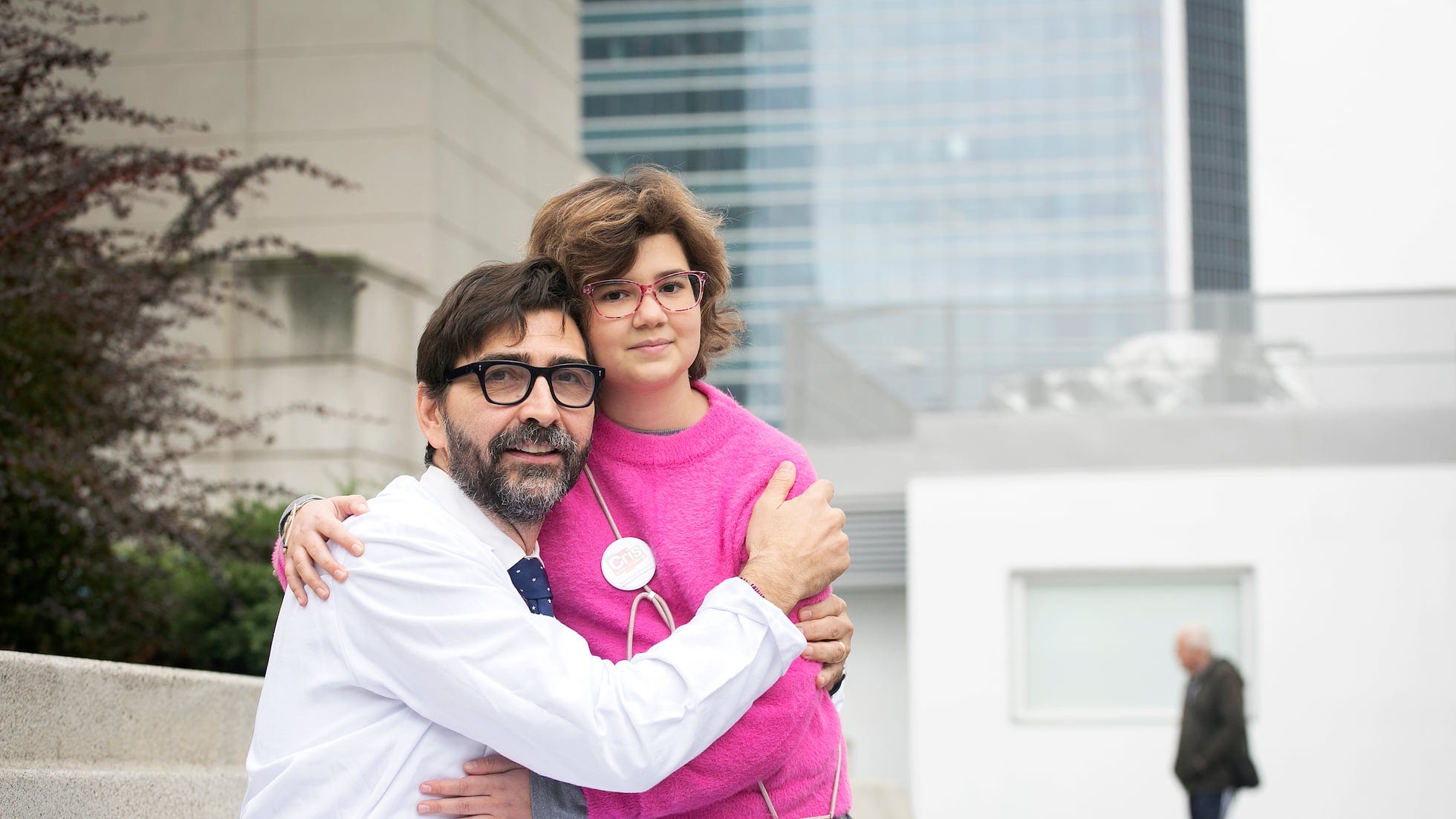
Thus far, the “injected back into the bloodstream” bit means these therapies are primarily being used to treat blood cancers — last month, doctors at Madrid’s La Paz Hospital reported early success treating children and teenagers with leukemia using a ‘living drug that fits on a spoon’ helping 8 of 11 patients reach remission long enough for curative transplants. Eventually though, this could go beyond blood cancers — last year, the US FDA approved the first TIL therapy for solid tumors.
No More Adultwashing
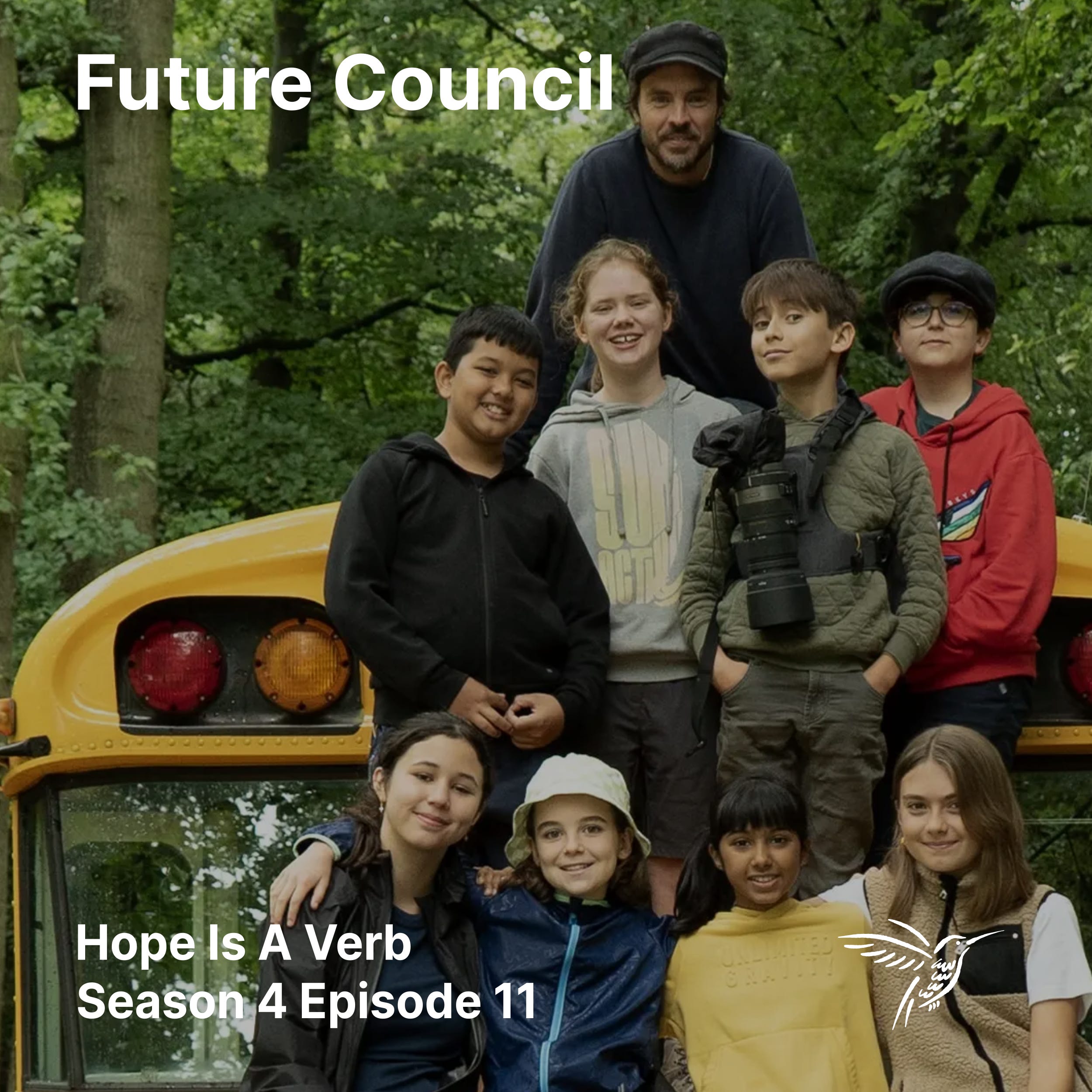
Hope Is A Verb, Season 4, Episode 11
The documentary ‘Future Council’ follows eight young activists as they travel across Europe in a yellow bus confronting big business leaders about their obligations to the next generation. In our final episode for this season of the podcast, we chat with filmmaker Damon Gameau and two of the members of Future Council – Skye Neville, a 15 year old environmental campaigner from Wales, and Clemence ‘CC’ Currie, the 12 year old CEO of CCs Plastic Pick-up Crew in Scotland. A timely reminder than when it comes to changing the world, none of us can sit on the sidelines.
Topic discussed: what adults can learn from young activists; early encounters with environmental risk; hope as a tool for young campaigners; generational views on climate crisis; power dynamics inside boardrooms; media narratives shaping climate perception; digital networks for youth organising; the role of families in early activism; values-driven climate decision-making; the tension between optimism and urgency; and the fine line between encouragement and overwhelm.