318: Less grumpy. Czechia bans smacking. Amazon deforestation ⬇️. Milky Way 🤩. Superconducting semiconductors.
It's not a simulation.
This week’s top stories
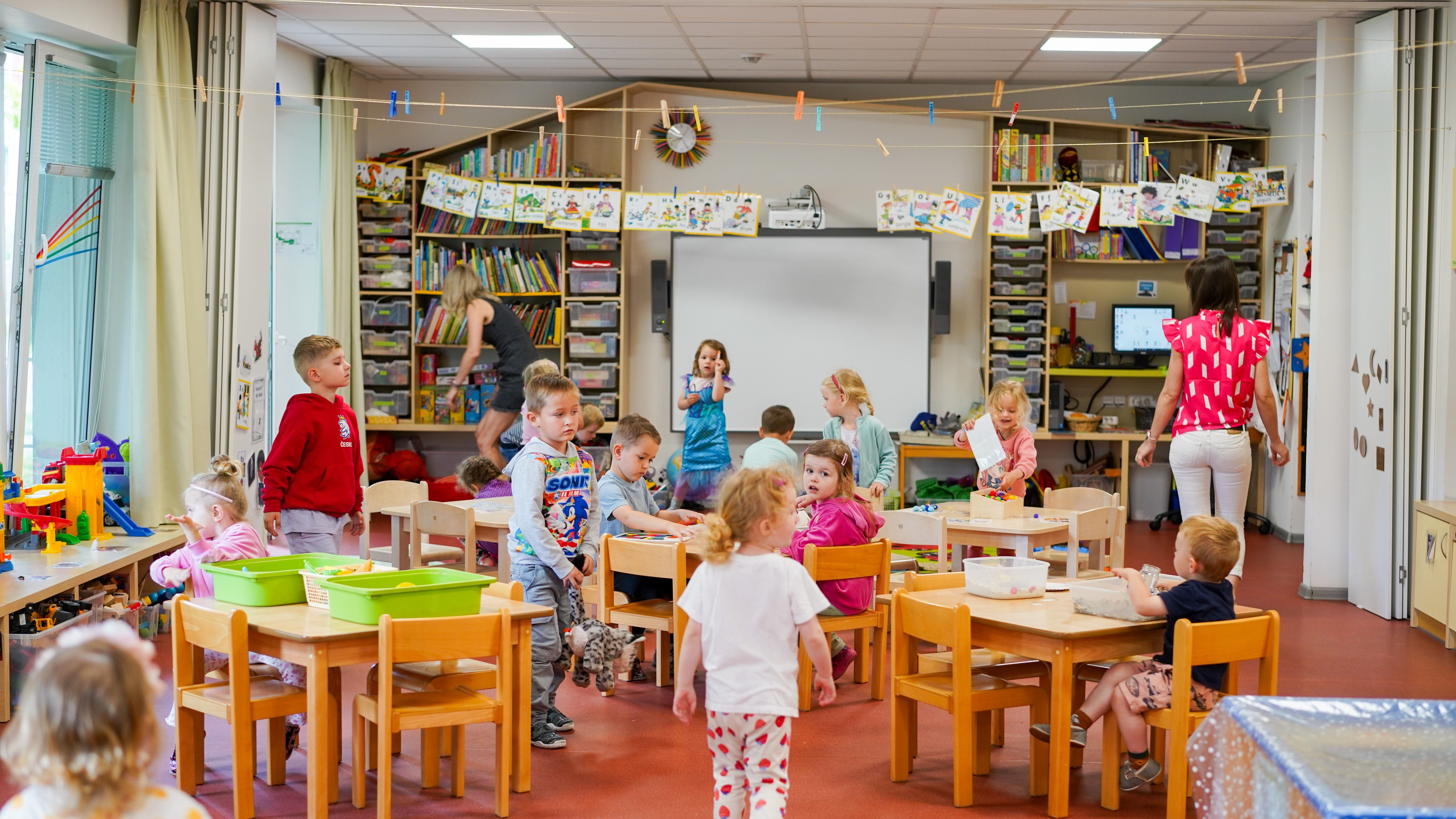
The world has become surprisingly less grumpy. According to Gallup’s latest survey on global emotional health, negative emotions have dropped back to pre-pandemic levels: only 39% of people said they felt worried the previous day and 37% felt stressed, the lowest since 2019. Nearly nine in ten reported feeling respected, and over 70% said they smiled or laughed. Denmark tops the enjoyment rankings, while war-torn and politically unstable nations like Chad, Sierra Leone and Iraq remain the least content. The Economist
Brazil is hosting COP30 (or, for those who don’t speak acronym, the 30th United Nations Climate Conference). In preparation, they cleaned up: law enforcement just dismantled 277 gold-dredging barges on the Madeira River in one of the largest anti-mining operations in Brazil’s history, dealing organised crime networks a $193 million blow. But their biggest sell is the Tropical Forest Forever Facility, a proposed permanent fund to reward tropical forest countries for keeping forests standing. The initial goal is $10 billion; “ambitious but possible,” says Brazil’s Finance Minister Fernando Haddad.
Christiana Figueres: The global south is now leading the clean-energy revolution. The architect of the Paris Agreement argues that while politics remain paralysed, economics and technology are driving unstoppable change, led by emerging economies from Nigeria to Oman. Clean industries are scaling at exponential speed across the global south - home to 70% of the world’s wind and solar potential. The Economist
As we mark Paris+10, COP30 must be both a celebration and a reckoning: a moment to honour how far we have come, and to recommit, with clear eyes and steady resolve, to the steeper climb ahead. The era when American politics could make or break global climate co-operation is over. The world is no longer waiting for Washington. This time the global south is leading the way.
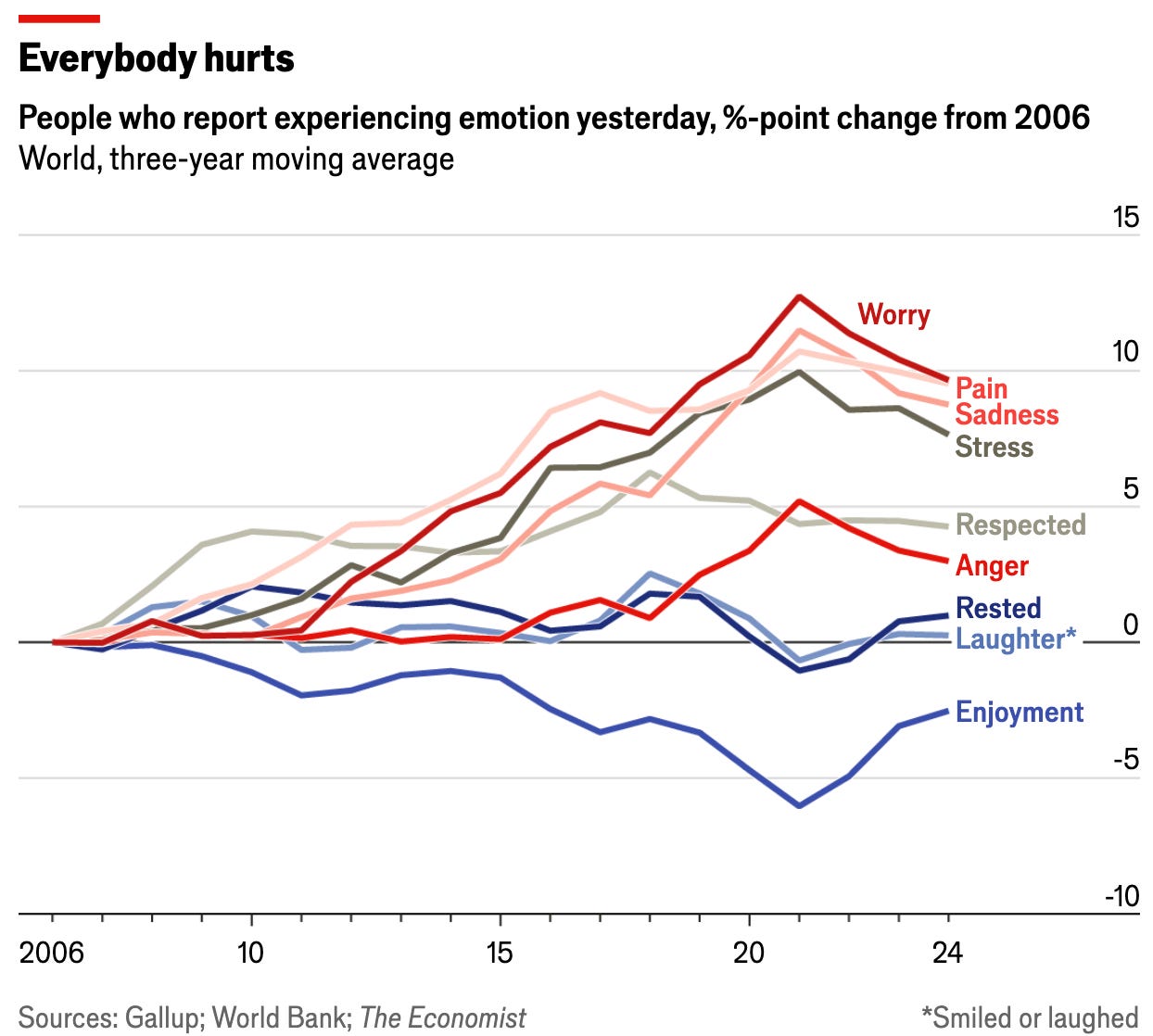
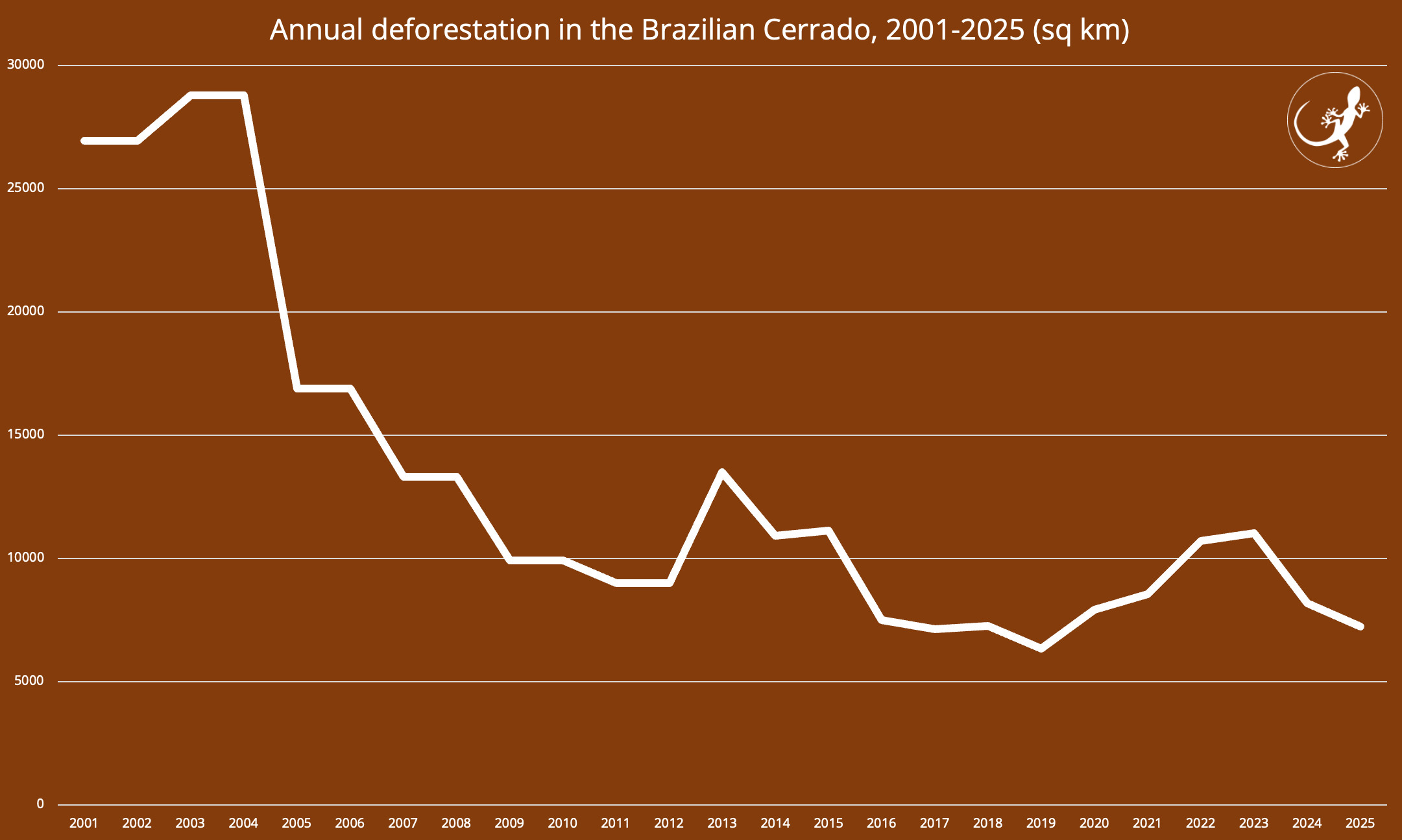
Amazon deforestation has fallen to its lowest level in nearly a decade while fire damage has dropped 45% after last year’s devastating drought. Deforestation has also declined to a six year low in Brazil’s Cerrado, a wooded savanna ecosystem that neighbours the Amazon. And thanks to those steep declines in deforestation, Brazil’s greenhouse gas emissions fell 16.7% in 2024, the largest annual drop in over a decade.
Not even in my best-case scenario did I imagine we’d reach a 50% drop in Amazon deforestation compared with 2022.
Marina Silva, Minister for the Environment, Brazil
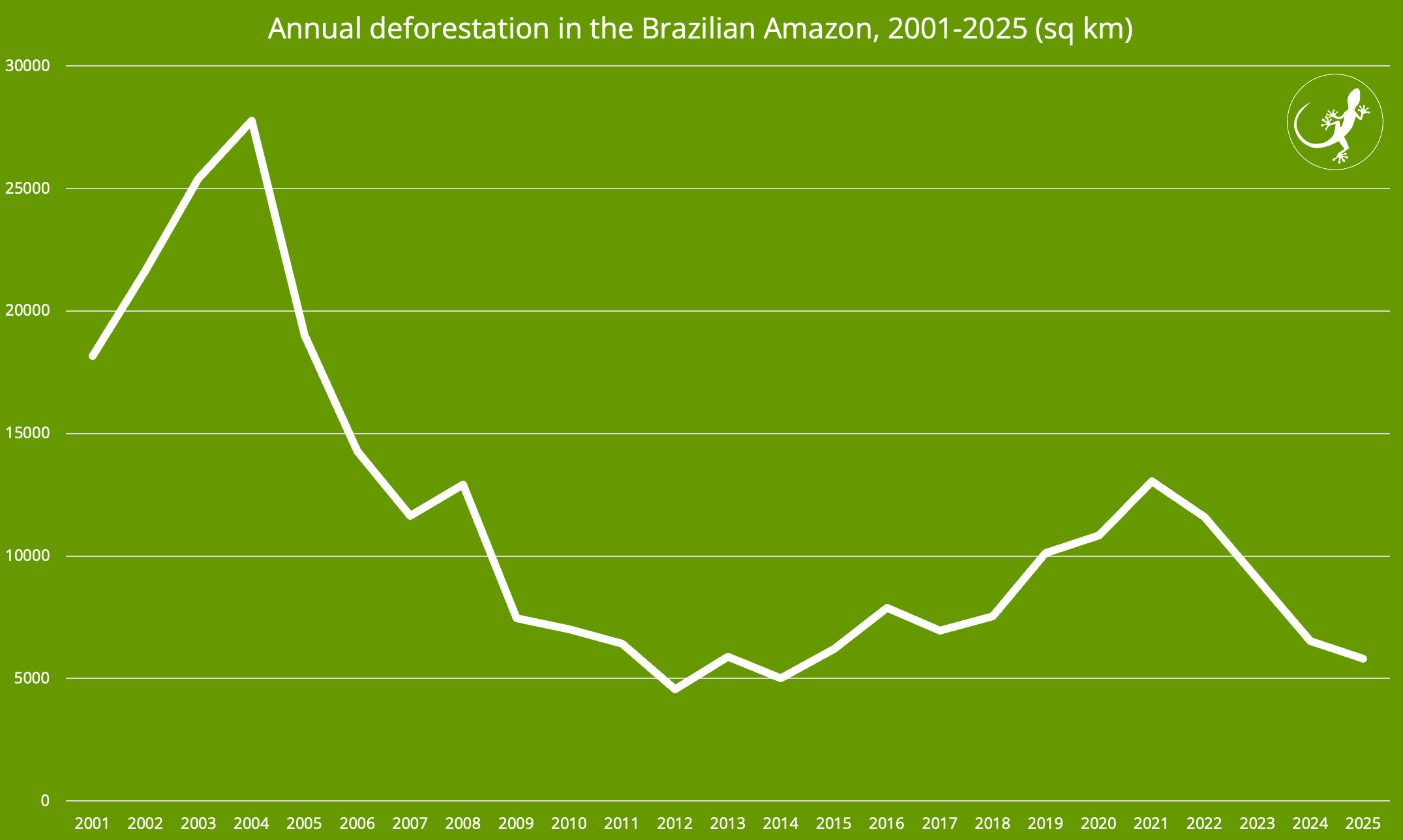
The Czech Republic has become the 69th country in the world to fully prohibit corporal punishment of children. The law, which takes effect on January 1st, 2026, explicitly states that corporal punishment, mental distress, and other degrading measures violate a child’s dignity. The government is also planning national awareness and education campaigns to ensure implementation. End Corporal Punishment
… prohibition in the Czech Republic brings the number of children worldwide protected by law from corporal punishment to approximately 345 million, or 15% of the global child population.
England’s Renters’ Rights Act, which took effect at the end of October 2025, marks the most significant overhaul of the country’s rental system in more than 30 years. It ends “no-fault” evictions, replaces fixed-term contracts with rolling tenancies and introduces Awaab’s Law, requiring landlords to deal with mould and other hazards within strict time limits, following the 2020 death of two-year-old Awaab Ishak. The Act also bans discrimination against renters with children, or who are on benefits, curbs rent hikes and obliges landlords to consider pets. BBC
Austria has scrapped its centuries-old Amtsgeheimnis (official secrecy) law, giving every citizen the right to ask the state (almost) anything — from ministerial spending and city zoning decisions to, yes, the recipe from the courthouse cafeteria or the logic behind your least-favourite traffic light. While some exceptions remain for security or privacy, this marks a seismic shift for what was once Europe’s most secretive democracy. DerStandard
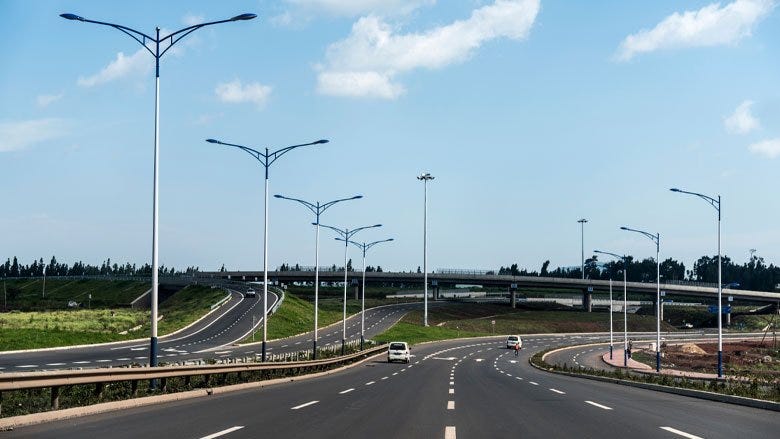
Ethiopia is about to complete the Modjo-Hawassa Expressway, its first toll road built to international standards, connecting Addis Ababa to key southern industrial and agricultural hubs. The road will cut travel time by 40%, lower vehicle costs by up to 20%, improve access to markets and health services for 1.5 million people. World Bank
In good vaccine news, Nigeria has launched its largest-ever immunisation drive (literally called the mother of all campaigns) aiming to vaccinate 106 million children against measles, rubella, polio and HPV by early 2026. Covering every state, the effort merges multiple vaccine programmes into a single nationwide rollout, the first time the country has attempted such an approach.
Meanwhile, Mozambique has reached a milestone in women’s health, vaccinating nearly 3 million girls aged 12–18 against HPV. The nationwide rollout has achieved 95% coverage across all 11 provinces. Given the success of the HPV vaccine in other countries, this shift could be transformative for a disease that kills an estimated 4,000 women in Mozambique each year alone.
Astronomers have unveiled the world’s most detailed radio image of the Milky Way. Compiled from over 150 nights of observations with Western Australia’s Murchison Widefield Array, the map catalogues 98,000 radio sources, revealing star-forming regions, supernova remnants and pulsars, with ten times more fidelity than before. Phys.org
Oh - and sorry Elon Musk, but mathematicians just proved the universe cannot be a computer simulation.
Last month the WHO launched its official guidelines on postpartum haemorrhage, uniting decades of fragmented advice into one life-saving package. Alongside clear protocols on fluid management and team-based emergency response, the guidelines are helping countries train midwives, stock essential supplies and strengthen rapid referral systems. WHO
Thanks to a $1.2 billion program, over 13,000 classrooms have been renovated and 9,000 WASH facilities built across Nigeria. Beyond infrastructure, the program has trained 200,000 girls in life skills and 225,000 in digital literacy, offering scholarships and safety measures to keep girls in school. Across the country, classrooms once in disrepair are now filling with light, computers and confident young girls. World Bank
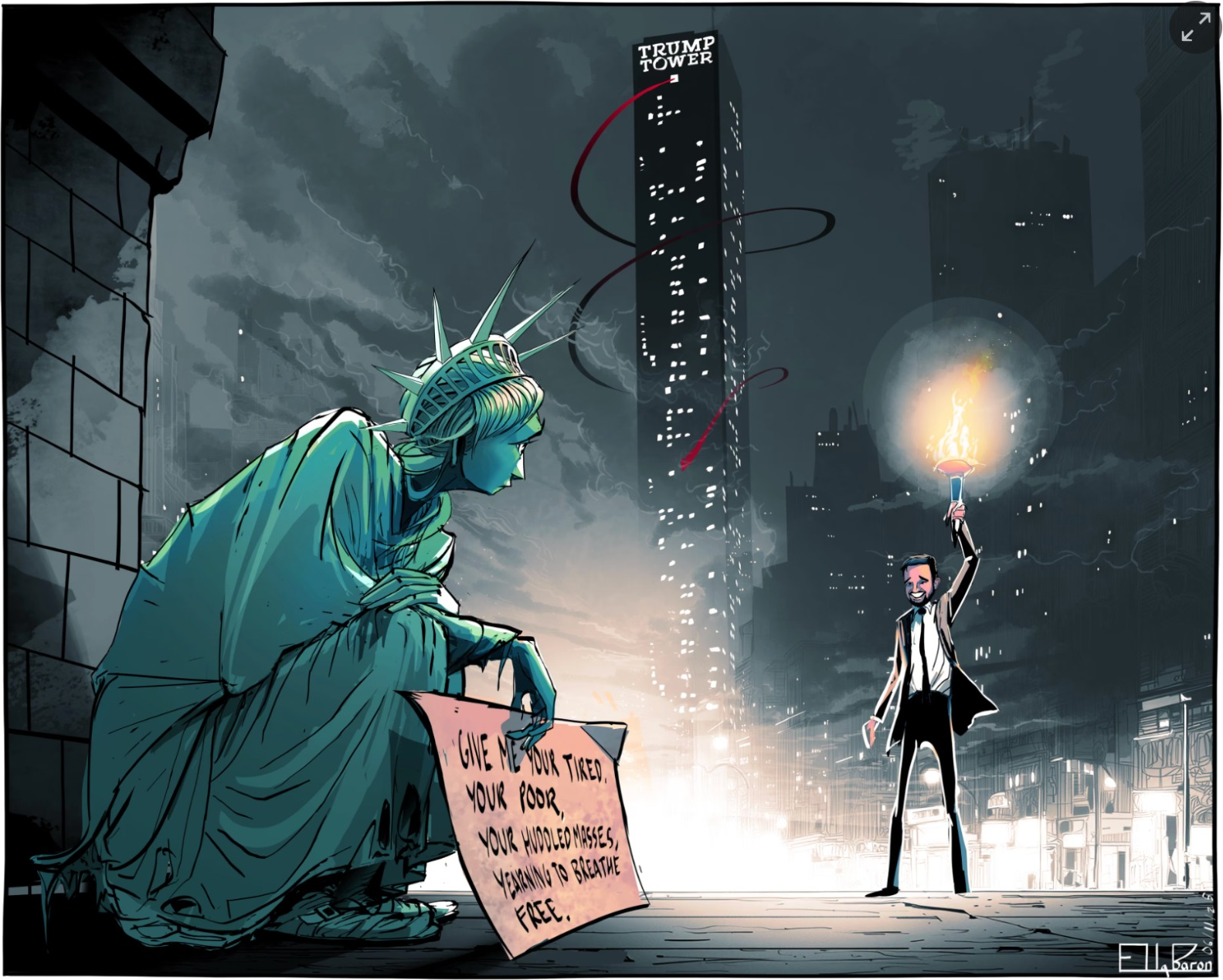
France has amended its penal code to define rape as any sexual act without consent, replacing wording that previously required proof of violence, coercion, threat, or surprise. The reform follows public outrage over the Gisèle Pelicot case, in which several defendants argued they lacked intent to rape because they didn’t know she couldn’t consent. The new law defines consent as “free, informed, specific, prior and revocable.” BBC
What is the Gisèle Pelicot case? For over a decade, Gisèle Pelicot’s husband Dominique drugged her and invited other men to come to their home and rape her while she was unconscious. Upon discovering this, she decided to go public in the ensuing rape case. “Shame must change sides,” she said about her decision not to keep her identity hidden. Since then, she’s become a feminist icon, her iconic visage gracing graffiti in her hometown of Avignon and all across France.

Coal is in trouble. Again. In the first half of 2025, US coal exports fell 11%, hit by tariffs, lower demand from China and softer global prices, while Indonesia’s exports dropped 12% amid collapsing margins and poor diversification into renewables. Even Australia, long a coal powerhouse, is losing ground. Meanwhile Poland’s government is backing a just transition plan to speed coal mine closures and support workers, with a bill that offers severance payments of up to €40,000.
255 years later, Australia returns Cape York to its traditional owners. In 1770, England’s Captain Cook landed on Cape York, kicking off centuries of colonisation. Last month, after extensive negotiations with the State of Queensland, nearly one million hectares of the Cape were formally recognised as belonging to the Guugu Yimidhirr, Yiithuwarra and Wuthathi peoples. Says Yiithuwarra Elder Hans Pearson: “After all these years, it feels good to know our hard work wasn’t in vain.” SBS
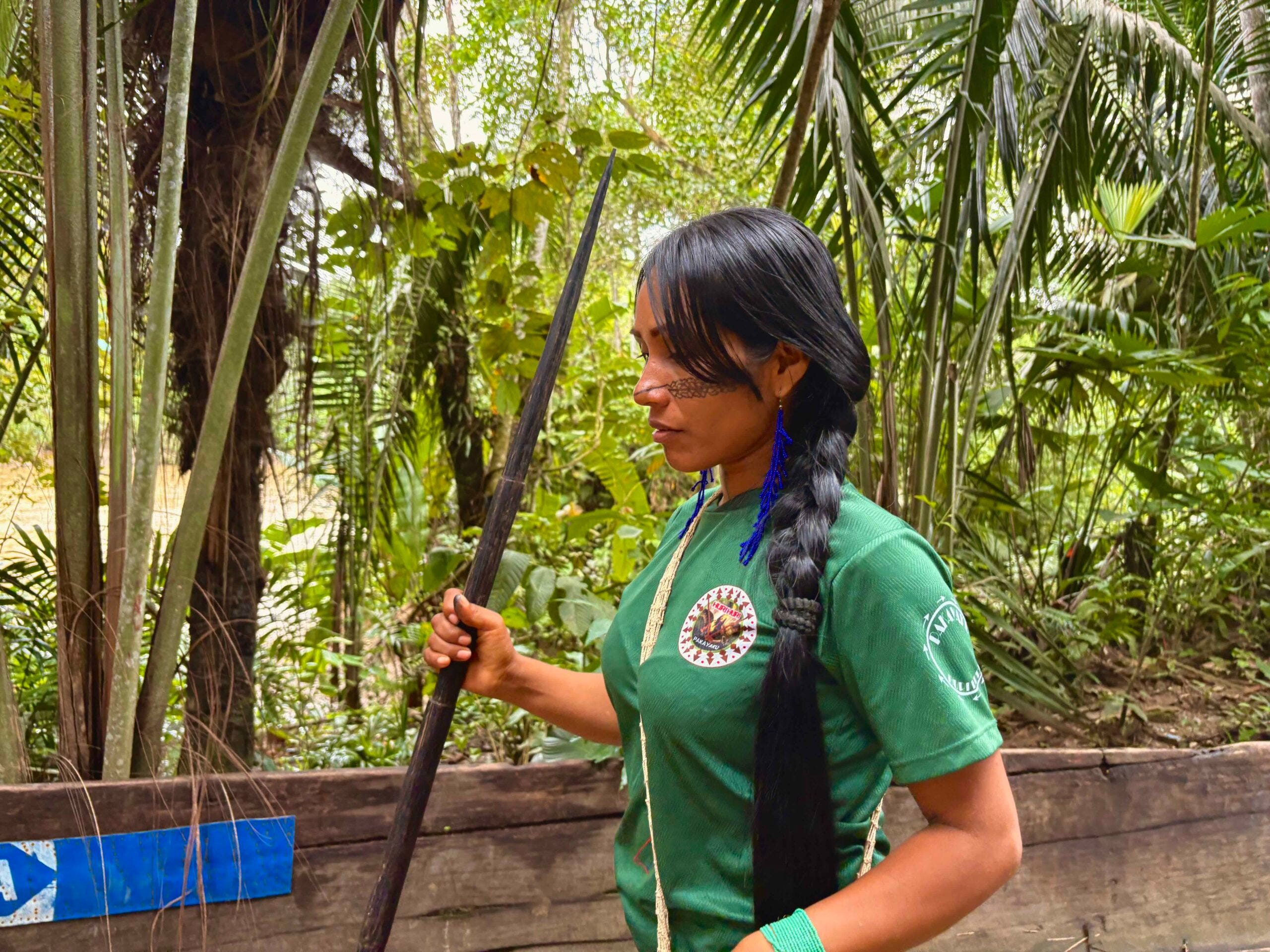
Ecuador’s Kichwa warriors keep their lands free of extraction. In Ecuador’s Pastaza province, the Kichwa community of Pakayaku has kept 400 km² of Amazon rainforest free from mining, oil and logging through a self-organised guardian force. 45 women patrol the territory, enforcing ancestral laws and mapping sustainable livelihoods in a “plan of life.” Their vigilance has preserved both forest ecosystems and cultural autonomy amid growing national extractive pressures. Mongabay
We come from a clan that is a warrior clan. Our grandmothers used to do this. That’s why we are continually training to be warriors.
Gracia Malaver
“The most hopeful decade yet for dementia treatment.” New biomarker-based therapeutics are transforming how doctors diagnose and treat dementia, offering earlier detection and targeted intervention. Recent trials using blood and spinal biomarkers allow clinicians to identify Alzheimer’s and related diseases years before symptoms appear — unlocking new drug pathways that could slow or even halt progression. STAT
This seems like a pretty big deal? Doctors in China have used lab-grown insulin-producing cells to treat a woman with type 1 diabetes. The cells were made from her own tissue, reprogrammed into stem cells, and then grown into tiny clusters that release insulin. A year after the transplant, her blood sugar remains normal without medication. It’s the first time in history that a person with type 1 diabetes has been freed from insulin injections using cells made from their own body (and not from a donor or embryo), opening the door to personalised therapy for millions. Cell
Scientists uncover hidden antibiotic 100 times stronger than existing drugs
British and Australian chemists have discovered a powerful new antibiotic called pre-methylenomycin C lactone, hiding in a well-known soil bacterium that produces another drug, methylenomycin A. This molecule however, is 100 times more potent than methylenomycin A and kills drug-resistant bacteria without triggering resistance. The find could reshape antibiotic discovery and revive the fight against superbugs. Science Daily
A poem about semiconductors superconducting
Semiconductors form the foundation of modern computer chips and solar cells.
Superconductors can carry, without resistance, electricity.
If we can make semiconductors superconducting, the semiconductors get way faster, and work better.
Except! That’s really hard.
Turning semiconductors into superconductors requires maintaining an atomic arrangement that allows electrons to flow freely.
But! Now researchers have done it.
By precisely embedding gallium atoms into germanium, researchers in New York have created a superconducting semiconductor.
It’s still very much a technology in its infancy.
Right now the semiconductor only superconducts at 3.5 degrees Kelvin (that’s -269 °C, or -453 °F).
Not exactly ready for commercial deployment.
But still, it’s a very cool thing!
(No pun intended)
And finally, apologies, but we couldn’t help ourselves.
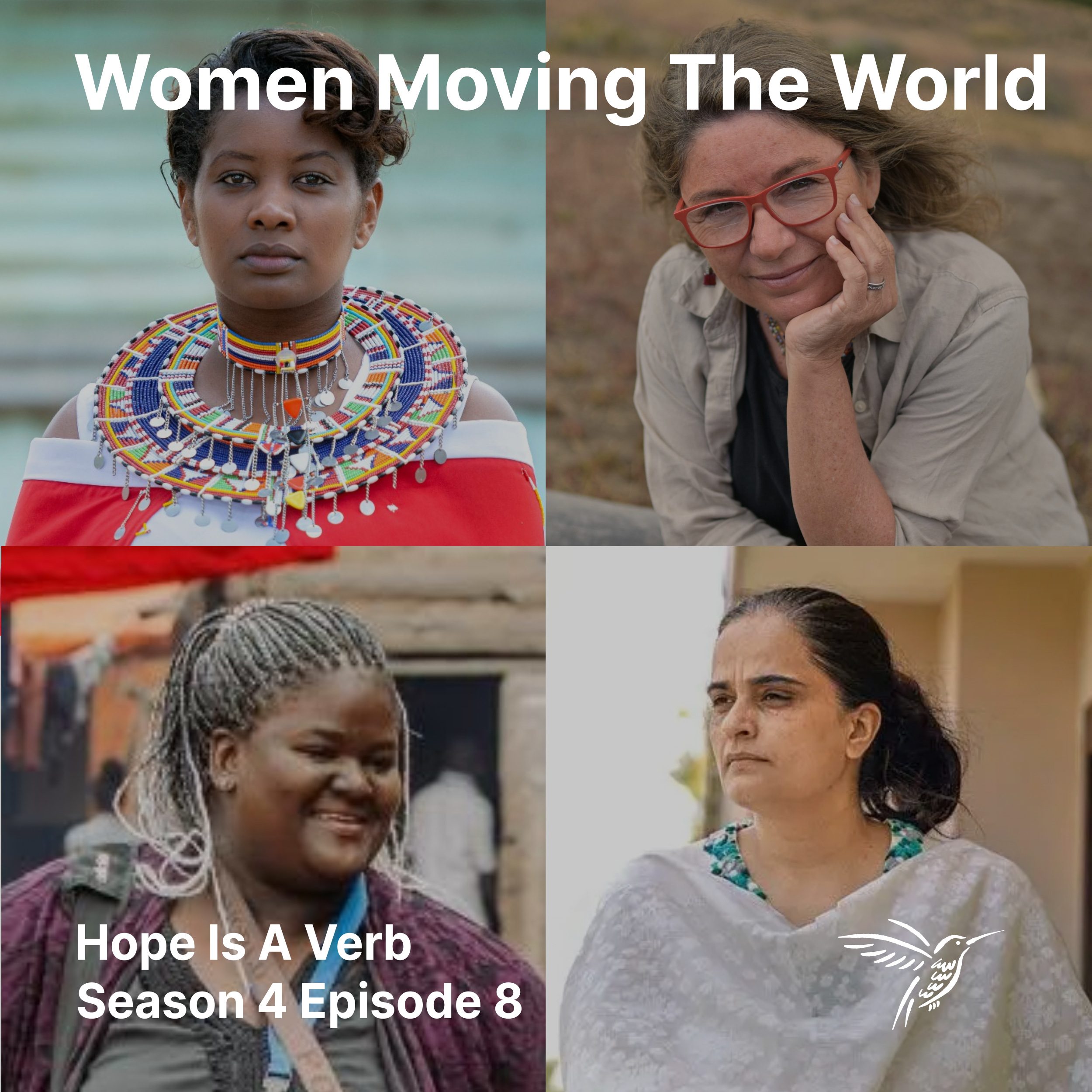
Women Moving The World
In the latest episode of the podcast we meet Krystal Birungi, Carolina Morgado, Nice Leng’ete, and Bhavreen Kandhari, four practitioners working in public health, conservation, human rights, and civic advocacy. Krystal is an entomologist with Target Malaria in Uganda developing gene-drive mosquitoes; Carolina is the executive director of Rewilding Chile; Nice leads community-based campaigns to end female genital mutilation in Kenya; Bhavreen co-founded Warrior Moms in India to force accountability on air pollution.
Topics discussed: growing up with endemic malaria and the arrival of the Global Fund; proof-of-concept gene-drive trials in Italy and timelines to 2030; resistance to insecticides and drugs; elimination as a realistic regional goal; Chile’s Route of Parks as connected protected areas; park creation as local economic engine; carbon storage in temperate rainforests and kelp systems; Chile’s Cape Froward as a new national park; conservation grounded in community livelihoods and guide certification; outlawing FGM in Kenya in 2011 and the limits of law alone; elders’ councils and alternative rites of passage; mother-to-girl and father-to-son forums; measurable outcomes from community ceremonies and schooling; Delhi school closures during severe smog; COVID as a natural experiment in pollution control; formal complaints versus performative fixes; collective action by parents; clean air as a right, not a luxury.