313: Duck Stamps. High Seas. A 'miracle' AIDS drug. Dodo 🦤
Hidden stories of progress from around the world.
You’re a paid subscriber to Fix The News, a weekly roundup of stories of progress. We give away 30% of your subscription fee to charity. Give someone a gift subscription. Get a group subscription for friends, family or your organisation. Listen to our podcast. If you need to unsubscribe, there’s a link at the end.
Hi everyone, a quick heads up - no standard edition next week, but we will have a report for you from New York, where Amy and Betsy have been rushing around during UN week, digging up some amazing stories.
This week’s top stories
The United Nations High Seas Treaty has been ratified
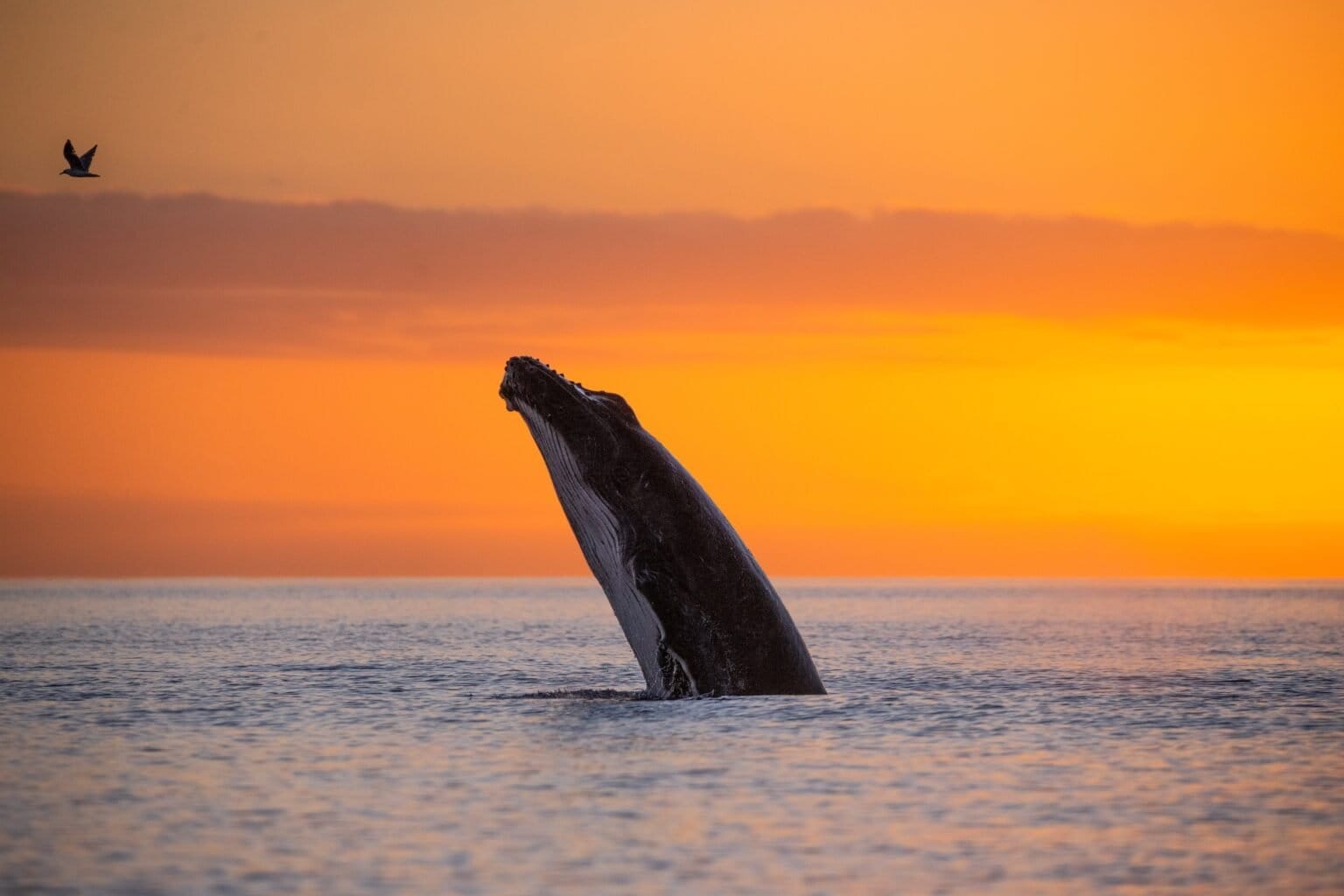
We’ve been waiting for this for a long, long time - the best conservation story of the year? Morocco has become the 60th nation to ratify the UN High Seas Treaty, triggering its entry into force in 2026. The pact gives governments power to establish vast conservation zones across the two thirds of the ocean beyond national borders (Get ready for a whole bunch of new protected areas). Environmentalists have hailed the deal as “a conservation opportunity that happens once in a generation, if that,” and a rare diplomatic bright spot in an era of fractured multilateralism. Mongabay
Philanthropic deals to slash the cost of ‘miracle’ HIV prevention drug
The Gates Foundation and the Clinton Health Access Initiative have struck separate (but coordinated) deals with Indian manufacturers to supply lenacapavir, a twice-yearly injection that offers near-total protection against HIV for $40 per patient a year in 120 low- and middle-income countries. Describing the drug as “revolutionary”, UNAIDS has pointed out that its current annual price in the United States is $28,000 per person. New York Times 🎁
Not as dead as a dodo? Colossal Biosciences says it has cracked the recipe for growing pigeon germ cells, the building block for its bid to recreate the dodo. The plan is to edit the DNA of the dodo’s cousin, the Nicobar pigeon, and hatch chicks via surrogate chickens, a process expected to take 5–7 years. Backed by over half a billion dollars, the project has been hailed as a conservation moonshot, though critics warn the result will be a dodo-like hybrid at best. CNN
Uzbekistan’s poverty rate falls to 8.9%. Since 2016, 7.5 million people have exited poverty; the country is targeting 6% by the end of 2025. Progress is backed by nearly US$5 billion of support from the Islamic Development Bank, which recently renewed its commitment to continue working with Uzbekistan to advance the SDGs in critical areas such as job creation and agriculture. IsDB
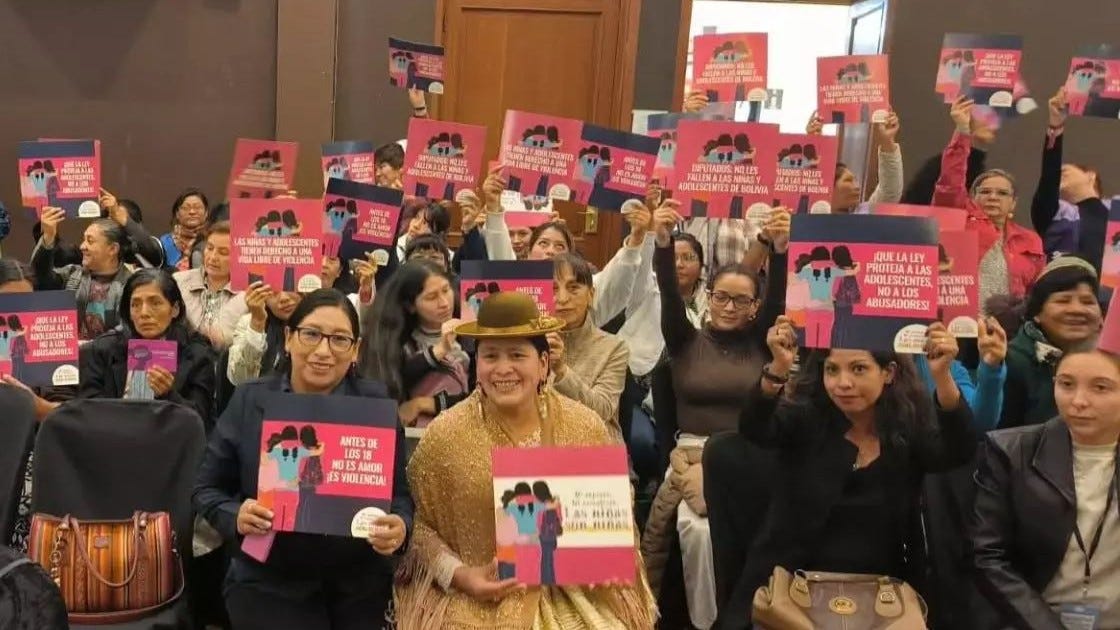
Bolivia becomes the 14th Latin American country to outlaw child marriage. Parliament has passed a law banning marriages and free unions under 18 after a four-year campaign led by girls and civil-society groups. About 22% of Bolivian girls were married before 18; the new measure criminalises adults who marry or cohabit with minors, as well as officials who register such marriages. Save the Children
Ghana’s democracy keeps doing the basics right. Since the 1992 constitution, Ghana has entrenched competitive elections, peaceful transfers of power, and robust institutions that citizens broadly trust. A dense civil-society ecosystem, independent media, and courts that actually bite have helped normalise accountability—even as barriers for women and the poor persist. The result: an African democracy that is consolidating rather than backsliding, with lessons for the region. Brookings
In 2024, donations to U.S. charities rose 3.3% after inflation to $592.5 billion. Individuals contributed two-thirds of the total, with corporate giving up 6% and donor-advised funds fuelling growth in public-society benefit groups. AP
Speaking of charity, Melinda French Gates has committed a new $100 million donation to close gaps in women’s health research. This is on top of the $250 million donation she announced last October. The new partnership between Pivotal, a group of organisations founded by French Gates, and Wellcome Leap, a nonprofit, will focus on areas of women’s health which are currently underfunded and under-researched, including cardiovascular disease, menopause and mental health. ABC
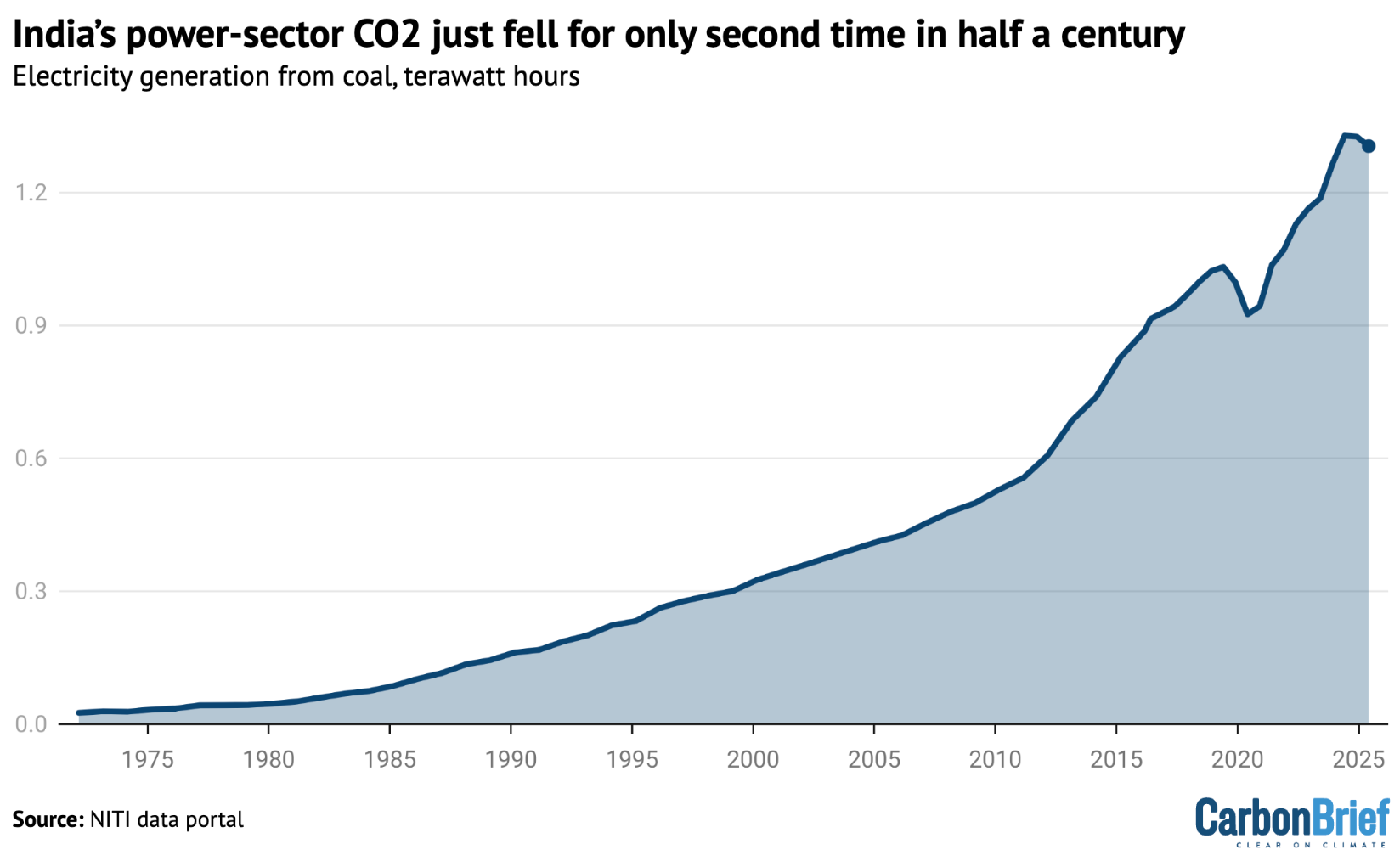
India’s power-sector emissions dropped in the first half of 2025, only the second fall in half a century. With 234 GW of clean energy capacity under construction or contracted, analysts say the sector could now peak before 2030. That milestone would mark a decisive shift in the world’s third-largest emitter’s energy trajectory. Carbon Brief
Per capita CO₂ emissions have declined in every state in America. Between 2005 and 2023, energy-related CO₂ emissions per person declined in all 50 US states. Cuts range from 16% in Nebraska to 46% in New Hampshire, reflecting the closures of coal plants and increased efficiency. The nationwide average drop was 29%, a major structural change in the world’s second-largest emitter. CleanTechnica
Texas and California cement clean energy lead as oil demand wanes
Texas and California added more clean power capacity in 2024 than the next 30 US states combined. In California, two Bay Area refineries (around 15% of that state’s capacity) are closing as demand for gasoline falls into permanent decline. Together, the trends show America’s largest energy economies driving a decisive shift from fossil fuels to renewables. Reuters / CleanTechnica
Same-sex partnership systems now cover 92% of Japan’s population. Ten years after Shibuya and Setagaya launched Japan’s first same-sex partnership schemes, 530 municipalities across 33 prefectures now offer them, reaching 92.5% of the population. In parallel, high courts in 2024 and 2025 have unanimously ruled the marriage ban unconstitutional, signalling mounting legal and social pressure for national reform. Nippon.com

Nepal establishes 13th national park. The Chhayanath National Park will protect alpine forests, rivers, and snow leopard range across 1,600 km² and strengthen Nepal’s push to keep 30% of its land under protection by 2030. Tiger Encounter
China’s Ministry of Water Resources reports marked recovery in the Yellow River basin following decades of conservation: Real-time water allocation has kept the river flowing for 26 consecutive years, wetlands have been replenished, and reed marshes on the delta have doubled bird diversity from 187 species in the 1990s to 380 today. China Daily
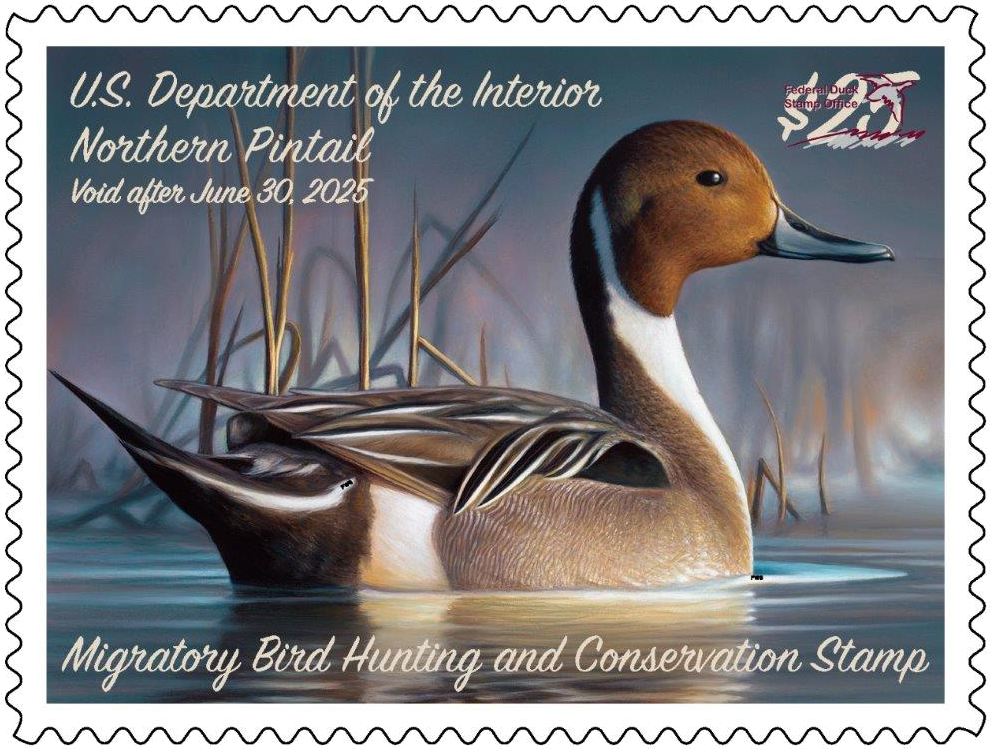
Duck Stamps power another wave of US wetland protection. The US Interior Department has approved $54 million to protect 21,737 acres of waterfowl habitat and expand four national wildlife refuges across Utah, Tennessee, and Louisiana. The money comes from the long-running sale of “Duck Stamps,” one of America’s most durable conservation engines. Since 1934 they’ve raised $1.3 billion to protect more than six million acres of habitat. USFWS
Chimps lend support to ‘drunken monkey’ hypothesis. Wild chimpanzees in Uganda and Ivory Coast consume enough naturally fermenting fruit to ingest the equivalent of nearly two alcoholic drinks a day, according to a new study. Researchers measured ethanol levels in fallen fruit and found chimps selectively ate the ripest pieces, rich in sugar and alcohol. The findings lend weight to Robert Dudley’s theory that human attraction to alcohol has deep evolutionary roots that date back tens of millions of years.
Doctors say Huntington’s has been successfully treated for the first time, with gene therapy slowing decline by 75% in a 29-patient trial. The one-off treatment, delivered by 12–18 hours of brain surgery, reduced toxic protein levels and preserved neurons. Patients regained function, with some returning to work. Researchers call the results “spectacular,” offering decades of added quality life. BBC
Swimmers dive into Chicago river after 98 years. Some 300 swimmers looped through downtown Chicago in the first official river swim since 1927, a milestone made possible by decades of cleanup, starting with the creation of the Environmental Protection Agency and Clean Water Act in the 1970s. Volunteers and new infrastructure revived the waterway, luring back fish, beavers, and even ‘Chonkosaurus,’ a giant snapping turtle. The Guardian