FTN 307: Solar is liberation. Kenya beats sleeping sickness. MPAs work. Chemosynthetic life & the wood wide web.
Hidden stories of progress from around the world.
Hi everyone, Gus here. The switch to Substack seems to have gone off pretty smoothly, thanks for your patience while we iron out the last few wrinkles. A lot of you have asked whether it’s necessary to download the app: the answer is no, you’ll just keep receiving the letter in your email inbox. I personally don’t have the Substack app (seriously, who needs more phone-based distractions in their life?) but I do like the website, which allows for comments and discussion threads.
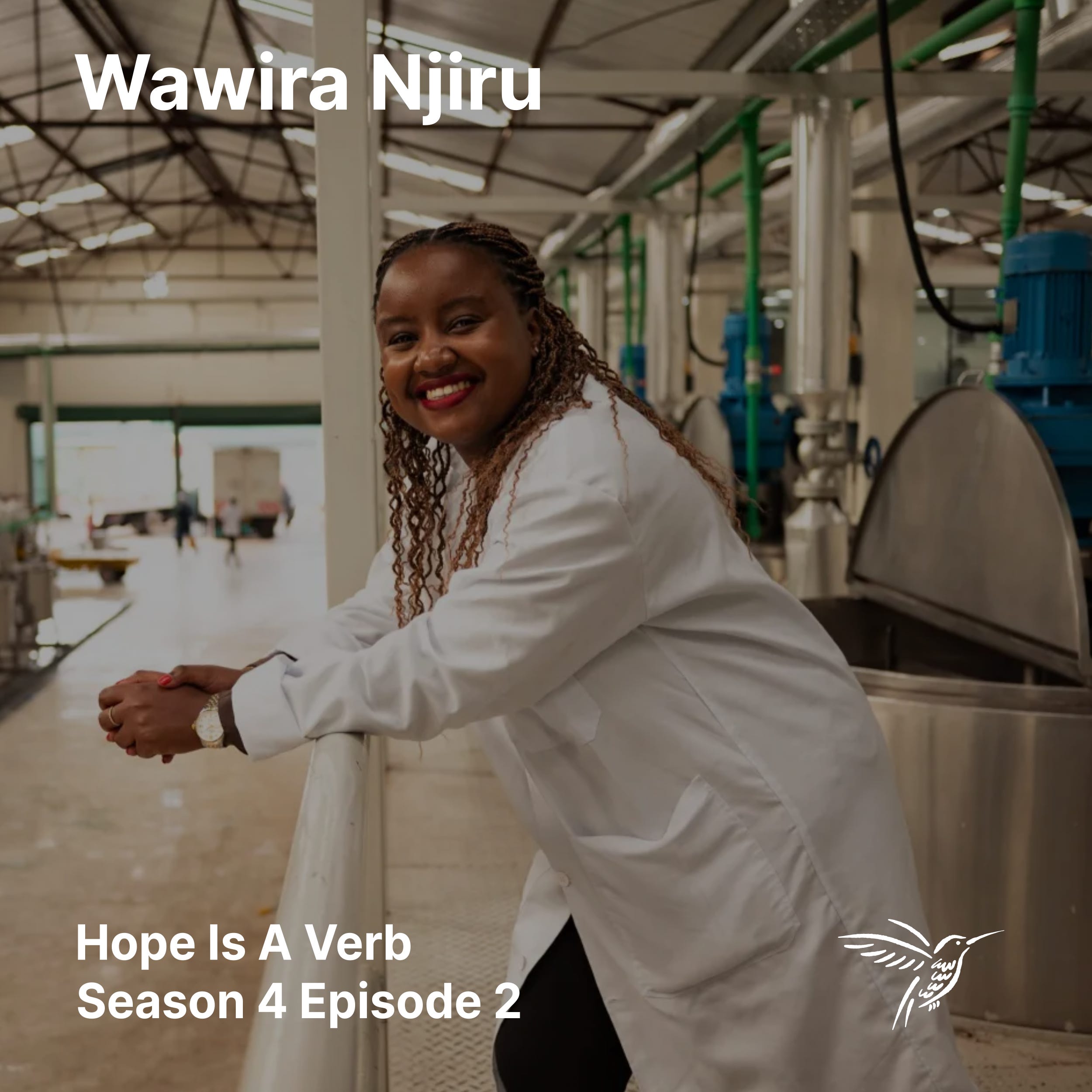
We’re kicking things off this week with our latest podcast episode, about one of the best things happening in the world right now: school meals. We spoke to the amazing Wawira Njiru, who’s gone from making lunch for 25 children out of a makeshift kitchen to serving hot, nutritious and affordable school meals to more than half a million students across Kenya every day. Topics discussed: why the world's future leaders need a school meal today, the logistics of running an operation at this scale, the power of a simple idea, why optimism matters, school meals as ‘an engine of potential’ and how a well-fed future could change Africa.
This week’s top stories
Kenya has eliminated its second tropical disease - human African trypanosomiasis, or sleeping sickness. Sustained rural screening, training local health workers, and targeted pest control have resulted in zero cases since 2017. It’s the 17th African country to eliminate the disease as a public health threat, part of a continent-wide goal to end it by 2030. WHO
Marine protected areas aren’t just paper parks. In the first global study of its kind, satellites and AI followed thousands of vessels and found that most MPAs are keeping illegal fishing at bay. In the Chagos Archipelago, for example, a no-take zone the size of France, incursions plunged after protections took effect in 2010. The same technology used for the study can police future ocean sanctuaries in real time, making the sea’s boundaries as enforceable as land borders.
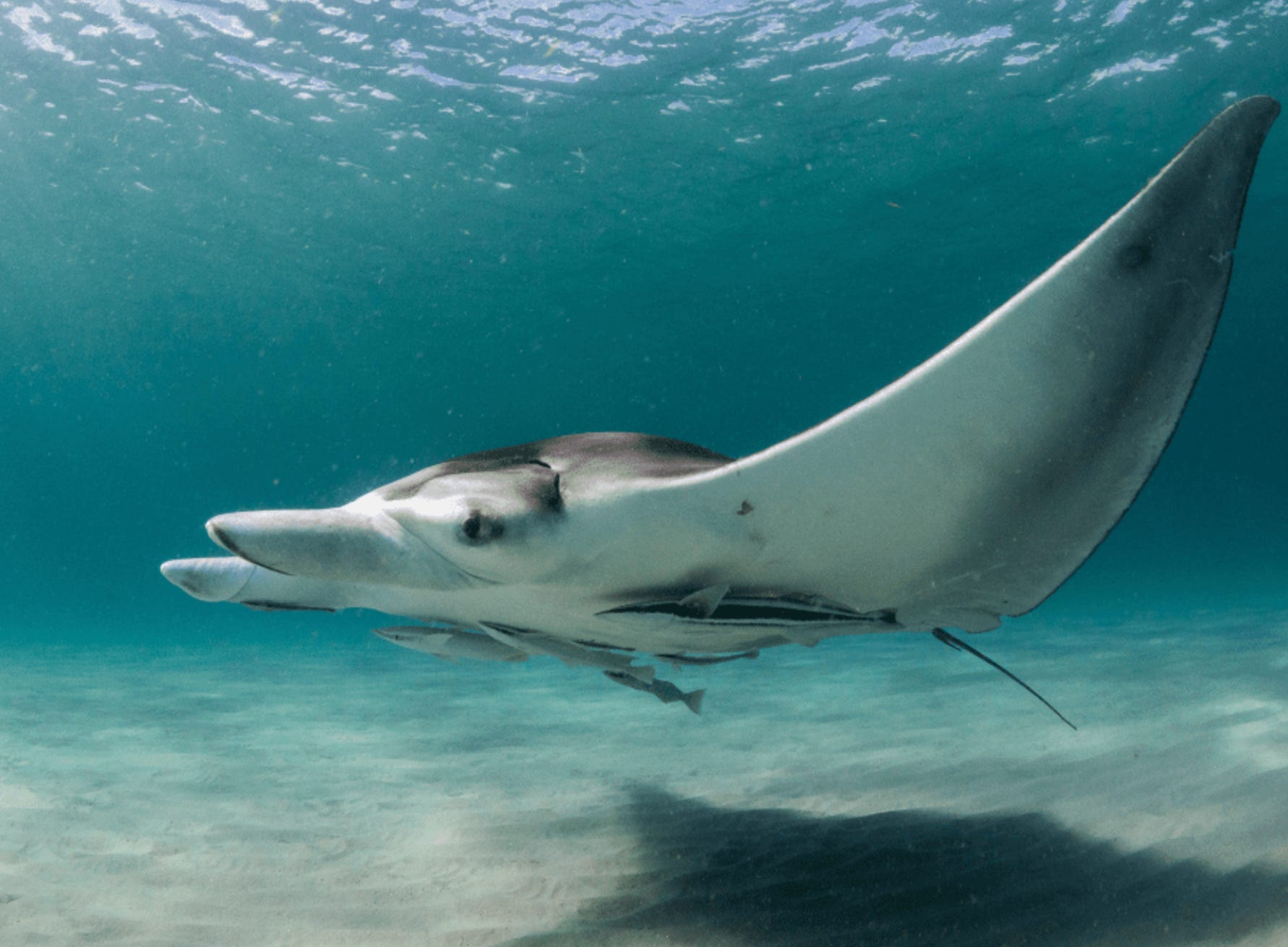
New manta ray species discovered. Meet Mobula yarae, the newly confirmed Atlantic manta ray and officially the planet’s third manta species. First spotted 15 years ago by marine biologist Andrea Marshall, it roams waters from the east coast of the United States to Brazil. “When I saw it again, I knew we were looking at something special.” Oceanographic
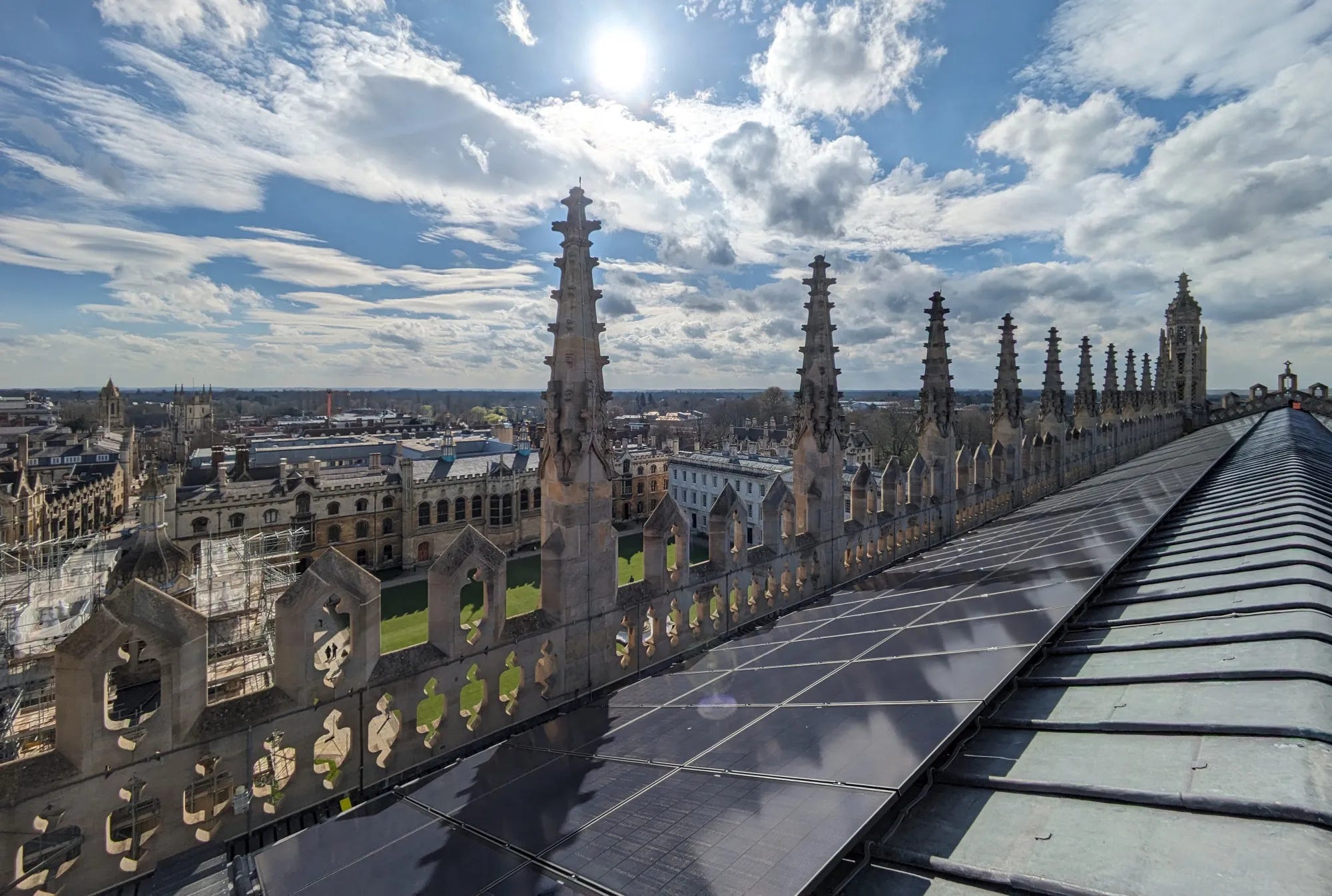
Bill McKibben with another barnstorming essay about the Sun, this time in Rolling Stone, where he argues that plunging costs and rapid rollout make solar a tool of freedom - lowering bills, weakening petro-authoritarians and decentralising power. “In all kinds of interesting ways, power from the sun is, well, liberating.”
Investment in clean energy now outstrips fossil fuels by half. Ten years ago, capital for oil, gas and coal was 30% higher than for clean generation, grids and storage. Today that balance has flipped: clean investment will reach US$1.5 trillion in 2025, about 50% more than for fossil fuels. IEA
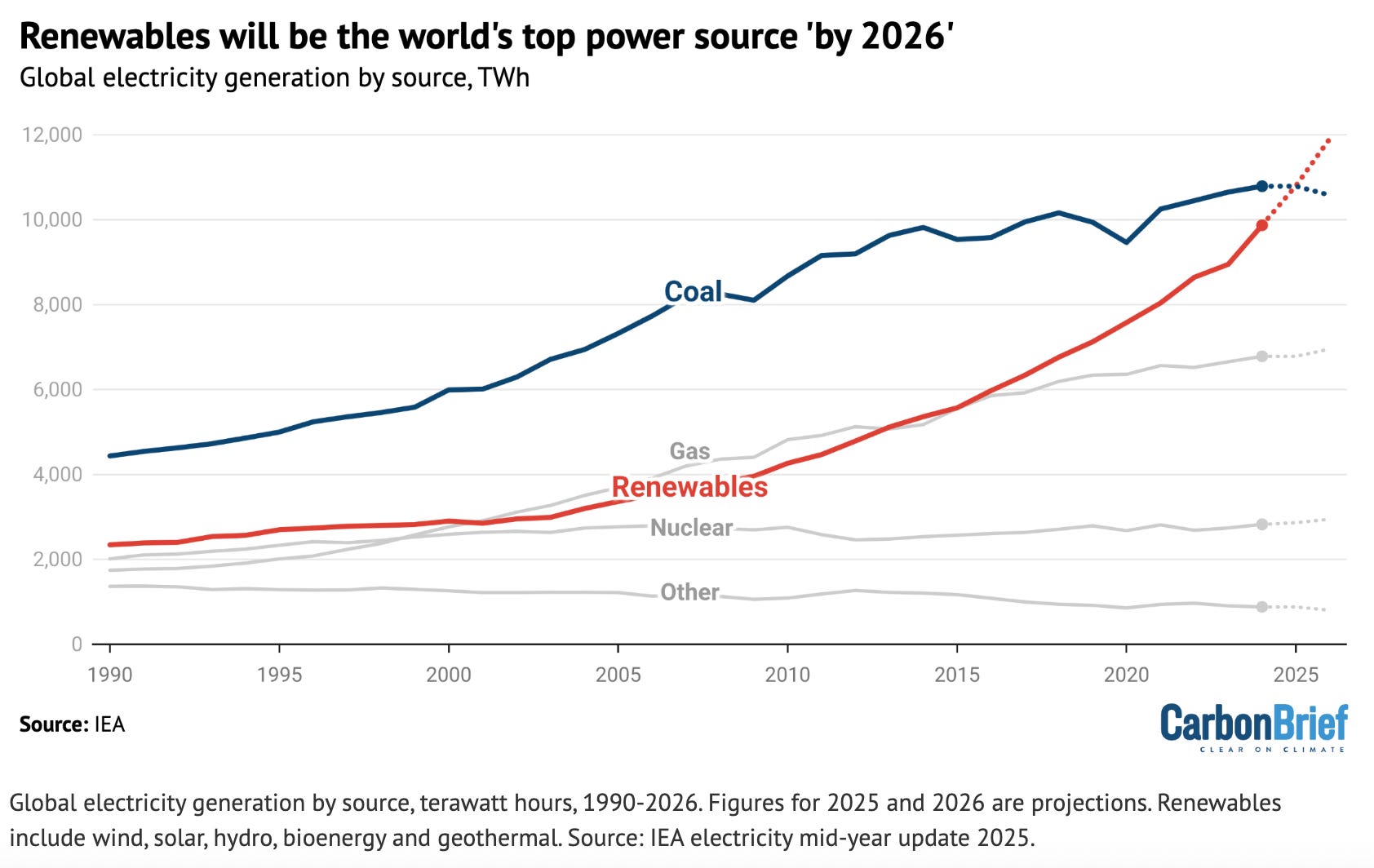
Wind and solar will meet 90% of the world’s new power demand this year, with nuclear and hydro making up almost all the rest, sending coal into a slight decline. The IEA says renewables will overtake coal as the world’s largest source of electricity by 2026, and potentially this year. By 2026, renewables are expected to supply 36% of global power against 32% for coal. IEA & Carbon Brief
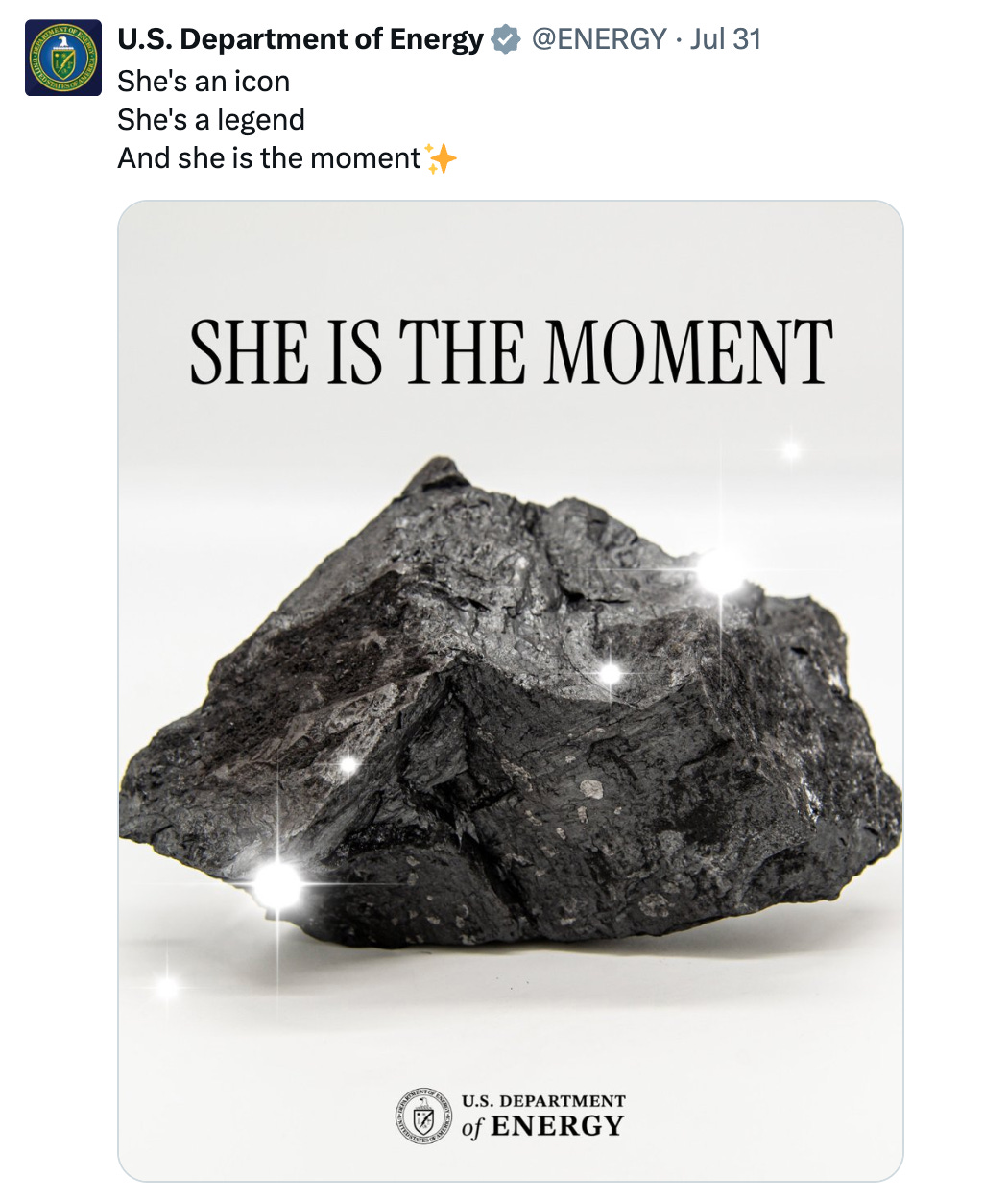
Meanwhile… in the United States…
Some consolation for our US readers, courtesy of Derek Thompson: ‘America is in the middle of a historic health wave.’
The most common causes of premature death—including murder, overdoses, car crashes, and obesity—are all declining. Homicides have plummeted since the pandemic, and the nation’s murder rate may set “a record low in 2025.” The CDC reported an "unprecedented" annual decline in drug overdose deaths this year. Traffic deaths have declined for 12 straight quarters, and the latest fatality rate is “the lowest in six years.” Obesity decreased in the most recent analysis “for the first time in more than a decade,” as GLP-1 drugs continue to improve. This might be the first time in history that overdose deaths, traffic fatalities, murders, and obesity all decreased in the same batch of government data.
Brazil’s homicide rate tumbled 15% in the first half of 2025. Killings declined in 22 of 27 states, with cities like Rio de Janeiro seeing double-digit falls. Analysts point to expanded community policing, tighter gun controls, and gang truces as drivers of change. Le Monde
River bathing is making a vibrant comeback across Europe. It’s not just Paris. From Copenhagen to Zurich, cities are launching floating pools, public beaches, and wild-swim-friendly waterfronts. These projects combine improved water quality with public design, turning rivers into lifelines for recreation, community, and cooler city lives. Positive.News

Scientists just created the first global maps of mycorrhizal fungi, the vast underground mushroom networks that connect plant roots and let plants trade nutrients and store carbon. These ‘wood wide webs’ (nice) underpin ecosystems but are being degraded by farming and climate change. Safeguarding these networks could boost biodiversity, food security, and carbon storage all at once, with the maps identifying hotspots most in need of protection. Plus, the initiative was led by SPUN, the whimsically named Society for the Protection of Underground Networks.
Here’s a new term: greenhushing. Instead of ‘greenwashing’ many of the world’s largest companies are now hiding their decarbonisation efforts. They’re not giving up though. A recent survey of around 4,000 firms has shown that only 16% have dialled back their goals, while 84% have maintained or raised them, and more than two-thirds say they’re on track for their targets. Economist
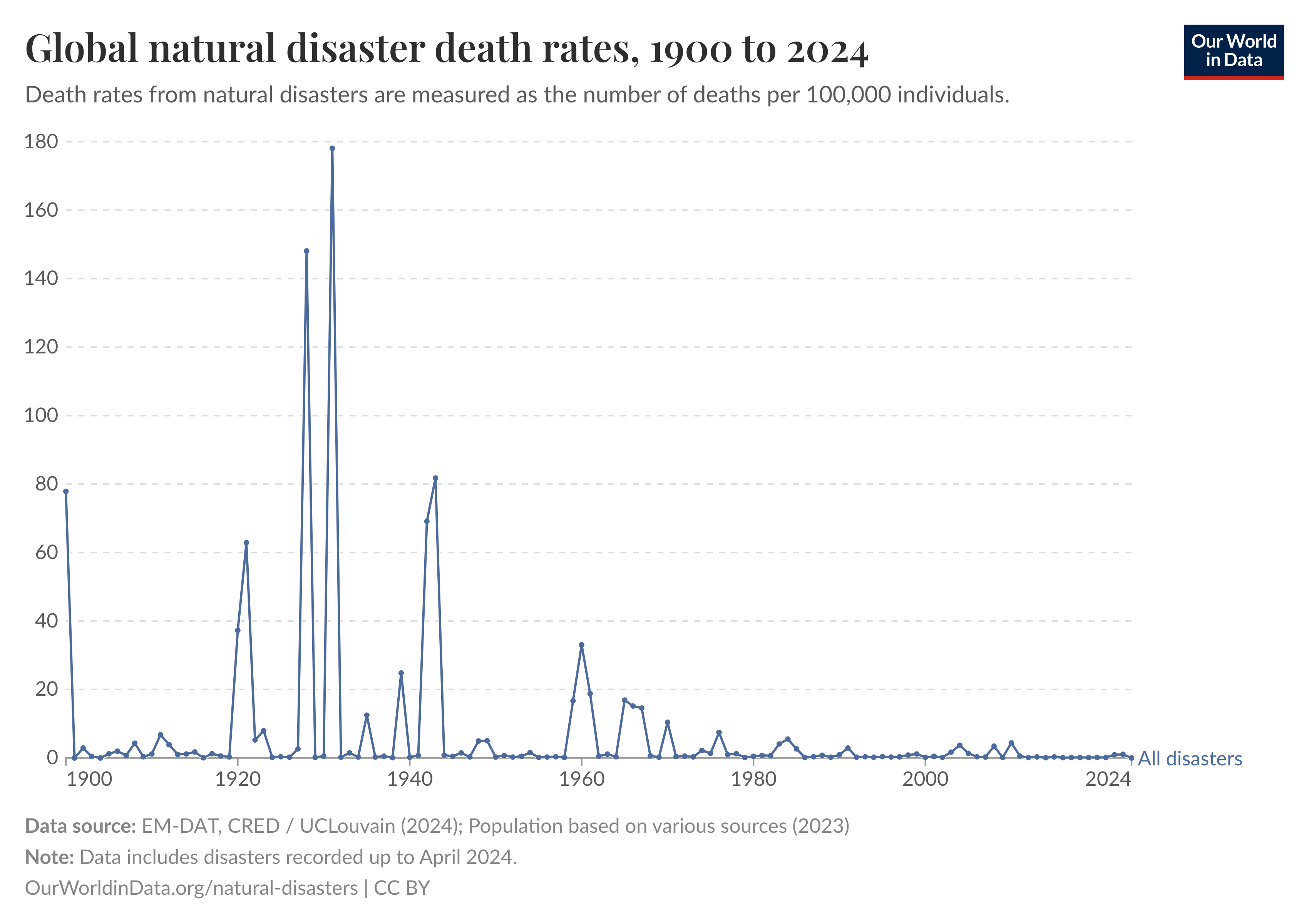
Far fewer people around the world are dying from natural disasters. In the first half of 2025, about 2,200 people died in weather-related disasters, down from a historical six-month average of over 37,000. Compare this to the 20th century, when annual death tolls were sometimes in the hundreds of thousands. News cycles often give the impression that disasters are deadlier than ever, but better warnings, stronger infrastructure and improved emergency response mean we’re safer from extreme weather than at any point in history. Vox
India, the world’s third-largest greenhouse gas emitter after China and the United States, generated about 22 TWh less coal power in the first six months of this year than the first six months of last year, even as demand for power rose. Renewables jumped 24.4% and hit record shares, hinting India’s coal appetite may peak sooner than expected. Massive turning point. Ember
Saint Lucia’s Supreme Court has struck down laws criminalising consensual same-sex relations: offences that once carried up to 10 years in prison. While prosecutions were rare in the Caribbean nation, colonial-era statutes had long fuelled stigma and fear. Their repeal marks a clean break from that legacy and aligns the island with a regional push to dismantle anti-LGBTQ+ laws. Washington Blade
Elephants know your name (if you’re an elephant). A decades-long study in Kenya has found African elephants invent and use unique “names” for one another, making them, along with humans, the only known species to do so. Researchers analysed 36 years of recordings from Samburu and Amboseli elephants to identify 469 distinct calls, then played them back to test reactions. Elephants responded energetically when hearing their own name, but ignored others, hinting at a sophisticated social language that could one day help humans communicate with pachyderms. BBC
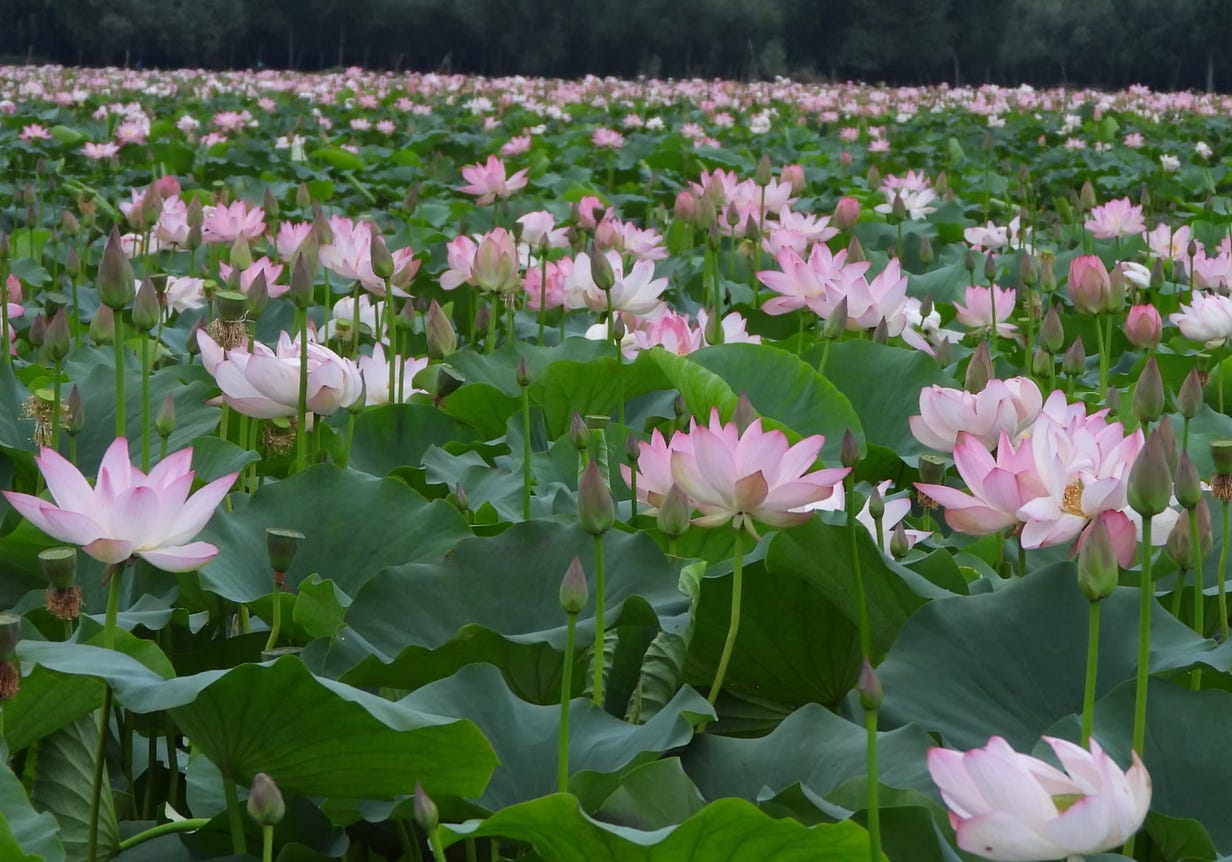
Wular Lake in Kashmir sees lotus blooms after three decades. Once buried under silt and nearly lost, Wular Lake in Kashmir is seeing lotus flowers emerge again after 33 years. A five-year desilting and clearance campaign has restored water depth, clarity, and native flora, along with centuries-old culinary and cultural traditions tied to the flower’s stems, now returning to lakeshore markets and kitchens. The Guardian
“It’s like finding a rainforest no one knew about.” At 5,800 metres below the waves, scientists have uncovered one of the largest ecosystems of ‘chemosynthetic life’: organisms that survive without sunlight, drawing energy instead from chemicals in the seabed. These vast, newly charted communities thrive in total darkness, reshaping our understanding of where and how life can exist on Earth. Nature
Self-healing electronic skin repairs itself in seconds. An electronic skin is a thin sensor layer worn like a second skin, reading muscle strength, movement, and fatigue straight from the body. They’re crucial for creating continuous feeds of health information, but thus far they’ve been fragile, liable to become unusable if cut or torn. Now researchers at the University of California, San Diego, have created an electronic skin that “self-heals” within 10 seconds, which could lead to new advances in monitoring health. Science
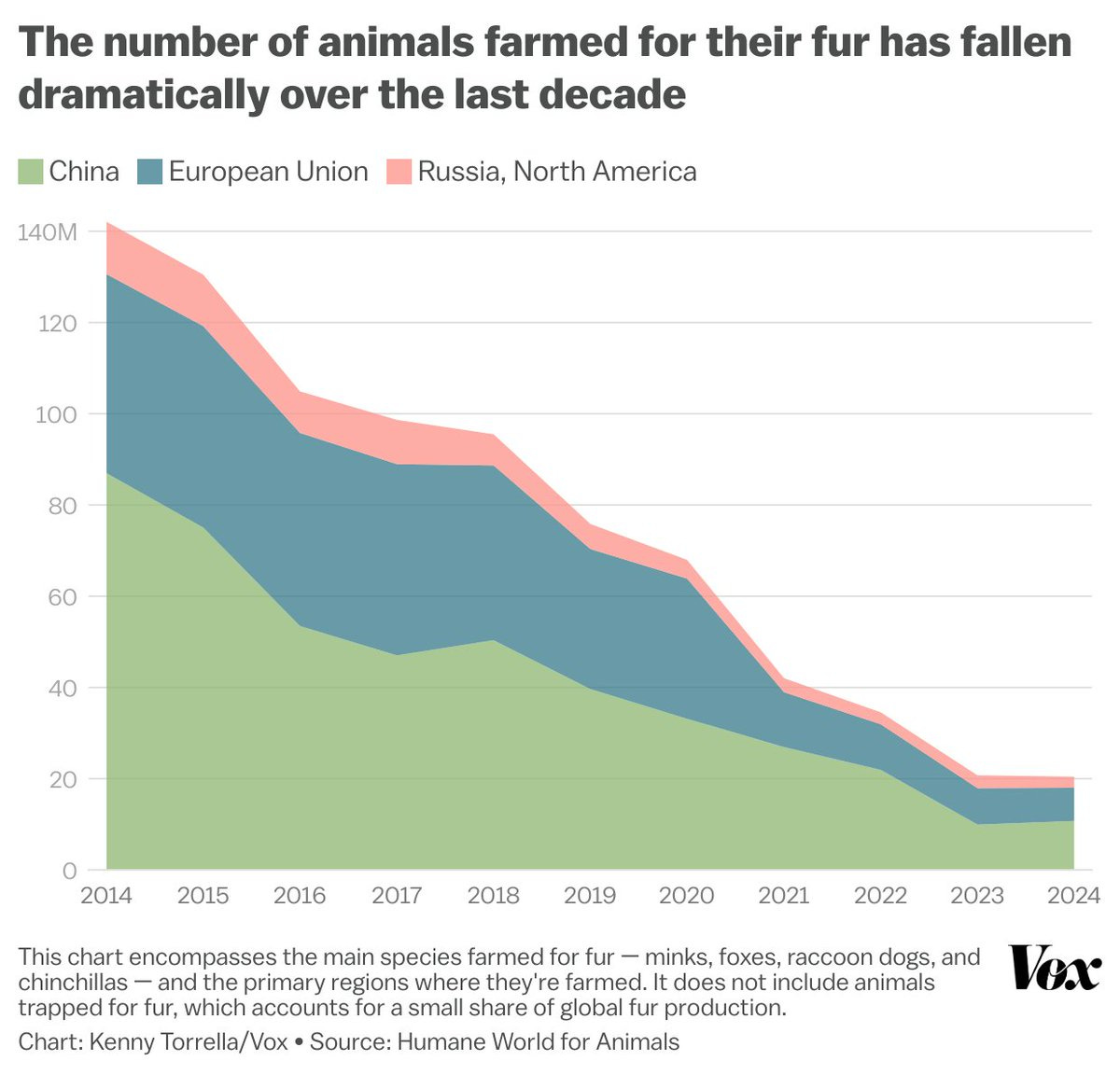
And finally, check out fur’s fall from grace: a $40 billion industry gutted in a decade. In 2014, fur farms killed over 140 million animals. By 2024, that number was down to 20.5 million. The collapse came fast: Gucci’s 2017 fur-free pledge set off a luxury brand exodus, COVID-19 outbreaks on mink farms shut down operations across Europe, and sanctions and crackdowns hit demand in Russia and China. Vox says it’s the greatest animal welfare victory of the 21st century.