

296: Life Is Radiant
Your yoga teacher is gonna love this. Plus, the JWST's most ambitious project yet, good news on the TB vaccine, China transforms its monoculture forests, local ocean protection in Mexico, US oil production set to decline, and amazing health care workers.
This week's top stories
The James Webb Space Telescope has completed its most ambitious project yet, capturing 0.54 square degrees (an area roughly equal to three full Moons) in a 255-hour observation revealing extended stellar halos, vast cosmic voids, gravitational lensing effects, and a prominent galaxy cluster 9.9 billion light-years away. The dataset, now publicly available, enables scientists to track cosmic structure development from the earliest galaxies to today's complex universe. Some truly mind-bending images here from Big Think.

“The man who dies thus rich dies disgraced.” Bill Gates has announced plans to give away nearly $200 billion between now and 2045, after which the Gates Foundation will permanently close its doors. In a wide-ranging interview with the New York Times (gift link), he explains why this is the time to go all in given Trump’s assault on global health, the promise of more lifesaving innovations in the near future, and the potential impact of AI.
High hopes for world’s first TB vaccine in 100 years. A closely watched clinical trial testing the new vaccine has hit enrolment targets earlier than expected because of volunteer enthusiasm in communities located in TB hotspots. The vaccine is designed to prevent adults from advancing to the dangerous stage of an infection (the current, century-old vaccine is targeted at babies and children) and could have an efficacy of about 50% - huge news given that TB is the world's deadliest infectious disease and kills over a million people a year. STAT
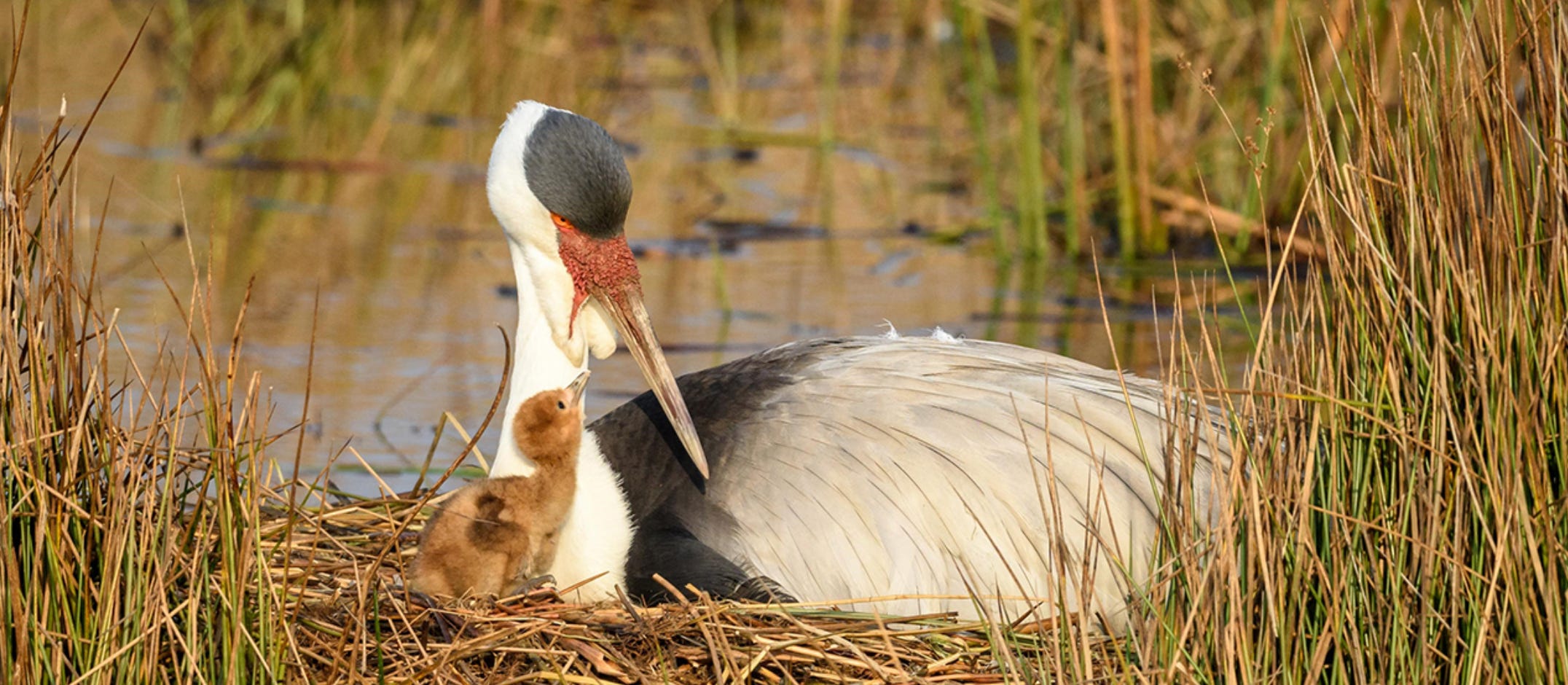
South Africa's wattled crane rebounds from brink of extinction. South Africa's wattled crane population has increased from fewer than 200 birds in 2000 to over 300 today, improving its conservation status from critically endangered to endangered. The recovery follows three decades of targeted conservation efforts including wetland protection, power line modifications to prevent collisions, and partnerships with farmers whose land contains crucial breeding habitat. Mongabay
Kenya’s latest energy policy review shows that electricity access rose from 37% in 2013 to 79% in 2023. Almost everybody living in an informal urban settlement now has access to an electricity connection, raising the overall urban access rate to nearly 100%. The Kenyan government is aiming to reach 100% electricity access by 2030 and 100% renewable electricity generation by 2035. Forbes
Over the last two decades, local divers and fishers have pieced together a mosaic of no-catch zones covering 20,000 km² of Mexico's coasts. Though the national government recognises the refuges now, they were originally created by local communities in response to government inaction, and even post-recognition, will be run by locals. Wired
Climate lawsuits triple since Paris Agreement. Climate litigation has exploded to 3,000 cases across 55+ countries, with lawsuits against fossil fuel companies nearly tripling since 2015. Key battles include Hawaii's deception case against Big Oil, youth successfully challenging Ontario's climate target rollbacks, and African NGOs suing governments over a pipeline expected to produce 34 million tonnes of carbon annually. Corporate Knights
Every region of the globe has seen a steep rise in mobile phone subscriptions since the year 2000 (and by 'steep,' we mean from less than 1% to more than one subscription per person). While we all know that phones have their downsides, they also enable people to learn, connect, and build, especially in places where physical infrastructure’s lacking. To celebrate, take a read on how mobile phones bring banking to the poor, provide healthcare to those with limited access, allow refugees to talk to their families, and give the world's most isolated access to education.

US oil production set for first decline in a decade as global demand slows. Crude prices have fallen 17% this year, reaching inflation-adjusted lows seen only twice since 2004 outside the pandemic. The number of crews fracking shale for oil and gas has already fallen 15% this year with crews in the Permian Basin down 20% from a peak in January. CNBC
China has transformed over 650 km² of monoculture forests along the Yangtze River into diverse mixed ecosystems, expanding mixed-forest coverage from 6% to 62%. The $150 million initiative engaged has provided 10,000+ farmers with sustainable livelihoods that doubled monthly incomes, and is on track to transform 1,300 km² by 2027. Beyond improving biodiversity and water retention, the transformed landscapes will sequester 23.5 million tons of carbon over 30 years. World Bank
And that’s not the country's only environmentally ambitious plan. Strict laws now protect a 1.09 million km² band of black soil in the nation's Northeast from illegal excavation, putting a stop to those who smuggled away the soil for use in nurseries and flower markets. The same laws now protect the region from toxic dumping – and given that it sits smack in the middle of one of China's major grain production sites, we can see why. China Daily
China is also planning a major new project to re-wild the endangered North China Leopard after recent (and very exciting) leopard sightings just 20 km from Beijing. The 10-year initiative will plant 10 million oak trees across the Taihang and Yanshan mountains, creating critical wildlife corridors connecting Beijing, Hebei, and Shanxi provinces. Dialogue Earth
Gene-edited immune cells show promise against advanced cancer. University of Minnesota scientists have successfully used gene-editing to treat late-stage digestive system cancers. Using CRISPR, they modified patients' immune cells to better fight cancer by removing a gene that normally limits their attack strength. Of the 12 patients with previously incurable cancer, several saw their disease stop spreading, while one patient's tumours completely disappeared.
The US National Institutes of Health has closed its final beagle testing laboratory, after recognising that giving drugs to dogs poorly predicts what those drugs will do in human bodies. All hail organoids and tissue chips for further future testing! Physicians Committee for Responsible Medicine
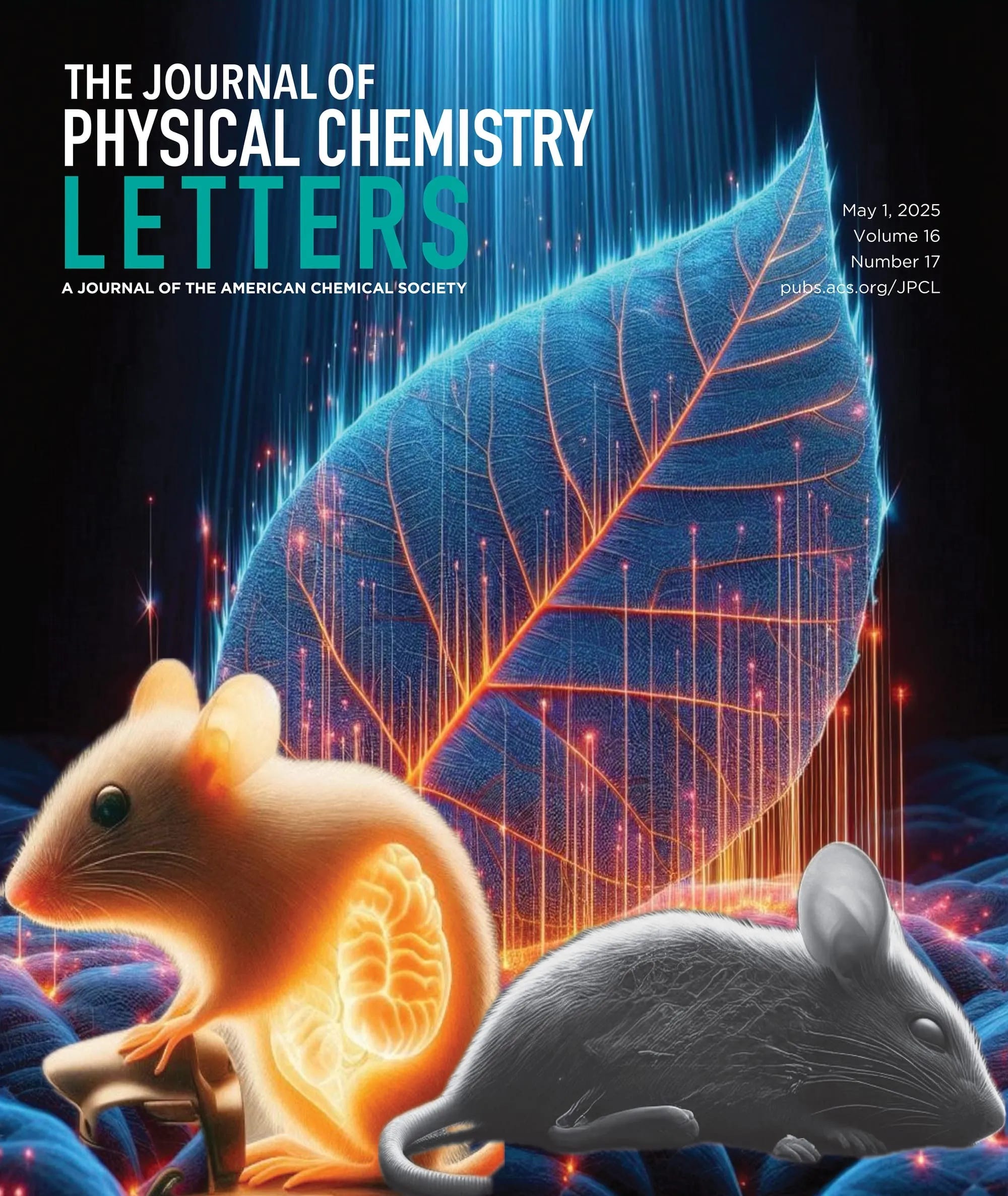
WTAF? → Living organisms emit light that ceases after death. Canadian researchers have detected evidence of an eerie 'biophoton' phenomenon in living mice that significantly decreases after death. Similar results were observed in plant leaves, with injured areas glowing brighter. This remarkable discovery suggests that all living organisms may emit an ethereal glow of visible light—that vanishes when life ends. Science Alert
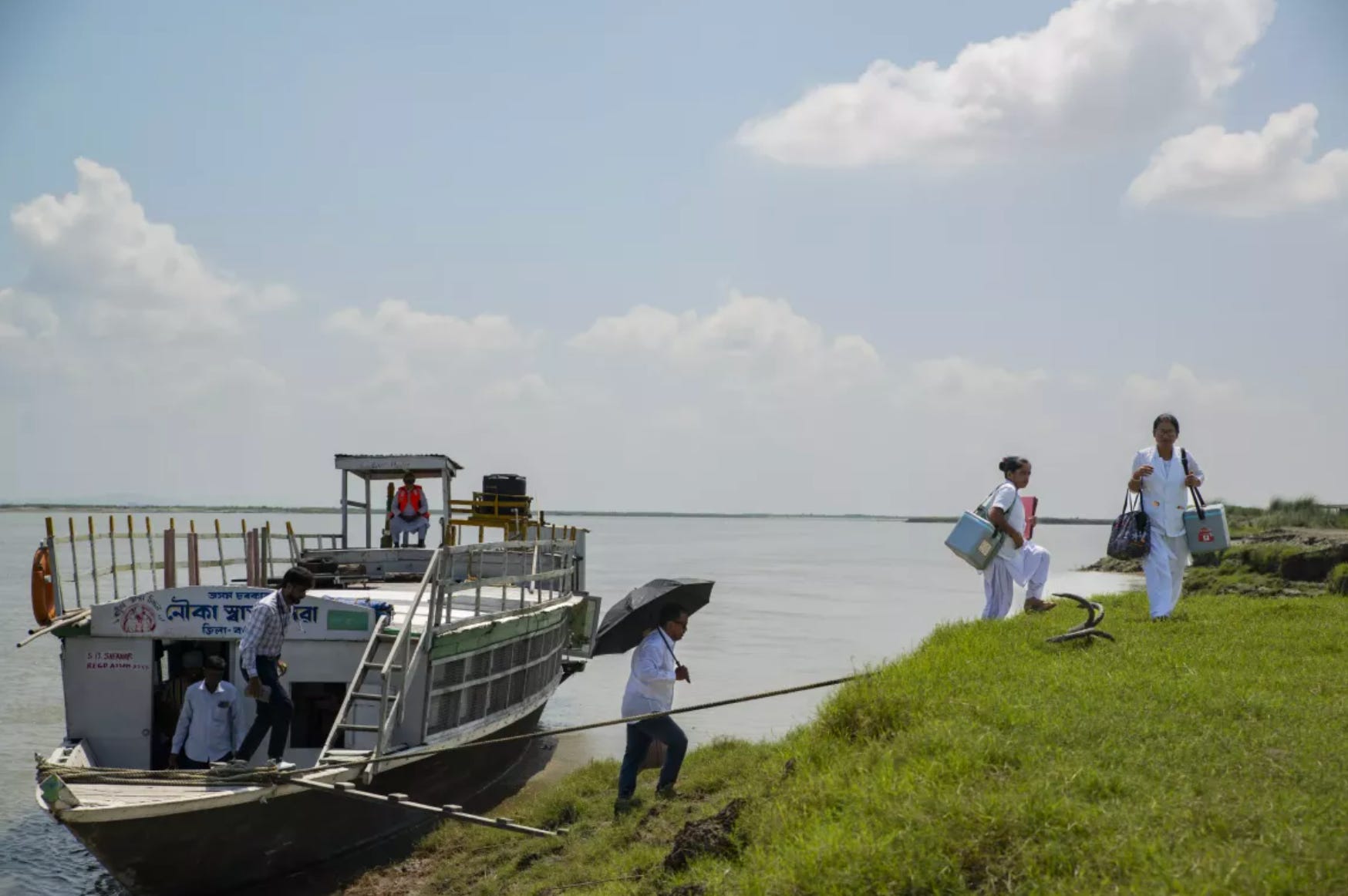
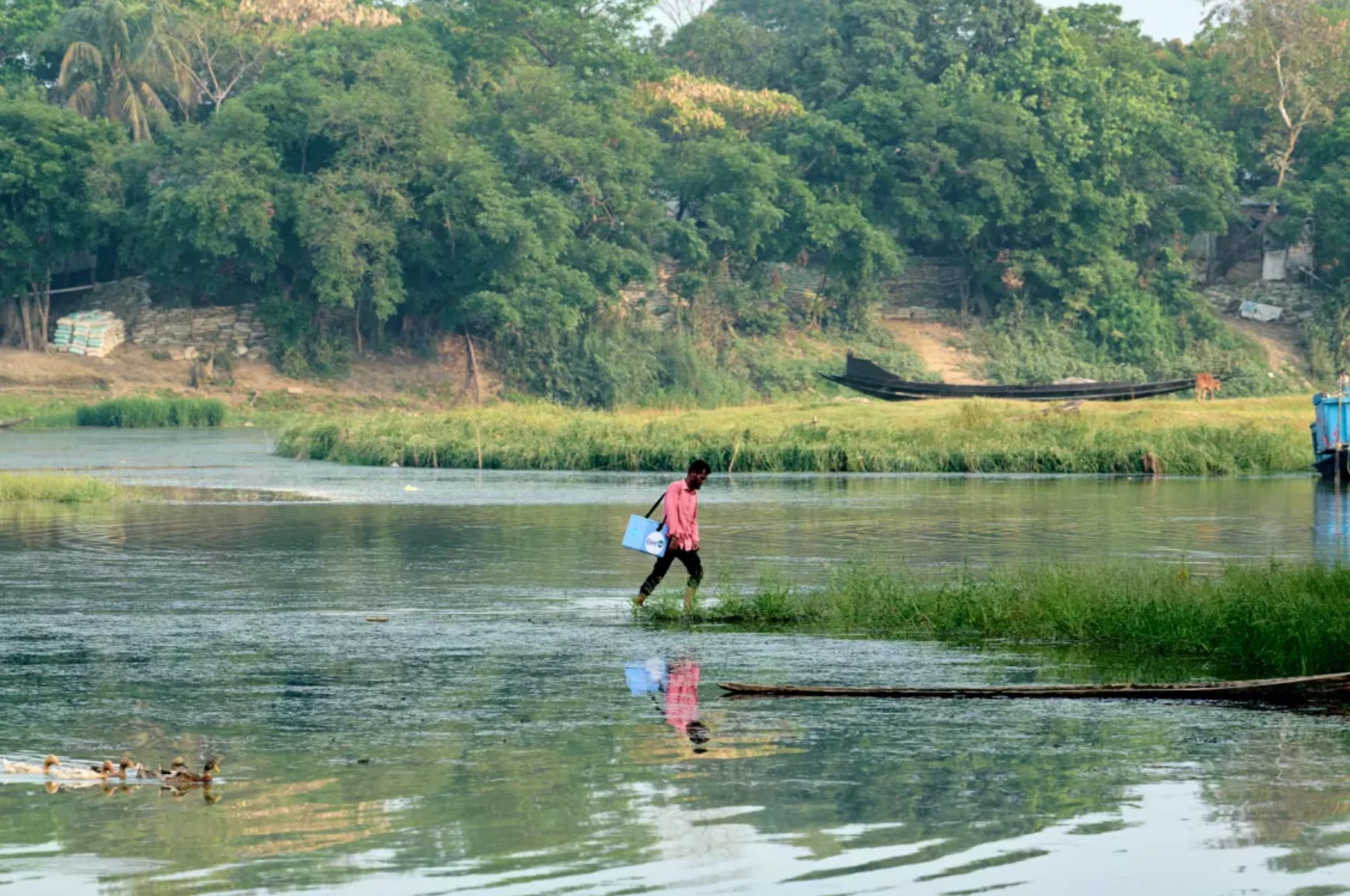
And finally, this wonderful photo essay from UNICEF highlights the incredible lengths health workers go to protect children in some of the world’s most hard-to-reach places, travelling across mountains, rivers and flooded terrain by foot, boat, horseback and camel, to deliver life-saving vaccines. Forget the red carpet at Cannes - these are the real celebrities.
If it bleeds it leads
An unexpected variation on Dog Bites Man. Apparently this story was important enough to warrant 484 words on the most visited English-language news website in the world. Spare a thought for Genevieve Glatsky, the Times reporter who was interrupted from her usual beat on Latin American politics and made to write what might just be the most un-newsworthy article of the year.
Bet you it got a lot of clicks though.
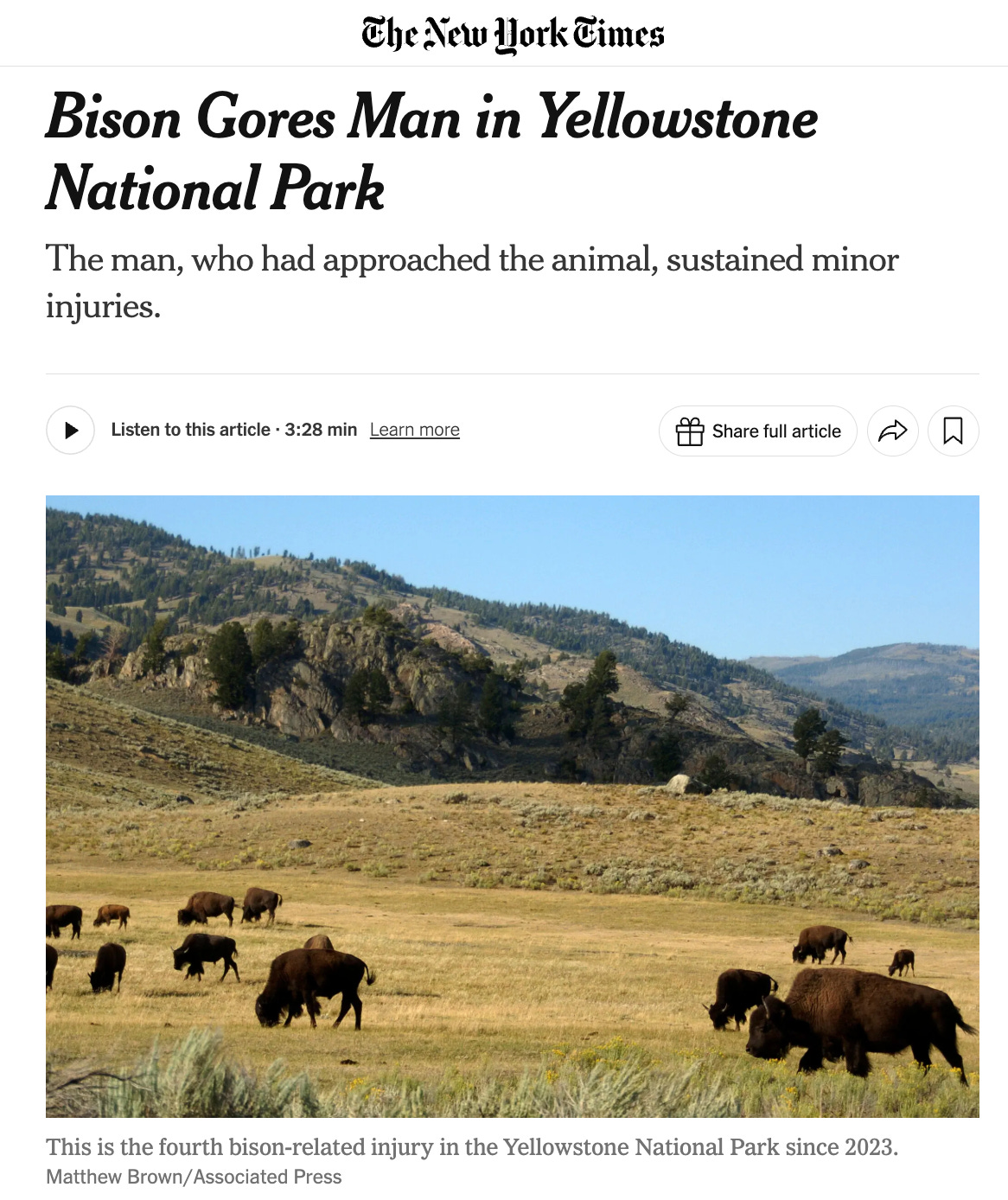
For what it's worth, Yellowstone is the only place in the United States where bison have lived continuously since prehistoric times.
Progress
The global nursing workforce has grown from 27.9 million in 2018 to nearly 30 million in 2023. The State of the World’s Nursing 2025 report indicates progress in reducing the global nursing workforce shortage from 6.2 million in 2020 to 5.8 million in 2023, with a projection to decline to 4.1 million by 2030. Over 60% of countries reported the existence of advanced practice nursing roles, up from 53% in 2020, and 82% of countries reported having a senior nurse in place to mentor early career nurses.
Kerala is poised to eliminate rheumatic fever: The Indian state has a population of 33 million, but, last year, it recorded just 15 cases of acute rheumatic fever. Since 2019, cases have dropped by 70%, far surpassing the WHO’s 2025 target of a 25% reduction among people under 25. Remarkably, this progress has come without a national control programme. Health experts credit Kerala’s high human development index and strong healthcare access as key drivers of the decline. New Indian Express
Indonesia is implementing the second phase of its 'Investing in Nutrition and Early Years' programme, with the aim of reducing childhood stunting to just 5% by 2045. In 2017, Indonesia launched the programme's first phase, which reached over 20 million children and trained more than 75,000 community volunteers, leading to one of the world’s fastest recorded drops in the childhood stunting rate, from 30.8% to 21.5% between 2018 and 2023. World Bank

Building on its rollout of the HPV vaccine in 2019, Uzbekistan’s new programme to combat cervical and breast cancer is aiming to expand HPV vaccination to boys, screen over 70% of eligible women, ensure timely treatment for more than 90% of diagnosed cases, and achieve early detection in 60–70% of people. Notably, this is Uzbekistan’s first public health programme to incorporate explicit accountability metrics in reporting. Gavi
If this strategy can be implemented, our country will have no equal in treating oncological diseases in women.
Physician Rano Kaumova
Poland has launched a new free health screening programme for people over the age of 20, aiming to boost early disease detection. The Moje Zdrowie (My Health) programme builds on an earlier scheme designed for over-40s; but, unlike that programme, which offered a one-off set of checks, the new system can be used regularly and includes follow-up appointments. All primary care centres nationwide will offer Moje Zdrowie. Notes from Poland
“The cost of living is still too damn high.” New York’s governor Kathy Hochul has announced plans to distribute $2 billion to more than eight million New Yorkers under an inflation refund scheme. Also part of the fiscal year 2026 budget is Hochul’s plan to ensure free school meals - breakfast and lunch - for all of the state’s 2.7 million students. The Guardian

Environment & Conservation
New Caledonia has enacted a sweeping 50-year ban on all commercial seabed mining across its entire 1.3 million km² maritime zone. The French Pacific territory, home to nearly one-third of the world's remaining pristine coral reefs, says it is prioritising environmental protection over economic extraction, allowing only non-invasive scientific research. RFI
A court in The Hague has upheld Britain's ban on sand eel fishing in the North Sea, ruling it was based on "best available science" despite EU challenges. The ruling protects these vital forage fish that serve as essential food for numerous marine species including puffins, kittiwakes, and cod. Oceanographic
Collaborative projects revitalise Colorado River Basin amid historic water crisis. Amidst the worst drought in 25 years, local efforts, such as the Kawuneeche Valley's wetland restoration, and water-sharing agreements run by the Jicarilla Apache Nation, are demonstrating that saving the Southwest's most crucial river is doable – indeed, it's happening – even as basin-wide negotiations remain deadlocked. Nature Conservancy
Bulgaria and Greece continue to agree that Bulgaria will provide Greece water from the Arda River: this continuation of an old agreement serves as a boon for Greek agriculture. Euractiv
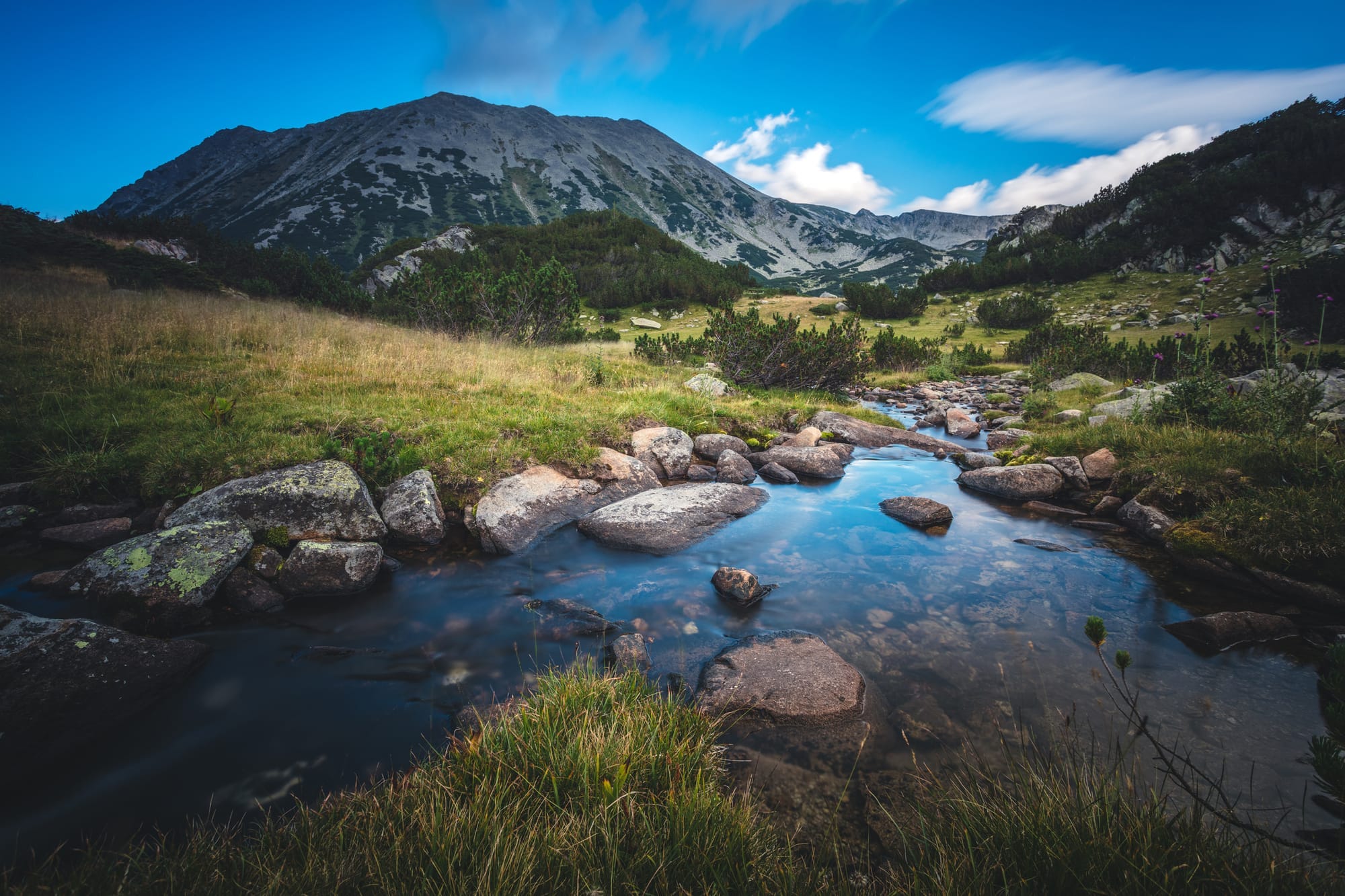
Public outcry stops Florida from turning public parks into golf courses. Last summer, Florida’s “Great Outdoors Initiative" proposed building up state park, and was met with outrage from Floridians. Now Florida lawmakers have unanimously approved a ban on building golf courses, luxury lodges, and sports facilities across all state parks, which Governor DeSantis says he will sign.
After six years of preparation, volunteers have successfully reintroduced beavers to Oregon's Cascade-Siskiyou National Monument. The Revelator
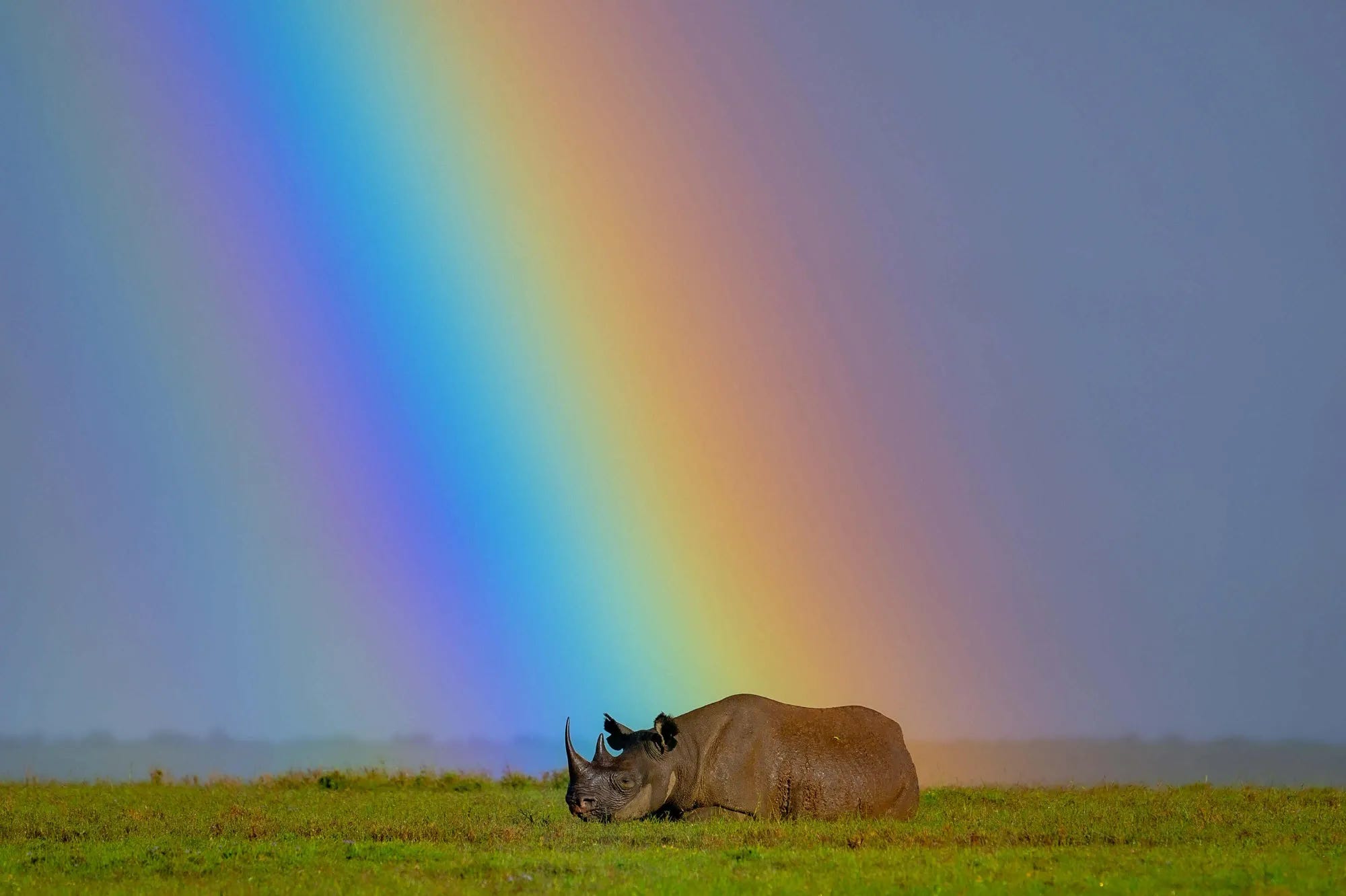
Eastern black rhinos have returned to Kenya's Loisaba Conservancy after a half-century absence, part of a wider national effort that has quadrupled their population since 1984. The rhinos, relocated from overcrowded sanctuaries, now thrive in the 58,000-acre preserve, monitored by drones and ranger teams. Local communities, who lost their last rhinos to poaching in the 1970s, actively support the restoration through anti-poaching patrols, fencing projects, and setting aside additional community land for the species' recovery. The Nature Conservancy
Conservationists have restored 10,000 native oysters to the strait between mainland England and the Isle of Wight marking the fifth major restoration phase in a decade-long effort to rebuild the area’s crucial reef ecosystems. The project, engaging 170 volunteers, builds on last year's successful introduction of 20,000 oysters as part of a broader European initiative to revitalize essential marine habitats. Oceanographic
The Sussex Kelp Recovery Project has reported rapidly increasing populations of lobster, brown crab, angelshark, seahorses, and expanding mussel beds just four years after a bylaw banned trawling in a 302 km² area where 96% of the kelp forests had vanished by 2019. BBC
I was apprehensive about what I'd find this year after such a stormy winter, but to my absolute delight, I witnessed a dramatic increase in marine biodiversity.
Freediver, Eric Smith
Energy & Climate
How’s coal doing lately? Let’s take a look at some recent stories…
Indonesia's thermal coal exports have fallen to a three-year low in the first quarter of 2025, dropping by 12% compared to last year.
China has ended all financing for overseas coal plants, a pivot that aligns with its renewed focus on achieving clean energy dominance. Semafor
India—the world's second largest coal consumer—has slashed coal imports by 15% so far this year.
Coal power hits a historic low in Australia as renewables supply 43% of electricity.
Canada's two largest provinces, Alberta and Ontario, have gone coal-free, cutting their combined electricity emissions by 53 megatonnes—representing 80% of Canada's total emissions reduction since 2005.
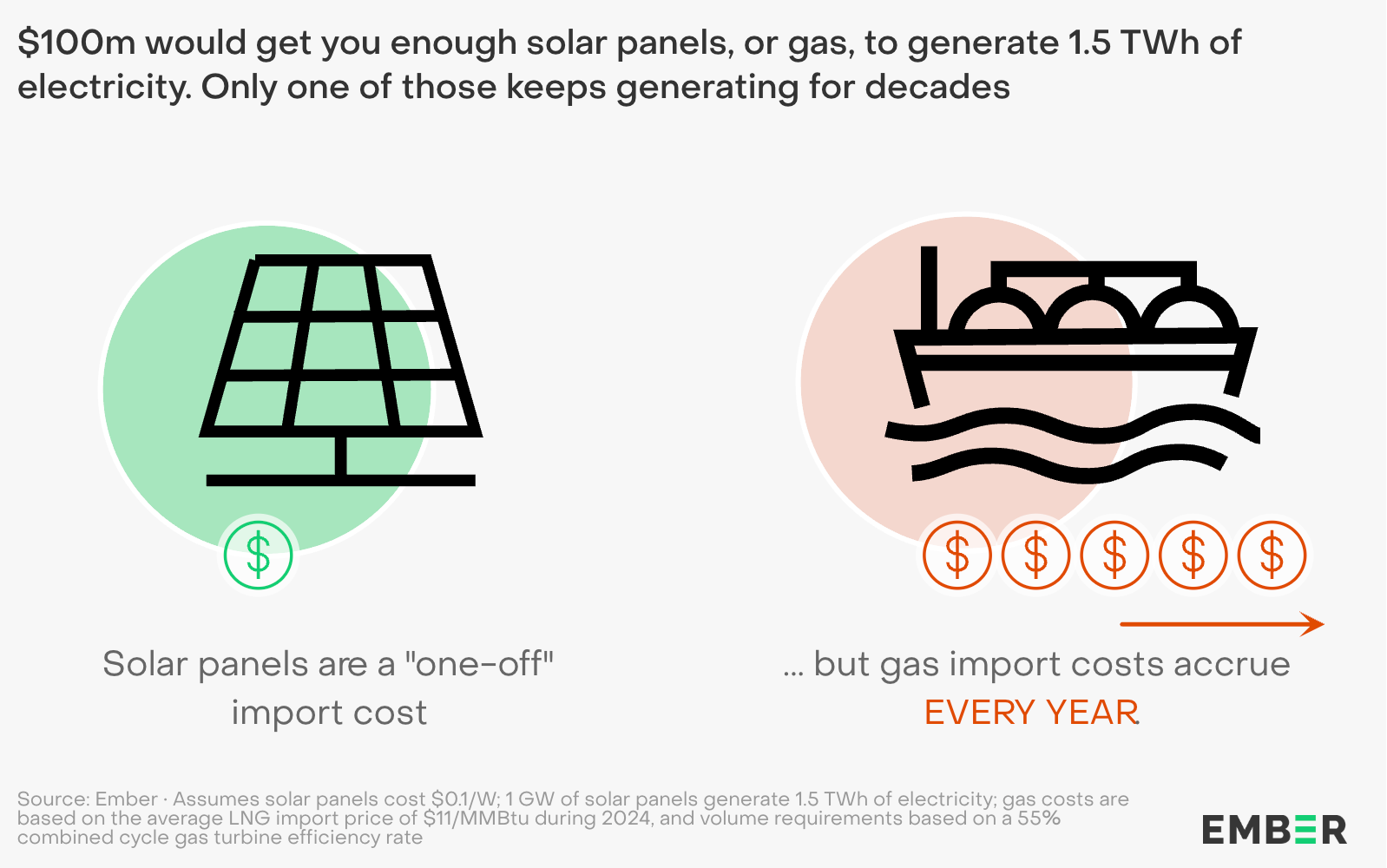
Saving the world is cheaper than ruining it, 2025 edition
From Ember: "Importing one gigawatt of solar panels costs $100 million, based on the 2024 average global price. At a 17% utilisation rate, this would generate 1.5 TWh of electricity per year. Importing gas to generate the same amount of electricity also costs $100 million, based on the average international LNG price of $11 per million BTU in 2024 and assuming a 55% efficiency when burned in a gas power plant. However, while solar panels require a one-off import cost, importing fossil fuels is a recurring expense for countries."
Sunshine is free, but you have to keep on paying for fossil gas.
Germany's electric vehicle sales surge 56%. Electric vehicles captured a record 28.8% of Germany's car market in April, up from 18.4% last year. Volkswagen now command nearly 50% of EV sales, with the ID.7 maintaining its position as bestseller for the fourth consecutive month. Affordable new EVs under €25,000 are driving market transformation despite the elimination of incentives. CleanTechnica
In California, solar panels on farms generates 25 times more revenue than crops. Solar panels on California's Central Valley farms generate an average of $124,000 per hectare annually, a lucrative practice that already powers 500,000 households while saving enough water for 27 million people a year. Some farmers are doubling up, growing shade-loving crops beneath panels or grazing livestock, creating wildlife habitat while maintaining food production. Grist
US states take up climate action as federal government wavers. In the face of Trump's attempts to block state programs like New York's congestion pricing and California's cap-and-trade system, 24 governors have now formed the US Climate Alliance to share strategies for advancing clean energy and electrification, making climate action more resilient to federal policy shifts. Grist
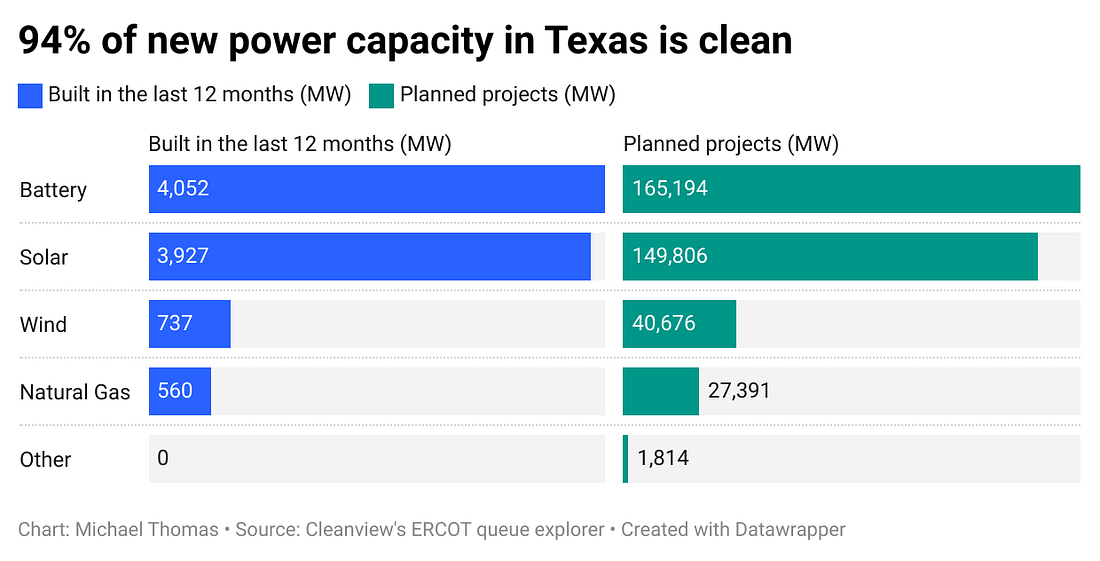
And in that vein, Texas, home of one of the world’s largest fossil fuel industries, is quickly becoming a powerhouse for America's clean energy, hosting one-third of the country's new storage and renewable projects. Nearly 2,000 power projects are currently in the interconnection queue, and almost all of them are clean. Clean View
Science & Technology
Aedes aegypti mosquitoes are invasive in North America, and spread diseases faster than the native varieties. Now scientists have released sterile male Aedes aegypti in Southern California, reducing Aedes aegypti populations by 44-82% in target areas. This environmentally-friendly approach could help combat mosquito-borne diseases, never mind reducing the number of bitey bugs. LA Times
Amazon has deployed robots with tactile feedback sensors in warehouses in the US and Germany, allowing them to manipulate objects in crowded spaces and reach items on high shelves. The technology works at speeds comparable to humans, handles approximately 75% of inventory, and reduces the need for workers to use ladders. Unlike conventional robots which shut down on unexpected contact, these systems can "feel" their surroundings, allowing them to work alongside human staff. Spectrum IEEE
Also: Researchers from MIT, Amazon, and the University of British Columbia have taught robots to "guess" properties of objects (including weight and softness) just by picking them up. MIT
Also: two robots on video folding towels in a hotel.
Migraine drug tackles symptoms hours, days, before headache pain. A clinical trial shows the drug ubrogepant can reduce fatigue, light sensitivity, and concentration problems that occur during migraine's prodromal phase, hours or days before the real headache begins. While improvements were modest (10-15% better than placebo), this first-of-its-kind treatment could relieve suffering even earlier if patients learn to recognise their early warning signs. Nature
Ultrasound treatment shows promise against depression, anxiety, PTSD, and could help people without medication or surgery. Science Daily
Chinese scientists develop method to extract uranium from seawater cheaply; takes only 40 minutes to achieve 100% efficiency. China wants to build new nuclear power plants but uranium is expensive. Solution? Researchers from Hunan University have created an electrochemical technique that extracts uranium from seawater using 1000-fold less energy than previous methods, costing only $83 per kilogram—twice as cheap as alternatives. New Scientist
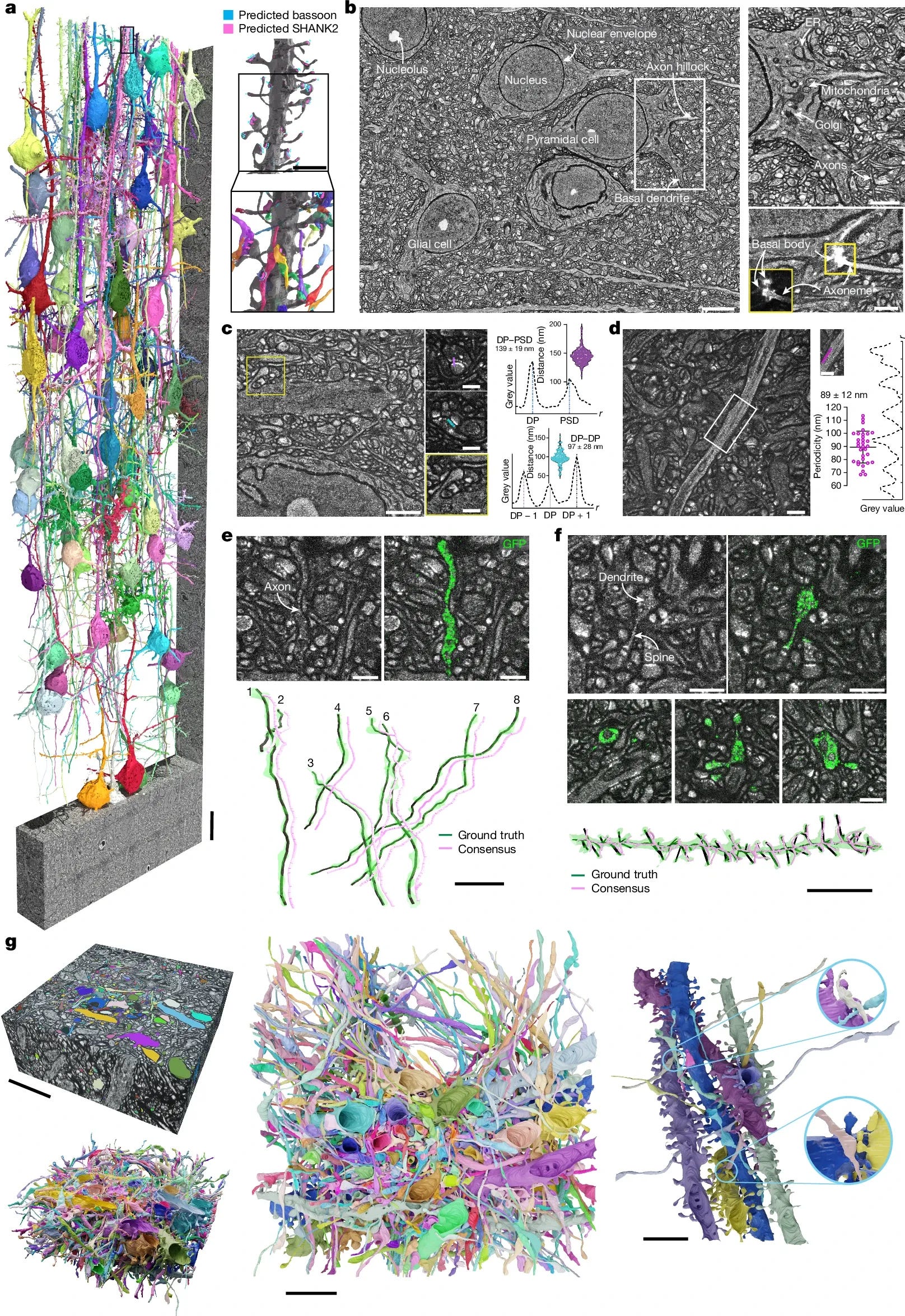
And finally — Scientists have developed a new brain-mapping approach that uses hydrogel to expand tissue while perfectly preserving structure. This cost-effective alternative to electron microscopy opens the door for more labs to map brain circuits, accelerating our understanding of how the brain works, and how it goes awry in disease. Science
The information superhighway is still awesome
Gus here, it's been a while since I did one of these. One of the great things about scouring the internet for stories of progress is that you come across a ton of great content that doesn't surface on most people's social media feeds (or anywhere else really). Here's a collection of my favourite links from the past few months:
Jeremy Reimer rewinds to 1966, when Bob Taylor dashed off a one-page pitch, got ARPA funding in a 20-minute call, and effectively lit the pilot light that gave us the internet, proof that history sometimes begins with a hunch and a telephone. Ars Technica
In Orion, Kristen Arnett turns a doomed lizard into a riff on queer ecology. Amidst the clamour of the culture wars, this is a good reminder that nature loves a glitch, and usually patches it with something weirder.
Rachel Woolfe, in the Wall Street Journal, argues that young Americans are stalled on the launchpad: wages flat, rents vertical, and an everything-is-beta culture that keeps 30-somethings in a state of 'perma-adolescence.' Who doesn't love a good whinge about the youth?
Centauri Dreams crunches the math on a 250-year generation ship and concludes you’ll need tight birth caps, rotating therapists, and maybe a Shakespeare festival to keep 500 travellers fertile and sane on the road to Proxima. Sci-fi fun!
Typographers just launched the am dash, a new glyph that doubles as a middle finger to AI prose. Type 'am-' and flaunt the evidence that a human was here.

Great long read here by Manvir Singh in The Guardian, puncturing the ayahuasca origin myth: anthropologists can only really trace its use to the last 300 years, revealing tales sold to tourists as much as to spirits. This doesn't make it any less of a gift - but enough with the global archaic psychedelic shamanism please.
Wired co-founder Peter Leyden has a remarkably convincing, optimistic take on what's happening in the world right now. "At a historic juncture like this, you do not want to defend the old systems of the status quo at all costs but look to what much better systems could now be built going forward." Freethink
Emily Polk’s elegy reminds us that undertaker bees literally haul their dead sisters away. No wonder Celtic farmers whispered news of a death in the family to the hives. Emergence
Carlo Acutis, the hoodie-wearing coder who catalogued Eucharistic miracles, is set to become the Catholic Church’s first millennial saint in the 2025 Jubilee; pilgrims have been flocking to take selfies with his glass coffin in Assisi. Catholic News Agency
And finally, for pure joy: watch 20-year-old Ilia Malinin land six quads at the 2025 World Ice Skating Championships.

That's it for this edition, thanks for reading.
With love,
The FTN team