306: The Ancestors Return
They're sending us a message. Plus, Canada's largest ever indigenous conservation deal, Timor Leste eliminates malaria, good news for girls in Egypt, more nails in the coffin for fossil fuels, and how they designed Bluey.

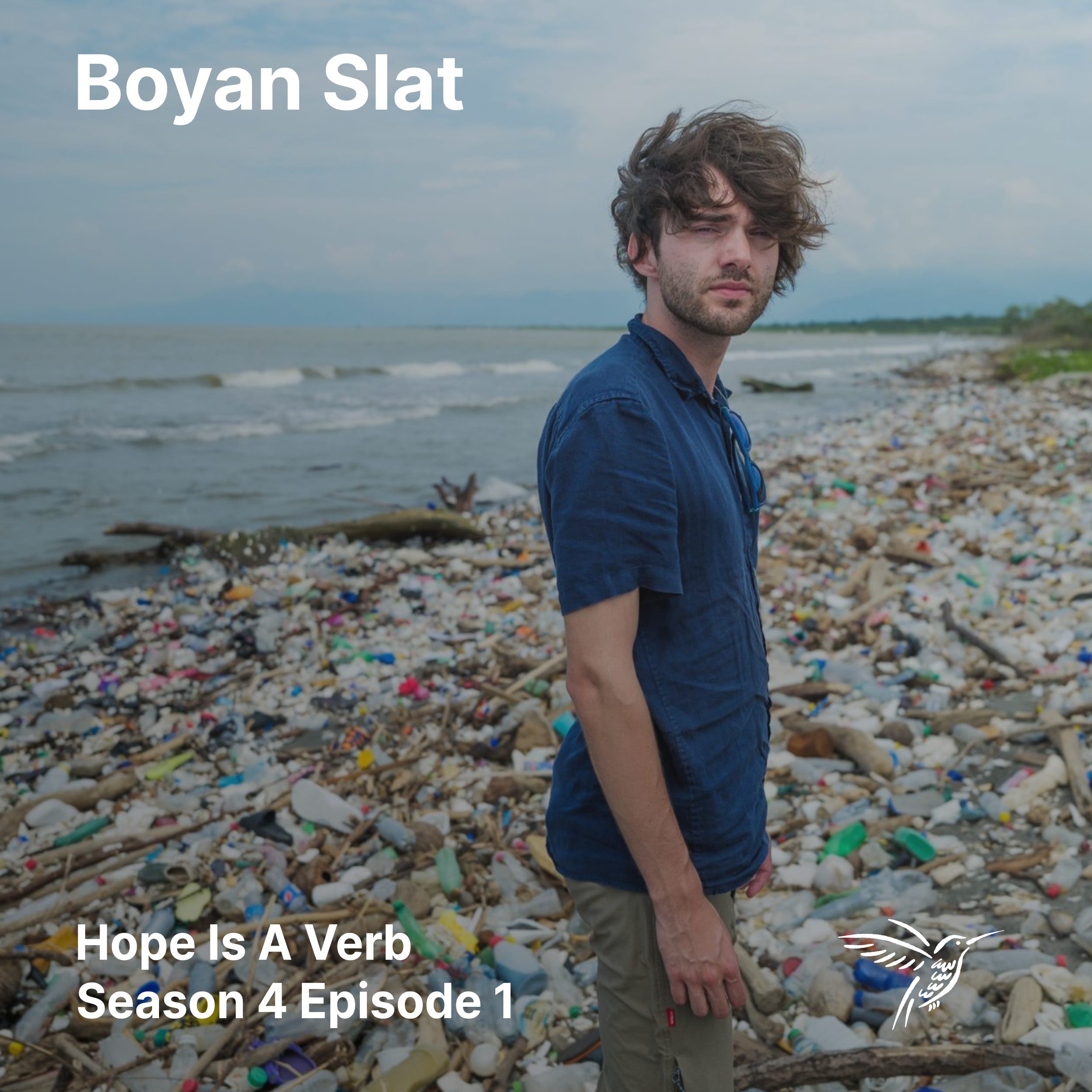
We are thrilled to announce Episode 1 of the new season of our podcast, featuring Boyan Slat, the founder of The Ocean Cleanup. The organisation currently intercepts an estimated 3% of global river-borne plastic emissions, and their plan is to get to 30% by the end of this decade. From their new 30 Cities programme, to the way they're using artificial intelligence for mapping, to dealing with his critics on social media, Boyan’s 'engineer energy' might just change the way you think about the world.
This week's top stories
Throughout history, energy has shaped the destiny of humankind, from mastering fire to harnessing steam to splitting the atom. Now we are on the cusp of a new era. Fossil fuels are running out of road, and the sun is rising on a clean energy age.
António Guterres, Secretary-General, United Nations
UN chief António Guterres says the world is on the brink of climate breakthrough. More than nine in 10 renewable power projects commissioned in 2024 were less expensive than their fossil fuel equivalent. Solar was 41% cheaper on average and land wind 53% cheaper. “The greatest threat to energy security today is fossil fuels. They leave economies and people at the mercy of price shocks, supply disruptions and geopolitical turmoil. There are no price spikes for sunlight. No embargoes on wind.” Guardian
Just one year after its breakout public health moment, 'miracle drug' lenacapavir has been approved by the FDA and recommended by the WHO. The drug, which Science called its 'breakthrough of the year' in 2024, is a long-lasting shot that provides almost 100% protection against HIV infection. Why does this matter? Well, the WHO recommendation puts the medicine onto a list which donors and UN agencies rely on when they decide what to buy and distribute. Gilead, the maker of the drug, is already in talks to enable a low-cost rollout across 120 countries, which would be the biggest boost in the fight against AIDS since the large scale rollout of antiretrovirals more than 20 years ago. New Atlas
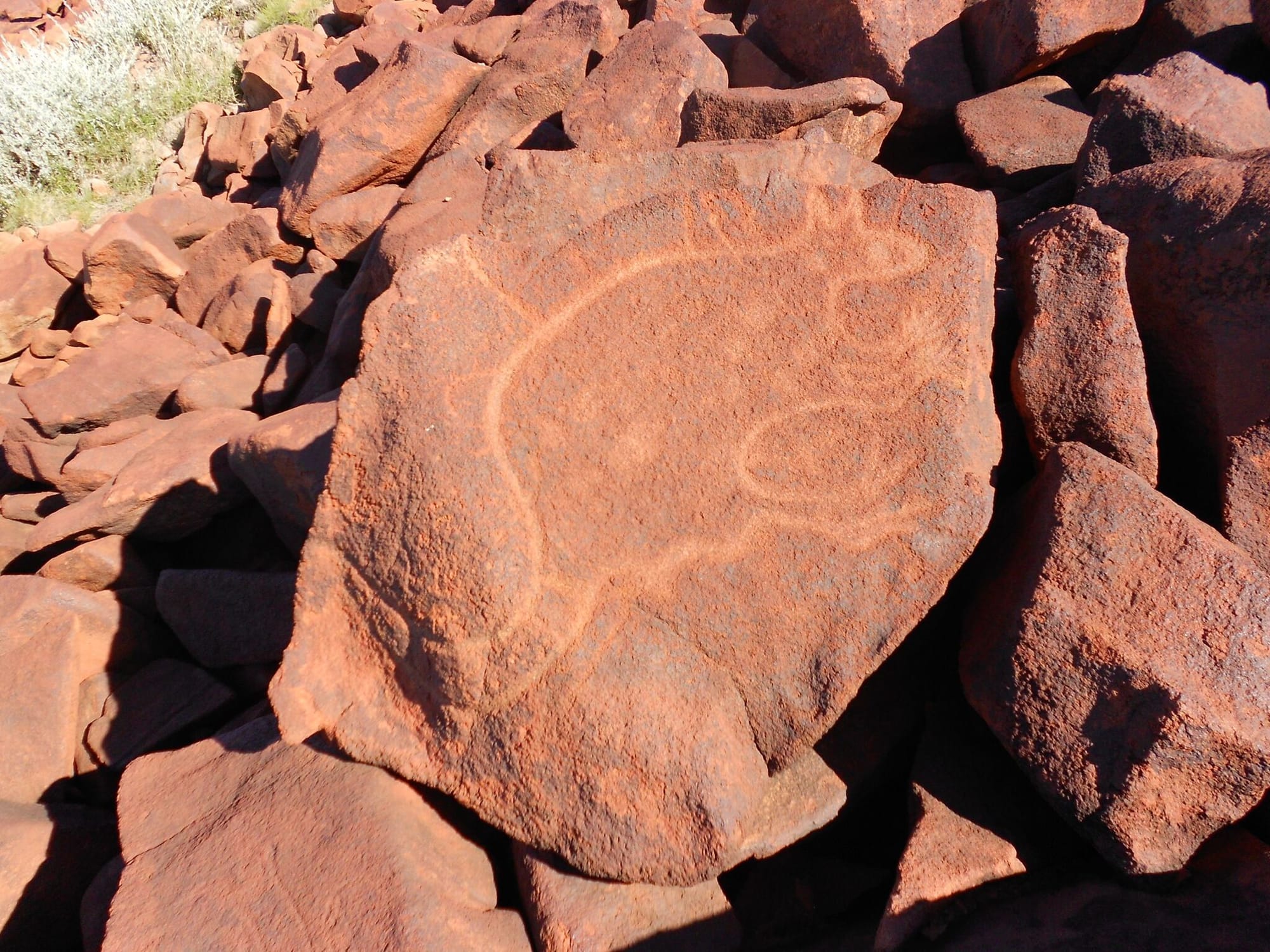
UNESCO approves World Heritage listing for rock art site in Western Australia. Murujuga, a 1.000 km² property in Western Australia that holds the world’s densest concentration of rock art, has been added to the UNESCO World Heritage list. Home to over a million petroglyphs carved by First Nations over tens of thousands of years, it means Australia now has two World Heritage sites exclusively listed as Indigenous sites of outstanding universal value to all humanity. ABC
Timor-Leste, one of the poorest countries in the world, has eliminated malaria. "A defining national triumph – driven by bold leadership, tireless efforts of health workers, and the resolve of its people. As a young nation, Timor-Leste stayed focused – testing, treating, and investigating swiftly. Ending transmission and maintaining zero deaths takes more than science; it takes grit. This victory protects generations, present and future, and shows what a determined country can achieve." WHO
The European Commission has added American mink to the Invasive Alien Species of Union Concern list, which bans keeping and breeding from July 2027. Citing animal welfare, ecological risk, and pandemic threats., the move comes from a successful citizens’ initiative and years of pressure from member states. If adopted into law, it will effectively end mink farming across the EU, home to most of the industry’s remaining capacity. Humane World
Smartphones now form world’s largest earthquake detection network. Google’s Android Earthquake Alerts System has turned millions of smartphones into a global seismic sensor grid. By detecting vibrations via phone accelerometers and triangulating signals, the system can issue warnings seconds before shaking arrives. Their alerts are now operational in 98 countries, offering low-cost protection where siren infrastructure is scarce. Ars Technica
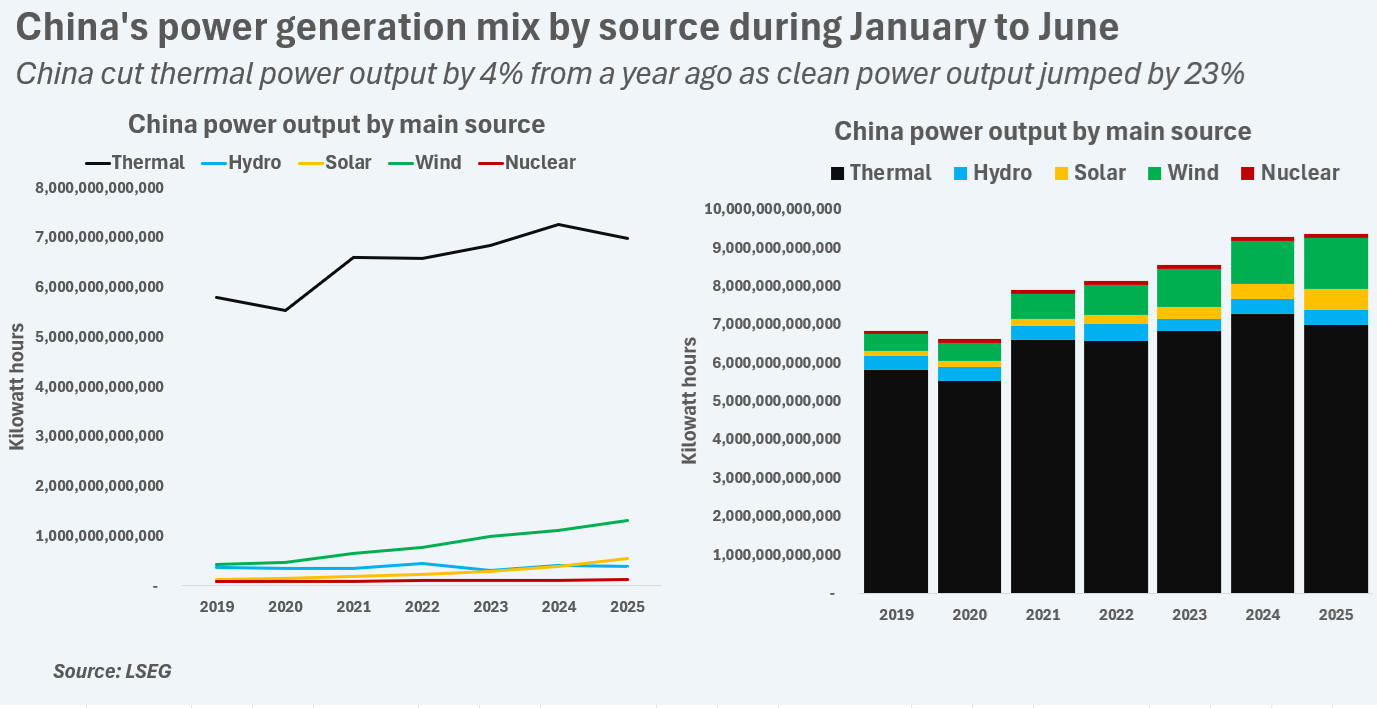
In good news we’re getting used to hearing because it keeps happening, China cut emissions during the first half of 2025. A nearly 23% rise in clean energy generation during the first six months of the year was the main driver, as higher volumes of wind and solar reduced the output from fossil fuels. Still cannot understand why this is not the biggest climate story in the world right now. China's emissions are three times greater than the United States. Reuters
Meanwhile, India set a new record for solar and wind in first six months of the year: their 22GW of installations reflects policy momentum, falling technology costs, and rapid uptake by utilities...all of which means that in the world's most populous country, which is electrifying very rapidly, renewables are now outpacing coal additions by more than three to one. And in the United States, wind plus solar outproduced coal in May 2025, and also outproduced nuclear for the first time: the mix of all renewables (wind, solar, hydropower, biomass, geothermal) generated nearly 30% of electricity, second only to that of fossil gas, whose output dropped by 5.9% during the same month.
Canada will protect an area larger than Germany – 2% of the country, or 380,000 km² of land and water. The CA$300 million federal commitment, backed by CA$75 million in philanthropy, supports stewardship, Guardian programmes, and sustainable economies across 21 Indigenous governments, and represents a global milestone in returning land governance to its original caretakers. The Narwhal
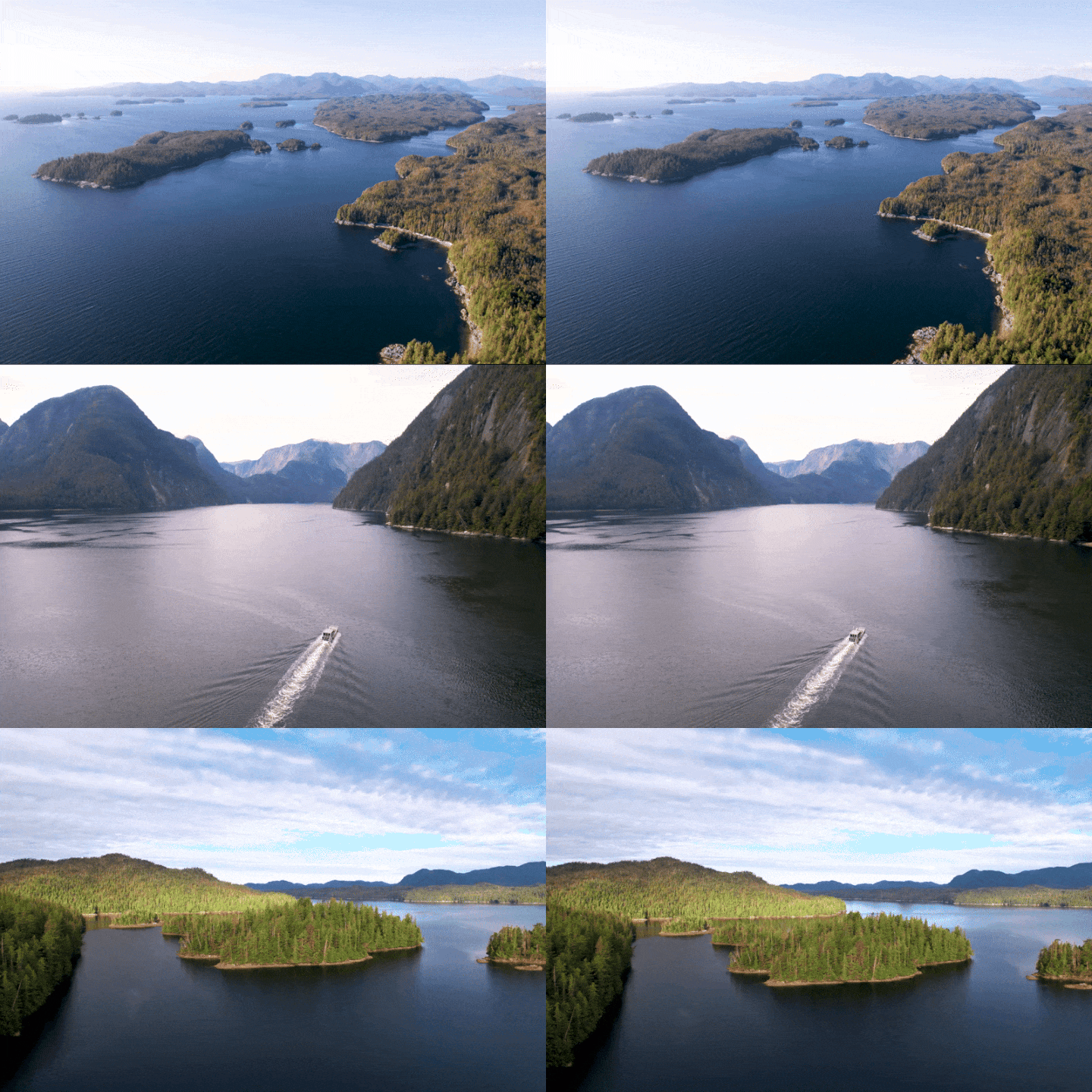
While you're at it, check out this Biographic piece about First Nations' protection of the Great Bear Sea – the "Galapagos of the North," a region of astonishing biodiversity. It’s the first marine area in Canada, and one of few places, land or sea, in the world, designed to be collaboratively managed by three levels of government: federal, provincial, and Indigenous, as represented by 17 coastal First Nations.
India’s leprosy cases drop by 41% in a decade. India has cut its annual leprosy caseload from 130,000 in 2012 to 76,000 in 2022, driven by decentralised diagnosis, multi-drug therapy, and awareness campaigns. The fall is steepest among children, with new cases down 59%. However, disability rates remain stubborn, and experts stress the need for post-treatment care and stigma reduction. Frontiers in Public Health
Dam busting is reopening New England’s mill rivers to salmon and sturgeon. From Maine to Massachusetts, towns are voting to rip out obsolete Industrial-Revolution structures, restoring floodplains and reconnecting spawning runs; the town of Camden even approved removing its historic Montgomery Dam, signalling a cultural shift toward 'free rivers' in the US Northeast. CS Monitor
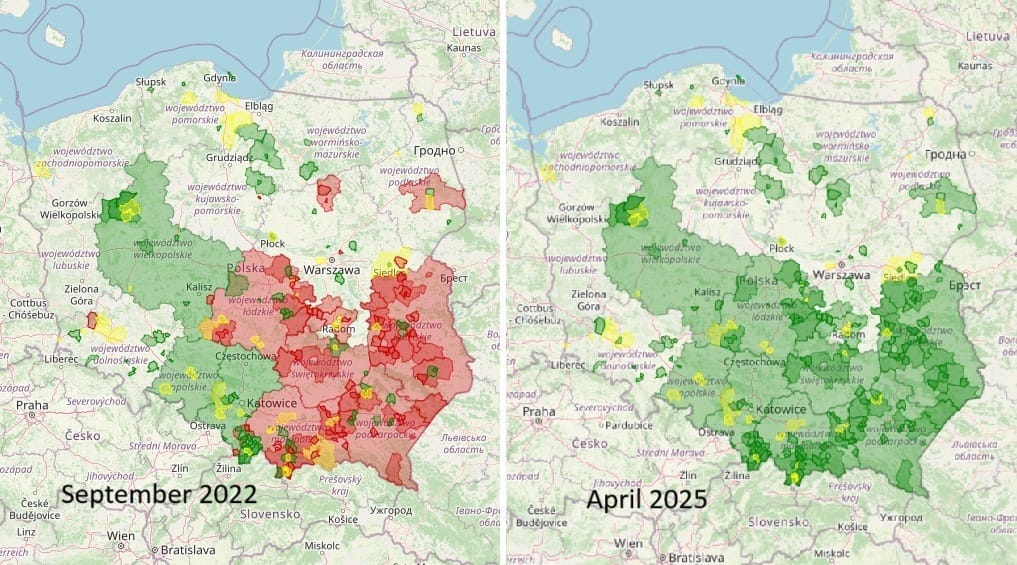
Poland repeals its last anti-LGBT+ resolutions. In 2019 and 2020, over 100 local authorities around Poland adopted sometimes-thinly-veiled anti-LGBT+ resolutions, declaring themselves free of “LGBT ideology” or pledging to “protect children from moral corruption.” Last week, the last of those declarations was revoked after the EU threatened to deny those regions funding, marking the end of Poland’s so-called 'LGBT-free zones.' Human Rights Watch.
Cranes and storks return in record numbers across Europe and Asia
From peatlands to paddies, three iconic bird species are making quiet comebacks. In Scotland, common cranes have reappeared after centuries, recolonising lost wetland habitat. In China’s Yunnan province, black-necked crane populations have hit a record high of 5,929, and Denmark just recorded the most white stork nestlings in over 50 years.
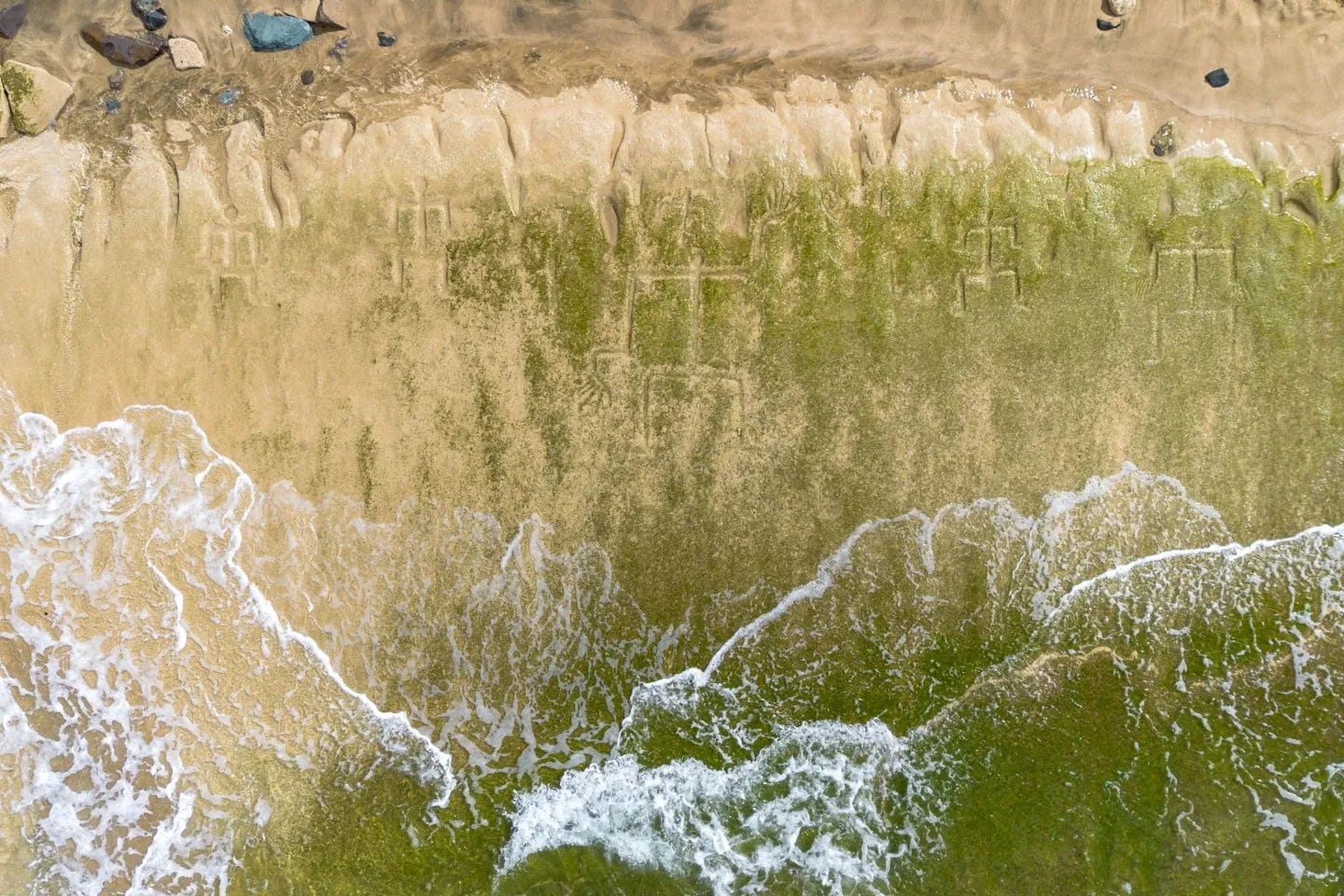
Exceptionally low tides have uncovered over 30 ancient petroglyphs on Hawaii’s Big Island, including human figures etched into lava rock. Likely carved by Native Hawaiians around 500 years ago, the site offers a rare glimpse into pre-contact cultural expression. Native Hawaiian cultural practitioner Glen Kila, who traces his lineage to the aboriginal families of this coastal Hawaii community, said he believes the resurfacing of the carvings are his ancestors "sending a message." AP
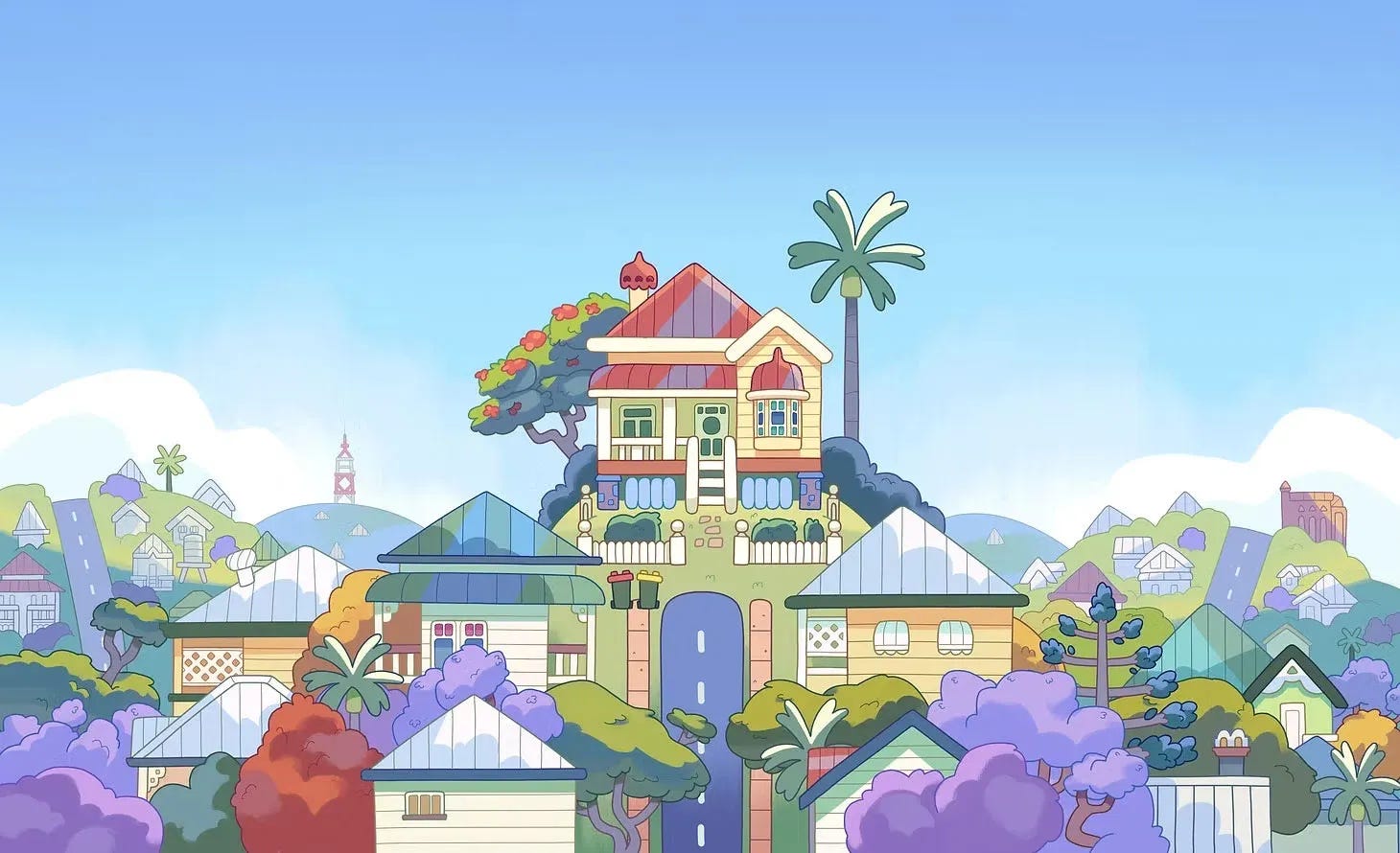
And finally, how art director Catriona Drummond built Bluey's world. Inspiration came from Queenslander houses, dollhouse proportions, and a visual language of big rounded rectangles. They banned obvious dog gags and used a 'reverse two‑point perspective' to keep spaces open without losing depth. The sets instantly evoke Brisbane's golden roofs, electric‑blue shadows, jacaranda and poinciana. Wonderful. Even better, she's got an entire series on this.