

298: Orbital Supercomputer
'Houston, those labels aren't in English.' Plus, global suicide rates are down, a massive new ecological corridor in Kyrgyzstan, a quiet victory for LGBTQ rights in Lithuania, and a ton of bad news for the coal industry.
This week's top stories
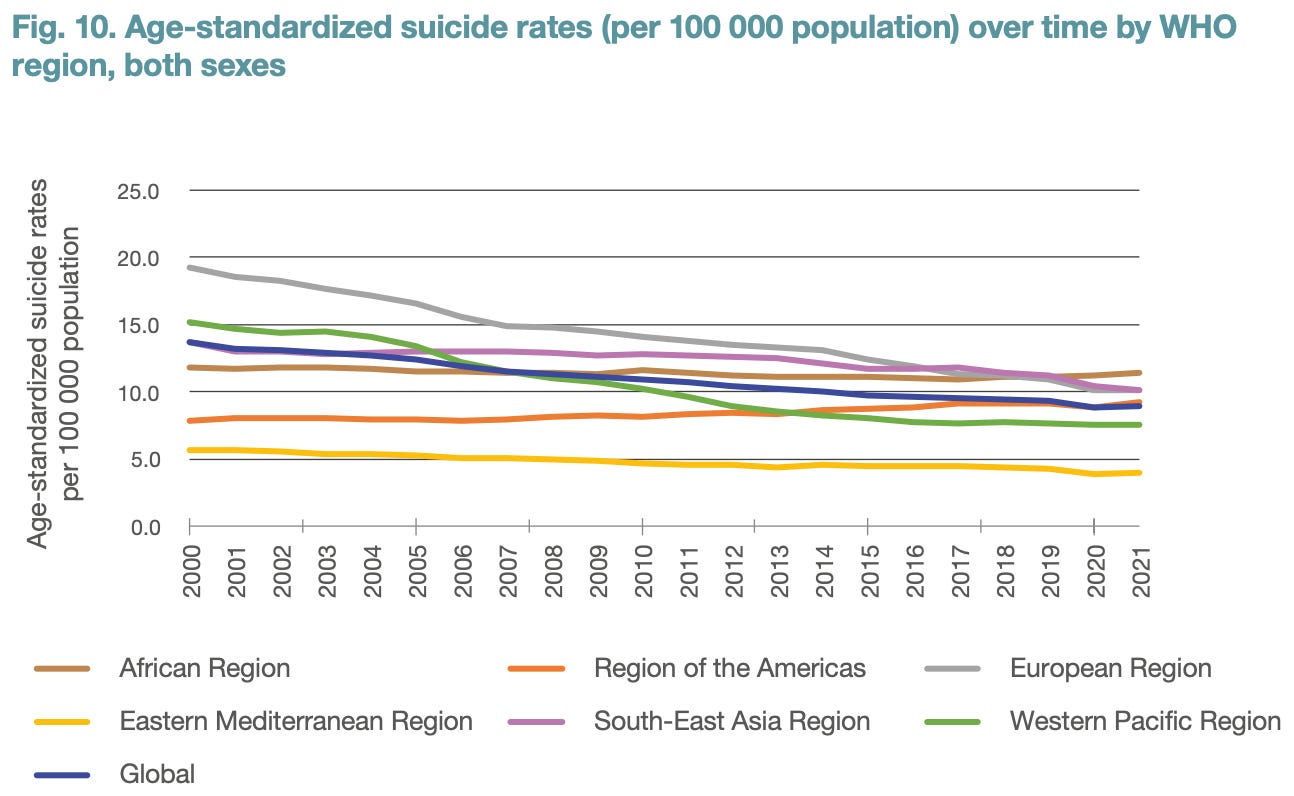
Global suicide rates have declined by 29% since 2000, marking a major but often overlooked public health success. Narrative violation alert: the drop has been most pronounced in high-income countries, with more gradual progress in others. The trend reflects expanding access to mental health care, public awareness efforts, and means restriction—but further gains will require deeper investment and cultural shifts, particularly in low- and middle-income countries. WHO
In a rare consensus move, member states of the World Health Organisation have approved a 20% increase for the 2026–27 budget. The agreement represents a shift toward more predictable, stable funding for global health governance. China will become the new top funder of the WHO, overtaking the United States, with a commitment of $500 million over the next five years. The support is earmarked for global health initiatives including pandemic preparedness and disease control in low-income countries.
Peru’s Supreme Court has upheld the land rights of the Kichwa people, affirming their legal claim to ancestral territories in the Amazon. The case is a major precedent for Indigenous land tenure and will protect thousands of hectares of primary rainforest from logging and mining. AP
The Central African Republic has reached a new peace accord with key rebel factions, aimed at ending years of violence that have displaced hundreds of thousands. The deal includes disarmament provisions and political integration for former fighters. While fragile, the agreement signals renewed momentum toward reconciliation in one of the world’s most unstable nations. Jeune Afrique
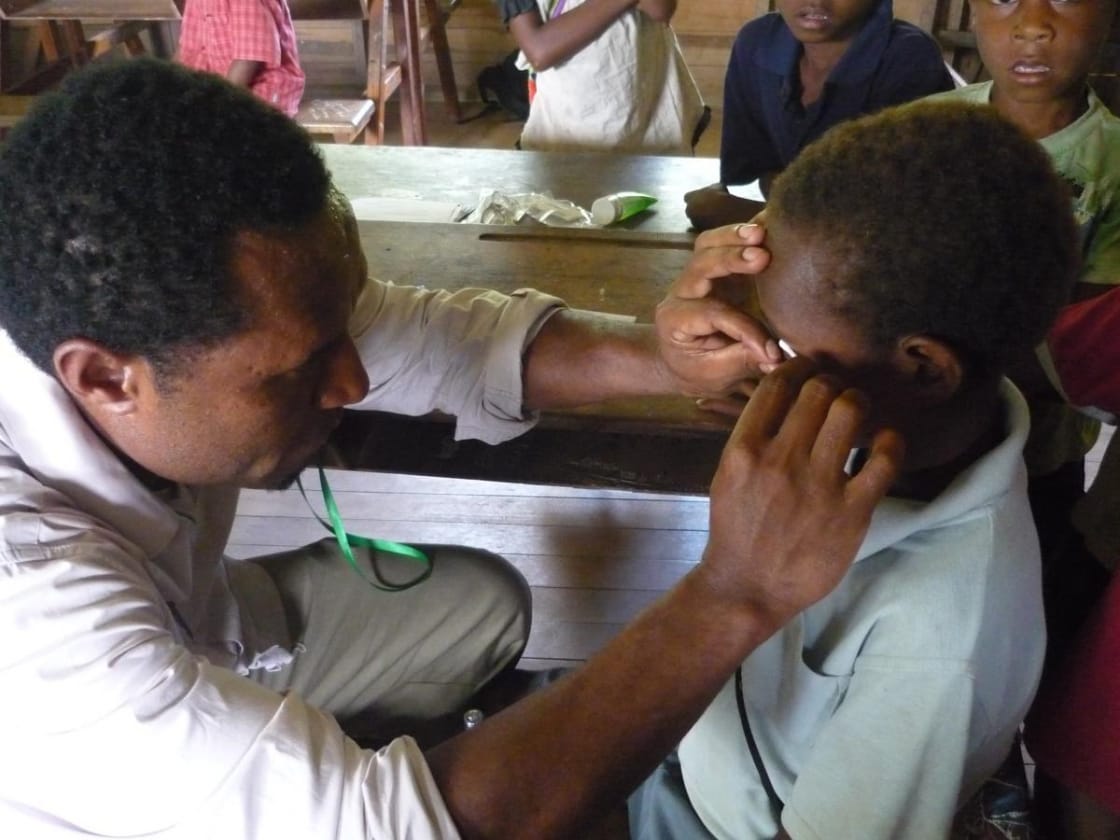
Papua New Guinea and Mauritania have both eliminated trachoma as a public health problem, joining a growing list of countries defeating the world's leading cause of infectious blindness.
Bad news for the coal industry is good news for the planet...
China’s coal industry is facing a structural unraveling: prices are falling, inventories are ballooning, and power demand is shifting to wind and solar. In April 2025, thermal generation dropped 2.3% year-on-year. Analysts say the sector is now in a ‘vicious cycle’ of oversupply and obsolescence—accelerating a transition thought decades away. Bloomberg
Australia’s coal outlook has dimmed amid shrinking orders from Asian buyers. Regional decarbonisation, rising competition, and energy diversification are eroding export volumes. Analysts warn the sector’s long-term viability depends on restructuring, not price rebounds. The trend is part of a broader shift in Asia’s energy mix. Hellenic Shipping News
Russian coal exports declined by 10% in 2024 amid tightened sanctions, shipping constraints, and waning demand in Asia. As EU markets are now largely closed to Russian coal, this trend is expected to continue. The Moscow Times
Sri Lanka has enacted the Proceeds of Crime Act, giving authorities new powers to seize illicit assets and prosecute high-level corruption. The legislation creates a legal pathway for recovering stolen public funds and aligns the country’s laws with international anti-money laundering standards - a critical step in restoring public confidence after years of impunity. Economy Next
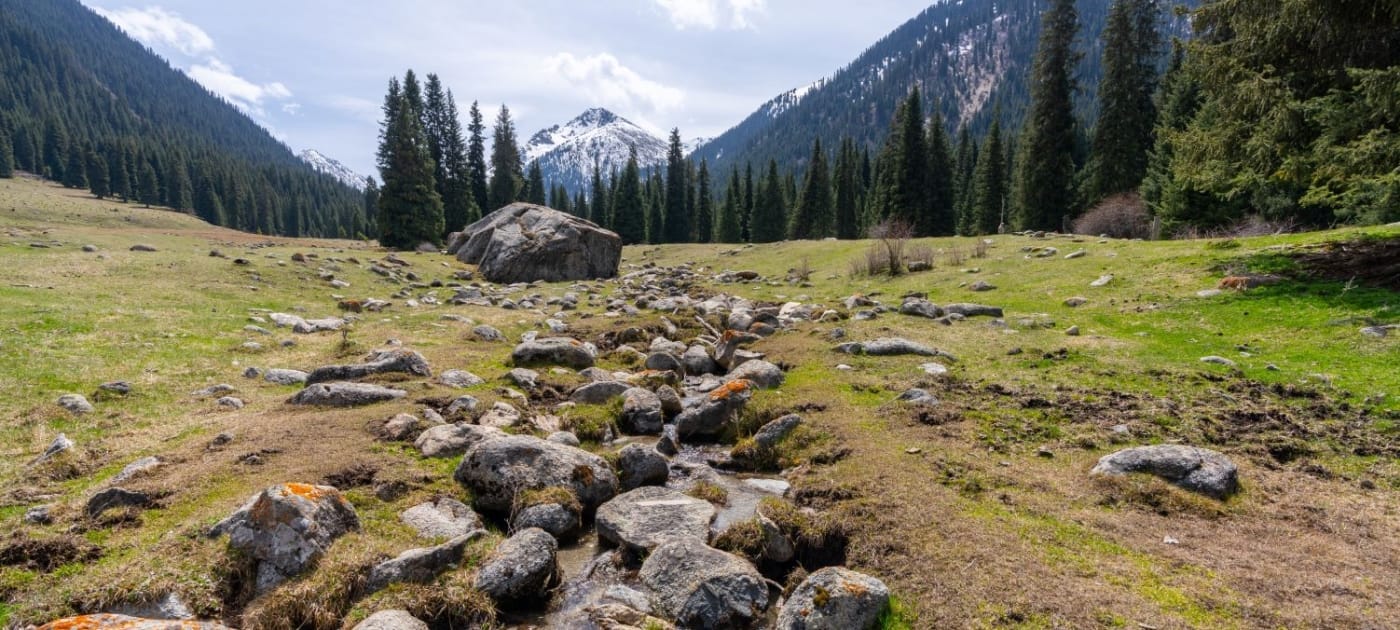
Kyrgyzstan creates vast ecological corridor for species migration. The Kyrgyz Republic has designated an 8,000 km² ecological corridor linking protected areas across snow leopard range in the Tian Shan mountains. The corridor allows species to move freely through fragmented habitats, boosting resilience in the face of climate change and habitat loss. It’s the largest ever landscape-level conservation effort in Central Asia. UNEP
EU court rules marine protected areas must be shielded from trawling. The European Court of Justice has ruled that member states must enforce fishing bans in marine protected areas, specifically targeting bottom trawling. The decision will protect vital seafloor ecosystems and set a precedent for stronger enforcement of MPAs across Europe. Oceanographic
‘Climate superfund’ laws that charge polluters pass in four U.S. states. Maryland, New York, California, and Vermont have enacted laws requiring fossil fuel companies to pay for climate damages, modeled on the Superfund toxic cleanup framework. The statutes aim to shift financial responsibility for climate adaptation from taxpayers to polluters. Legal experts say it could trigger a nationwide reckoning over carbon liability. Grist
Individualised cancer therapies mark end of one-size-fits-all treatment. Take a look at this extraordinary Undark piece about how personalised cancer treatments are redefining oncology. Once considered moonshots, these therapies are now curing or extending survival in previously untreatable cancers and may mark the beginning of a systemic transition from 'statistical medicine' to 'medicine tailored towards biological specifics.'
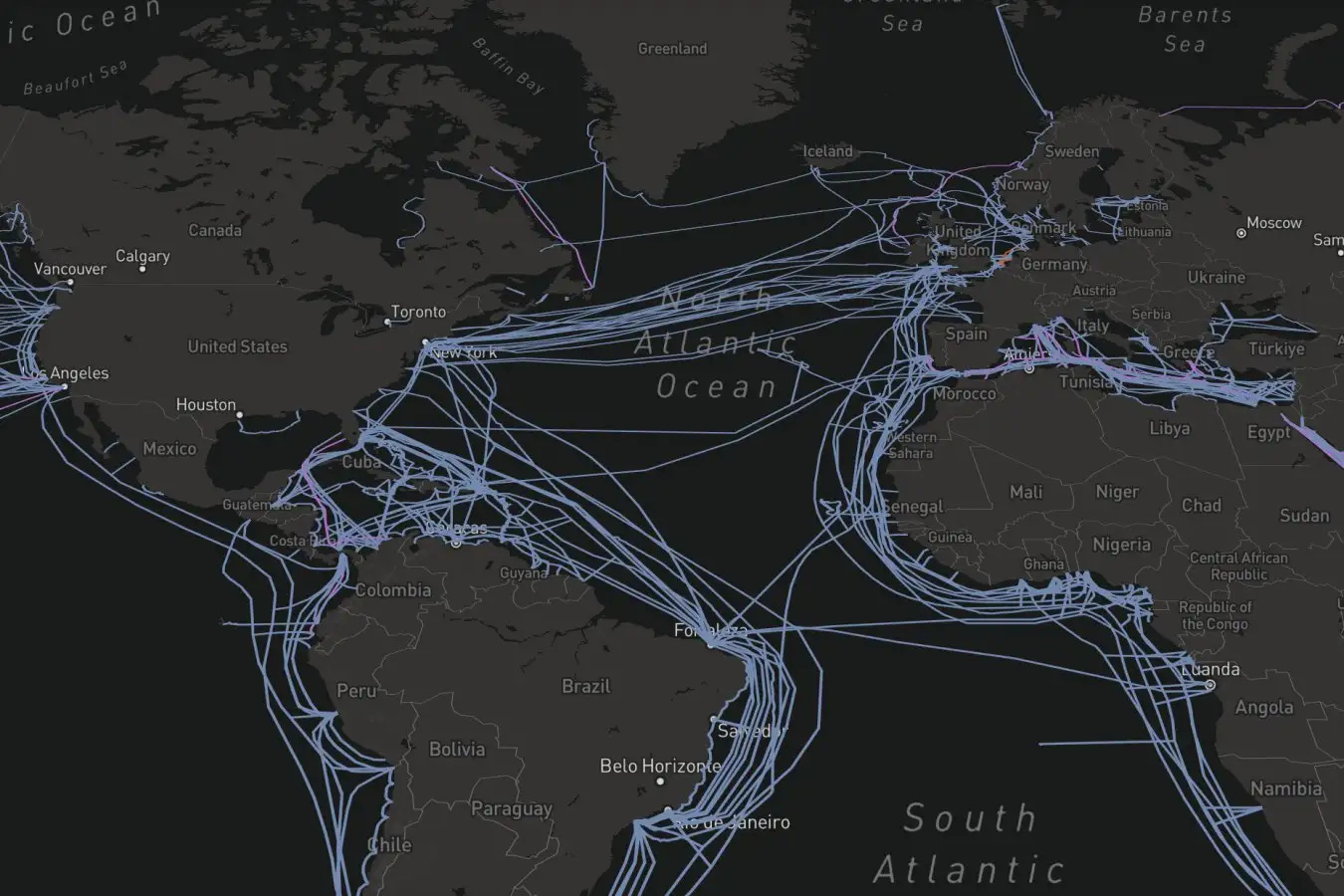
Researchers are repurposing the planet’s vast network of fibre-optic cables to detect underground vibrations and map Earth’s interior in real time. Pulses of laser light can register tiny disturbances in the glass fibres allowing scientists to monitor earthquakes, volcanic systems, and even the boundary between crust and mantle. Projects in Istanbul and Athens have already produced street-level seismic risk maps, while U.S. teams are imaging deep fault lines and geothermal reservoirs. With 4 billion kilometres of cable laid across cities and oceans, this method could radically expand subsurface monitoring—transforming our understanding of Earth’s hidden architecture. New Scientist
Asiatic lion population reaches record high in India’s Gir Forest
India’s Asiatic lion population has climbed to 674, the highest number recorded since recovery efforts began. Concentrated in Gujarat’s Gir Forest, the species has rebounded from near-extinction thanks to strict anti-poaching laws, community patrols, and expanding habitat protections. Gir remains the only place on Earth where these lions live in the wild. The Hindu 🗄️
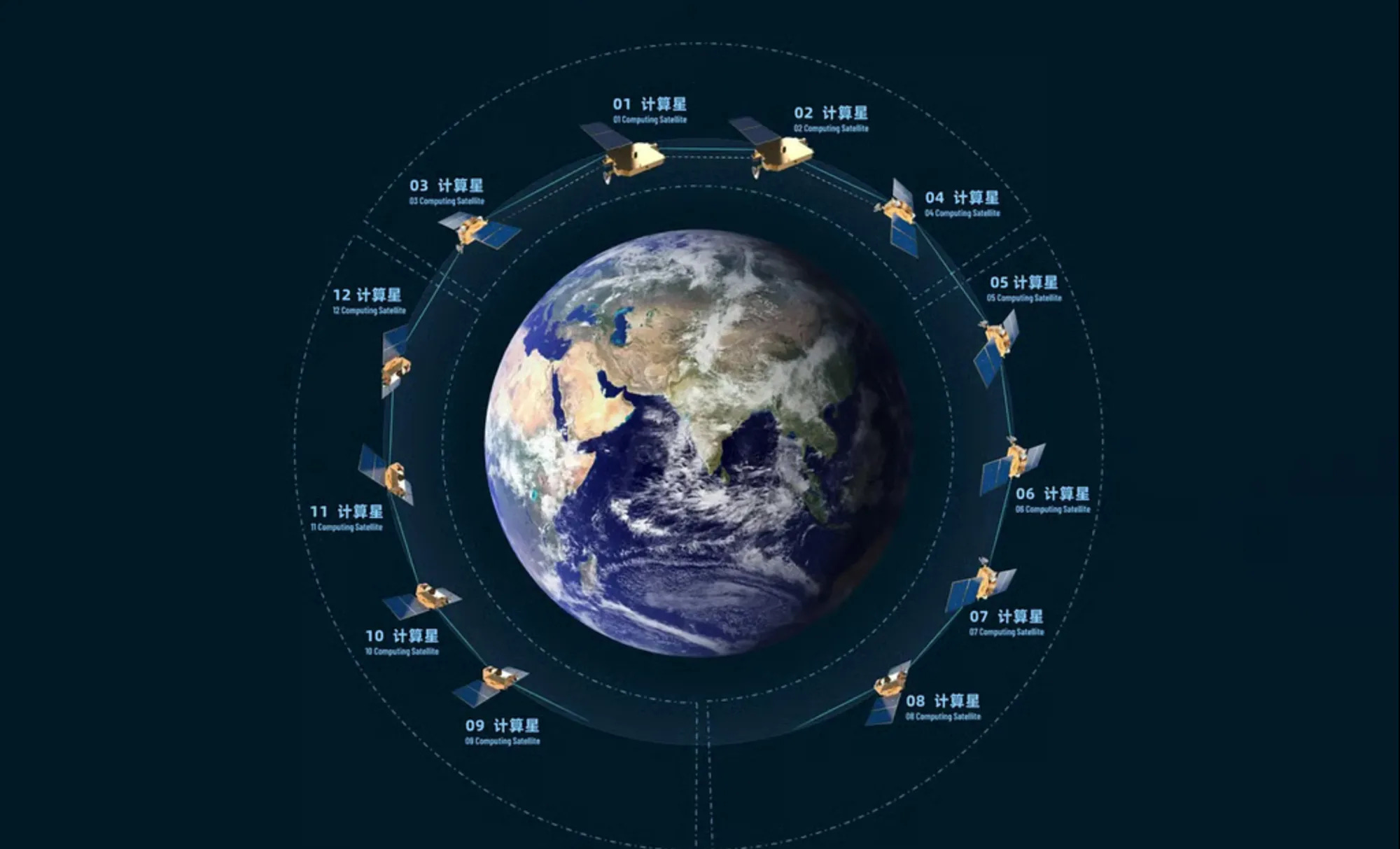
China begins assembling first-ever supercomputer in Earth orbit.
Yes, you read that right: the first components of an orbital supercomputer have been launched into space. SCMP 🗄️
“Our goal is to build lightweight, high-performance orbital data centres that improve solar energy utilisation and provide computing support for future space exploration and scientific research."
…and in more cyberpunk headlines, scientists have created the first spider that produces silk that glows red under UV light. By splicing coral DNA into orb-weaver spiders, researchers created a biohybrid material with potential uses in sensors, textiles, and optical tech. New Atlas
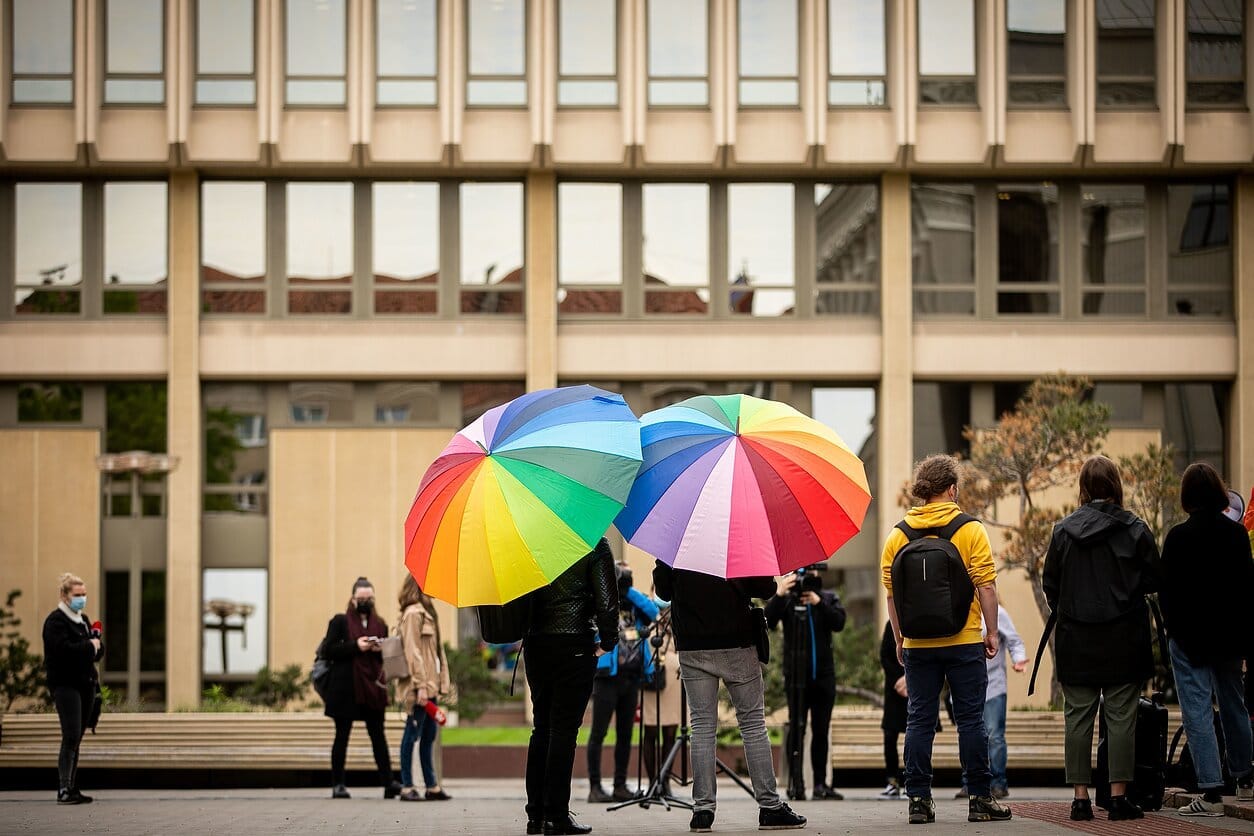
Lithuania’s Constitutional Court has ruled that the exclusion of same-sex couples from legal partnership violates the country’s constitution. The decision compels lawmakers to extend civil protections to LGBTQ+ families for the first time - a long-overdue affirmation of dignity and legal equality in one of Europe’s most conservative legal environments. Baltic Times
🤦♂️
CORRECTION
Last week we shared data from the Washington Post about how mass shootings have declined precipitously in the United States in 2025. However, what the article fails to mention is that school shootings are not counted, because schools are not considered to be public places. When they are included, there have been 117 mass shootings this year, which is still significantly less than the ~168 for the same period last year, but still a shocking number.
Thanks to reader McKinley V. for pointing this out.
Progress
England becomes first country to roll out gonorrhoea vaccine
Following promising results in trials, England has begun deploying the world’s first vaccine against gonorrhoea, targeting young adults through national clinics. With drug resistance rising, the vaccine arrives just in time to stem a looming public health crisis, and also sets the stage for future STI vaccine development. The Guardian
Lower-income countries commit $250 million to immunisation efforts
In a historic first, low-income and lower-middle-income countries have pledged $250 million of their own funds to support childhood immunization through Gavi. The commitment marks a major milestone in domestic ownership of public health financing, and reflects growing political will to prioritise vaccines despite tight budgets. Gavi
In other excellent vaccine news….
As you're reading this, Pakistan is carrying out a nationwide polio vaccination campaign to protect 45.4 million children under the age of five across the country. Over 400,000 frontline workers will be out in the field going door-to-door to ensure no child is left behind. X
Last year, two preventative shots for respiratory syncytial virus (RSV) – the leading cause of infant hospitalisation in the U.S. – became widely available. Preliminary CDC data now shows RSV-related hospitalisations fell by 28% and 43% during 2024–2025 compared to 2018–2020, with the most protection observed in infants under 12 months. Reuters
Before rotavirus vaccines, the diarrhoea-causing contagious disease caused half a million deaths annually. In 2009, the WHO recommended the vaccine for national immunisation programmes. Countries that introduced the vaccine saw a 59% drop in hospitalisations and a 36% decline in deaths from severe diarrhoea in children under five, as well as millions saved in healthcare costs. DEFEATDD
Health workers in Malawi’s Blantyre, a densely-populated typhoid hotspot, are reporting reduced hospitalisations, increased uptake, and less vaccine hesitancy since Malawi added the typhoid conjugate vaccine to its routine immunisation schedule in May 2023. Gavi

Chile is undertaking wide-ranging reforms to strengthen its social safety net, targeting 2.2 million of the most vulnerable people in the country. The program includes improvements to education, healthcare, and cash transfer systems, and is part of a broader agenda to reduce inequality and rebuild trust following years of social unrest and protest. World Bank
In South Sudan, 370,000 farmers—two-thirds of them women—have revived their livelihoods following the 2021 locust outbreaks. Backed by a $143 million World Bank initiative, they’ve expanded cultivated land, introduced sustainable methods, and rebuilt local food systems. The program not only restored harvests but strengthened communal resilience in areas repeatedly hit by conflict and climate shocks. World Bank
After a seven year campaign, Pakistan’s Senate has passed a landmark bill banning child marriage in Islamabad Capital Territory, setting a precedent for national reform. The legislation introduces criminal penalties for offenders and aims to serve as a national precedent. Rights advocates say it’s a major victory in the long fight to protect girls’ rights and end underage unions. The Guardian
A child deserves to learn, play and grow, not bear the weight of adulthood. This law is a step forward, but true success lies in the lives we protect and the dreams we nurture. Let’s uphold the law in both letter and spirit, ensuring no girl in Pakistan is ever forced into marriage again.
Dr Sharmila Faruqi, Member of the National Assembly
If it bleeds, it leads
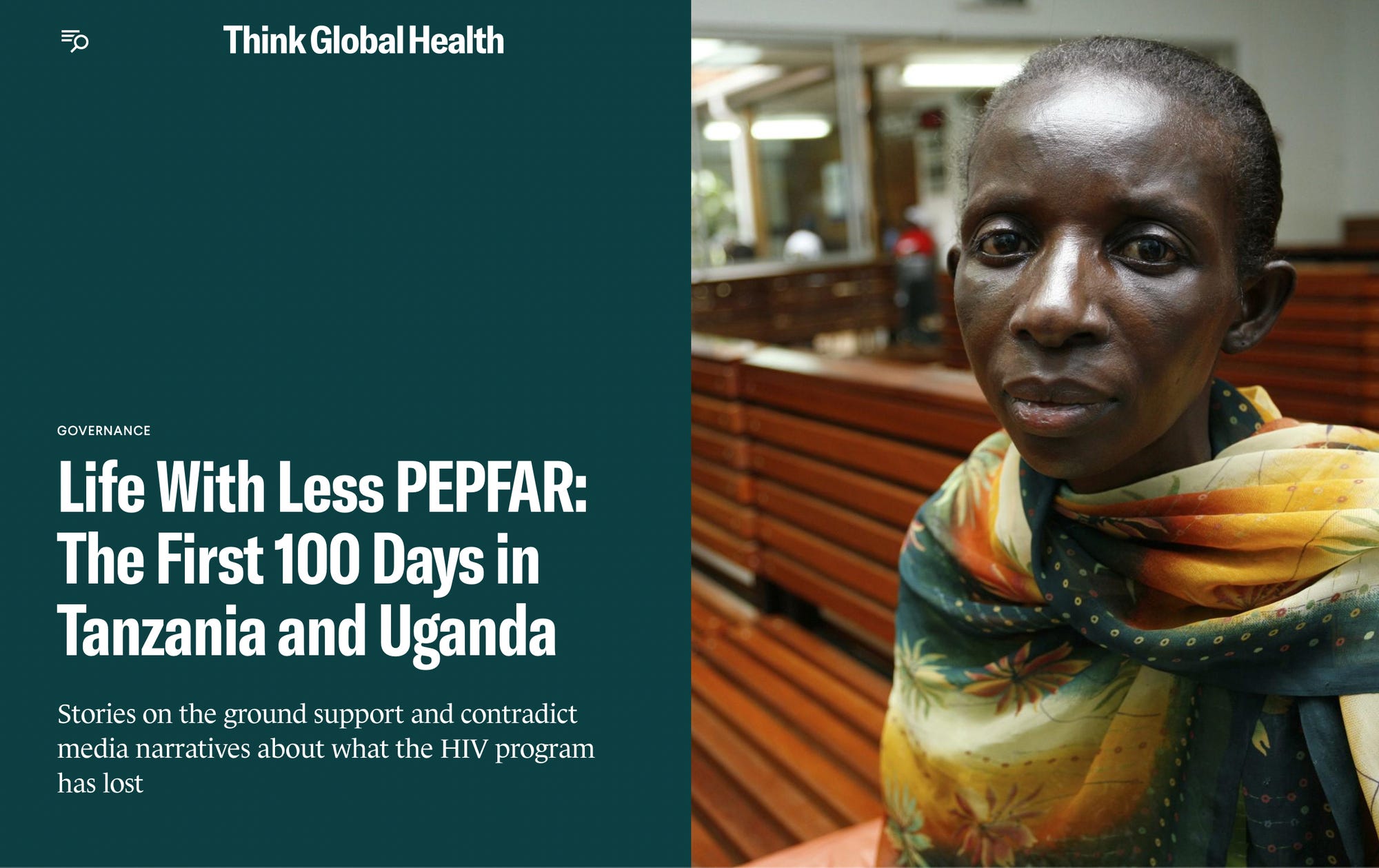
Emily Bass, author of To End a Plague: America’s Fight to Defeat AIDS in Africa.
In a completely understandable effort to demonstrate the impact, many stories focus on people with HIV who are severely ill or have died in the past five months. But a disproportionate focus on instances of death and severe disease related to cuts could backfire and imperil the living.
A predominant and misleading narrative is that the collapse of USAID has caused a proportional collapse in provision of antiretrovirals. During my trip, I spoke with clinicians and clients linked to at least 17 ART treatment clinics. All but one of those clinics still had antiretroviral drugs on its shelves.
In places where USAID was supporting such efforts, the wait times have lengthened, the staff are exhausted, and stigma is often heightened for people such as sex workers and men who have sex with men. The drugs were still there, though, for those who could endure the new conditions.
This state of affairs is not good news. It is merely a qualitatively different calamity from the one most often described in American media coverage.
Environment & Conservation
I arrived at company of good people
I sat down to sing devotional songs (naam)
I heard the words of the Hargila
Which are like drops of nectar.
The Hargila builds nests on tall trees
We should not cut these down
Autumn is the season of laying eggs
They build the nests during this season
When Purnima Devi Barman first saw a tree full of baby hargila felled, she "felt torn as a mother and not a researcher." As scavenger birds, the storks were constantly harassed, and Barman realised that to save the hargila she had to change how her local culture saw the bird. And so she founded the 'Hargila Army,' a group of women dedicated to rehabilitating the bird's image: from a "dirty, smelly bird," despised for eating bones, the hargila was recast as a patroness of motherhood. Now Hargila Army members sew stork motifs onto clothes, pen prayer songs, and hold baby showers for mothers. The result? Stork numbers in the area have skyrocketed, and the IUCN just reclassified the hargila from endangered to near threatened. Mongabay
Deforestation in Brazil fell by 32.4% in 2024, the sharpest decline in years, according to satellite monitoring by MapBiomas. In actual numbers, that means that 5,959 km² less deforestation occurred in 2024 than in 2023. The reversal is attributed to stronger enforcement, remote sensing, and renewed political commitment to conservation under the current administration. Mercopress
Germany’s water reserves benefit from phaseout of nuclear and coal. Germany’s growing reliance on wind and solar is reducing water withdrawals once used for cooling coal and nuclear plants. This shift is easing pressure on rivers and aquifers during droughts, showing unanticipated environmental benefits beyond emissions cuts. Clean Energy Wire
Pará state slashes pollution 29% over 20 years in Brazil's Amazon belt. Pará, one of Brazil’s most ecologically vulnerable states, has reduced atmospheric pollutants by nearly 30% since 2003. Tightened emissions rules, reforestation programs, and shifts to cleaner fuels have underpinned the progress. In a region often seen as a flashpoint for environmental harm, this is proof that long-term, local policy can produce sustained environmental recovery. Agência Pará
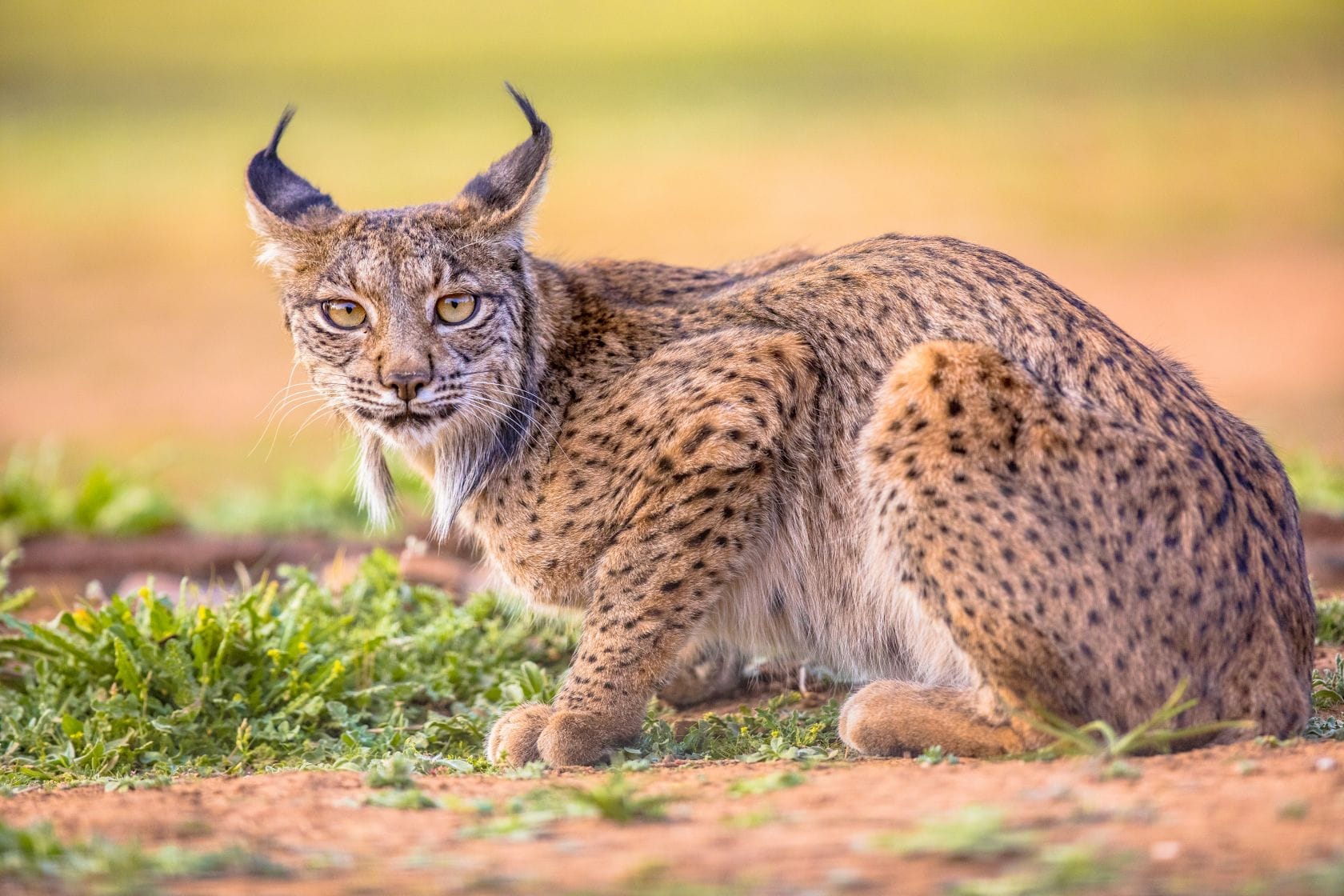
The number of lynx in the Iberian Peninsula increased by 19% in 2024, reaching 2,401 animals. Once the world’s most endangered feline, the Iberian lynx is now off the critically endangered list, thanks to re-wilding programs across Spain and Portugal. The recovery—built on habitat corridors, captive breeding, and rabbit population support—marks one of Europe’s greatest wildlife turnarounds. Portugal News
After substantial recoveries, China has delisted 34 species from its national endangered species list, including the crested ibis, Chinese alligator, and Reeves’s pheasant. The progress reflects decades of captive breeding, habitat protection, and anti-poaching campaigns. Officials say it’s the most comprehensive update to the list since its inception. China Daily
"A massive investment of time and money is letting nature return." The north shore of Lake Superior at Thunder Bay, once a heavily polluted site of pulp mills and coal piles, has been transformed over the last 40 years into a thriving wetland and community space. The restoration included shoreline regrading, native species planting, and community-led stewardship. The Narwhal
Western quolls and possums thrive a decade after reintroduction. Ten years after their reintroduction into Australia's Ikara-Flinders Ranges, western quolls and brushtail possums are thriving in restored habitats. The project has led to stable populations, with the animals now playing key roles in the park’s ecological dynamics. The success underscores the long-term payoffs of patient rewilding. The Guardian
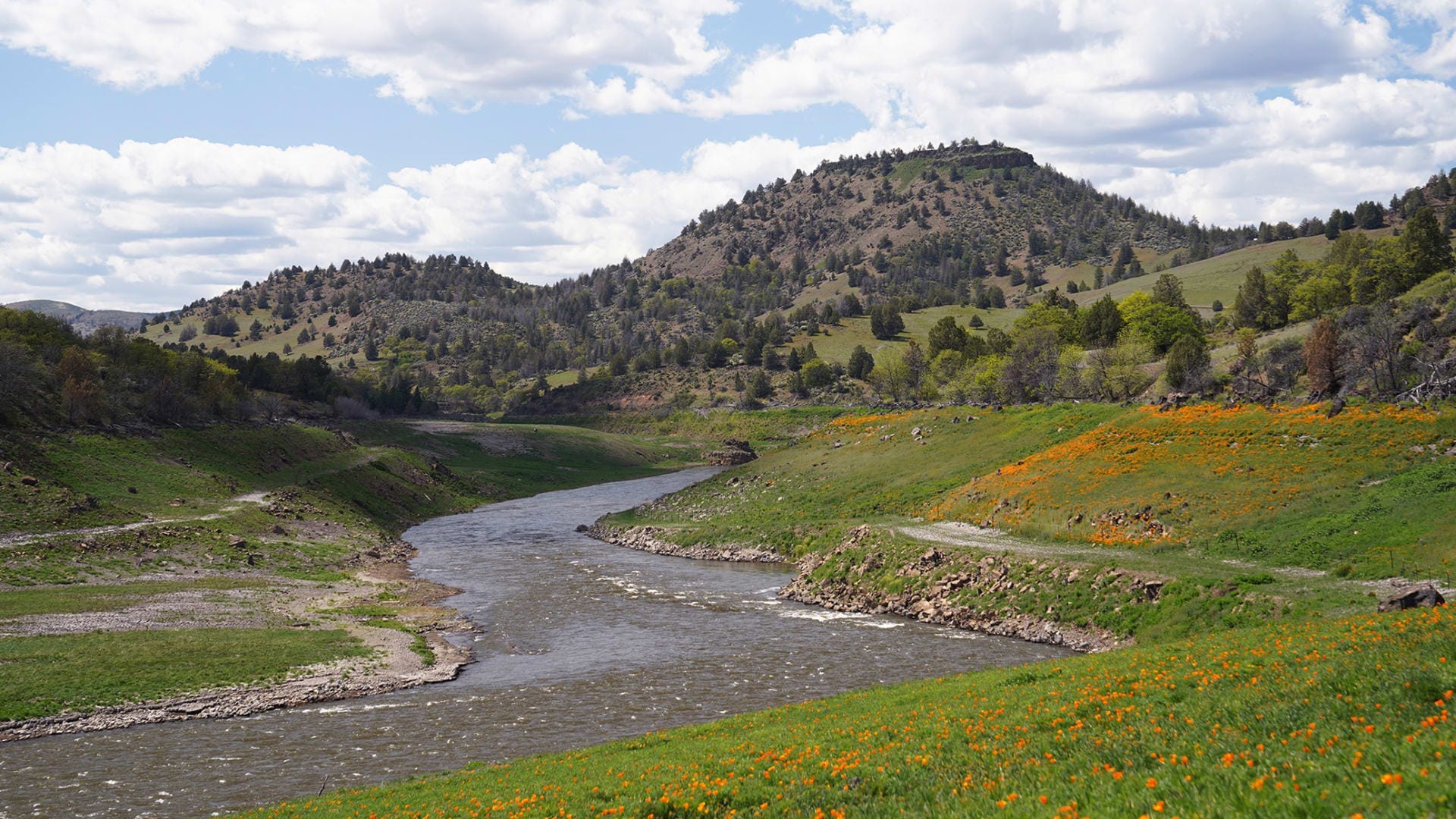
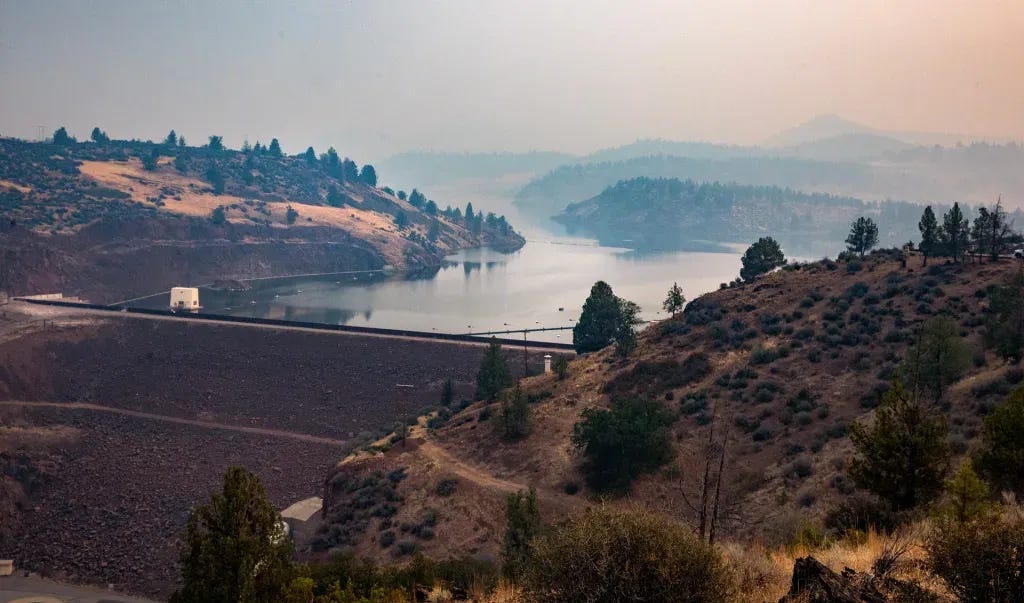
New images from the Klamath River show dramatic ecological revival just months after the removal of four major dams. Native fish are returning, riverbanks are stabilising, and riparian vegetation is rapidly regrowing; these stunning photographs offer a rare glimpse of how quickly ecosystems can rebound when given the chance. Fast Company
Energy & Climate
EU fossil gas imports fall sharply as demand and dependency drop. Since 2021, the EU has reduced its gas imports by nearly 100 billion cubic meters—driven by lower demand, warmer winters, and renewables expansion. Russian gas, once central, is now marginal. The shift marks the fastest and deepest reduction in fossil fuel dependency in European history, with lasting geopolitical and climate consequences. IEEFA
China installs record 60 GW of solar as rooftop adoption explodes. In Q1 2025, China added 60 GW of solar (its highest quarterly total ever) with rooftop installations contributing 36 GW. The surge was driven by relaxed grid rules, faster permitting, and a shift toward decentralised energy. The rooftop stuff is a big deal here - it signals a fundamental change in how solar is embedded into urban infrastructure, reshaping both policy and daily life. Renewables Now
Solar power to overtake nuclear globally for first time in 2025. For the first time, global electricity generation from solar is expected to exceed nuclear energy in 2025. Massive capacity additions in China, the U.S., and India are behind the shift. The milestone signals a historic handover from legacy baseload systems to scalable, decentralized renewables. Reuters/Ember

Meanwhile, countries are starting to get serious about transmission:
In this week's 'elections have consequences' news, Canada has introduced a national permitting overhaul to accelerate its deployment of clean energy and crucially, transmission. The changes are a response to the bottlenecks that have slowed the country’s climate goals, aiming to shorten timelines from years to months. It also marks a strategic pivot—from policy ambition to implementation—at a moment when grid-scale buildout is urgent and unavoidable. ReNews
California has released a detailed strategy to achieve a 100% clean power by 2045. Already sourcing 60% of its electricity from zero-carbon sources, the state is now turning its focus to transmission, workforce, and equity. RMI
Across the pond, the UK's National Grid has announced a £60 billion investment over five years, from 2025 to 2030, to upgrade transmission infrastructure. The plan includes offshore wind connections, storage, and digital controls to handle variable renewables. The Times
Transmission operators from nine countries around the Baltic Sea have agreed to build a shared offshore wind grid—one of the largest regional clean energy cooperations in Europe. The project aims to reduce redundancy, lower costs, and enhance resilience. It’s a practical leap towards cross-border energy sovereignty. Smart Energy
Australia’s renewable surge reshapes energy landscape as coal wanes
Early 2025 has seen record-breaking growth in renewable energy, with grid-scale solar up 10%, rooftop solar increasing by 16%, wind generation rising 18%, and battery output surging 86% compared to the same period in 2024. This surge coincided with a decline in black and brown coal-fired generator availability, reaching new lows for the first quarter. Energy Magazine
And finally, we know this energy stuff can all seem a bit wonky sometimes - so here's a reminder of what it can mean for people. This is a video about what happened when a mini-grid solar project restored power to a community in Nigeria after a decade-long blackout.
Science & Technology
JWST detects earliest known galaxy, rewriting models of early cosmic structure formation. The James Webb Space Telescope has identified a galaxy from just 280 million years after the Big Bang, shattering previous estimates of how early galaxies could form. Its brightness and structure suggest that star formation began far sooner and more vigorously than existing models predict. Science Alert
Scientists messed around with LSD and invented a new brain-healing drug. Researchers tweaking the structure of LSD have stumbled upon a new compound with unique psychoactive effects in mice, distinct from classical psychedelics. The molecule activates serotonin pathways while avoiding LSD’s more chaotic effects, opening new avenues for neurotherapeutics and consciousness research (and, if we're lucky, recreation). Vice
Autonomous robot completes soft-tissue surgery without human hands. In controlled trials, STAR, an autonomous surgical robot, has sewn together a pig’s small intestine, sans human control. This is a big deal because soft-tissue procedures have long been considered too delicate for machines, and suggests autonomous surgical robots could soon assist in remote, under-served, or high-risk settings. IEEE Spectrum
To mark its 75th year, the U.S. National Science Foundation has released a portrait honouring its staff who pushed for inclusion, equity, and reform in the face of institutional inertia. The image centres unsung contributors who fought discrimination from within, reframing the agency’s history as one shaped not just by grants, but by internal courage. Management said no to doing the photo. Staff defied them and went ahead anyway. Science

A surprise symmetry detected in the spin behaviour of ultra-cold atomic gases could help reconcile competing models in quantum mechanics. The effect, hidden at higher temperatures, hints at deeper structural principles underlying matter’s behaviour—and may lead to more unified theories of particle interactions. Nature
Bar-tailed godwits and other migratory birds re-engineer their mitochondria—the cell’s powerhouses—to pack more energy into smaller volumes for marathon flights. A new study reveals how this adaptation allows nonstop migration from Alaska to New Zealand, without rest, offering insights into metabolic optimisation that could influence human health, aging, and endurance science. Quanta
Dolphin "chatter" is more like language than we thought. Researchers have discovered that bottlenose dolphins combine discrete calls into repeated, rule-like vocal sequences—a form of structured communication previously thought exclusive to humans and birds. The findings suggest that dolphins may use proto-syntax, offering tantalising insights into the evolution of language. Oceanographic
New sonar system maps the ocean floor in unprecedented detail and speed. Scientists (and a few startups) have developed a sonar imaging tool that creates ultra-precise 3D maps of the seafloor—without relying on costly ships. “The magic trick is using the acoustic data itself to correct navigation,” using algorithms that exploit time delays between adjacent pings to estimate motion. Science

That's it for this edition, hope you enjoyed it. We still can't get over that data on global suicides - trendlines vs headlines huh?
We'll see you next week.
With love,
The FTN team.