

295: Thanatogenic Anthrosoil
New metal band name unlocked. Plus, our latest charity partner, Tanzania's incredible electrification drive, oil majors abandon the playing field, the first Southeast Asian country to ban corporal punishment, and did someone just say LAZERS?

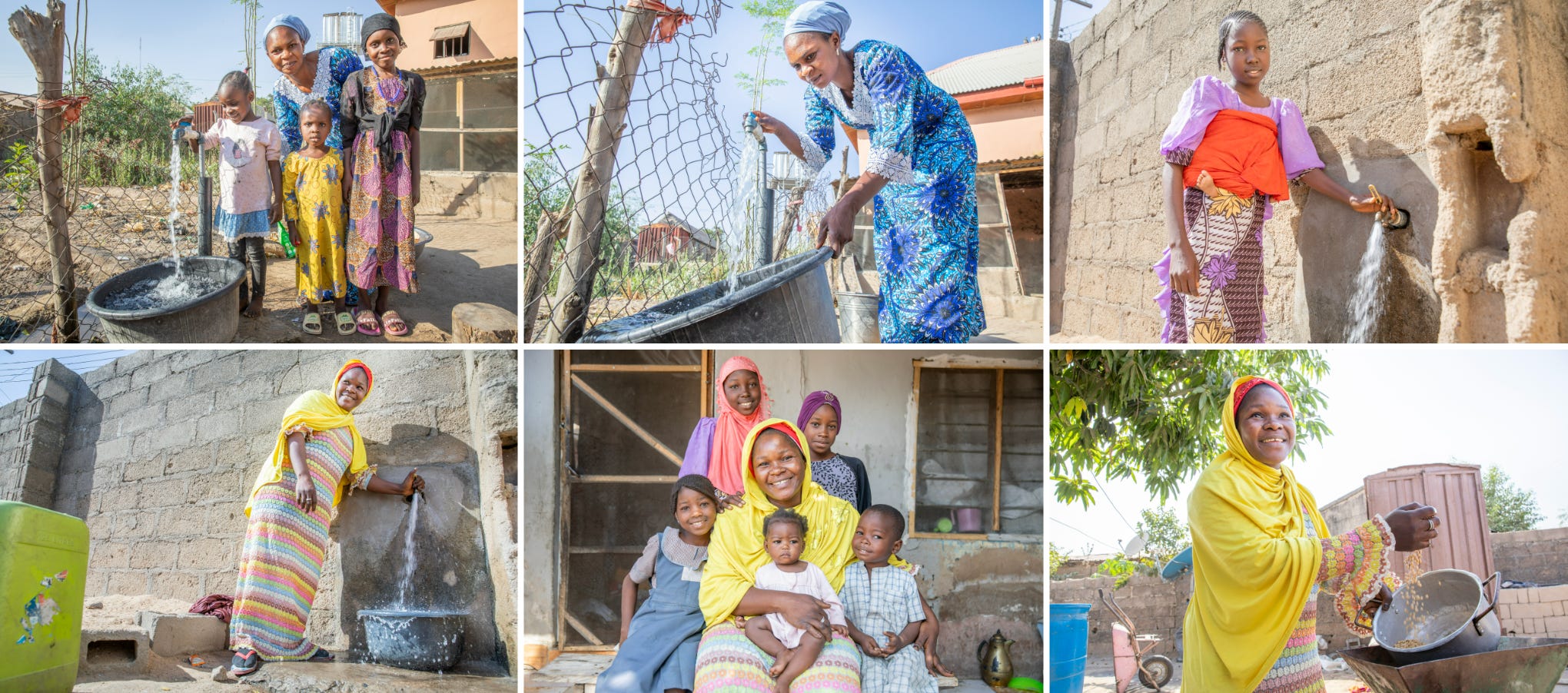
Hi everyone, following on from last week, we're delighted to announce our new charity partner. Thanks to the amazing team at PRO, we were able to identify a critical latrine rehabilitation project in Nigeria, reaching over 19,000 people in three northeastern states. It's part of a now-terminated USAID program that was constructing water and sanitation infrastructure across the region.
Some of the facilities that were built in the first phase of the project aren't working properly due to increased water demand, and need to be fixed or upgraded to reach more people. With funding withdrawn, the new infrastructure risks falling into disrepair—leaving vulnerable populations, schools, and clinics without safe sanitation.
The rehabilitation project, implemented by Mercy Corps, needs around $100,000 all up; at just $3.35 per person-year of access, this is an incredibly effective investment. We're chipping in $10,000, and several smaller-amount donors are also stepping up to fill the gap. Thanks to all our paid members for making this possible.
If you are an institutional donor, or you work in philanthropy, please take a look at the bigger list. There are so many crucial projects in there, but they need serious funding. We can't provide that level of support - but we know there are people reading this newsletter who can, or who know someone who can.
This week's top stories
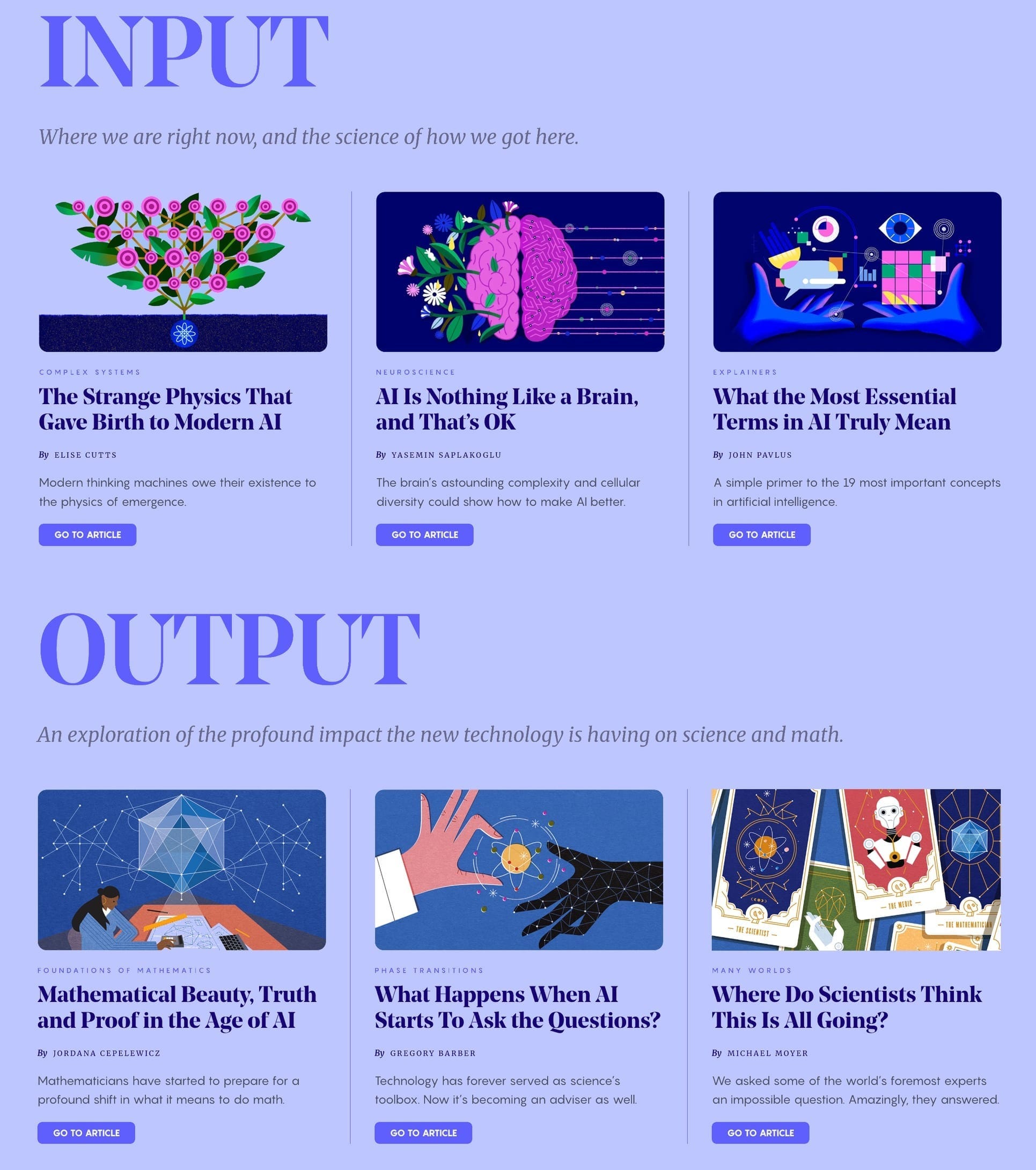
Quanta, probably the best science publication on the internet, has published a big new series on science and artificial intelligence. Amid all the noise and hype, this is a rare find - a reputable, evidence-based take on where things are at, and where they might be going. It's all free, no paywall :)
It started as a fantasy, then a promise — inspired by biology and animated by the ideas of physicists — and grew to become a powerful research tool. Now artificial intelligence has evolved into something else: a junior colleague, a partner in creativity, an impressive if unreliable wish-granting genie. It has changed everything, from how we relate to data and truth, to how researchers devise experiments and mathematicians think about proofs. In this special series, we explore how AI is changing what it means to do science and math, and what it means to be a scientist.
And no — you don’t need to worry about your carbon footprint when using ChatGPT.
Diabetes deaths in the United States are declining again, following a spike during COVID. In 2021, there were 103,294 deaths from diabetes, up more than 17% compared to 2019, and attributed to the link between COVID-19 and diabetes. However, researchers have tallied 94,294 diabetes deaths for 2024, suggesting that the country has recovered from pandemic-related peaks. CBS
A new brief from The World Bank confirms India’s stunning success in poverty reduction: Extreme poverty (living on less than $2.15 per day) fell from 16.2% in 2011-12 to 2.3% in 2022-23. In more tangible terms, that’s 171 million people lifted from the worst forms of deprivation. India’s five most populous states, home to 65% of the extreme poor in 2011-12, drove two-thirds of this nationwide decline.
Last year Lao PDR became the first ASEAN country to ban corporal punishment of children in all settings (there's a good backstory over here). There’s still a lot of work to be done - 23% of parents or caregivers in Lao still believe corporal punishment is necessary for raising a child - but over the past 12 months multiple ministries, supported by UNICEF, have worked to translate the law into everyday practice.

In this week's edition of Let There Be Light:
The Tanzanian government has set an ambitious goal of universal electricity access by 2030, and its progress, from a mere 14% national coverage in 2011 to 46% in 2022, is one of the fastest expansion rates in Sub-Saharan Africa. A key driver has been its rural electrification program, which has connected nearly eight million people, over 1,600 healthcare facilities, about 6,500 educational institutions, and more than 16,000 businesses to the grid.
In Nepal, electricity access has now reached 97.5% of municipalities. The speed of this progress is really quite something. If we go back to 2016, only 58% of households had electricity access and there were around three million electricity customers; by 2024, this had risen to almost six million.
How Pakistan pulled off one of the fastest solar revolutions in the world. A 'perfect storm' of plummeting panel costs and soaring electricity prices made it world's third-largest solar importer last year. Unlike other countries, Pakistan's estimated 15GW of newly installed capacity is almost entirely on rooftops, giving citizens unprecedented control as both consumers and producers of electricity. CNN
The UK government has proposed a new requirement that solar panels be installed on all new-build homes in England by 2027, a policy that supports Labour's ambitions to build 1.5 million homes while decarbonising the electricity grid by 2030.
Meanwhile, Latin America's energy transition has been accelerated by solar panels, and other forms of electricity generated at or near its point of use. Capacity has grown from just 1GW in 2017 to 31.8GW in 2023, with Brazil alone adding approximately 1GW a month.
And as part of its ongoing pivot to solar, Zambia’s Ministry of Energy has cut the approval timeline for solar energy projects from over six months to just 48 hours. The move is aimed at attracting swift private sector participation and fast-tracking the country’s renewable energy transition.
After a century of infestation, Palmerston Atoll in the Cook Islands has been officially declared rat-free following an eradication operation. The local community has already seen improvements in food security, with fruits and vegetables flourishing without rat damage. Wildlife is rebounding - wood pigeons and red-tailed tropic birds have returned, while seedlings, crabs, and lizards show notable increases. New Zealand Dept of Conservation
And in more excellent ocean-going news…
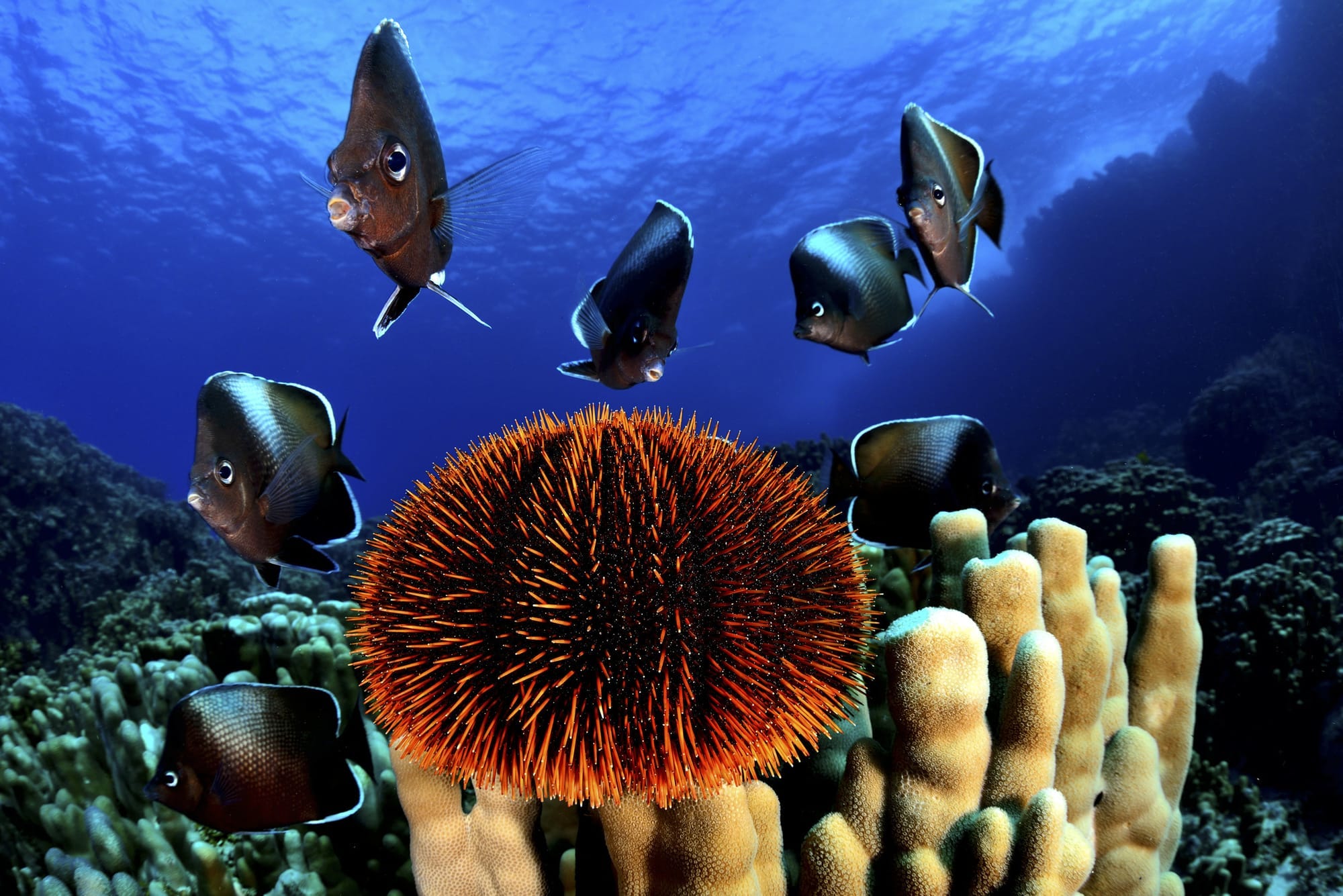
A network of marine No Take Zones has come into effect in South Georgia and the South Sandwich Islands protecting the region's most biodiverse habitats while maintaining sustainable fishing. Oceanographic
Marine litter along EU coastlines decreased by 29% between 2016 and 2021, with single-use plastics down 40%. The Baltic Sea showed the greatest improvement (45% reduction). European Commission
The Our Ocean Conference has generated 2,618 commitments to ocean action since 2014, with 81% either completed or in progress In that time, $133 billion has been mobilised for ocean protection, including $23.8 billion in completed projects. At this year's just-finished conference, the EU pledged €301 million, including €40 million to support marine protected areas and help partner countries ratify the High Seas Treaty. Oceanographic
These aren't just paper commitments. Some of the completed projects include Chile's establishment of a 720,000 km² marine protected area around Rapa Nui (a.k.a. Easter Island) and Palau's creation of the world's largest no-take zone, the 475,000 km² Palau National Marine Sanctuary.
New national parks are in the works in Scotland, Australia and the United States.
The Paris region has cut air pollution by over 50% in two decades, saving thousands of lives. Fine particulate and nitrogen dioxide levels have fallen 55% and 50% respectively since 2005, reducing pollution-related premature deaths by one-third over a decade; Europe's strict 2030 air quality standards are now being met across most of the region. Air Parif
And it’s not just Europe (or Paris) saving lives: China's "Beautiful China" initiative is successfully cleaning up the country's air and water. In the first quarter of 2025, levels of PM2.5 fell by 4.8%, increasing the number of days with good air quality to 84.8% across prefecture-level cities. Surface water quality has simultaneously improved, with 91% of monitored bodies of water now meeting Grade III or better standards. China Daily
🤦♂️
CORRECTION
In our last edition, we quoted a Reuters story, saying "Czechia has achieved full independence from Russian oil for the first time in its history." However, Czechia (formerly known as Bohemia) dates to the 9th century, and became a kingdom in the 11th century. That's a much longer, and more pedigreed history than we realised, and of course, most of it without any Russian oil in sight.
Thanks to reader Ana S. for pointing this out.
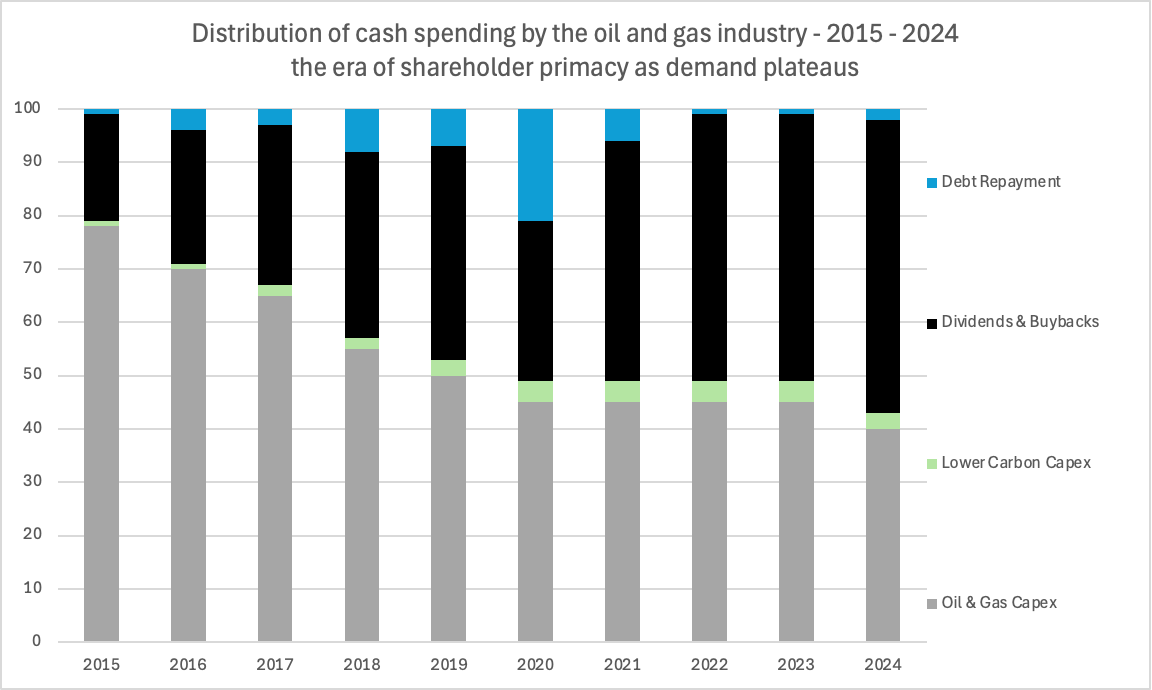
Oil giants are abandoning the energy battlefield, redirecting profits to shareholders. Major oil companies are not just quitting renewables—they're retreating from energy growth entirely. Rather than investing in future production, oil majors are now diverting more than half of their cash flow to shareholders, a withdrawal that signals "the future of energy is being built around them, not by them." Harry Benham
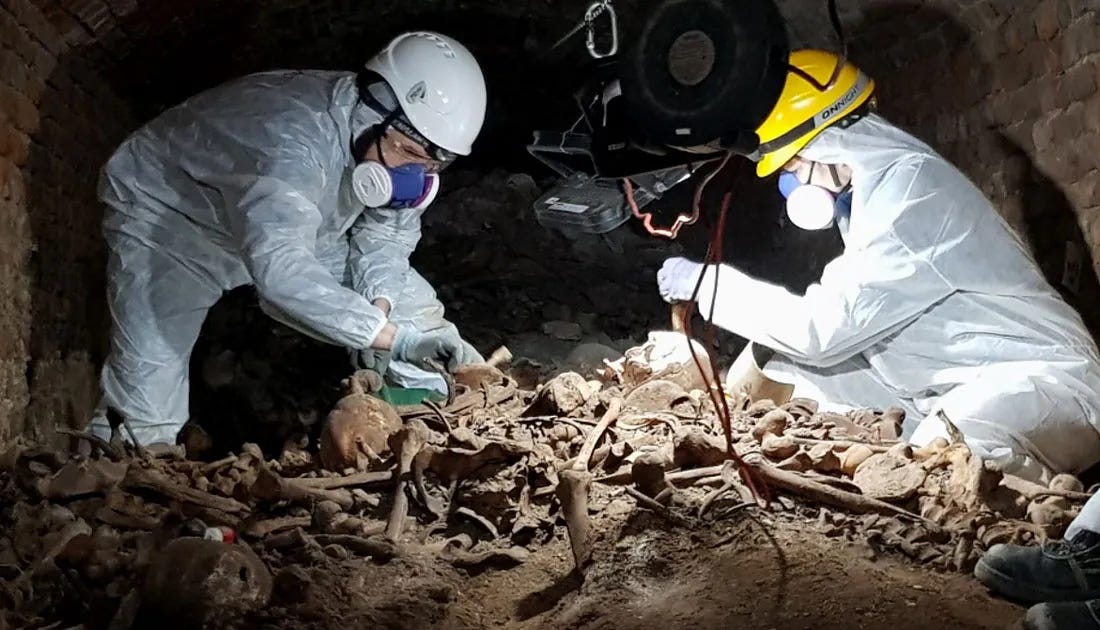
Tales from the crypt: scientists have uncovered a remarkable time capsule beneath Milan's Ospedale Maggiore, where tens of thousands of hospital patients were buried between 1637-1697. This extraordinary multidisciplinary project analysed hundreds of thousands of human bones, combining archaeology, genetics, and toxicology with the hospital's detailed archives to reconstruct the forgotten lives of ordinary people from a poorly documented period of European history. A truly amazing story from Science.
Breakthrough molecule enables ultra-efficient electronics beyond silicon's limits. University of Miami researchers have developed what they claim is the world's most electrically conductive organic molecule, composed primarily of carbon, sulphur, and nitrogen. This breakthrough allows electrons to travel without energy loss across distances previously thought impractical, potentially enabling significantly smaller, faster, and more energy-efficient computers while maintaining affordability in manufacturing.
And finally, the winners of this year's Dance Your PhD have just been announced, and you should definitely start with Arfor Houwman's entry, which took top honours in the physics category. Nerdy science songs have no right being this catchy. Lasers, lasers, lasers, LAZERS.
Progress
Global philanthropists just announced The Beginnings Fund: $500 million to help save the lives of newborn babies and mothers in sub-Saharan Africa. The Fund aims to save the lives of 300,000 mothers and newborn babies by 2030 by focusing on low-cost interventions and personnel in high-burden hospitals. Partners have also separately pledged $100 million in direct investments in maternal and child health. Reuters
In 2022, a groundbreaking medical study revealed that giving people with heart disease larger doses of drugs at the start of their treatment cut deaths from heart failure by 62% and lowered their risk of ending up back in hospital by 30%. In the United Kingdom, two hospitals have now begun treating patients with this method, which doctors say could be “game-changing” for the over one million people in the country that live with this condition. The Guardian
Since 2000, malaria cases in Southeast Asia have dropped by nearly 80%. Cambodia, Laos, Thailand, Vietnam and Myanmar have all now adopted Egypt's successful 1-3-7 approach, which aims to report malaria cases within one day, launch investigations within three, and initiate responses within seven. Think Global Health
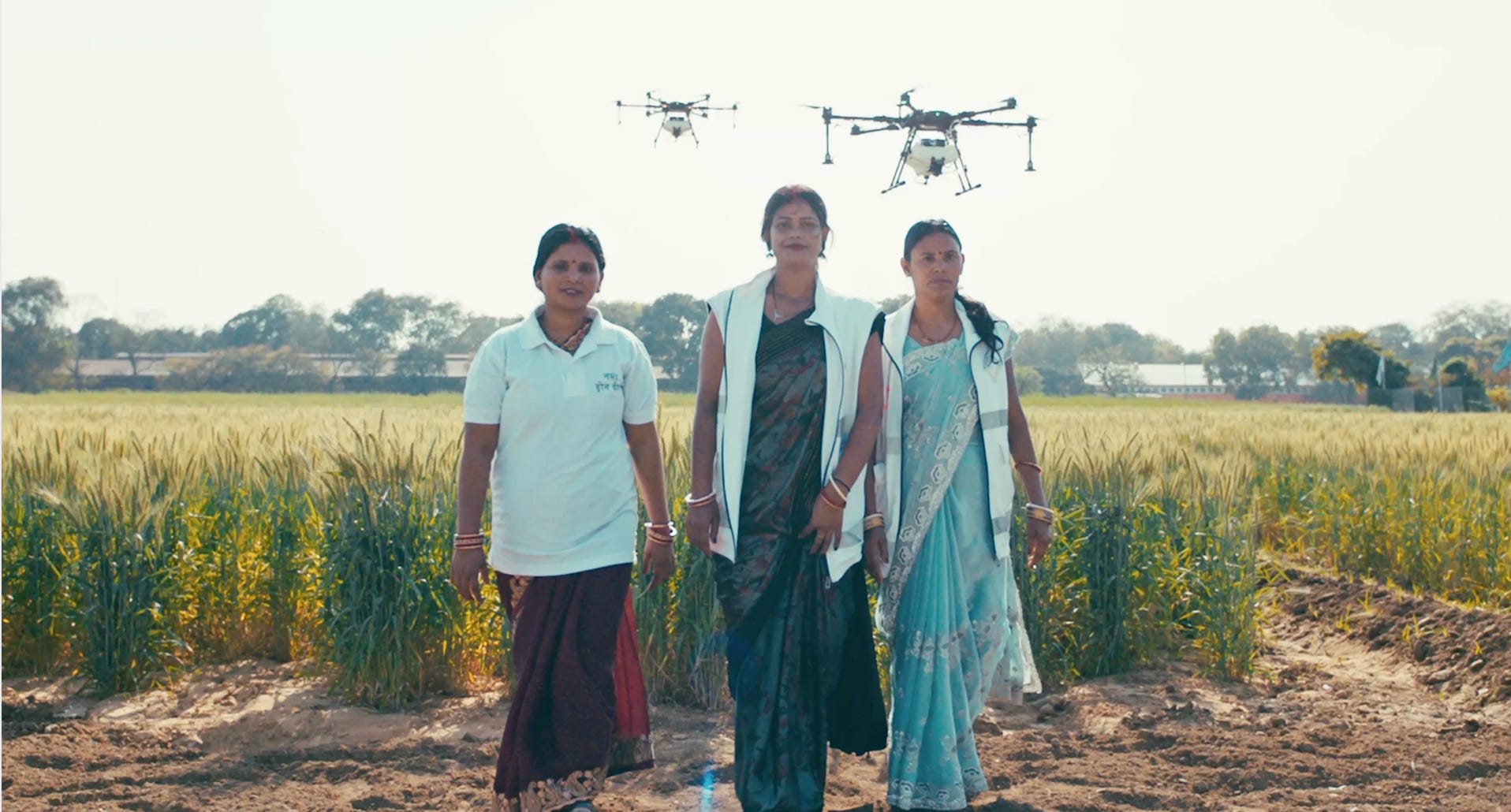
Meet India’s Drone Didis: Launched in 2023, the Namo Drone Didi programme aims to boost India’s agricultural productivity and empower rural women (Didi means “sister” in Hindi). These women use drones to fertilise crops, with one Didi able to cover five acres in the time it takes five people to cover half an acre! Every Didi is affiliated with a self-help group that supports women's financial inclusion. The government plans to provide 15,000 drones to these groups across India by end 2026. Gates Foundation
Ghana deploys drone network to counter medical supply disruptions. Following USAID supply chain disruptions, Ghana's government has partnered with drone delivery pioneers Zipline to maintain essential medicine deliveries. The drone company has increased operations by 20-50% at existing hubs, delivering treatments and medications to remote facilities in three regions under an arrangement that requires no additional government expenditure. Techpoint Africa
In less than four years, aerial logistics (ie medical drone deliveries) reduced maternal deaths in the Ashanti region of Ghana by 56%. BMC Health Services Research
A recent study in Indonesia has found that providing cash transfers to low-income families can reduce child marriage rates among girls in rural areas. Researchers analysed data from Indonesia’s Keluarga Harapan (Family Hope) Program - a cash transfer to poor families conditional on children’s school attendance - finding that it reduced the incidence of child marriages from 8.7% to 5.2%. The Conversation
In Rwanda, a new infrastructure project, jointly financed by the government and international partners - is transforming rural communities. In the Gatsibo district, a newly constructed feeder road has benefited 109,000 residents and connected 36 schools and 18 health centres to larger transportation networks. World Bank
Environment and Conservation
A decade-long conservation effort by a Rwandan vet has tripled the country's endangered gray crowned crane population from 487 to 1,293. Olivier Nsengimana's organisation rescued captive cranes from private homes, rehabilitated them for release, and enlisted 270 community members (90% locals) to protect critical wetland habitats. This successful model is now expanding to neighbouring countries through regional partnerships. Mongabay
The Nature Conservancy and its partners have secured three crucial land parcels in New Jersey's Appalachian Mountains, connecting critical habitat in the 96,000-acre "Bobcat Alley" corridor. The acquisition preserves mature forests and cold-water streams that support endangered bobcats and wood turtles while protecting northern New Jersey's drinking water and providing a vital link in the Appalachian range. The Nature Conservancy
China has established 903 national wetland parks over two decades, protecting 24,000 km² of critical wetland ecosystems. Since 2012, more than 3,700 restoration projects have rehabilitated an additional 10,000 km². With 90% of parks offering free public access, these conservation efforts have created biodiversity hotspots while providing recreational spaces for millions of visitors. China Daily
Türkiye is restoring its wetlands, providing critical bird habitat after fires. A coalition of government agencies and environmental activists has restored water flows to Türkiye's Dilkaya Reedbed by repairing a damaged barrier. The rehabilitation, completed after February wildfires destroyed thousands of bird nests, has revitalized the vital sanctuary, allowing vegetation to regenerate and birds to return. Turkiye Today
A community-led initiative has implemented 150 green infrastructure projects across New Orleans, making the city more 'spongy'. These affordable solutions—including rain gardens, bioswales, and permeable pavement—collectively retain around 720,000 litres per storm, and give the city's antiquated drainage system time to catch up while filtering contaminated water before it reaches Lake Pontchartrain. NYT 🎁
☝️
Part of a great new solutions series called 50 States, 50 Fixes.
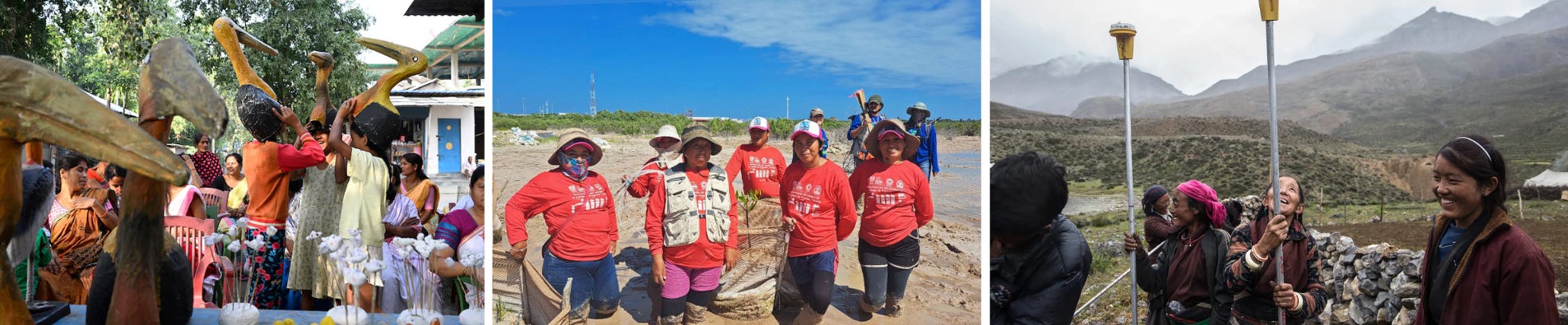
And across the world, small groups of environmentally-minded women are...
...saving one of India's largest and rarest birds, the hargila.
...restoring mangrove trees in Mexico.
...and teaming up to protect snow leopards in Nepal.
Energy and Climate
As the United States withdraws from climate diplomacy, China pledges economy-wide emissions targets. Xi Jinping has committed the world's largest greenhouse gas emitter to develop comprehensive climate targets by 2035 covering "all greenhouse gases" across the entire economy. With China responsible for a third of global emissions, this pledge to address pollutants beyond carbon dioxide represents a significant development ahead of COP30 in Brazil. Bloomberg 🎁
Not all is lost; the United States' clean energy manufacturing investments reached $14 billion in this year's first three months —5.6 times higher than in 2022, during the quarter before the Inflation Reduction Act. While six projects worth $6.9 billion were canceled (boo!), companies still announced $9.4 billion in new projects, a 47% increase from the previous quarter (yay!). Clean Investment Monitor
Australia's energy market operator formally announces irreversible transition from baseload generation to renewables. The grid has already achieved 75.6% renewable penetration, with instances of 100% renewable output since 2023. While emphasising the need for stability, the operator has confirmed renewables and storage offer the lowest-cost, most reliable replacement for Australia's ageing coal fleet. Renew Economy
A shipbuilding company in Tasmania just launched the world's largest fully electric ship—a 130 metre ferry capable of carrying 2,100 passengers and 225 vehicles between Argentina and Uruguay. Equipped with over 250 tonnes of batteries—four times larger than any previous vessel—it represents one of Australia's most significant single manufacturing exports. The Driven

Electric propulsion now dominates global ferry orders, with 70% of new vessels featuring batteries. Already operating on about 200 ferries worldwide, this shift to batteries means reduced emissions and lower maintenance costs. Thanks to a 5-8 year payback period, most fleet operators have now developed electric retrofit plans, signalling an irreversible transformation. Clean Technica
The European EV market has grown 22% this year. March saw 365,000 EV registrations, up 22% year-over-year, capturing over a quarter of all new European auto sales. Tesla's sales shrank, Volkswagon's sales rose, Renault's early success signals renewed European competitiveness, while BYD's rapid rise demonstrates continuing Chinese inroads despite tariffs. Clean Technica
In case you're wondering if your next car should be an EV, the German Automobile Club analysed data from 3.6 million breakdowns in 2024, and found that EVs experience only 4.2 breakdowns per 1,000 vehicles compared to 10.4 for fossil fuel cars. While both vehicle types shared similar battery failures, ICE vehicles experienced significantly more issues across nearly every category including electrical systems, engine management, and lighting components. Driving
A Finnish startup has emerged from stealth with a family of circular electric motors that fit directly inside vehicle wheels, eliminating traditional powertrains for improved performance and efficiency. Their 21-inch model weighs just 40 kg while delivering 630 kW of power and over four times the torque of a Tesla Model S Performance. They're not alone: a number of other companies are racing to create in-wheel motors. Dezeen

Science and Technology
Scientists overturn century-old belief about how cells divide in living organisms. Using advanced imaging and cell-patterning techniques, UK researchers found that elongated parent cells maintain their asymmetry during division, creating daughter cells with different sizes and functions. This breakthrough could transform our understanding of tissue development, cancer progression, and regenerative medicine approaches. Phys.org
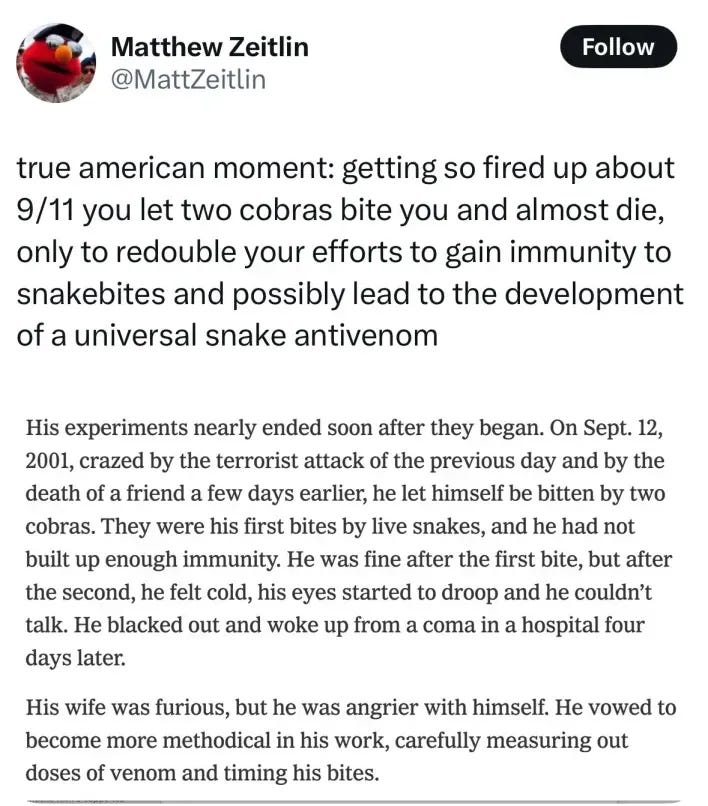
Antibodies from Tim Friede, who injected himself with 16 snake species' venom over 18 years, have produced a powerful three-part antivenom cocktail. The treatment fully protected mice against 13 dangerous elapid snakes and delayed death from six others. Researchers are now expanding testing while developing additional antibodies for a universal antivenom that would include vipers. Fierce Biotech
Human wounds heal twice as slowly as other mammals due to evolutionary tradeoff. Human wounds close at only 0.25mm per day compared to 0.62mm in chimps, baboons, and mice. This dramatic difference results from an evolutionary tradeoff - losing our fur-packed stem cells in favour of cooling sweat glands. This adaptation enabled our ancestors to be physically active in hot environments and support larger brains, while social cooperation likely helped wounded humans survive despite slower healing. New York Times 🎁
Cars driven by computers are way safer than human drivers. A massive new study by insurance giant Swiss Re analyzing 25.3 million autonomous miles found Waymo's robotaxis reduced property damage claims by 88% and bodily injury claims by 92% compared to human drivers. These safety advantages remained significant even when compared to newer vehicles with advanced driver assistance systems, suggesting autonomous driving technology could dramatically reduce accident rates as it becomes more widespread. CleanTechnica
Chinese scientists successfully boosted rainfall by over 4% across 8,000 km² using just a kilogram of silver iodide, dispersed by drones at an altitude of 5,500 meters. The operation added 70,000 litres of precipitation to Xinjiang's arid landscape, demonstrating efficient weather modification technology that could help combat glacial retreat and desertification. Interesting Engineering
A clinical trial run by the U.S. government’s National Cancer Institute has found that a single dose of the HPV vaccine is just as effective as two. This could be transformative for improving vaccine coverage globally and protecting the 350,000 women who die from cervical cancer, the most common form of HPV, annually. STAT
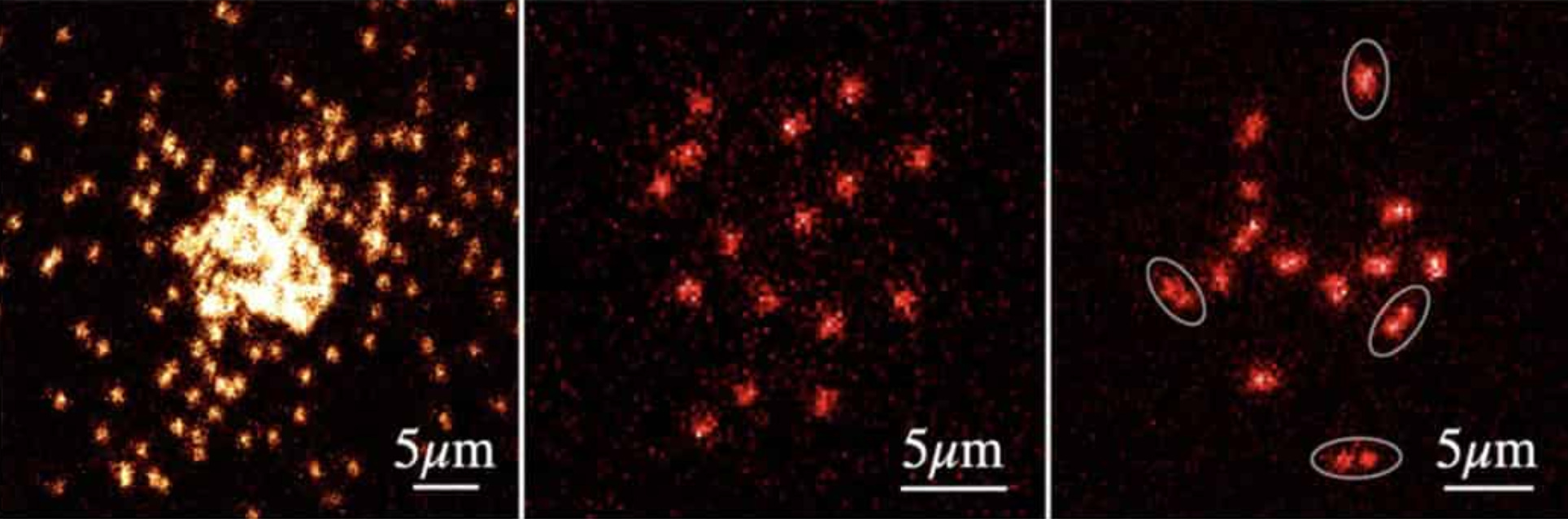
Scientists have taken the first ever photos of atoms interacting in free space, revealing quantum behaviors only theorized until now. Their "atom-resolved microscopy" freezes atoms with light before illuminating them, producing striking images of bosons and fermions — the two major families of quantum particles — caught in the act of clustering and pairing, as predicted by quantum mechanics but never before seen in such stark clarity. The breakthrough allows scientists to visualise, for the first time ever, complex quantum phenomena in real space. MIT News
That's it for this edition, thank you again to all our paid members for making the donation possible. We'll see you next week!
With love,
The FTN team